
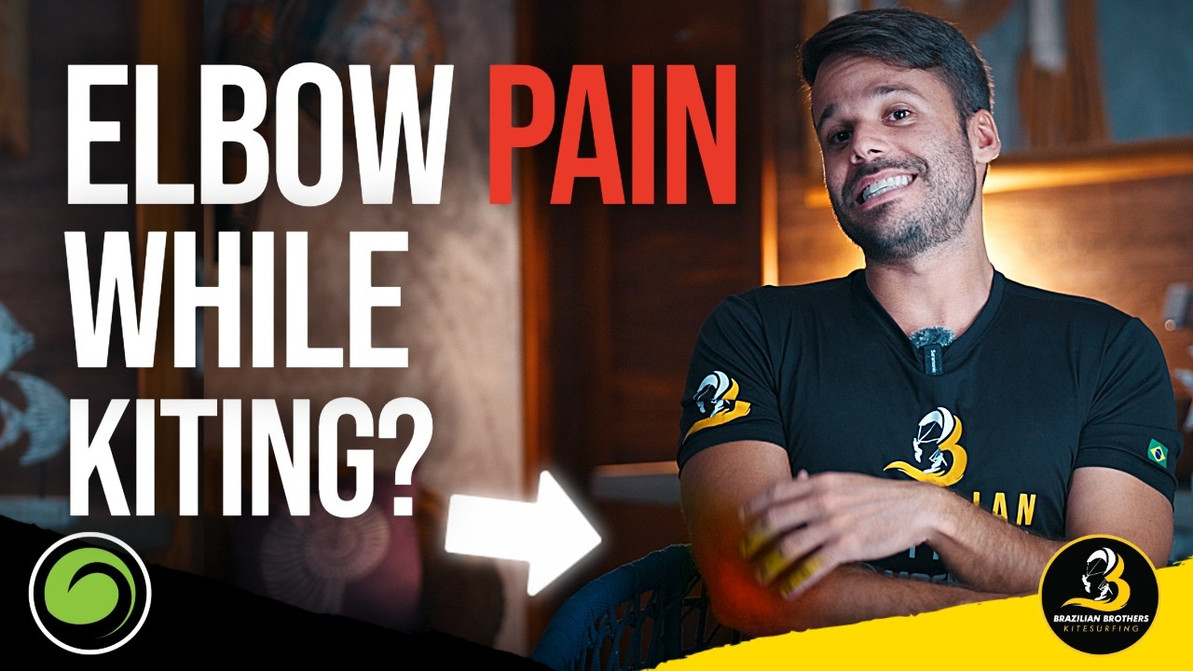
Four Tips to Prevent Elbow Pain When Kiteboarding
The Brazilian Brothers are back to talk about a common issue for many kite surfers: elbow pain. Unfortunately, it's a type of injury that afflicts a lot of riders. While they aren't medical professionals and aren't giving medical advice, but they are sharing four things they personally do to prevent tennis elbow, similar injuries, and stay on the water longer without pain.
Tip 1: Go for Kites with Light Bar Pressure
The first thing to do to avoid tennis elbow and elbow pain is choose kites with light bar pressure and avoid kites with heavy bar pressure at all costs. A kite with light bar pressure greatly reduces the load on your elbows and decreases the odds of suffering pain after long sessions. Some examples of kites with light bar pressure include:
- Cabrinha Nitro
- Slingshot NXT
- Duotone Evo D-Lab
- Reedin MasterModel
- F-One Trigger Brainchild
Tip 2: Adjust Your Kite Settings
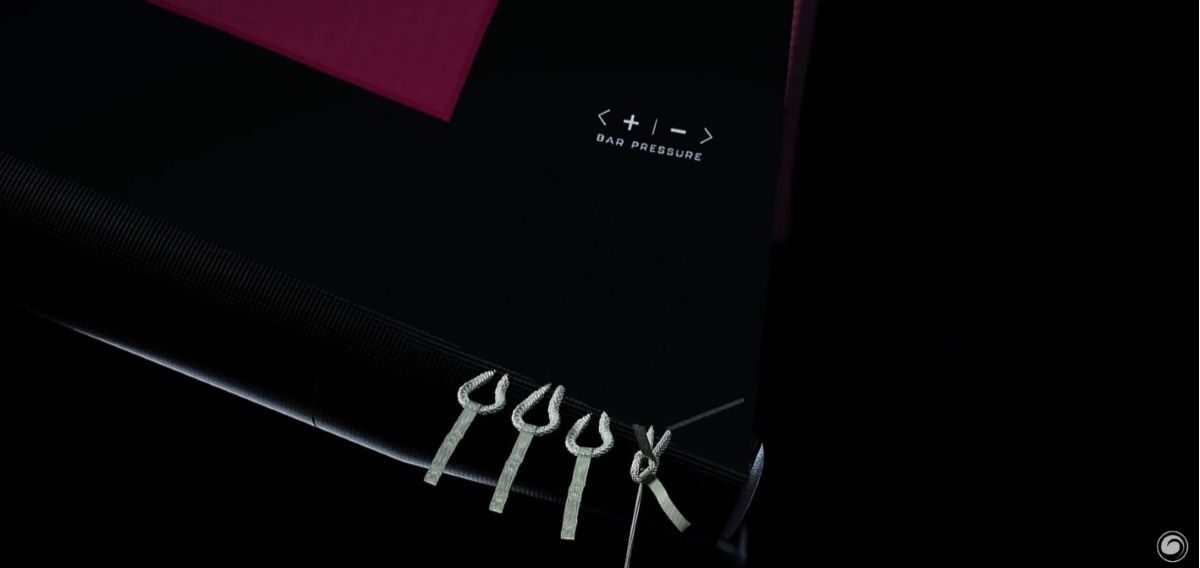
Kite settings are another crucial factor. No matter what brand or model of kite you ride, the first thing you should do is change the backline pigtails to the light bar pressure setting.
Some kites have two attachments while others have three, but if you have a sensitive elbow, you should put your kite on the "A" setting — the light bar pressure setting. This decreases the bar pressure and often makes the kite slightly more pivotal and faster through the loop, so it's a no-brainer.
Tip 3: Focus on Body Awareness
Body awareness on the water is very important. When you're riding for hours, pulling loops and doing repetitive motions over and over, it's easy to fall into the habit of using just your elbows. After many hours and repetitions, that puts the joint under a lot of stress and load. Instead, make a conscious effort to engage your back more to relieve some of that pressure from the elbow. You have much more muscle in your latissimus dorsi and the back of your deltoid than you do in your small brachioradialis.
Tip 4: Strengthen Your Elbows
The fourth tip is to effectively "bulletproof" your elbows by strengthening the muscles around the joint. That gives the joint enough support to sustain the load during long kiteboarding sessions.
One exercise the Brazilian Brothers recommend is a curl using two dumbbells: on the way up, you're in a supinated position (palms facing toward you), and on the way down, you move into a pronated position (palms facing away from you), really slowing down on the eccentric motion. This helps strengthen the brachioradialis muscle and build a stronger forearm.
An important note: don't do these exercises while you are currently in pain, as that can actually make things worse. They're meant as a prevention mechanism to strengthen the forearm and strengthen the joint — not as a treatment for an active injury.
Quick Recap
To keep your sessions pain-free, remember these four steps:
- Go for kites with light bar pressure.
- Always ride your kites on the "A" setting.
- Focus on body awareness and use your back more than your elbows when kiting.
- "Bulletproof" your elbows by strengthening your forearm muscles.
Final Thoughts
Elbow pain and tennis elbow are common complaints in kiteboarding, but the Brazilian Brothers' approach is built around prevention rather than reaction. Two of their four tips focus on the gear itself: picking kites that are known for light bar pressure (think Cabrinha Nitro, Slingshot NXT, Duotone Evo D-Lab, Reedin MasterModel, or F-One Trigger Brainchild) and always running the backline pigtails on the lightest "A" setting, which lowers load on the elbows and often makes the kite more pivotal as a bonus.
The other two tips focus your riding. On the water, conscious effort to engage the back, especially the lats and rear delts, takes load off the much smaller brachioradialis. Off the water, supinated-to-pronated dumbbell curls with a slow eccentric phase help build forearm strength and protect the joint long-term.
The important caveat: these exercises are a prevention tool, not a treatment for an existing injury. Skip them when there's active pain, and combine the gear choices, settings, and body awareness habits for the best chance of staying on the water comfortably for the long haul.
MACkite Subscription Links:
YouTube | Instagram | Spotify Oddcasts
Contact MACkite Below:
800.622.4655 | Kiteboarder@MACkite.com | LIVE Chat Messenger
Recent Posts
-

2026 Duotone Rebel D/LAB Review: 30-Knot Test
The Brazilian Brothers are ready to provide honest feedback on the 2026 Rebel D/LAB by Duotone. Th …13th Oct 2026 -

2026 Duotone Jaime SLS Kiteboard Review
The Brazilian Brothers are back to bring you another product review. Today, their focus is on the …13th Oct 2026 -
Manera Pocket Wing Belt Overview
Jeff met up with Billy Ackerman from F-One on the beach at the KoGL Test Fest to take a look at th …9th Oct 2026