

Appletree Surfboards | Performance and Care Tips from Co-Founder Wieger Buurma
If you're riding an Appletree board, you already know the quality is there. The construction is dialed, the shapes are refined, and the finish is clean. But even the best gear needs a little love to stay that way. Appletree co-founder Wieger Buurma recently broke down his top board maintenance tips—and they're straightforward enough that there's no excuse for letting your board go to hell.
Here's what you need to know.
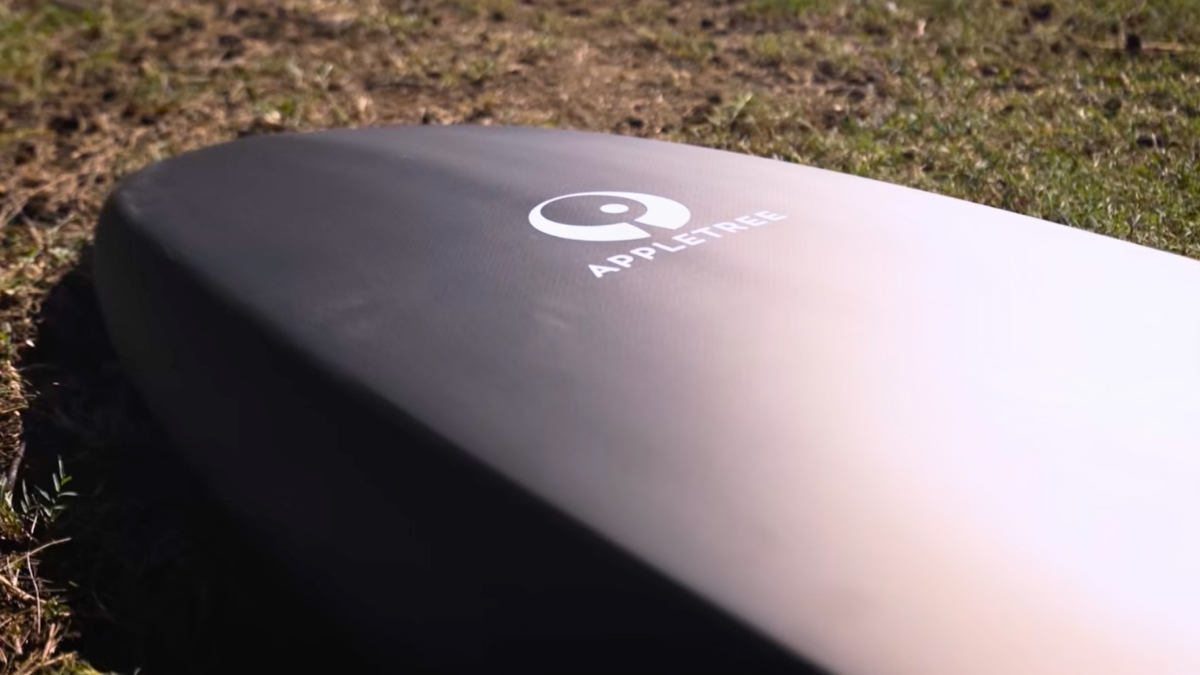
Understanding the Coat 25 Finish
Appletree boards ship with a proprietary Coat 25 finish topped with a matte coat layer. It looks sharp right out of the bag. But because Appletree builds in all-black, scratches and surface issues are more visible than on lighter or painted boards—not because the boards are more fragile, but because contrast works against you.
Wieger is upfront about this: the boards aren't scratch-prone, they just show scratches more clearly. That distinction matters, because the fix is simple.
Why the Matte Finish Shows More
The matte coat on top of Coat 25 gives the board its signature look, but it doesn't hide surface imperfections the way gloss finishes do. Think of it like wearing a dark shirt—every bit of lint shows up. The board isn't delicate, it just rewards clean habits.
The Top Board Maintenance Tips from Wieger
1. Keep Sand Off the Board—and Out of Your Bag
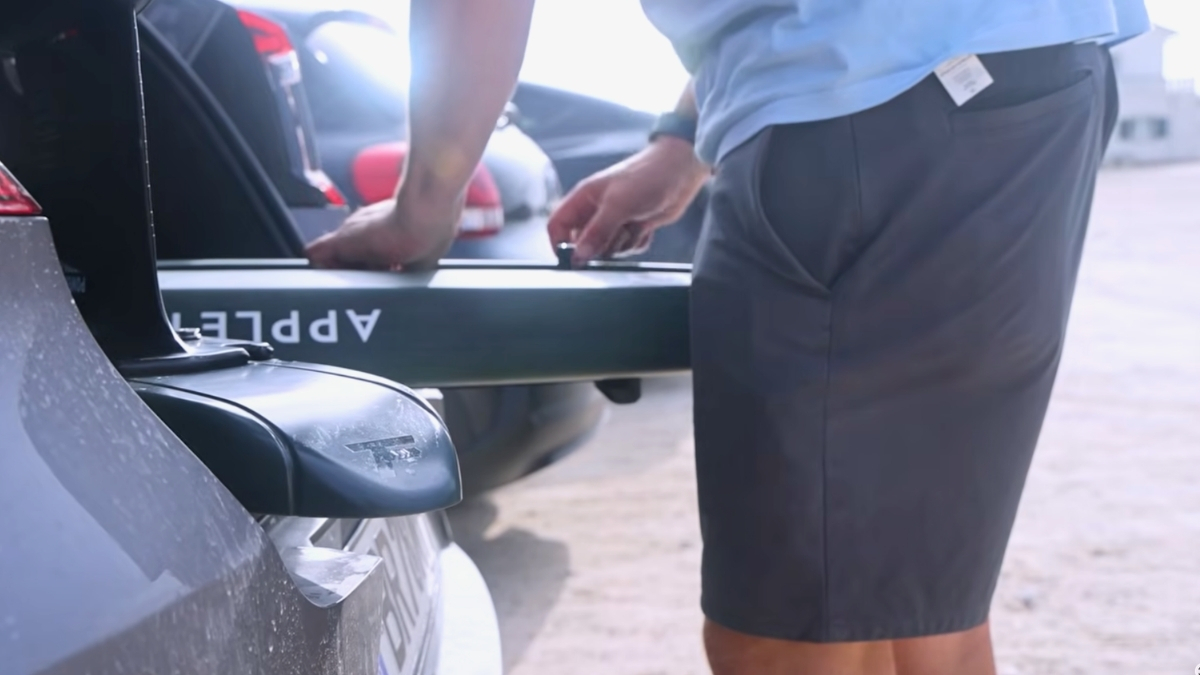
This one sounds obvious, and Wieger admits it. But it's also the most common cause of surface scratches. Sand is essentially fine-grit sandpaper, and if your board goes into a bag while still coated in it—or shares bag space with a sandy leash or wetsuit—you're slowly working over the surface every time it moves.
- Rinse your board after every session, not just your foil
- Shake out your bag before sliding the board in
- Let the board dry before bagging it when possible
Salt water alone is hard on materials over time. A quick rinse takes 30 seconds and can add years to your board's cosmetic life.
2. Don't Store Your Board Wet—Especially in Cold Weather
This is the one that catches people off guard. If you bag your board while it's still wet, particularly in cooler temps, moisture can slowly work its way into the Coat 25 finish. On a black board, the result is a slight white cloudiness across the surface.
Wieger compares it to leaving a cold glass on a wooden table: that white ring isn't permanent damage, but it's not a great look either.
The good news:
- The cloudiness is temporary and disappears on its own
- Set the board in indirect sunlight or a warm spot and it clears up quickly
- In most cases, it's completely gone by spring
No structural damage, no performance hit, just a cosmetic quirk tied to the water-based, sustainable materials Appletree uses. They're deliberately moving away from harsh chemical lacquers, and that's a trade-off worth understanding.
3. Use a Day Bag (and Don't Overthink It)
Dedicated foil bags exist, but Wieger doesn't think you need one for daily use. Standard surf industry day bags, simple sleeves from your local surf shop, work perfectly well, especially for mid-length shapes like the Slice V4.
His take: surf brands tend to make better quality day bags than foil-specific brands. You're not missing anything by going that route.
For travel, the same logic applies. A quality coffin bag from a mainstream surf brand, with 15–20mm of padding, will protect your board well.
What to look for in a day bag:
- Simple sleeve or sock style
- Clean interior (no sand, no debris)
- Sized for your specific board shape
4. Mind Your Strap Hardware
If you ride with strap inserts, Appletree boards come with T30 Torx head bolts, the same Torx format used throughout the foil hardware. That means you've already got the tool you need.
A few things worth knowing:
- The T30 Torx head is strip-resistant, so you don't need to baby these bolts
- Insert holes on current-generation boards are reinforced and rarely strip
- If the board lives in a bag regularly, the straps themselves can get compressed and flattened—pulling them off occasionally isn't a bad habit
Beyond that, screw them in, screw them out, and don't stress it. The hardware is designed to handle it.
Key Takeaways
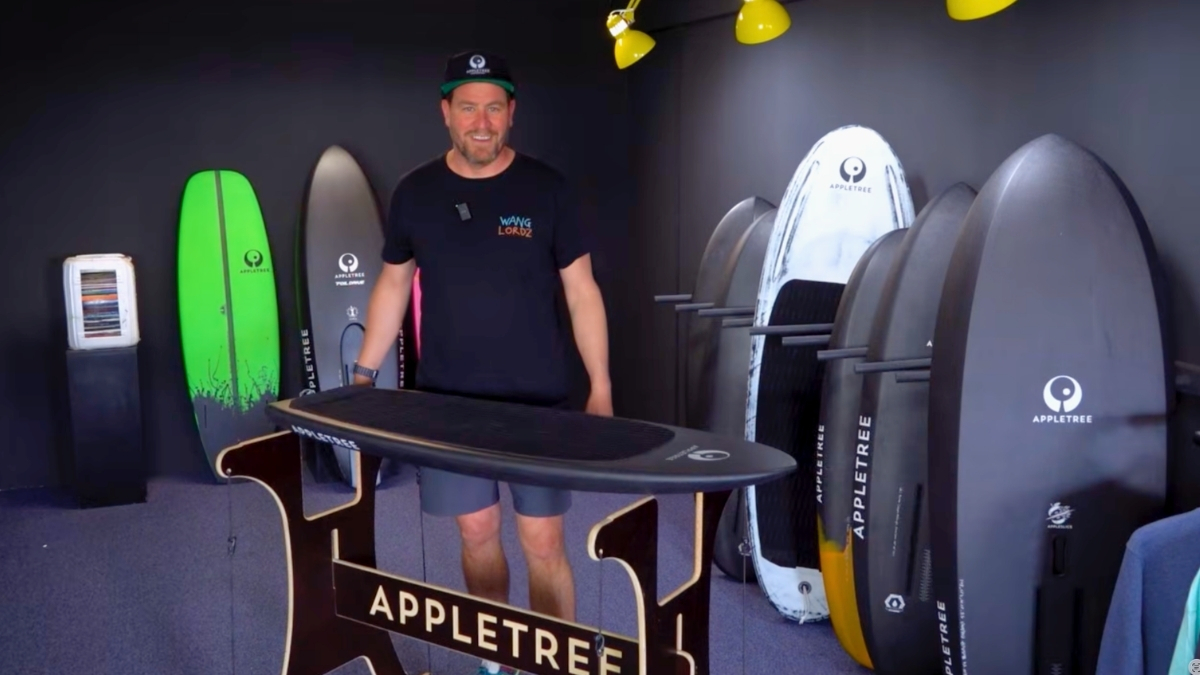
- Sand is the main enemy of the Coat 25 finish. Rinse after every session and keep your bag clean.
- Wet storage in cold weather can cause temporary white cloudiness on black boards. It’s cosmetic, not structural, and clears up with warmth.
- Standard surf day bags work great for Appletree boards.
- T30 Torx bolts are durable and strip-resistant. The inserts are robust enough for regular removal and reinstallation.
- A little routine care—rinse, dry, and bag. Keeps the board looking sharp for years.
Questions? We're Here to Help
Appletree makes exceptional boards, and keeping them in top shape doesn't take much effort. If you've got questions about care, storage, or which Appletree shape is right for your riding style and local conditions, our team is happy to talk it through.
Reach out anytime at Kiteboarder@MACkite.com. We ride this stuff too, and we're always stoked to talk gear.
Recent Posts
-

2026 Duotone Rebel D/LAB Review: 30-Knot Test
The Brazilian Brothers are ready to provide honest feedback on the 2026 Rebel D/LAB by Duotone. Th …13th Oct 2026 -

2026 Duotone Jaime SLS Kiteboard Review
The Brazilian Brothers are back to bring you another product review. Today, their focus is on the …13th Oct 2026 -

Manera Pocket Wing Belt Overview
Jeff met up with Billy Ackerman from F-One on the beach at the KoGL Test Fest to take a look at th …9th Oct 2026