
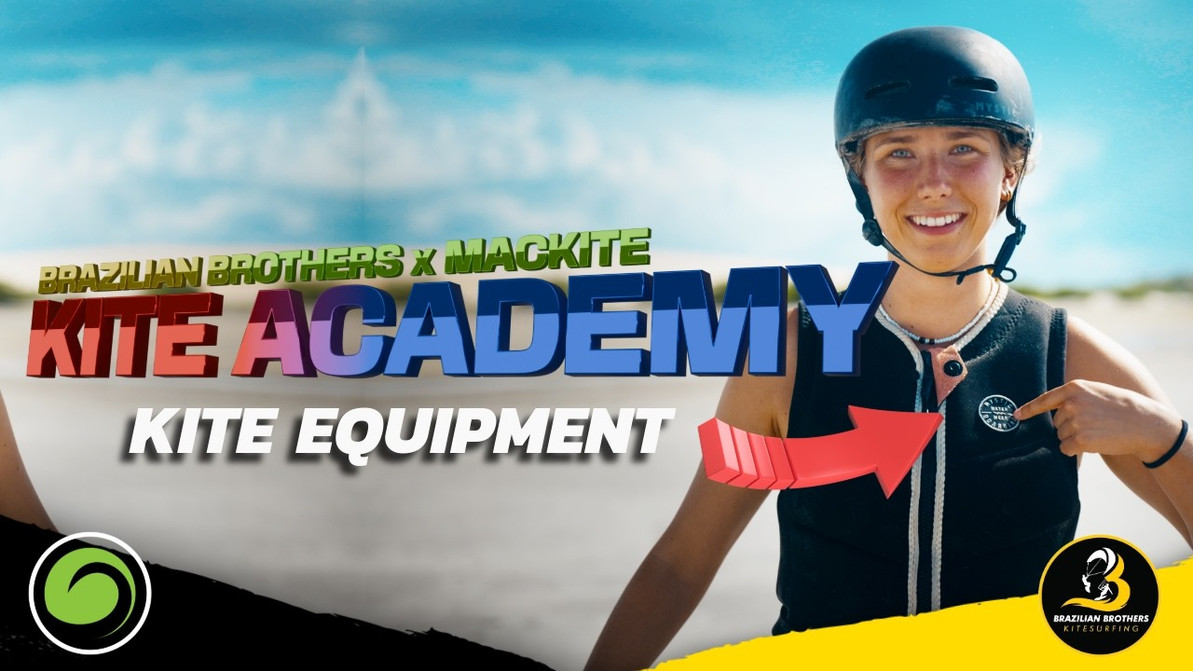
Kite Academy Episode 1: The Essential Kiteboarding Gear
The Brazilian Brothers are reporting from a windy beach in Brazil to kick off a brand-new mini-series: the Kite Academy. The goal of this series is to walk anyone who has never been in touch with kiteboarding through the very basics of the sport. While you should still take lessons from a qualified instructor, this series is designed to get people involved and stoked about kiteboarding.
To help demonstrate the basics, they're joined by Nicky, an aspiring kiteboarder from the Netherlands with a couple of days of experience from a trip to Morocco. In this first episode, the Brazilian Brothers walk through every piece of equipment you need to get out on the water.
Safety
The first and most important category of gear is safety equipment. The Brazilian Brothers start with the impact vest, which is a crucial piece of kit for three reasons:
- Buoyancy to help you stay afloat
- Protection from impact with objects
- Warmth while you're in the water
Make sure the impact vest fits properly and isn't too big for your frame. It should feel snug and cozy to provide the best protection and flotation.
The second piece of safety gear is the helmet. Some riders neglect wearing one, but the Brazilian Brothers consider it essential. A helmet provides protection against impact from several sources — the ground, static objects, flying boards, and even other people in the water. Before you get started, you need to find a good helmet and a well-fitting impact vest.
Harness
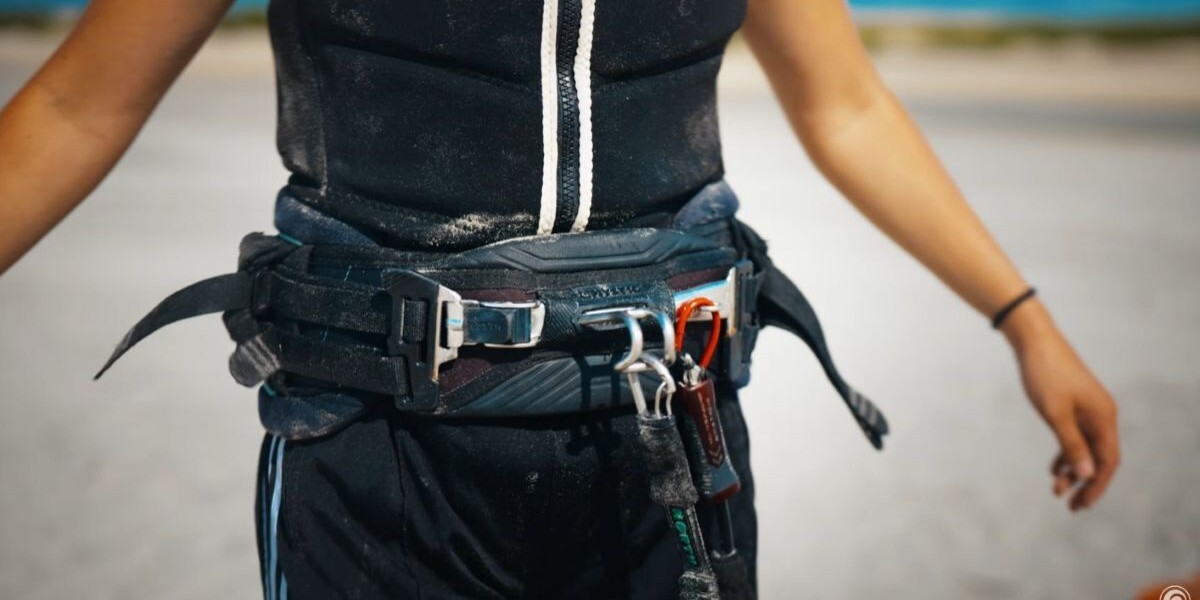
A harness is absolutely necessary for any kiteboarder. Because everyone's body is shaped differently, the Brazilian Brothers highly recommend going into a kite shop to try a few on and find the right fit. For this demonstration, Nicky is using a small harness from Mystic.
When putting on the harness, you must make sure the hook is facing up: that's where you'll eventually attach your bar and kite. A proper fit is crucial. If the harness isn't secured correctly, it can ride up your torso and cause uncomfortable rashes. A well-fitted impact vest also helps prevent the harness from riding up.
Safety Leash
Attached to the harness is the quick-release safety leash, the next component that keeps you safe in the water. Be on the lookout for a future video!
Kite
Kites come in many different shapes and sizes, which can be overwhelming for a beginner. If you're unsure which kite to buy, the Brazilian Brothers suggest reaching out to MACkite via phone, live chat, or social media for guidance. The size of the kite you need depends on two main factors:
- Wind strength
- Your body weight
For this episode, they have 7-meter and 9-meter Cabrinha Nitro kites on hand. For a first session, they recommend starting "underpowered" with a smaller kite, like the 7-meter, to stay safe. As you progress to water starts, you might move up to a 9-meter for more power. The Cabrinha Nitro is a great choice for beginners because it has light bar pressure and is very stable in the air.
Kite Bar
The bar is what allows you to connect to and control the kite. It generally features four lines that attach to the kite, letting you steer and control the power. They're using a Cabrinha bar to match the kite, but you don't necessarily have to match brands — you can use a bar from a different brand than your kite.
Kiteboard
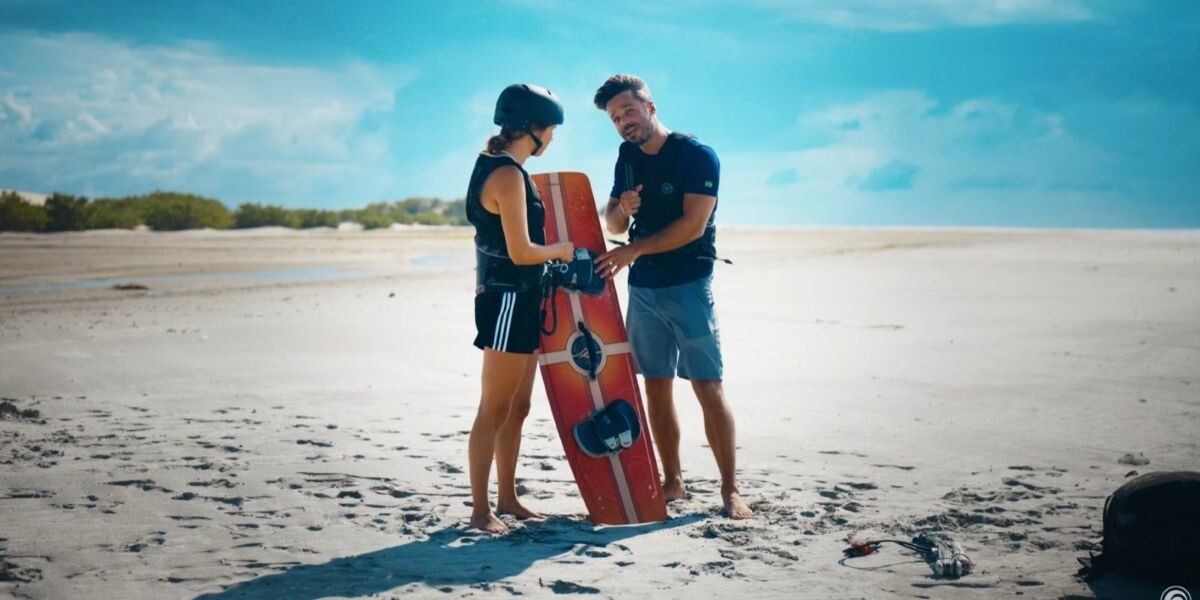
Finally, you need a board. For beginners, the Brazilian Brothers recommend a large board, typically between 140cm and 145cm in length. A larger board makes water starts much easier when you're first learning. The board shown in the episode is a 145cm model from Naish.
Board Straps
The straps are where you secure your feet to the board. It's very important to find straps that fit your feet well. Most straps are easily adjustable, and you should always make sure they're set correctly for your feet before you head out into the water.
Summary
The Kite Academy series is here to walk new riders through the fundamentals of kiteboarding, starting with the gear you'll need before you ever step onto the beach. Episode 1 breaks it down into five core categories: safety gear (a snug-fitting impact vest plus a helmet), a properly-fitted harness with a quick-release safety leash, a beginner-friendly kite (the Cabrinha Nitro at 7m or 9m is a great starting point thanks to its light bar pressure and stability), a control bar to steer and manage power, and a larger 140–145cm board with adjustable straps to make those first water starts as forgiving as possible.
The single biggest theme across all of it is fit. An impact vest that's too loose won't protect you and will let the harness ride up. A harness that doesn't sit properly will cause rashes and discomfort. Straps that aren't dialed in will fight you on every start. Getting into a kite shop to try gear in person — or reaching out to MACkiteboarding for guidance — pays off well before your first session. And while this series is a great primer for what to buy and why, the Brazilian Brothers are clear that real lessons from a qualified instructor remain step one for actually learning the sport.
MACkite Subscription Links:
YouTube | Instagram | Spotify Oddcasts
Contact MACkite Below:
800.622.4655 | Kiteboarder@MACkite.com | LIVE Chat Messenger
Recent Posts
-
2026 Duotone Rebel D/LAB Review: 30-Knot Test
The Brazilian Brothers are ready to provide honest feedback on the 2026 Rebel D/LAB by Duotone. Th …13th Oct 2026 -
2026 Duotone Jaime SLS Kiteboard Review
The Brazilian Brothers are back to bring you another product review. Today, their focus is on the …13th Oct 2026 -
Manera Pocket Wing Belt Overview
Jeff met up with Billy Ackerman from F-One on the beach at the KoGL Test Fest to take a look at th …9th Oct 2026