
Ralf Groesel on Kite Bars, Line Setups, and Bar Maintenance
The Brazilian Brothers sat down with kite designer legend and Brainchild founder, Ralf Groesel. In this highly specific breakdown, they ask Ralf some of the most important questions about kiteboarding bars, line setups, and everything in between.
Low V vs. High V Kite Bars
When testing kites, it becomes very clear that a kite performs drastically differently depending on whether you're using a Low V or a High V bar setting.
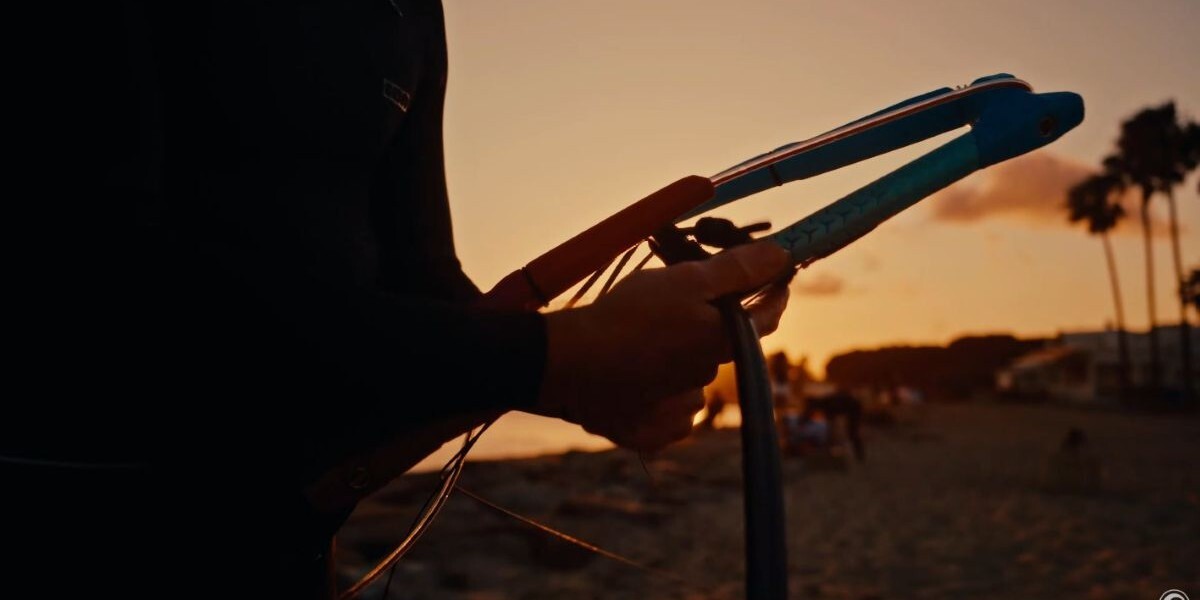
Ralf explains that he uses High V on his kite designs simply because he's used to it, but designing for a High V versus a Low V is quite different. The High V creates a feeling that forces the kite to fly a little further out of the wind window — you're basically getting more structural stability in the arc and the frame of the kite. With a Low V, you're generally more connected to the back lines, which means a Low V kite is normally more reactive than a kite made for a High V.
From a design perspective, Ralf notes that if he designs a kite on a Low V, he gets the handling for free but has to work much harder on all the performance attributes. If he works on a High V, he gets the performance for free but has to work much harder on the handling. It's just the opposite approach, and you have to decide which way to go to make both concepts work.
Should You Experiment With a Line Splitter?
The current dogma in the kite industry is that if you have a kite designed for a Low V, you should stick with it. But what if you take a Low V kite, add a splitter, and fly it with a High V just to see how it feels? Should riders experiment, or just go with what the kite was intended to use?
Ralf points out that every company tries to create the perfect package, which normally includes the bar. While it's easy to figure out for yourself and can come down to personal preference, from a commercial standpoint, it isn't good to confuse riders. When Ralf designs a kite in a 3D model, he designs it specifically according to the bar he's going to use — not only for High V or Low V, but for the specific details within that exact bar.
How Different Bars Affect the Same Kite
The brothers noticed that if you keep the kite as a constant variable but change the bar — even using two different Low V bars from different brands — the kite flies drastically differently. They asked Ralf if there's something behind that, or if they're just imagining it.
Ralf confirms they're 100% correct. The difference between bars and lines is sometimes greater than the difference between the kite models themselves from brand to brand. There are maybe a handful of bars on the market right now that create significantly different flight characteristics and far more performance than others. Ralf explains that this comes down to the bridle line material itself, the diameter, and the way those lines are woven together.
Kite Bar Safety and Maintenance Tips
For the average rider out on the water for about 50 hours a year, preserving bar and line integrity is crucial. The bar is the essential connection between you and the kite: the kite simply can't perform if the bar isn't working. Ralf shared his top recommendations for keeping your bar in tune and functioning safely.
Check Your Line Length Frequently
Depending on which bar you're using, you have to check your line length frequently. Most bars out there have a tendency for the back lines to shrink to a point where the kite doesn't fly properly anymore. This leads to people trimming their kites on the beach just to make them fly, which is not good.
Make sure your front and back lines are more or less equal in length when you hold the bar fully powered (not depowered). If there's a delta where the back lines are 2.5 to 3 centimeters shorter, that's no problem. But if they're 8, 9, or 10 centimeters shorter, the kite will not fly. Ralf notes that not a single one of his designs would even fly with a bar like that.
Inspect and Replace Lines
You should only be changing your lines if you see damage or if you've had a crash. Otherwise, it's much more about checking them. Running your lines through your fingers to feel for damage is a great practice, but you also have to look at the hidden parts of the bar.
Wash the Hidden Mechanisms
Especially on most Low V bars, there's a metal piece where the safety line runs from the bar to your leader lines. This is an area where blockage can build up, and it should always be cleaned with fresh water. You don't need to do this after every session, but aim for about once a month. Take it out, wash it, clean it, and slide it back together. Understanding how these hidden parts work is one of the most important things you can do to maintain your bar's safety and function.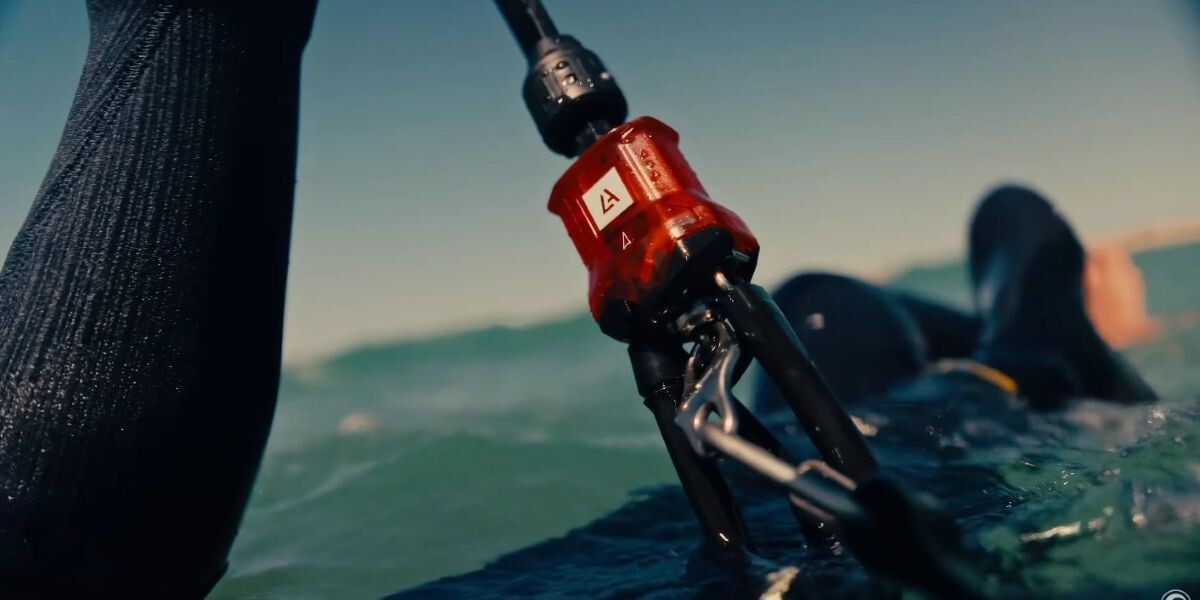
Summary
Ralf Groesel's breakdown of bars and lines is a useful reminder that the bar isn't just an accessory — it's a core design variable that shapes how a kite actually flies. High V platforms give designers performance for free but require work on handling, while Low V platforms give handling for free but require work on performance. That fundamental difference is why brands package their kites with specific bars, and why swapping in a different bar, even another Low V from a different brand, can change a kite's flight characteristics more than swapping the kite model itself. The bridle line material, diameter, and weave all play a real role.
On the maintenance side, the key takeaways are simple and easy to act on. Check your line lengths regularly under full power: a 2.5–3 cm delta between front and back lines is fine, but anything closer to 8-10 cm means the kite won't fly properly. Inspect lines for damage by feel and by eye, but only replace them after a crash or when damage is visible. And once a month, take a few minutes to wash the hidden metal pieces on the bar, especially on Low V bars where the safety line passes through. Small habits like these protect both safety and performance over the long haul.
MACkite Subscription Links:
YouTube | Instagram | Spotify Oddcasts
Contact MACkite Below:
800.622.4655 | Kiteboarder@MACkite.com | LIVE Chat Messenger
Recent Posts
-

2026 Cabrinha Unify Control Bar Review
The Brazilian Brothers are in windy Brazil to provide a thorough review of the brand-new 2026 Cabr …23rd Oct 2026 -

Naish Hatch V2 Parawing Overview
Jeff takes a few minutes out from the KoGL event to chat with Adam Carr from Naish about the Hatch …22nd Oct 2026 -

Flysurfer Soul 4 vs Sonic 5: Which Kite is for You?
Jeff is on the beach at KoGL with Marie-Eve from Flysurfer to discuss the growing excitement surro …20th Oct 2026