

Kiteboarding in South Africa vs. Brazil: A Side-by-Side Comparison
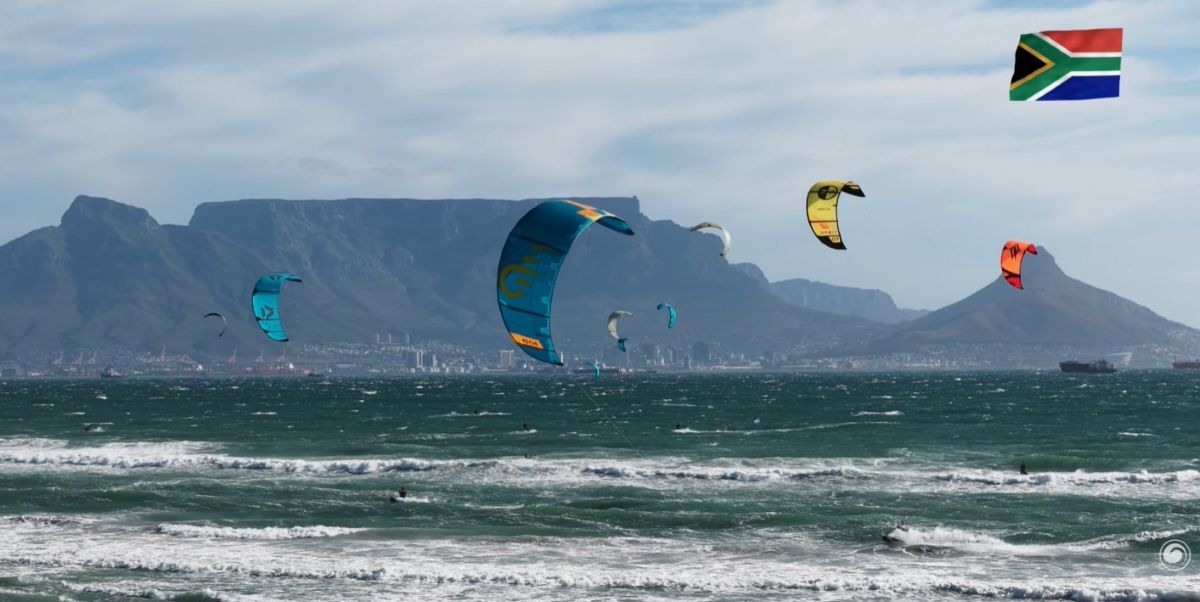
Cape Town's Blouberg launches kiters 30 meters into the sky on dense, lifty wind with Table Mountain looming behind them. Brazil's Prea delivers bullet-consistent 25-knot trade winds for five months straight, with open ocean and friendlier conditions for pushing your tricks. After spending recently spending a month in Cape Town, the Brazilian Brothers share their opinion on which destination deserves your next kiteboarding vacation.
Overall Conditions and Friendliness
Northeast Brazil (Prea area) is for sure the easier of the two destinations. The consistent wind always comes from the same direction and is very steady without being gusty. Those are prime conditions for progressing your kiteboarding, because you aren't scared to go for new tricks and you don't feel overpowered easily. In fact, you can hold down an 8m kite in Brazil in 40 knots without much drama.
In contrast, Cape Town, and Blouberg specifically, feels very powered on an 8m in 25 to 30 knots. The wind is so much denser that you get overpowered quickly, which makes it a much more intimidating place.
Cape Town also has much bigger waves, regularly getting groundswell that produces epic kickers. If you know how to deal with them, they're amazing; if you're trying to progress, they make it slightly more challenging and intimidating to attempt a first boogie loop off a twom wave. For easier progression, Brazil is the one.
Wind Quality
Cape Town has extremely dense, cold wind that makes for incredible boosts. Any kicker you take, you can sheet the bar in and effectively go 10m. Getting up there is extremely easy, which explains why there are so many records and so many people jumping over 30m on a regular basis.
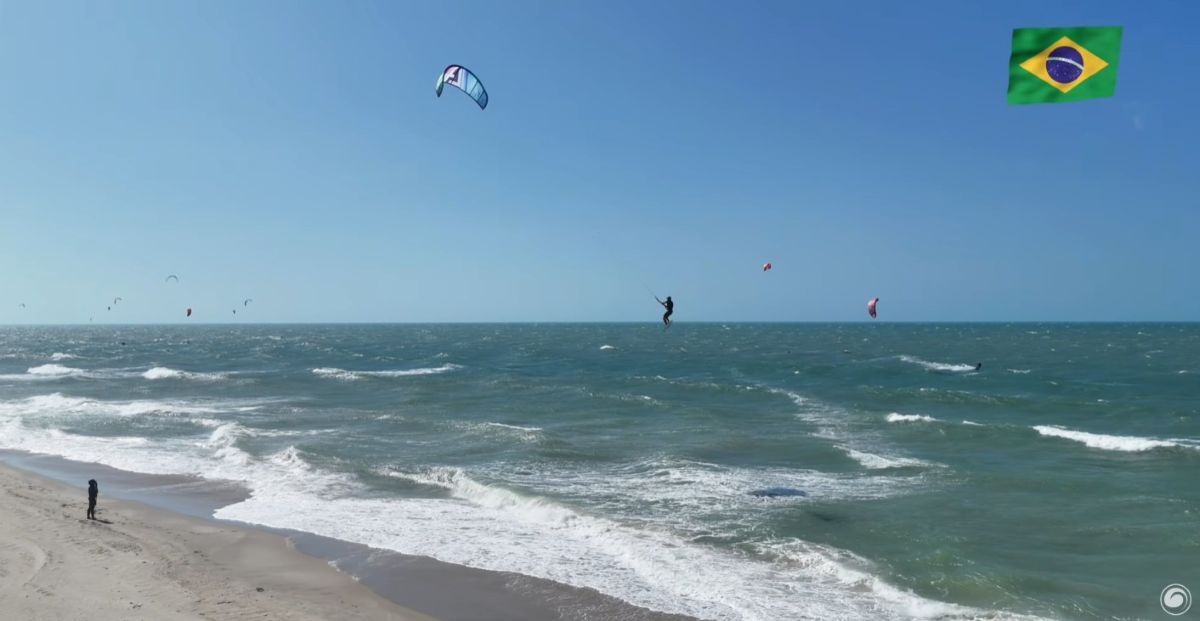
In Brazil, the reality is a little different. The wind is a lot warmer and thinner, so you can't gain as much height — it's actually really challenging to jump over 20m there. What Brazil gives up in density, though, it makes up for in consistency. The wind always comes from the same direction and is far more reliable, which makes it easier to progress through your tricks.
Wind Consistency
The Brazilian Brothers visited Cape Town in February and stayed for a full month, getting about five sessions. February is technically the tail end of the windy season, with December and January being the peak, but there was definitely less wind than expected. If you're booking a trip to Cape Town, it's highly recommended to stay for at least two to three weeks to guarantee you get a few sessions in: wind consistency isn't a guarantee.
That said, the sessions they did get in Cape Town were absolutely amazing — the kind of sessions you always dream of, with the strong southeaster, big kickers, and Table Mountain in the back. For pure hype and adrenaline, Cape Town definitely takes the cake.
In Brazil, you can close your eyes and pick a week between August and January, and you're guaranteed 25 knots every single day in the Prea area. You can't beat consistent 25-plus knots every day for four or five months out of the year.
Crowds
The crowds along the Blouberg stretch of Cape Town were shocking. From Dolphin Beach Hotel all the way down to Big Bay, there are literally thousands of kiters on the water on any given day, especially when the wind is a little lighter, between 25 and 30 knots. It's really difficult to kite in such crowded conditions because you have to stay constantly aware of your surroundings. People are jumping 20 to 30m consistently, and you definitely don't want to be downwind of them when they come down. On days when the wind nukes over 30 knots, or on back-to-back windy days, the lineup thins out, but in general Blouberg is packed. You have to stay on the lookout and check upwind during transitions to avoid getting tangled.
Brazil has definitely gotten busier in recent years too, especially in the lagoons. Guriu, Taiba, and Cauipe can be a mess with hundreds of people during high season. But there's a ton of open ocean water where you can easily find an empty spot for yourself. In the Prea area, you can regularly kite with no one around you. For a less crowded spot, Brazil wins.
Vibes and Things to Do
Cape Town has amazing vibes, and the people there actually reminded the brothers a lot of Brazil. The culture is phenomenal, there are a ton of places to eat, and there's plenty to do besides kitesurfing. It's an absolutely gorgeous city with beaches, mountains, and breathtaking scenery all stacked together.
Brazil is beautiful on its own, but you're more limited in the northeast in terms of things to do outside of kitesurfing. Most tourists who come to Brazil are die-hard kitesurfers who want to be on the water the whole time. There are still plenty of parties to be had in Jericoacoara, but if your focus is solely kitesurfing, Brazil will deliver. If you're looking to mix kitesurfing with other activities and more scenery variety, Cape Town is the way to go.
Gear Selection
If you're coming to Brazil between August and November and weigh around 170 pounds, the only two kite sizes you need are an 8m and a 10m. With 25 knots guaranteed every day, the 8m handles 30 knots, and the 10m handles anything under 30 knots, with the 8m being the size you use most often.
Cape Town calls for a different quiver. There were quite a few days of light wind, so a 12m is great for the 15 to 20-knot days. When the wind creeps up to 25 knots and approaches 30, you'll feel incredibly overpowered even on an 8m because the wind is so dense. The ideal Cape Town quiver is a 7m, 8m, and 12m: the 7m for days when it's absolutely nuking and you can't hold down the 8m, the 8m for 25 knots, and the 12m for 15 to 20 knots, which is a dream because the wind is so lifty—perfect for board-offs and rotations.
Summary
Cape Town and Brazil are both world-class kiteboarding destinations, but they offer very different experiences. Cape Town's Blouberg delivers the highest-adrenaline sessions on the planet—dense, cold, lifty wind that sends riders 30+m into the air, big groundswell kickers, and the dramatic backdrop of Table Mountain. The trade-offs are real, though: wind consistency isn't guaranteed (the Brazilian Brothers got just five sessions in a month-long February stay), the lineup is packed with thousands of kiters at peak times, and the dense wind plus big waves make it intimidating for riders trying to push past their current skill level.
Brazil's Prea is the opposite kind of magic. The wind is warmer and thinner — so jumps over 20m are rare — but it's bullet-consistent at 25+ knots every day from August through January. That reliability, combined with steady direction and uncrowded open ocean, makes northeast Brazil the better destination for progressing tricks, holding down smaller kites, and getting maximum time on the water. The flip side is that there's not as much to do off the water beyond kiting, while Cape Town pairs world-class sessions with a phenomenal city full of food, scenery, and adventure. For hype and big air, Cape Town. For consistency, progression, and pure kite time, Brazil. Pack the right quiver for either — 8m/10m for Brazil, 7m/8m/12m for Cape Town — and the rest will take care of itself.
MACkite Subscription Links:
YouTube | Instagram | Spotify Oddcasts
Contact MACkite Below:
800.622.4655 | Kiteboarder@MACkite.com | LIVE Chat Messenger
Recent Posts
-

Ride Engine Empax V3 Impact Vest Review
The Brazilian Brothers are back to bring you a product review of the brand-new Ride Engine Empax V …7th Oct 2026 -

Inside Brainchild Production: ProWeld Kite Technology
The Brazilian Brothers previously went through the digital printing process with Ralf Groesel, and …5th Oct 2026 -

Ride Engine Air Box Mini Review
The Brazilian Brothers are back to bring you a review of the brand new Ride Engine Air Box Mini. T …30th Sep 2026