
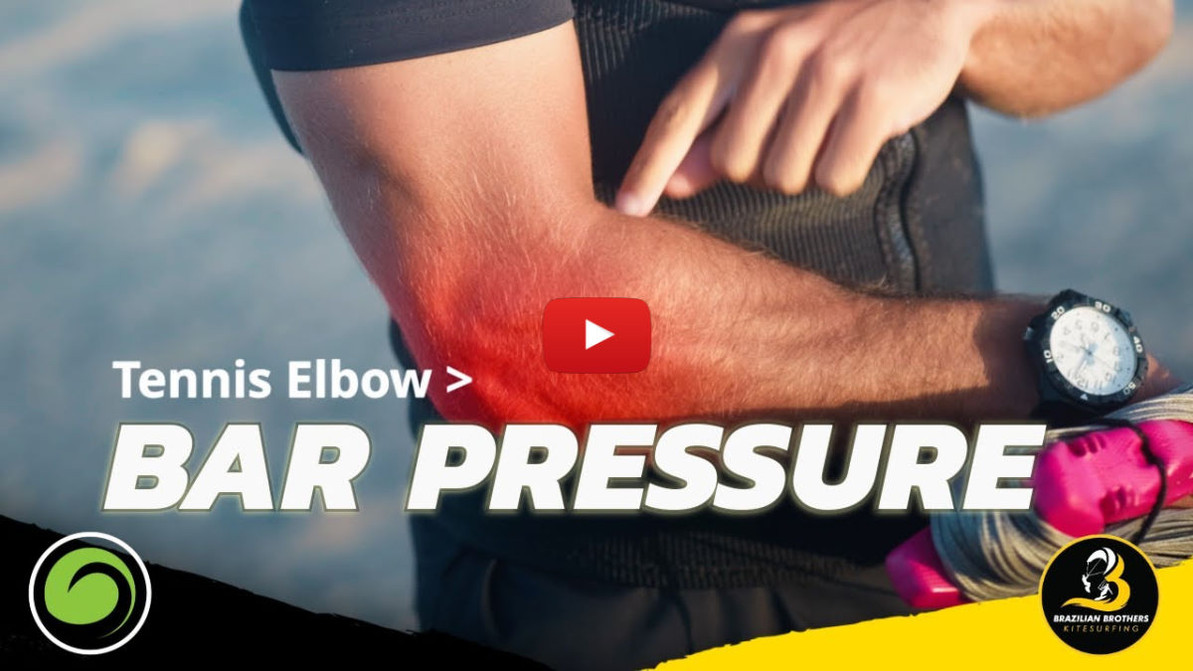
Kiteboarding Bar Pressure Explained: Should You Ride Light or Heavy?
When it comes to kiteboarding, some people prefer light bar pressure and others like a heavier pressure. But is it just a matter of preference, or is there another reason to choose one over the other? The Brazilian Brothers have some compelling arguments in favor of flying with less pull on your bar.
The Short Answer:
Bar pressure in kiteboarding is how much force you feel in the bar when steering and sheeting the kite. Most riders benefit from a lighter kite bar feel because it reduces fatigue, improves one-handed control, and helps prevent elbow injuries, though heavier pressure can provide better feedback for kite position.
Read on for details to help you decide which is right for you!
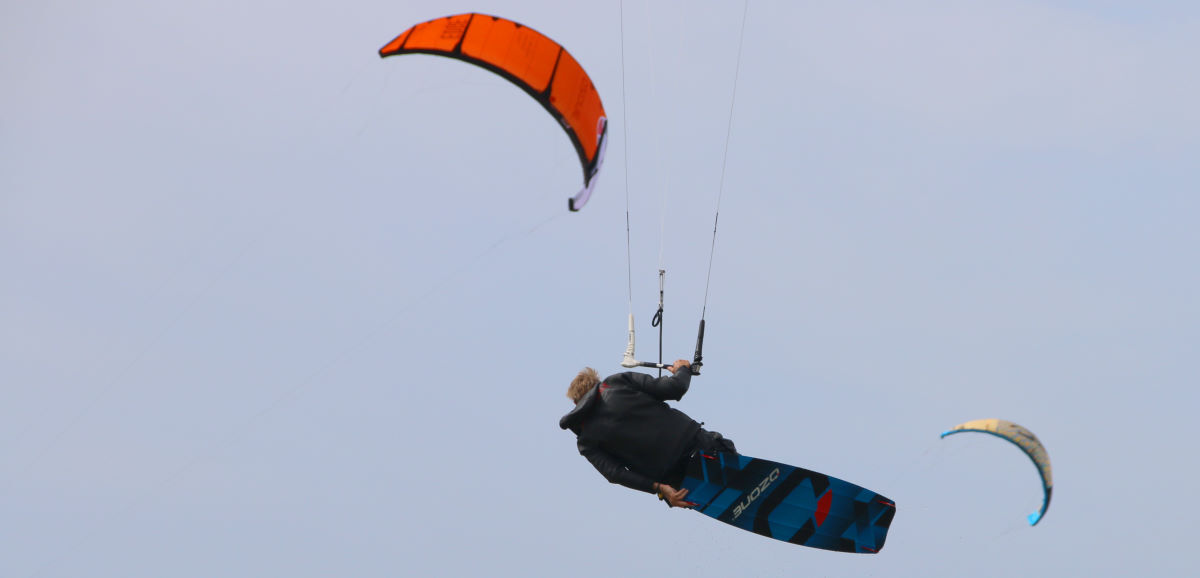
What Is Bar Pressure?
The amount of bar pressure you'll perceive while flying is really made up of two variables. The first is how much force it takes to sheet in, and the second is how hard you have to pull to steer the kite. Although they're different actions, they both contribute to how hard you'll be working to control the kite, which leads us into one of the reasons you should consider choosing a kite with a light vs. a heavy bar pressure.
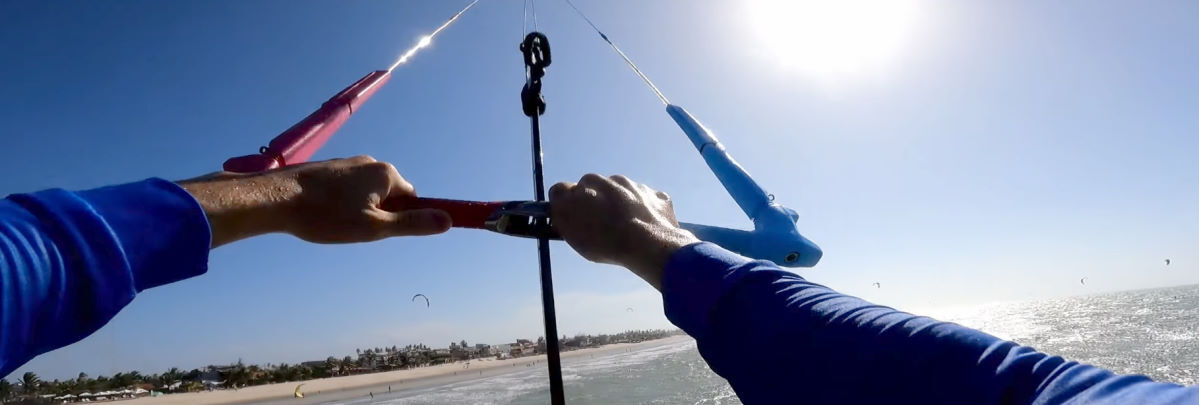
Should I Choose a Kite with Lighter Bar Pressure?
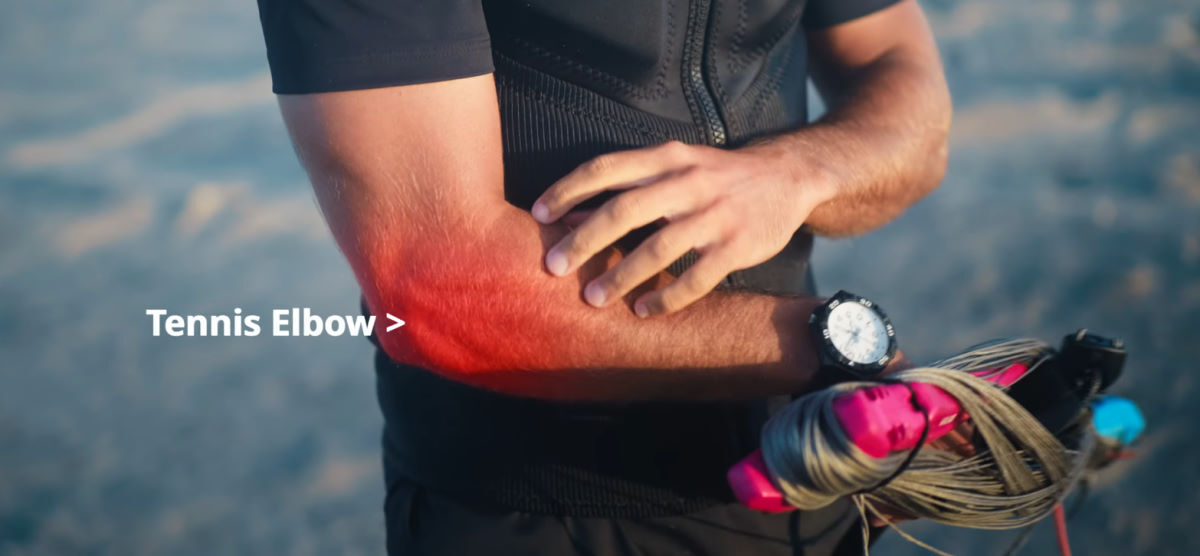
Yes, the Brazilian Brothers would recommend a lighter bar feel. Flying with too much kiteboarding bar pressure can cause injuries like tennis/golf elbow. If you develop this pain, it's going to make your sessions a lot less fun and contribute to fatigue. Be kind to your elbows and they'll reward you with longer, more enjoyable sessions.
Another good reason not to have too much bar pressure is that a kite that pulls like a truck feels intimidating. It's hard to get out there and try something new when your kite is making you nervous. Those powered-up sessions give you plenty of lift to learn new big air moves, but if you feel like your kite is the one in control, you're simply not going to have the confidence you need to go for it.
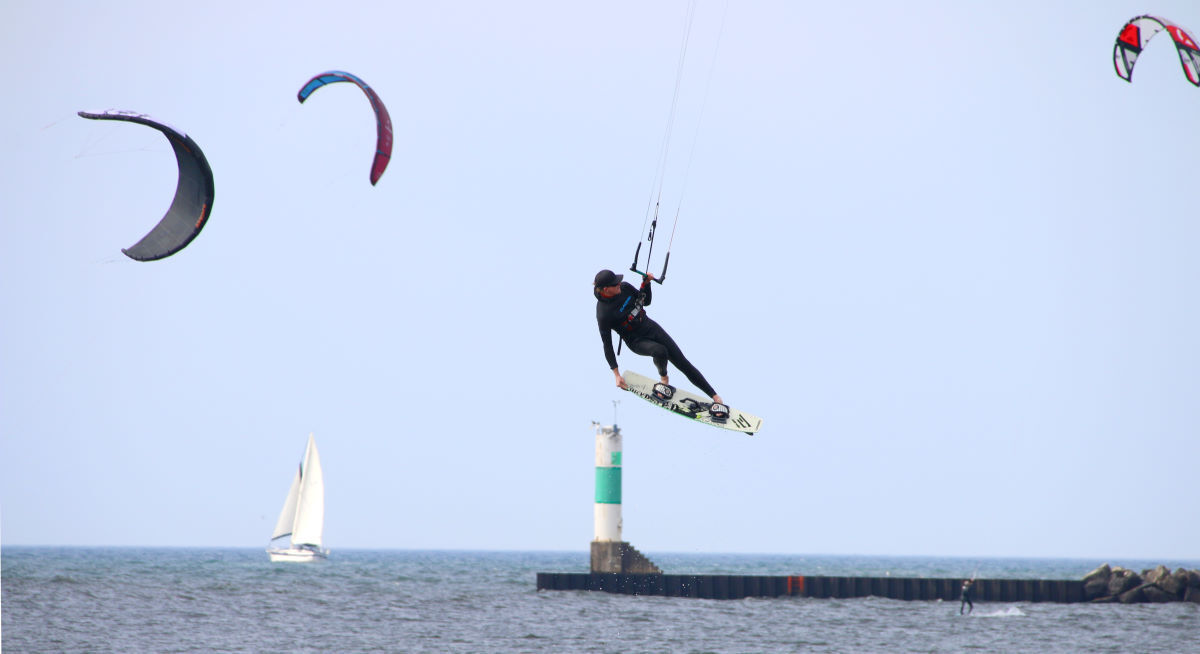
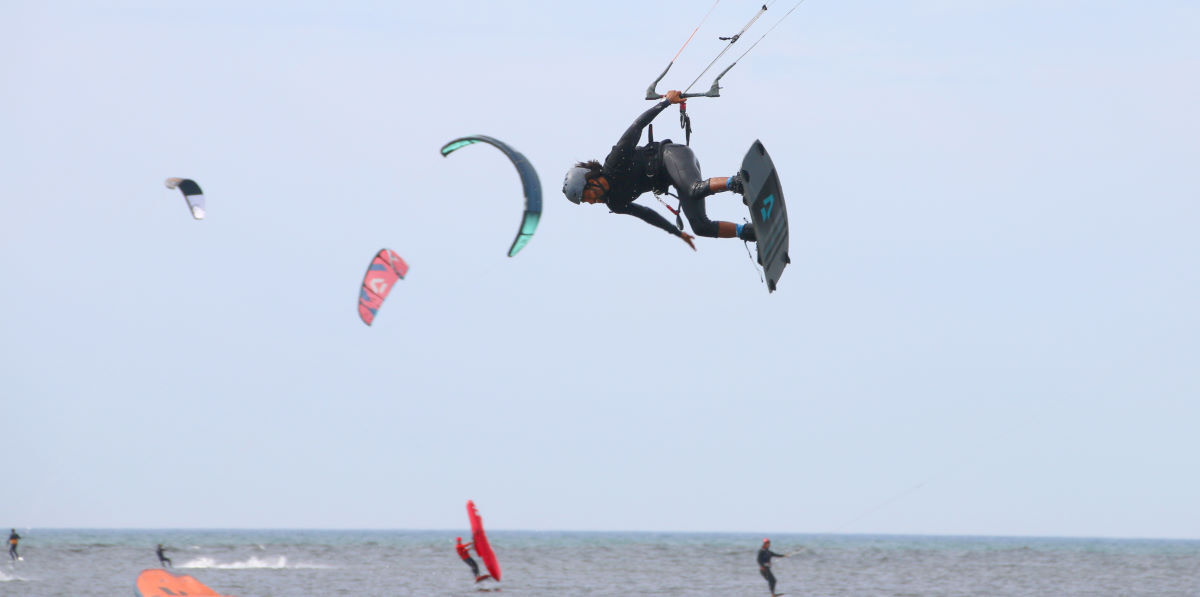
Once you are performing those snazzy board-offs, you'll need to be able to steer the kite with just one hand on the bar. And you guessed it- that's a lot easier with a lighter bar pressure.
When Is Heavier Bar Pressure Better?
Despite all the good reasons to choose a lighter bar pressure, there is a trade-off, as always. Perhaps the biggest reason riders lean toward more pressure is so that they always know where the kite is and what it's doing without having to watch it. If you're used to a kite with heavier bar pressure, it'll take some time to adjust to feeling where your kite is with less pressure.
You might also feel like you're a bit underpowered when you switch to lighter bar pressure. Without the feedback you're used to getting from the bar, a kite will feel less grunty even when you've actually got plenty of power. Stick with it, though, and you'll adjust to the new feel and begin to reap the benefits of that lighter pressure.
Which Kiteboarding Kites Have Light Bar Pressure?
Some kites start out with light pressure, then get heavier as the wind ramps up, while others stay quite light even in nuking conditions.The Brothers' favorite kites are ones that keep a light feel throughout their wind range. They love to throw big loops, and kites with less bar pressure make that more comfortable. Some examples are:
- Harlem Thrive
- Cabrinha Nitro
- Duotone Evo D/LAB
- F-One Trigger Brainchild
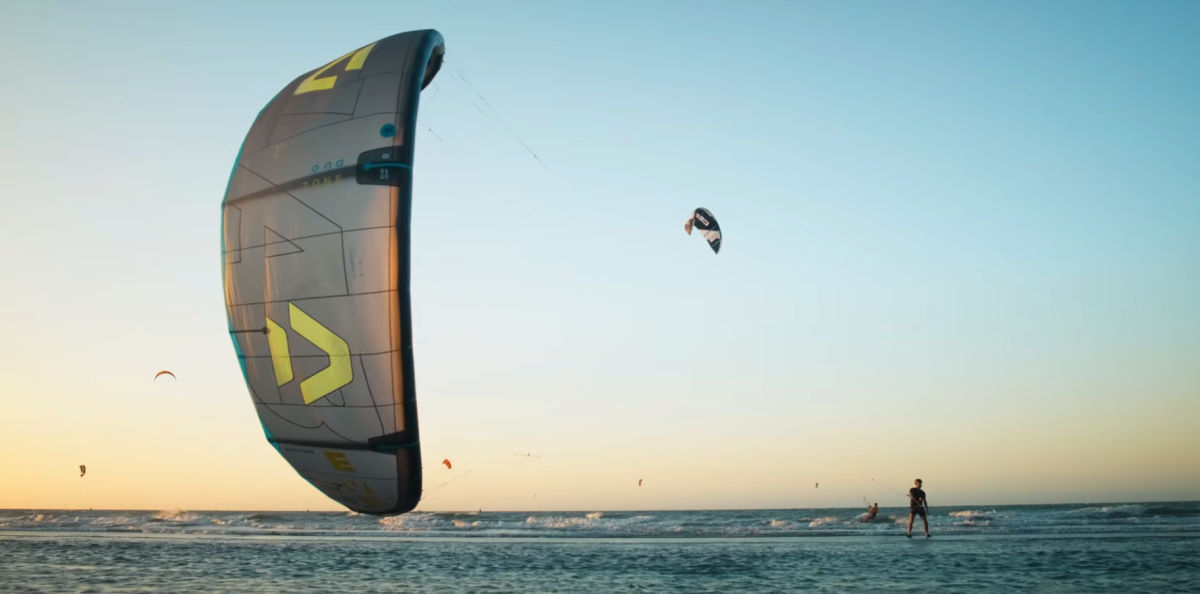
The Slingshot NXT is a kite that starts with very light pressure in moderate wind conditions but starts to pull harder as the wind picks up.
Can I Adjust My Existing Kite to Have Less Bar Pressure?
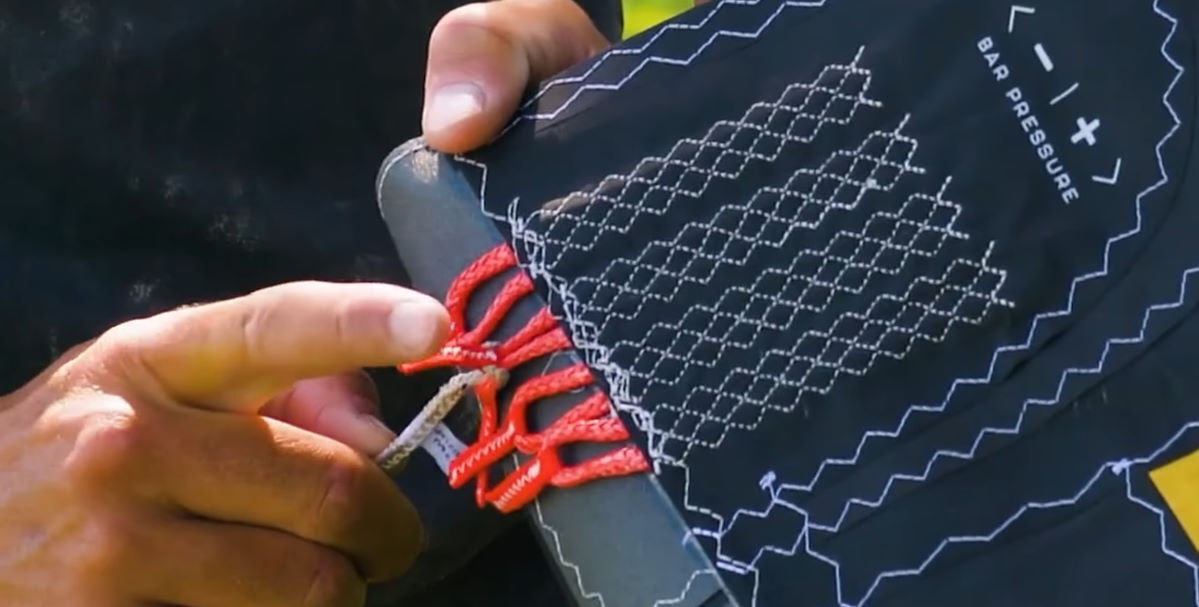
If there is more than one line attachment point on the wingtips of your kite, then yes, you can change the bar pressure. It should be labeled, but typically moving your lines further toward the wingtip is going to give you a lighter bar pressure. This also slightly increases the turning speed of your kite, making kiteloops a bit easier. It's hard to imagine that settings which sit so close together on such a large kite could have much effect, but try it out and you'll feel the difference.
Is Light or Heavy Bar Pressure Better for Beginners?
Light pressure is usually better because it reduces fatigue and makes learning easier, but beginners may initially prefer more feedback. The Brazilian Brothers are convinced you'll come out ahead if you give light bar pressure a chance. You'll adjust to feeling where the kite is over the course of a few sessions while enjoying less fatigue, fewer elbow injuries, better one-handed control, and the confidence to progress your big air game.
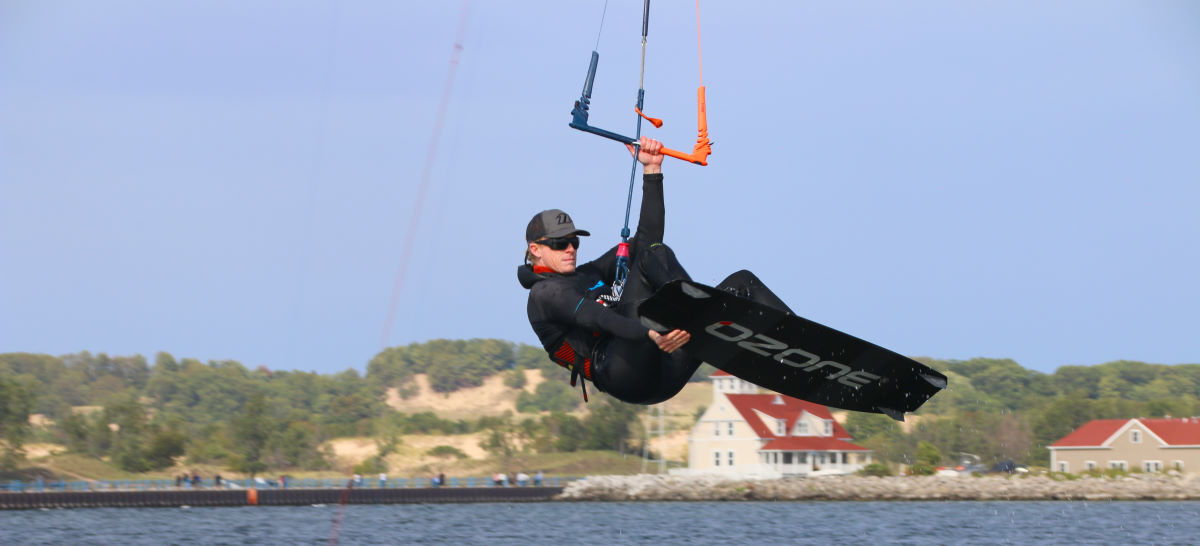
| Feature | Light Bar Pressure | Heavy Bar Pressure |
|---|---|---|
| Fatigue | Low | High |
| Feedback | Lower | Strong |
| One-Handed Riding | Easier | Harder |
| Injury Risk | Lower | Higher |
MACkite Subscription Links:
YouTube | Instagram | Spotify Oddcasts
Contact MACkite Below:
800.622.4655 | Kiteboarder@MACkite.com | LIVE Chat Messenger
Recent Posts
-

2026 Cabrinha Unify Control Bar Review
The Brazilian Brothers are in windy Brazil to provide a thorough review of the brand-new 2026 Cabr …23rd Oct 2026 -
Naish Hatch V2 Parawing Overview
Jeff takes a few minutes out from the KoGL event to chat with Adam Carr from Naish about the Hatch …22nd Oct 2026 -
Flysurfer Soul 4 vs Sonic 5: Which Kite is for You?
Jeff is on the beach at KoGL with Marie-Eve from Flysurfer to discuss the growing excitement surro …20th Oct 2026