
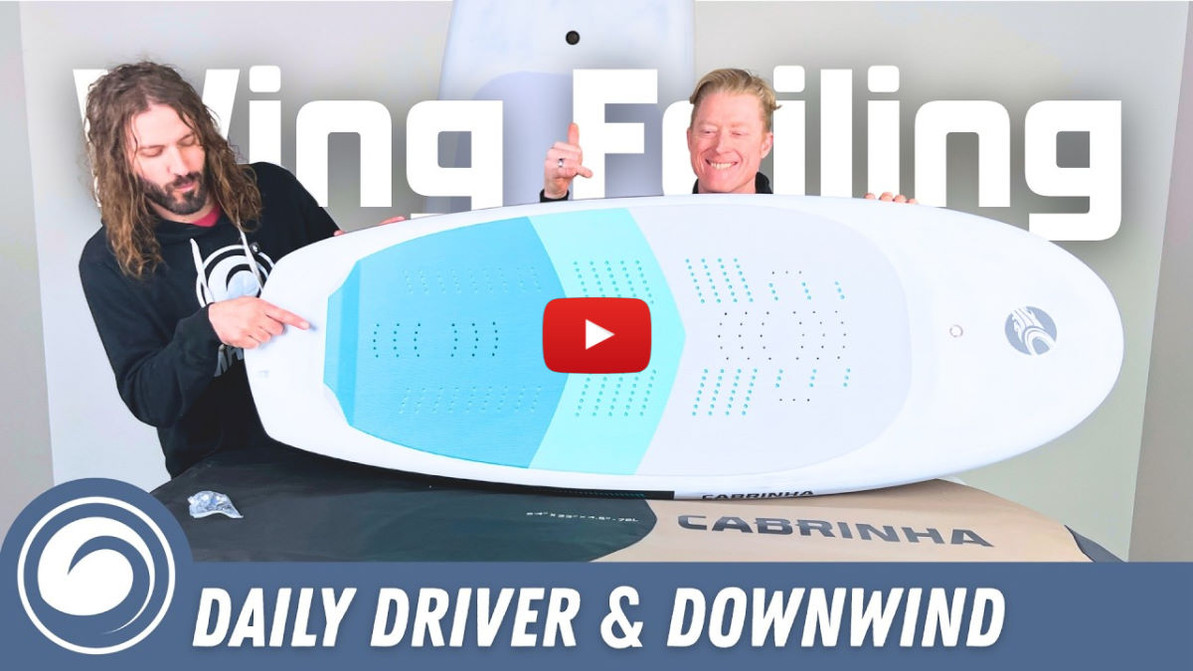
2026 Cabrinha Quest Downwind vs. Code Foilboards | First Look and Key Differences
When Cabrinha drops new boards, it's always worth paying attention, but this year is especially interesting. For 2026, Cabrinha is covering both ends of the spectrum with an all-new board and a returning, but refined favorite. The Quest is their first dedicated downwind board, and the Code is their do-it-all winging platform.
Tucker and Jeff from MACkite got an early look at both. While they're waiting for the lake to warm up a bit before heading out to get a full review, the direction is already clear: cleaner shapes, smarter volume distribution, and boards that perform with simple, but effective, design.
2026 Cabrinha Quest Downwind Foilboard | Clean Shape, Pure Glide
First Impressions: Simple, Light, and Dialed
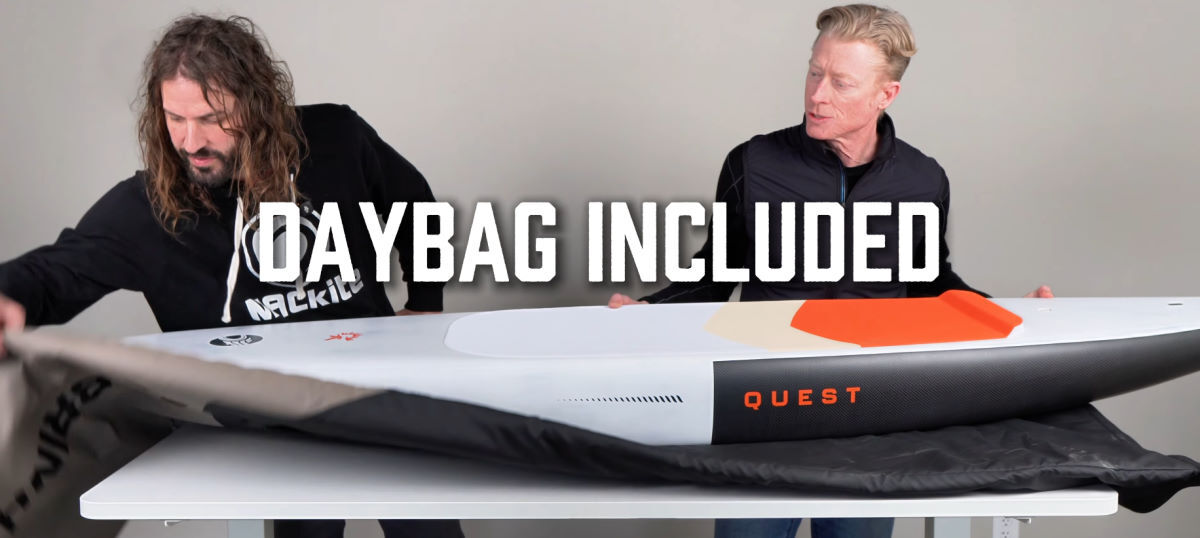
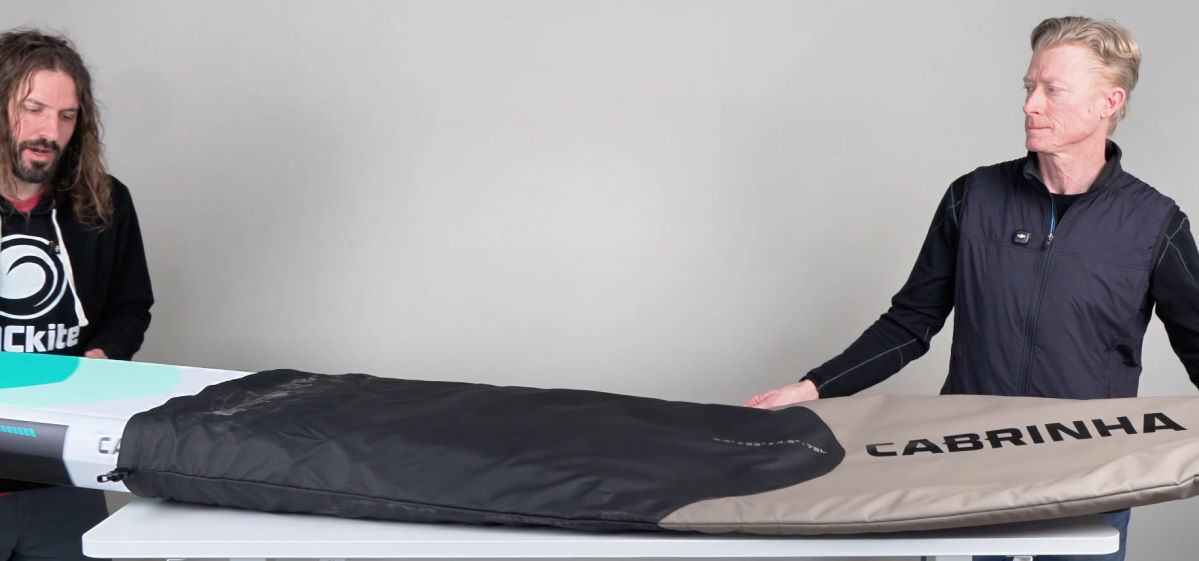
Right out of the box, the Quest sets the tone. It ships with a well-fitted daybag (no more guesswork on sizing), complete with a mast opening so you can keep your foil mounted and still protect the board. It's a thoughtful touch that makes setup and transport way easier.
On first look, the board feels:
- Light for its size
- Clean and understated
- Built with purpose
No gimmicks, just a shape that looks ready to glide.
Deck Layout and Setup
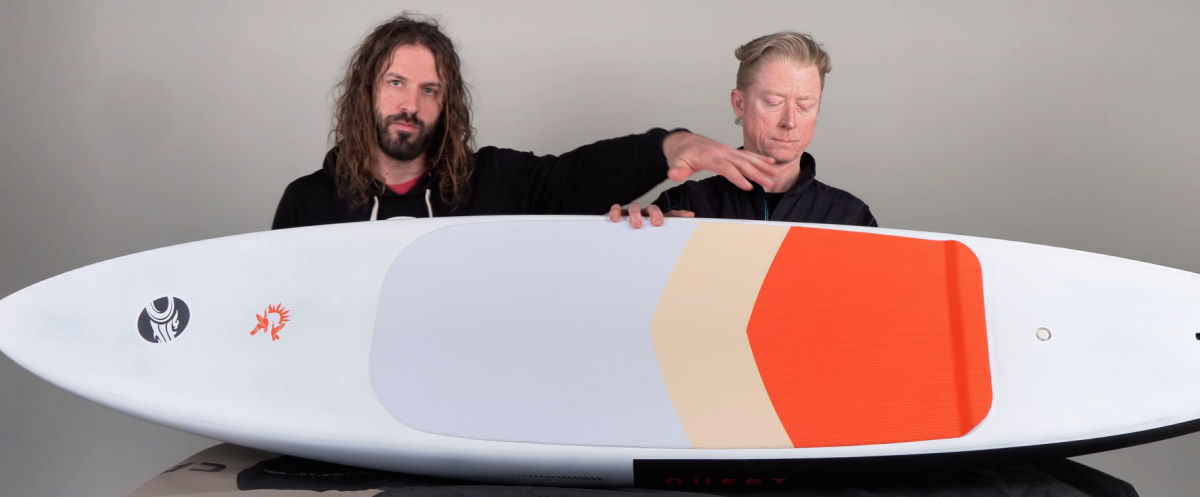
The corduroy traction pad is split into clear zones:
- Center zone to line you up over the foil
- Rear zone to cue your back foot
It's simple, but it works, especially when you're getting up and finding balance.
There's also an auto Gore-Tex vent plug, so you don't need to think about pressure changes. Set it and forget it.
Dimensions and Volume
- 7'6" x 18.5" x 6"
- 105L
The standout here is the thickness. With no recessed cockpit, you're standing high above the water on a lot of volume. That can feel tippy, but Cabrinha balances it out with the rail design.
Rail Design: Stability Built In
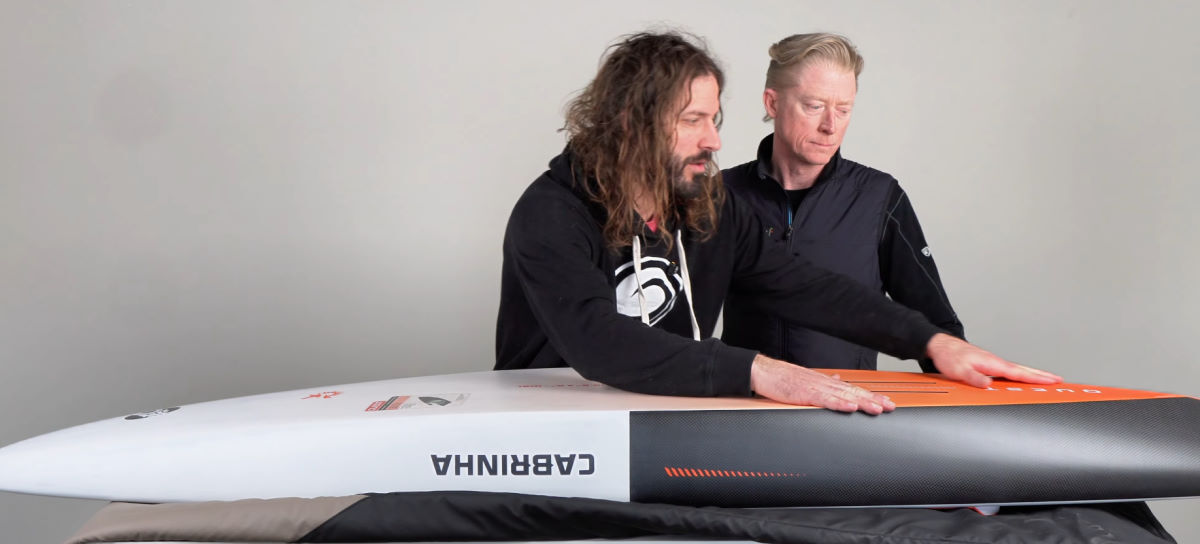
The Quest uses full, boxy rails with hard edges running most of the board's length, softening only near the nose. That added volume in the rails helps stabilize the board—especially important when you're standing high on a narrow platform. It's a subtle but smart move that makes the board more approachable without sacrificing efficiency.
Rocker & Outline
Everything about the Quest is restrained (in a good way):
- Low entry rocker for efficient glide
- Smooth nose recovery on touchdowns
- Clean, slightly V'd tail
No extreme curves or experimental ideas, just a proven downwind shape that should get up to speed easily and recover cleanly.
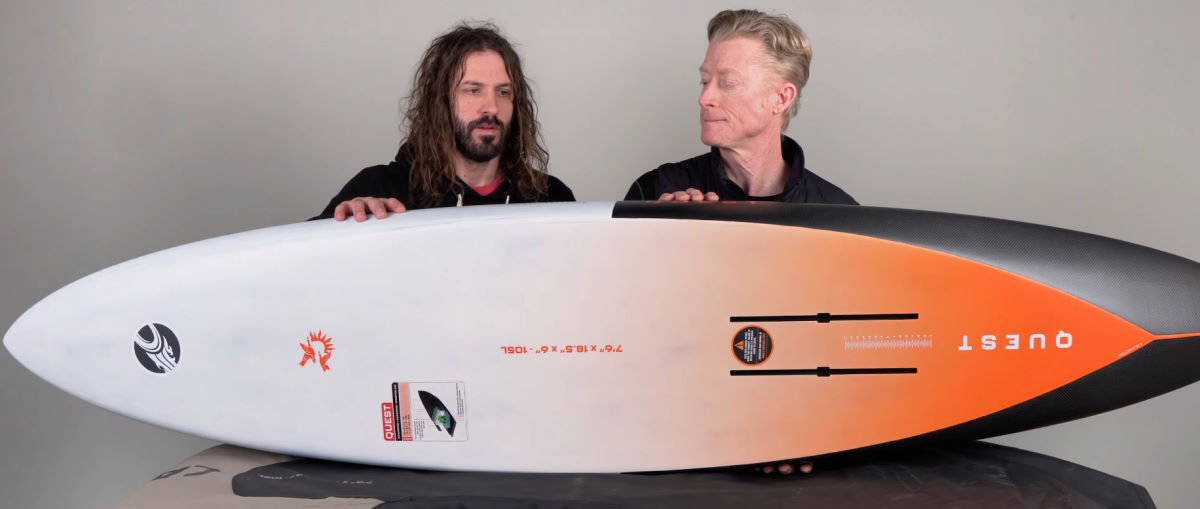
Build & Details
- Slightly lighter than average for its class
- Subtle exposed carbon on rails and logo
- Clean, premium finish
It also includes mounting hardware (just don't miss it- it's attached to the nose packaging, not tucked into the board).
Quest Early Take
This is Cabrinha's first downwind board, but it doesn't feel like a first attempt. It's refined, balanced, and intentionally simple. It's a board designed to just work for downwind paddling and light wind winging without overcomplicating things.
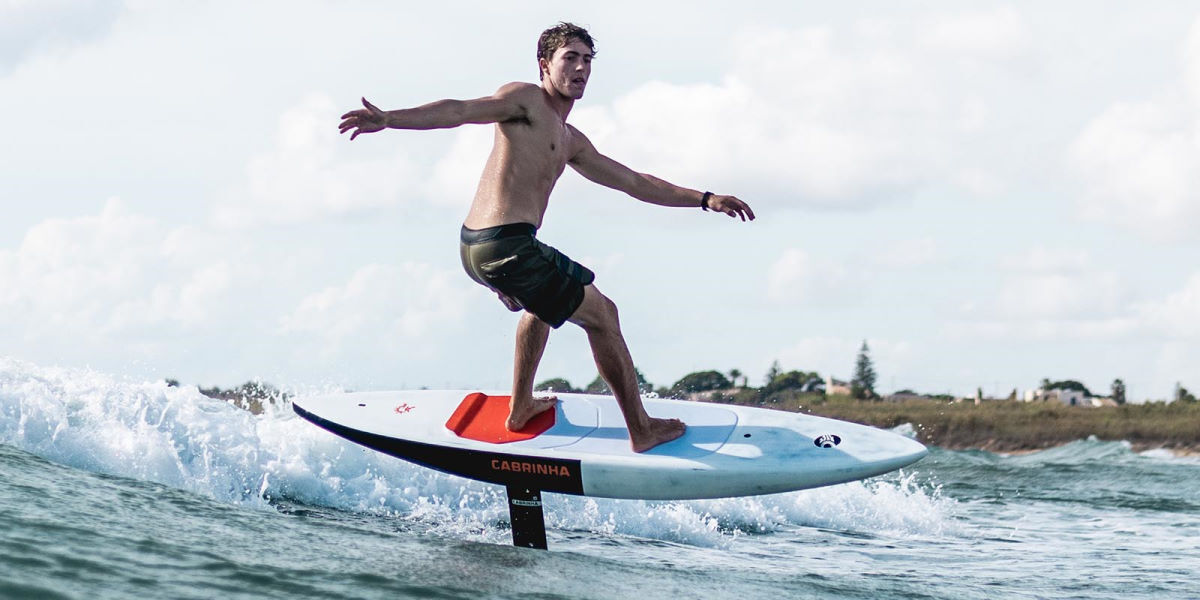
2026 Cabrinha Code Foilboard | The Everyday Driver, Refined
A Familiar Name, Evolved Shape
The Code has been a go-to for a lot of riders, and for good reason. For 2026, Cabrinha keeps the same concept but updates the shape:
- Slightly longer
- Slightly narrower
- Still relatively thin for its volume
For example, the 78L at 5'4" x 23" x 4.5" lands right between a compact board and a mid-length, blending stability with glide.
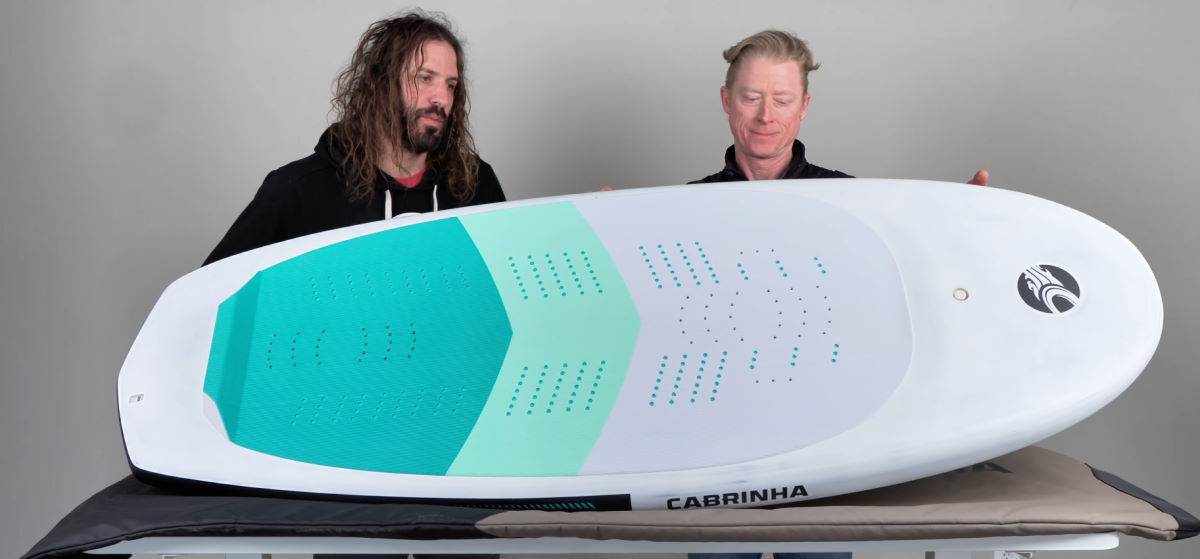
One Board That Does It All
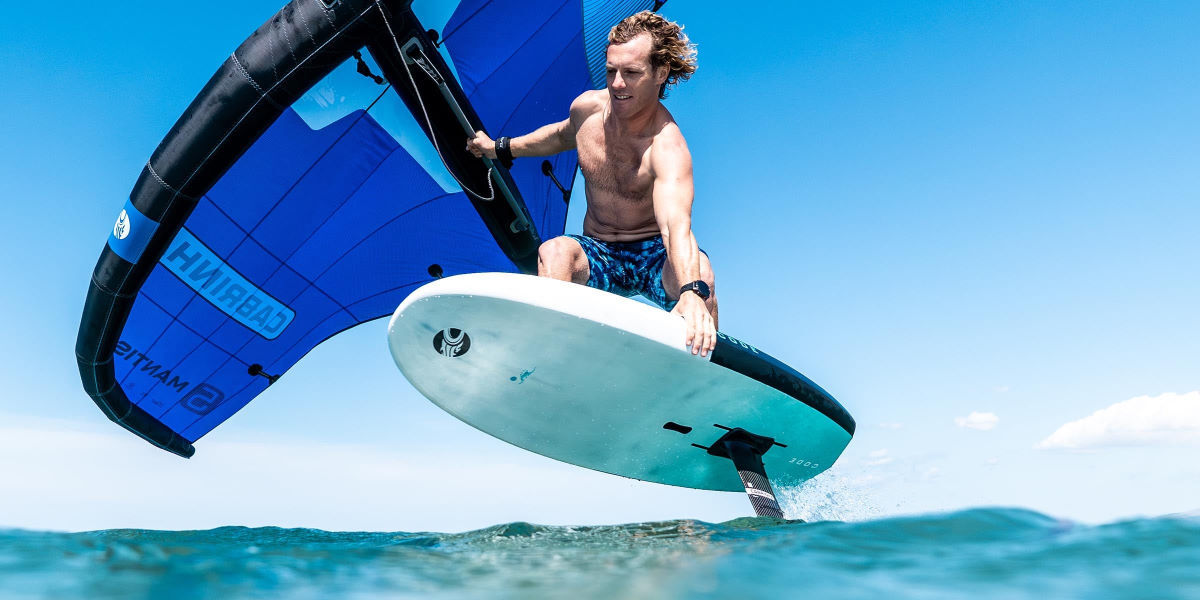
The Code is built for versatility. You can:
- Learn on it
- Freeride and cruise
- Ride waves
- Progress into jumps and freestyle
It's designed for the conditions most people actually ride in: mid to upper wind.
Tail & Efficiency Updates
The tail has been simplified for better performance. For 2026 there's no kicktail or extra shaping, just a clean planing surface that uses the full board length to get you up on foil efficiently. This results in:
- Earlier lift
- Less drag
- More predictable takeoffs
- Rails & Ride Feel
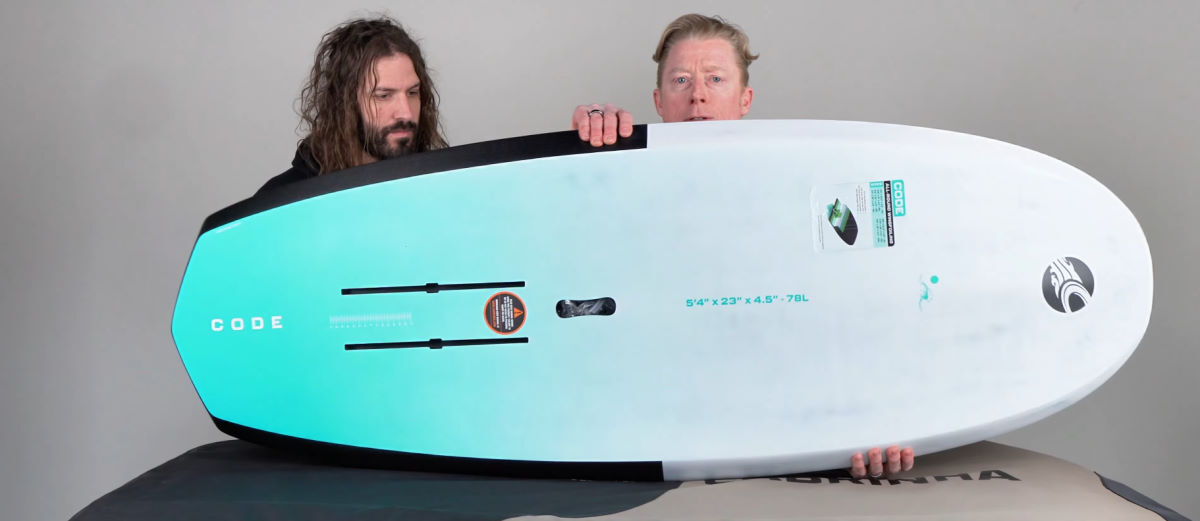
The Code also features hard rails running nearly nose to tail, which:
- Improves tracking and drive
- Helps build speed in lighter wind
- Adds grip when powered
It does make the board feel a bit more locked in, but for most riders, that translates to confidence rather than limitation.
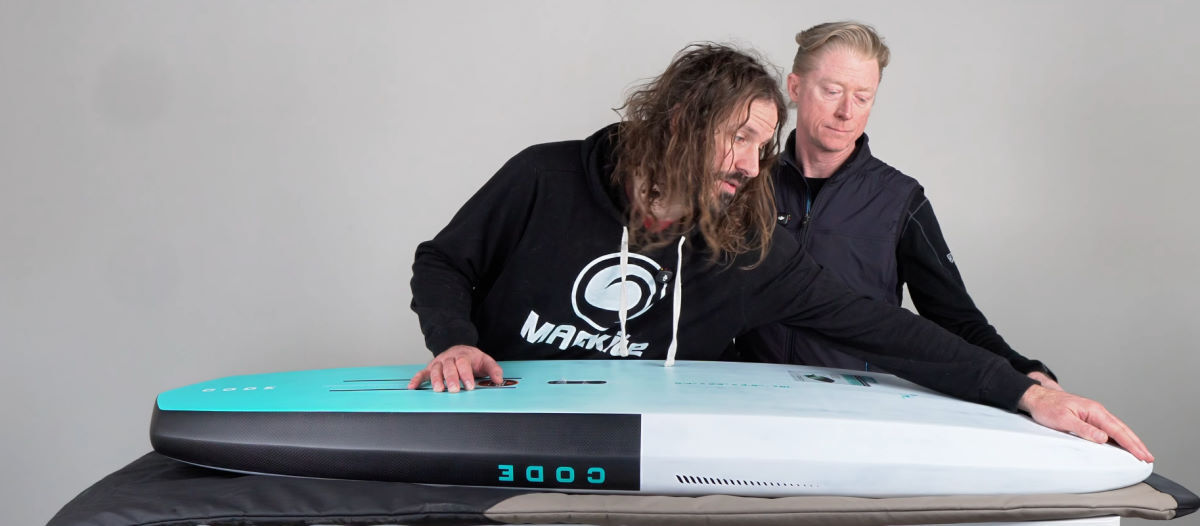
Bottom Shape & Touchdowns
A subtle concave in the nose blends into a flatter tail, helping:
- Smooth out chop
- Recover from touchdowns
- Keep things predictable
Deck Layout & Comfort
- Light elliptical cockpit (not too deep)
- Extra nose volume to prevent pearling
- Full traction pad with clear foot placement zones
You can start and ride from a more centered stance without constantly worrying about burying the nose.
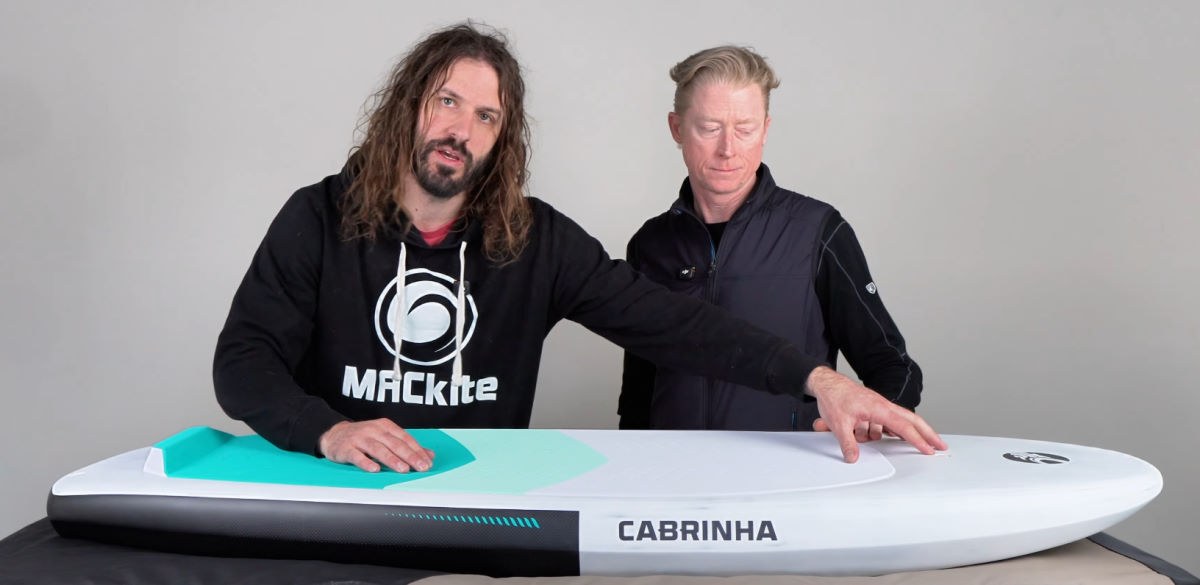
Strap Options
The Code offers a wide range of strap configurations:
- Centerline
- Offset
- V-strap
- Radial positioning
It's a great platform to grow into, especially once you start pushing into jumping or more aggressive riding.
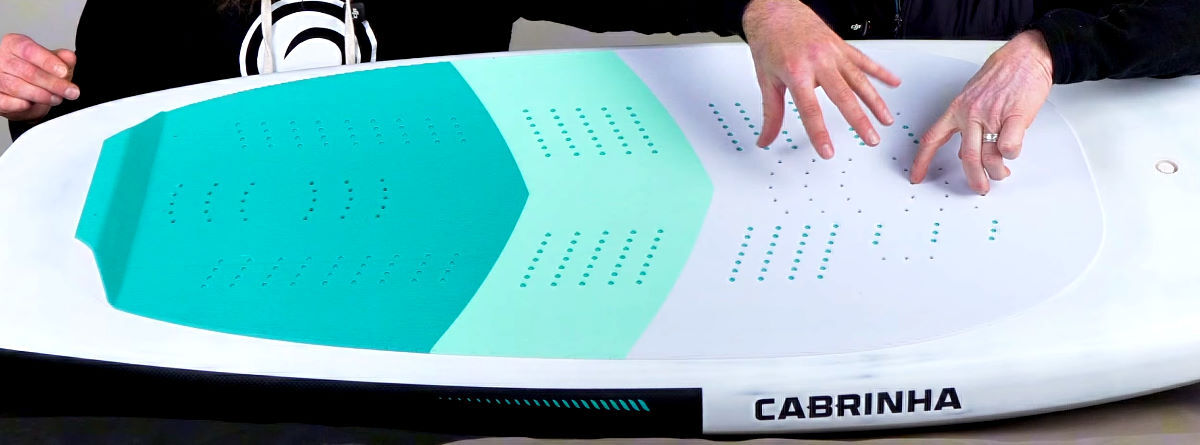
Build & Extras
- Auto vent plug
- Includes fitted daybag
- Mounting hardware included
Construction feels solid and refined, balancing durability with weight.
Code Bottom Line
The Code keeps its reputation as an easy, progression-friendly board, but now with a bit more glide and a sleeker feel. It's the kind of board you can:
- Learn on
- Then size down and keep progressing
- Keep riding for seasons
Quest vs Code | Which One Should You Choose?
Go with the Quest if you want:
- Dedicated downwind paddling performance
- Maximum glide and efficiency
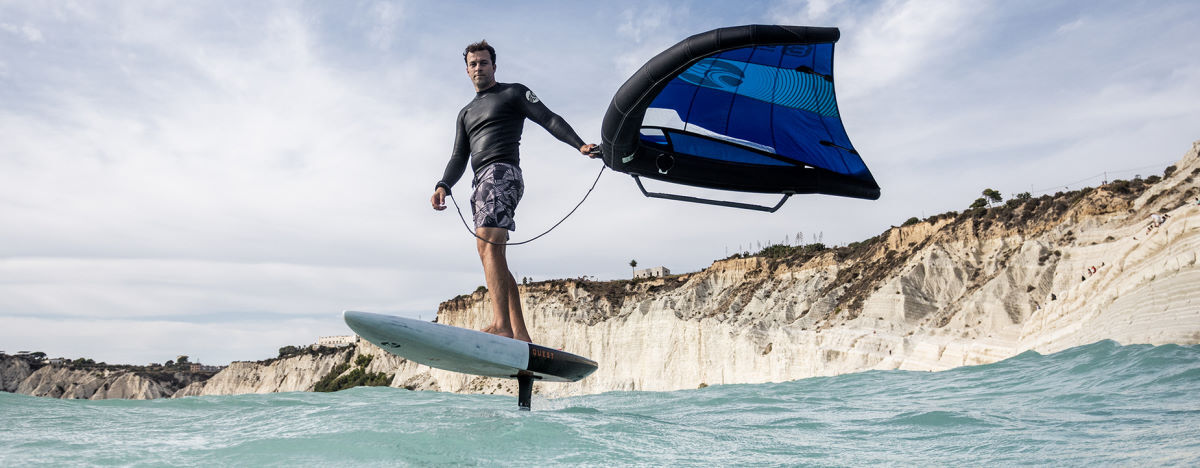
- A board for light wind winging
- A longer, narrower platform
Go with the Code if you want:
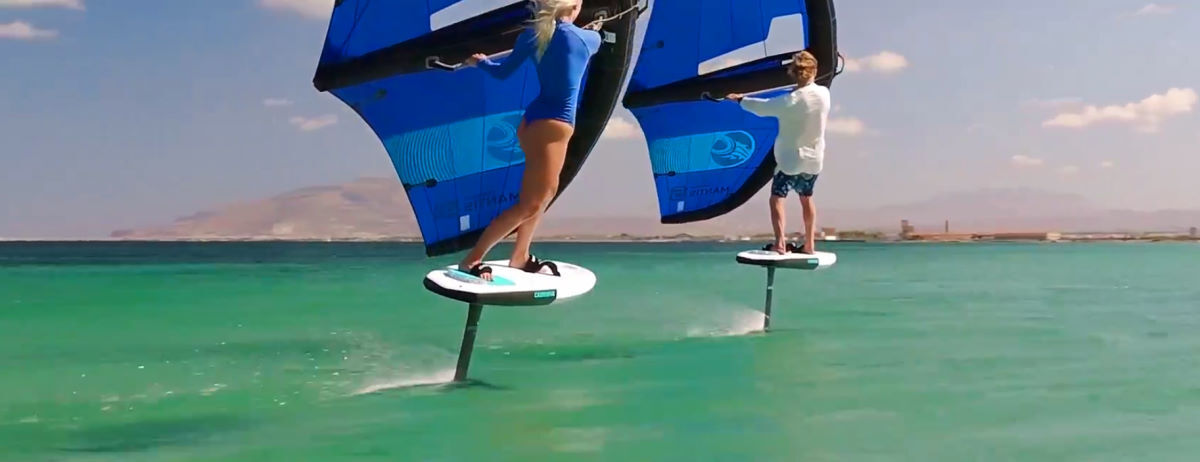
- A true all-around wing foilboard
- Something to learn and progress on
- A board for mid to high wind conditions
- Versatility across freeride, waves, and freestyle
Final Thoughts
Cabrinha continues to improve their lineup without going overboard, with some fun options for 2026.
- The Quest is purpose-built and efficient
- The Code is versatile and dependable
Between the two, you've got a really solid quiver, whether you're chasing long glides or just getting out for a fun session after work. Once the lake temps rise a bit, we'll be excited to get these on the water and bring back a full review, so stay tuned!
MACkite Subscription Links:
YouTube | Instagram | Spotify Oddcasts
Contact MACkite Below:
800.622.4655 | Kiteboarder@MACkite.com | LIVE Chat Messenger

Recent Posts
-

2026 Duotone Rebel D/LAB Review: 30-Knot Test
The Brazilian Brothers are ready to provide honest feedback on the 2026 Rebel D/LAB by Duotone. Th …13th Oct 2026 -

2026 Duotone Jaime SLS Kiteboard Review
The Brazilian Brothers are back to bring you another product review. Today, their focus is on the …13th Oct 2026 -
Manera Pocket Wing Belt Overview
Jeff met up with Billy Ackerman from F-One on the beach at the KoGL Test Fest to take a look at th …9th Oct 2026