
Using the Foil Drive to Learn Pumping
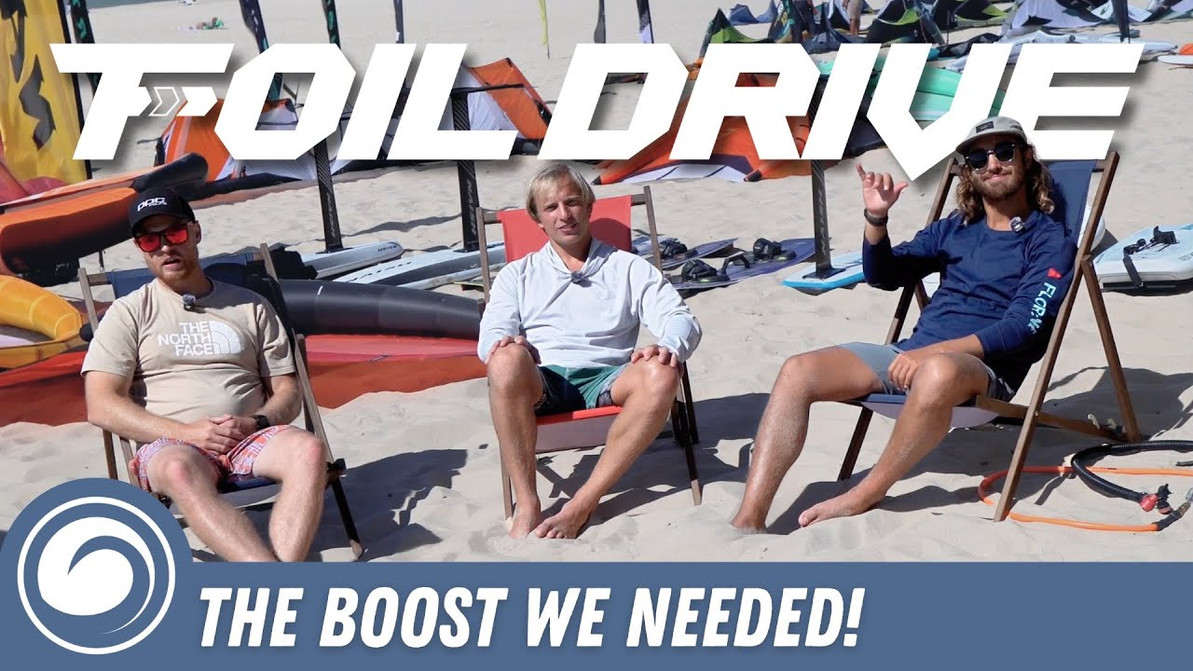
Ryan sat down with Hunter and Ryan from Foil Drive to talk about the Foil Drive and how it can be used to learn pumping and improve existing pumping skills: a use case people might not think about when they first get a Foil Drive.
Instant Repetition and Easy Restarts
The biggest thing is that if you fall, you get right back up and practice again. When dock starting, you go out pretty far, mess up, and then have to swim on a small board all the way back. It's a long, tiring, sad swim home. With the Foil Drive, if you fall while pumping, you can get right back up and start pumping again no matter where you are in the water, and you can get back to shore much more easily than if you make a mistake off the dock.
Skipping the Technical Dock Start
Dock starting is pretty technical. Even for experienced riders, the "make ratio" can be under 50% unless the setup is really dialed in. Every time you fall, you have to swim back to the dock, flip the board over, and climb back up. Committing to jumping onto a foil is daunting, especially if you've never really foiled before — you have to get your feet perfectly balanced every time you hop on.
With the Foil Drive, you can stay motoring the whole time. You just get going, shuffle back a little to get more leverage and get high, and as soon as you drop lower, you can re-engage the motor and grind out more reps. There's no need to swim back and reset everything. One of the big advantages over dock starting is that you're already up on the board and balanced before you even start pumping.
Staying High on the Mast
The key to pumping is staying high on the mast and being efficient. That's the biggest issue most people have with pumping: they have speed, they pump, they get lower and lower, and as soon as the board hits the water, they're toast. Having the pod closer to the board on the Foil Drive forces you to stay high on the mast.
If you keep the motor running, you'll hear it catch the water on each pump if you drop too low. That auditory indicator tells you you're getting low and need to climb back up. It's a constant feedback loop, and you really gain a feel for exactly how high you are. Most people don't get as high as they could because they don't realize how much mast they have to work with.
Re-engaging the Motor and Taking Breaks
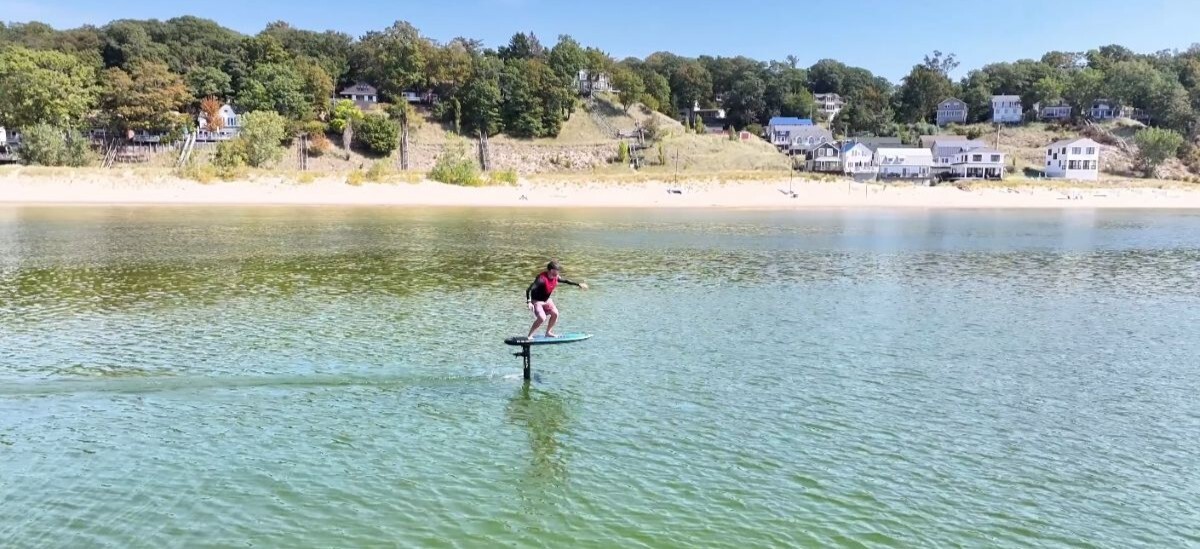
You don't even necessarily have to fall with the Foil Drive to restart and start pumping again. Sometimes you just come down to the motor, motor out of it, and within seconds you're back up and pumping again rather than falling and restarting. You get a lot more reps in.
Pumping is also tiring — probably the most tiring form of foiling. With the Foil Drive, re-engaging the motor becomes your break. If you're worn out, you can just drop back to motoring, eFoil around for a bit, and then go right back up once you've caught your breath. It stacks constant reps while saving you from huffing and puffing your way back to the dock.
Isolating the Pumping Motion
Winging with pumping is a good way to learn, but the conditions you're typically winging in have bumpy water or other variables affecting the foil. It's harder to isolate the pumping motion, especially with a wing in your hands and more going on. With the Foil Drive, you can focus on that one thing: shuffling back, getting high, and pumping.
The "Ollie Up" Technique
When getting ready to drop into the pump position, give it a little extra gas for a speed boost to help with the ollie up. That extra speed makes it easier to ollie up off the motor without falling. You don't necessarily need to move your feet — just shift your weight forward as you give it the boost, then shift back when you come off the motor. That combination puts your feet a lot closer to where they need to be toward the back of the board.
Learning the Pop-Up Above the Motor
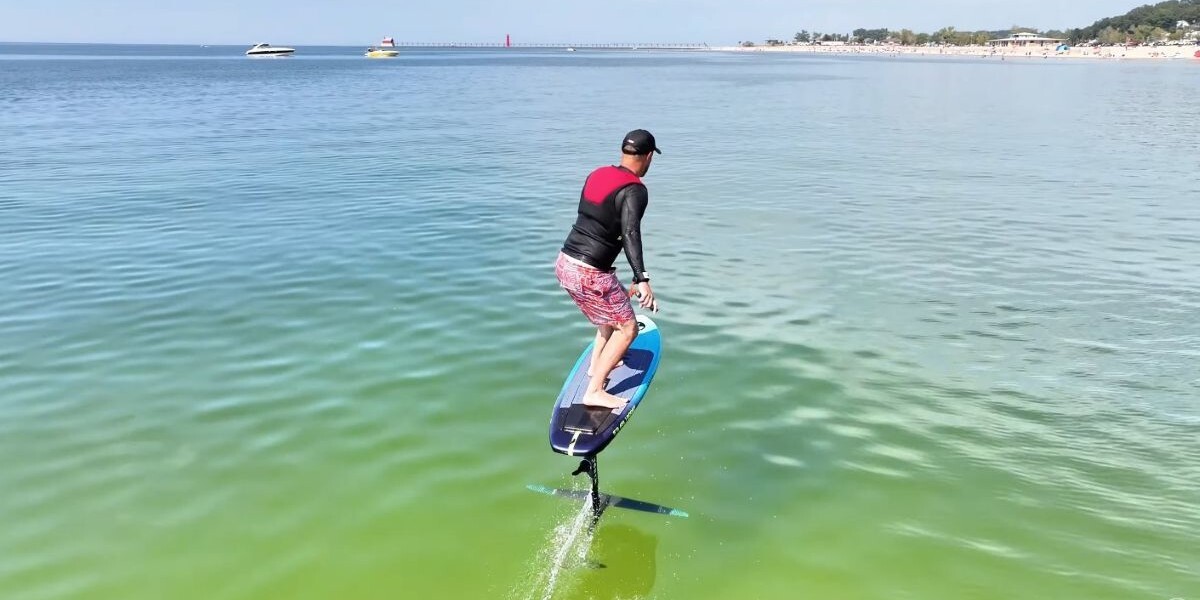
When learning, it helps to get off the motor, do a couple of glides, touch the motor back down, and take off again. Working on the pop-up above the motor is one of the biggest learning curves to pumping with Foil Drive. Nailing that initial pop-up dials in your gliding, and once you're comfortable touching the motor back down between glides, you can start fitting in a few pumps.
If you only get a half pop-up and don't get really high on the mast, you'll dip the motor into the water as soon as you go to pump. If you can get the foil really high on the mast just by learning how to pop up and glide, that's your potential energy — the more you can stay high, the more room you have to sink with each pump. That same motion of kicking the foil up and getting high carries over to wave riding, downwinding, and any other Foil Drive technique.
Extending Your Session
Pumping also extends a session because it doesn't burn as much battery, opening the door to little adventures — riding along huge rock cliffs at a National Park, for example. If one rider is on a slim battery and a partner is on a max battery, the slim-battery rider has to be more careful with their charge. Pumping most of the time conserves battery and lets you go a lot further than if you were just motoring around.
Pod Placement
Where the pod is mounted really affects how easy it is to pump. Even for an experienced rider, a pod at 25cm (one of the lower settings down from the board) leaves a much smaller window of glide before the pod interferes than at 15cm. For most people, 20cm is the most popular. For riders with the luxury of an extra motor cable who want to ride waves or pump, 15cm is much easier — it gives way more wiggle room to glide. With the pod lower down, the margin for error is smaller.
MACkite Subscription Links:
YouTube | Instagram | Spotify Oddcasts
Contact MACkite Below:
800.622.4655 | Kiteboarder@MACkite.com | LIVE Chat Messenger
Recent Posts
-

2026 Cabrinha Unify Control Bar Review
The Brazilian Brothers are in windy Brazil to provide a thorough review of the brand-new 2026 Cabr …23rd Oct 2026 -
Naish Hatch V2 Parawing Overview
Jeff takes a few minutes out from the KoGL event to chat with Adam Carr from Naish about the Hatch …22nd Oct 2026 -
Flysurfer Soul 4 vs Sonic 5: Which Kite is for You?
Jeff is on the beach at KoGL with Marie-Eve from Flysurfer to discuss the growing excitement surro …20th Oct 2026