
Parawing Safety Tips - Learn from Jeff's Mistakes
And now it's time for a PSA about parawing safety, brought to you by Tucker and Jeff.
Are you an experienced winger? Were you raised in the water like a tadpole and you feel completely comfortable on a board? Are the waves your happy place? Have you decided to pick up a parawing so you can ride the swell hands-free? Great!
And did you remember to wear your vest? No? Well, you don't wear one while you're winging, and a parawing is pretty much the same thing, right? That's what Jeff thought, and then something went wrong.
What Happened to Jeff?
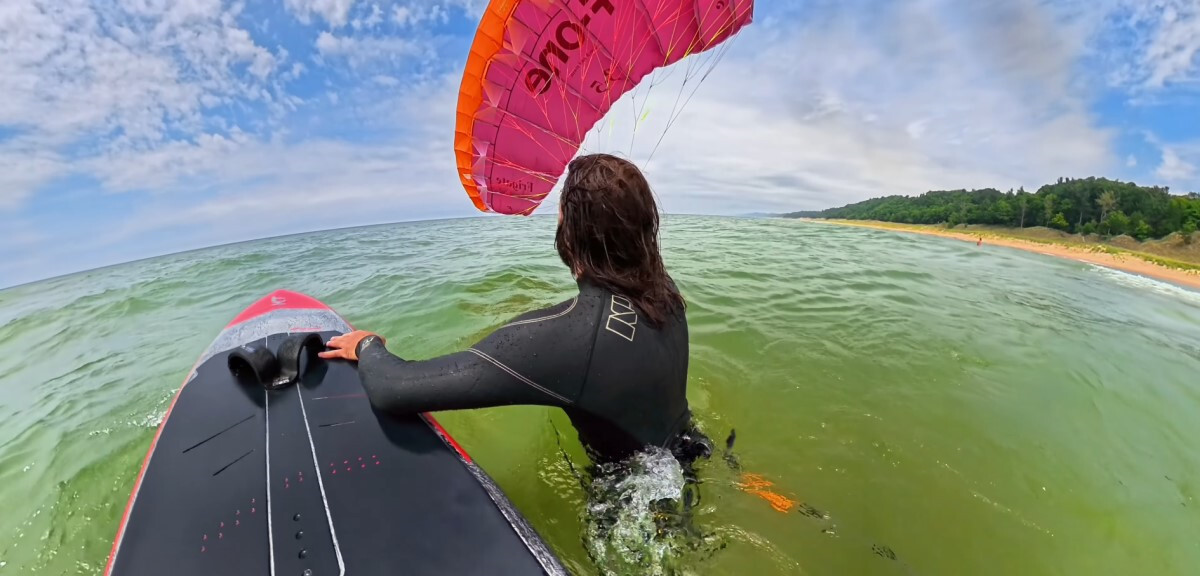
If you've been following our channel, you know that Jeff is an experienced wing foiler, and you might also know that he kited and windsurfed before that, and even taught swim lessons. He loves being on the water and in the waves, so it was only a matter of time before he gave parawinging a go. He finally got out on one, and by his second session he was up and riding.
A lot of people use their parawing in the swell, which usually means doing a downwinder pretty far offshore. Rather than walking back upwind, Jeff made a long tack and got quite far out. He's done this many times on his wing, so he was not concerned at all.
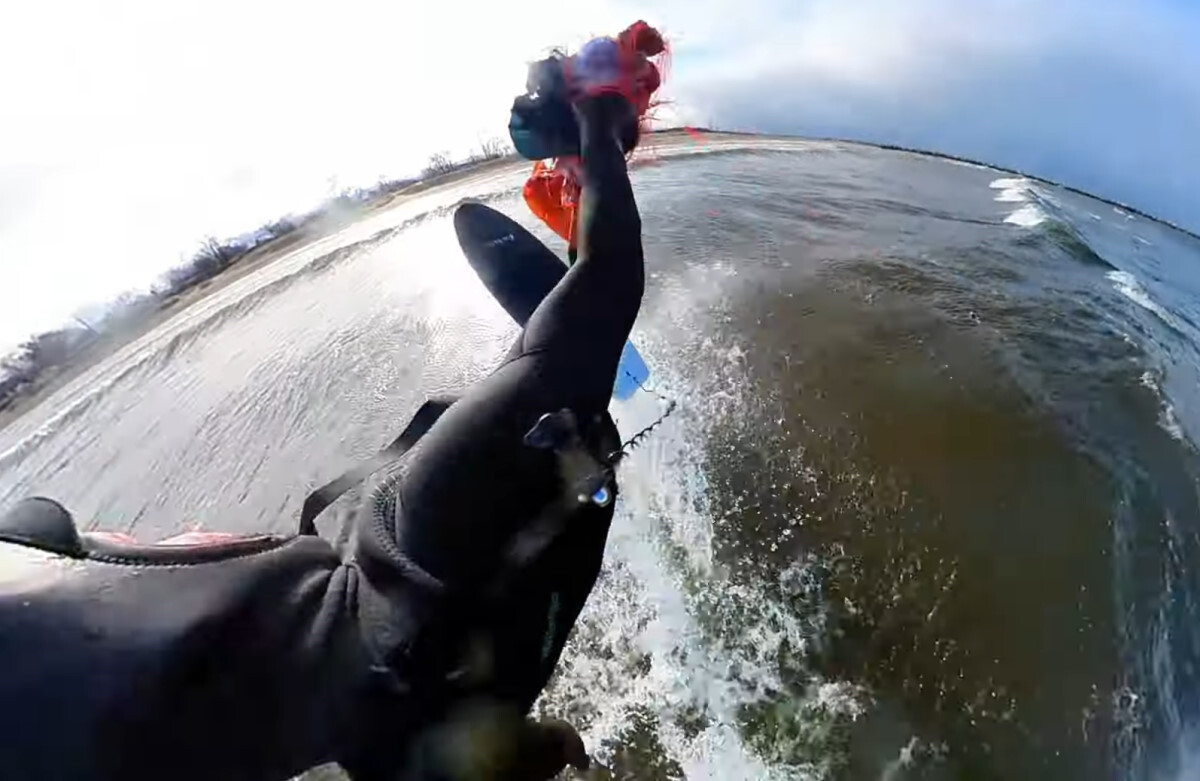
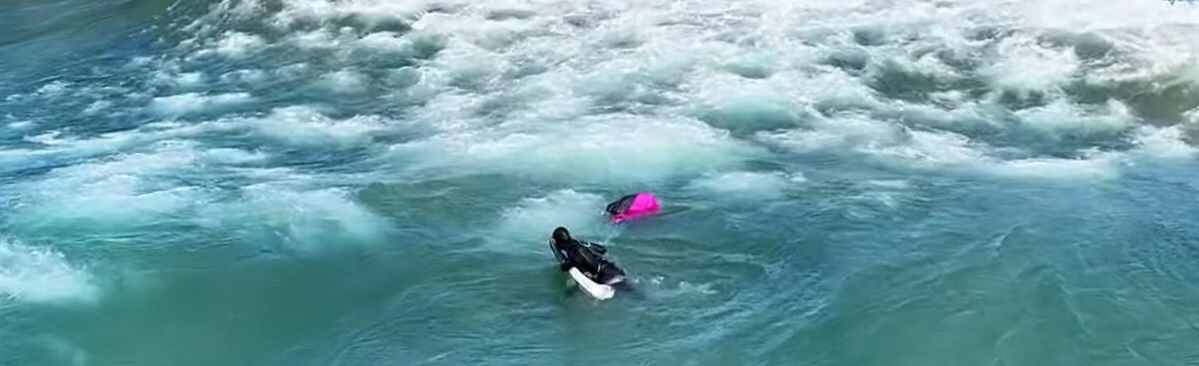
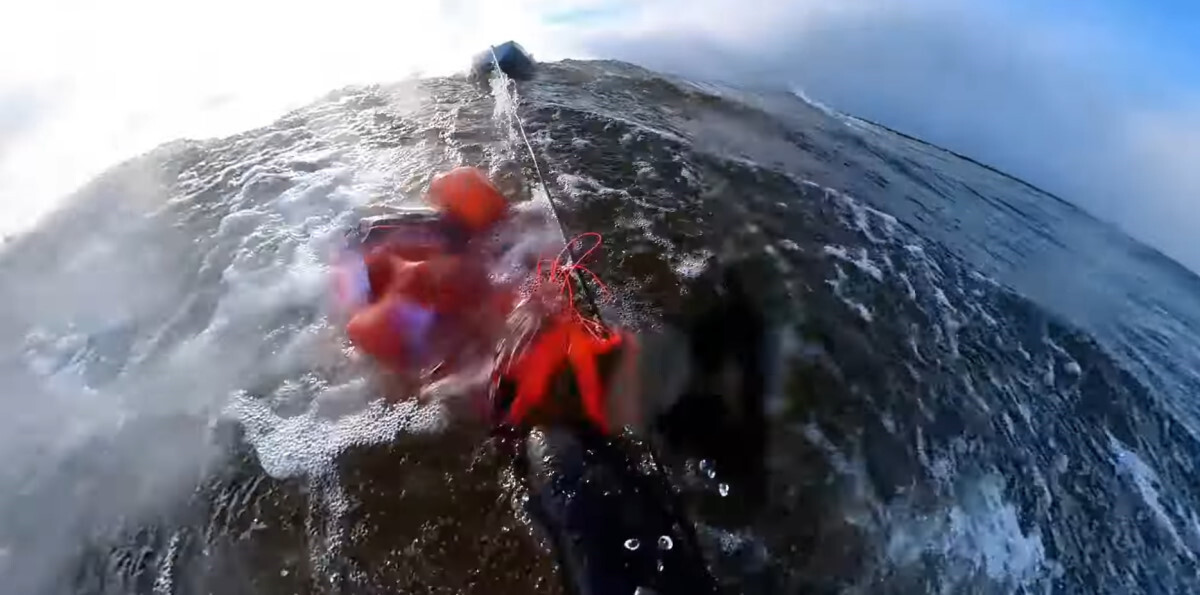
Then the parawing went down, and so did Jeff. The waves were pushing him into the parawing and a bridle line got wrapped around the camera he was wearing and it restricted his movement. Fortunately, he was able to get onto his board, sort everything back out, and ride back to shore safely, but it was certainly a scary situation.
What Did Jeff Do Wrong?
A lot of experienced riders don't think twice about heading out with a new piece of gear just like they would with their usual gear. After all, you can ride a board or foil confidently and you're not afraid of deep water, so how much can really go wrong? This means you may not consider some things you should do differently.
- Flotation: If you're riding with a kite or a wing, you know that you can use that as a flotation device if you lose your board. A lot of wings even have the leading edge and strut separated, so even if one leaks, you still have the other. But parawings don't float. If you lose your board and you're not wearing a flotation device, you have nothing to keep you on top of the water but your own swimming skills. If you're tired or injured, that can be a very serious situation. Wear a vest, inflatable belt, or even water wings, but have at least one other piece of flotation besides your board.
- One Long Tack: Jeff made one long upwind tack out rather than three or four shorter ones that would have allowed him to stay closer to shore. He could have eventually gotten back in from where he fell, but not if he'd been injured in the fall.
- Buddy System: Jeff was out alone. No one knew where he was or saw him fall. There's safety in numbers. Ride with friends and do a periodic head count, especially when parawinging. Parawings are virtually impossible to see when they're in the water, while even a downed kite isn't hard to spot from shore.
- Avoid the Bridle: Parawings have a lot of bridle lines, and they're all right next to you. Getting tangled up in them can be terrifying. They can act like a spider web and keep you from moving. They can cut off a finger or wrap around your neck. If you start to fall, try to throw the parawing downwind so you can't get caught in the bridle lines. The parawing will lay flat in the water and won't catch the wind like a loose wing or kite can, so you'll be able to retrieve it without much trouble.
What Did Jeff Do Right?
Jeff wasn't completely unprepared, though.
- Wetsuit: He was wearing a shorty, which was enough to keep his core warm if he'd had to swim in that day. In fact, Jeff always dresses for a potential swim. Plus, the more neoprene you have on, the more protected you are from contact with your foil, board, or lines.
- Leash: Jeff was wearing a good board leash, made sure it was secure, and had checked it for any fraying prior to heading out. This kept his board nearby. If he'd lost his board or been unable to swim to it due to getting snagged by the parawing's bridle lines, he'd have been in a lot of trouble.
- Harness: While he wasn't wearing a vest, the harness did provide a bit of extra flotation.
- Floaty Board: Even though he's a skilled foiler, Jeff was out on a 95L board that floated him when he sat on it. This gave him time to catch his breath, assess the situation calmly, pull the parawing on board, and sort out the lines so he could relaunch. Even if he couldn't have gotten back up on foil, he'd still have been able to taxi back in on the board.
What Are Some Other Safety Tips?
- Cell Phone/Radio/Signal Device: Tuck it into your vest pocket in a dry bag. It's great insurance if you need to call for help for yourself or a buddy, and if you get separated, you can let someone know when you make it safely to shore.
- Helmet: While a lot of people don't wear helmets, it's really not a bad idea anytime you're introducing a new piece of gear into your setup. You're more likely to fall, and there are plenty of hard surfaces on your board and foil.
- Parawing Leash: Unless you have a quick release on the leash, you shouldn't use one with a parawing. A downed parawing can become a strong dragnet in the waves and you don't want to be attached to that.
- Don't Get Too Far Out: Always assume that you'll have to swim in, and stay within your swim range. Remember that this can change with the wind direction. It takes a lot of energy to swim in against the wind, so be aware of changing conditions.
- Avoid Obstacles: What's downwind of you? Will it be a problem if you end up drifting or can't get upwind?
- Know What Plan B Is: Run through each potential issue and know what you'll do to get out of it before you step into the water. Make sure you have the gear you need to execute your backup plan. Then, if something does happen, you don't have to figure out what to do in the heat of the moment. You'll be able to stay calmer and act more quickly.
Safety First!
Jeff knows what he's doing and has access to any gear he needs, yet he still found himself in a serious situation. It can happen to anyone. The weather conditions change abruptly. You get a cramp in the middle of the break zone and can barely move, let alone swim. A leash snaps during a nasty wipeout and you lose your board. No matter how many times you've been out, each session is unique.
Water boardsports are a lot of fun and let us escape from the stress of our daily lives, but it's up to you to keep yourself safe as you explore these. As a community, we've done a pretty good job of self-policing so that restrictive rules aren't put in place. Coast Guard rescues tend to get a lot of attention, and no one wants to see a fellow rider take a trip to the hospital or worse. Even something as simple as a pulled muscle can end your season early. Something can go wrong any time you try something new, so just make sure you're prepared.
MACkite Subscription Links:
YouTube | Instagram | Spotify Oddcasts
Contact MACkite Below:
800.622.4655 | Kiteboarder@MACkite.com | LIVE Chat Messenger
Recent Posts
-
F-One Seven Seas | The All-Around Foil That Earns Its Place in Any Quiver
The F-One Seven Seas has been quietly doing its thing in the wing foil world for a few years now, …2nd Apr 2026 -
Is the F-One Strike CWC the Best Light Wind Wing on the Market?
Light wind days are where a lot of sessions die before they even start, and that can be hella frus …2nd Apr 2026 -
F-One Free Surf vs Free Downwind: Which Foil Board Should You Choose?
F-One Free Surf vs Free Downwind boards—what’s the difference, and which one is right for your rid …2nd Apr 2026