

How to Choose Your FLITELab FLUX Stabilizer and Fuselage
Tucker is joined by Adam Bennetts from FLITELab to answer a common question: once you've picked your front wing, discipline, and board, how do you choose the appropriate stabilizer and fuselage in the FLITELab FLUX system?
FLITELab FLUX Foil Setups Based on Discipline
Below are Adam's recommendations and his personal riding style for the FLITELab FLUX:
Surf Foiling Setup
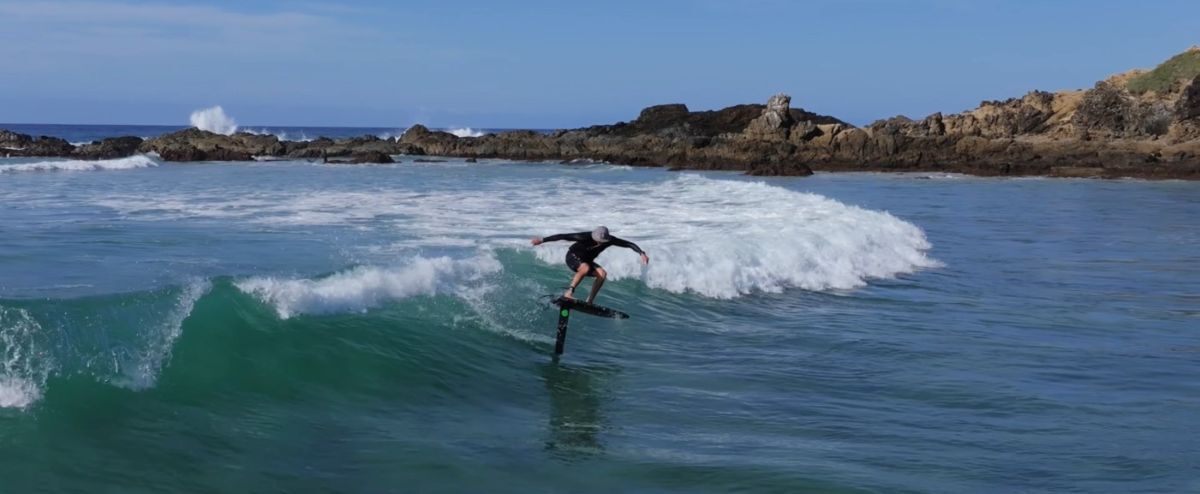
For surf foiling, Adam rides the 707 front wing with a short fuselage and a 125 stabilizer. He pairs this with a 4'0" Raw board. The entire setup is extremely light, weighing between 10 and 15 pounds. Because the board is so short and light, there's effectively no swing weight, allowing for a very reactive feel.
Parawinging and Heavier Boards
When parawinging on a 65 or 75-liter board, the gear is thicker and heavier compared to a prone surf setup. Adam notes there's more of a delay in your turning with these larger boards. For this application, he generally rides an 808 front wing with a short fuselage, but he sizes up his stabilizer to a 140.
Adam finds that sizing up the stabilizer provides more roll stability. This applies across the board: when you ride a heavier setup, the weight of the board makes the foil and stabilizer feel smaller. By increasing the stabilizer size, you bring back that "surfy" surf-foil feeling because the board's weight is compensated for by the added stability.
Winging and Amp Board Setups
For standard wing foiling, Adam uses an 808 front wing, a short fuselage, and a 140 stabilizer.
When riding the Amp board, though, which is heavier due to the integrated batteries, he changes the configuration. On the Amp board, he runs the 808 front wing with a medium fuselage and alternates between the 125 and 140 stabilizer. The longer fuselage is necessary here to provide more pitch stability to handle the extra weight of the board.
High Speed, Big Waves, and Towing
If you're riding bigger waves or high-speed winging, Adam recommends moving to a longer fuselage. For towing, he uses the 606 front wing (which is coming soon) with a medium fuselage and a 125 stabilizer.
The primary benefit of fuselage length is pitch stability at speed. When you're going fast, you want your pitch movements to be subtle. If you ride a short fuselage at high speeds, the foil becomes squirrely and overly sensitive, leaving you with no time to adjust. A longer fuselage lets you push on the foil in a turn with confidence, knowing the nose isn't going to jump up or dive down rapidly. You can manage the pitch height much more effectively at speed.
- Going Fast: Ride a longer fuselage.
- Going Slower: Ride a shorter fuselage and a bigger stabilizer.
Matching the Flow of Your Board
Tucker and Adam emphasize that your board, fuselage, and stabilizer need to vibe together and match the flow of the board. You might have a twitchy, high-performance prone setup, but if you put that on a 90-liter, seven-foot-long board, you won't be able to move the board fast enough to utilize the foil's performance. Similarly, a setup that's too small for a heavy downwind board will be overwhelmed by the weight of the gear.
The Range of FLUX Foils
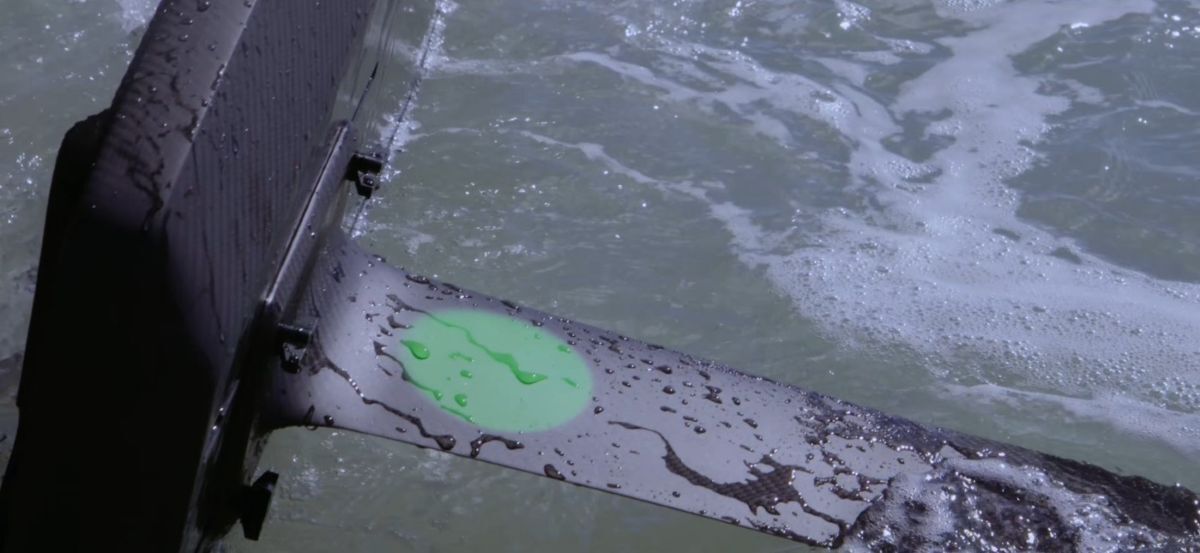
The FLUX foils offer a massive range for each wing size. Adam has found that even the larger wings, like the 1010, have a great top-end speed for winging while providing a lot of low-end grunt. That allows for creative tricks and turns without the fear of stalling out. Because they have such a wide speed range, you often don't need to buy a new front wing if you have different stabilizer and fuselage options to tune the ride.
This pitch stability and user-friendliness make the foils accessible even for beginners. Adam uses these setups at his foiling retreats in Fiji, where proper beginners have found the system stable enough to learn quickly. For most riders who aren't "superhuman" foilers, sizing up slightly provides a lot of forgiveness on the bottom end without sacrificing too much on the top end.
The MACkite Take
FLITELab's stabilizer and fuselage system is built to be tuned to your board and discipline, not just your front wing. Get the pairing right and one front wing can cover a huge range of riding. Here's how Adam's setups translate into a simple decision framework.
- Match the stabilizer to the weight of your board. Heavy setups (parawing, Amp) need a bigger stabilizer to bring back the surf-foil feel; light setups (prone surf) can run smaller for max reactivity. Adam runs a 125 with his 4'0" Raw and steps up to a 140 on heavier boards.
- Match the fuselage length to your speed. Fast riding (big waves, high-speed winging, towing) needs a longer fuselage for pitch stability. Slower riding is happier on a short fuselage with a bigger stab.
- Adam's go-to setups:
- Prone surf: 707 + short fuse + 125 stab on the 4'0" Raw.
- Parawing: 65–75L boards uses 808 + short fuse + 140 stab.
- Standard winging: 808 + short fuse + 140.
- Amp board: 808 + medium fuse + 125 or 140.
- Towing: 606 + medium fuse + 125.
- The board dictates the flow. A twitchy prone-style setup can't work on a 90-liter downwind board — you can't move the board fast enough to use the foil. Match the front wing / fuse / stab combo to how the board actually rides.
- FLUX foils have enough range that you may not need another front wing. Even the 1010 has strong top-end speed plus low-end grunt. Change the stab and fuselage first to tune your ride before adding another wing to the quiver. Sizing up slightly is also the beginner-friendly move — more low-end forgiveness without losing much on top.
MACkite Subscription Links:
YouTube | Instagram | Spotify Oddcasts
Contact MACkite Below:
800.622.4655 | Kiteboarder@MACkite.com | LIVE Chat Messenger

Recent Posts
-
Manera Pocket Wing Belt Overview
Jeff met up with Billy Ackerman from F-One on the beach at the KoGL Test Fest to take a look at th …9th Oct 2026 -

Parawing Redeploy Tip: The Simple Trick for Clean Launches
Jeff caught up with Billy Ackerman from F-One on the beach, where they chatted about parawings. Wh …9th Oct 2026 -

Appletree Zapple S RIIFT Foil Assist Board Overview
Appletree's New RIIFT-Specific Foil Assist Boards Tucker is joined by Wieger from Appletree Surfbo …8th Oct 2026