
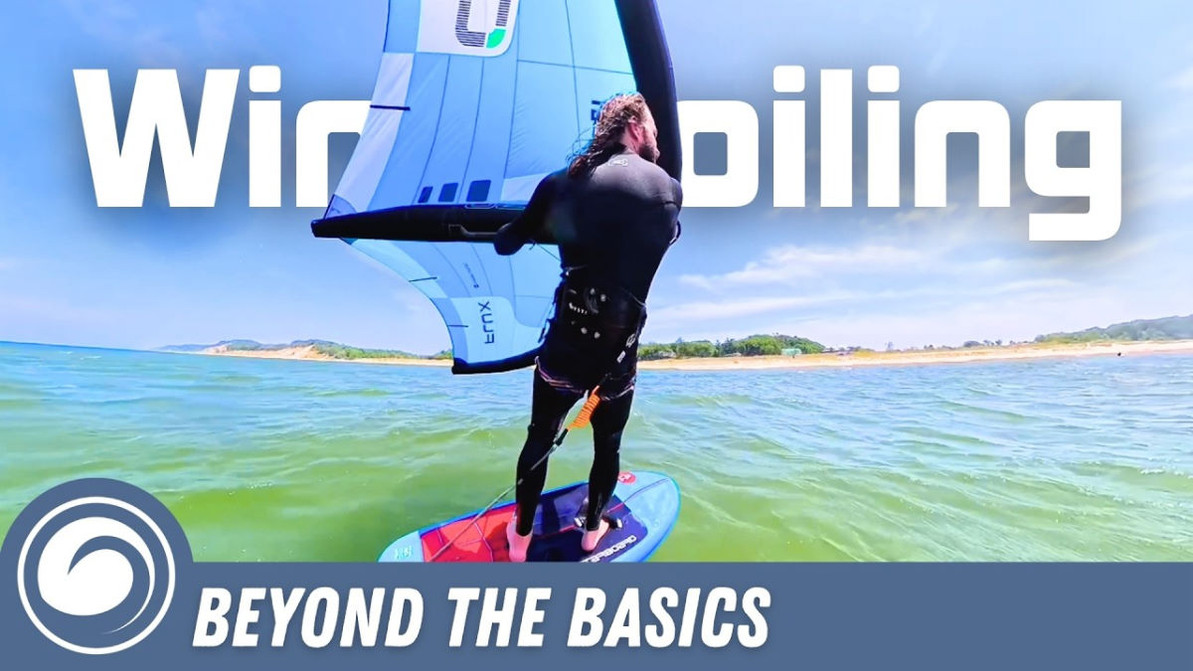
3 Intermediate Wing Foil Skills To Learn Next
Tucker and Jeff are breaking down the skills you should focus on after you learn the basics of getting up on foil. You've finally moved past taxiing around on the board, almost getting up and ejecting, and only riding for a few feet before you fall in. Now you're getting up and riding on foil.
You aren't making turns yet; you either fall in or drop down to switch your feet, and then you go back the other way, and that's ok. That's also a step in the progression of learning to wing. But you are up and riding, so where should your focus turn next to help you learn all the sport has to offer?
While primarily focused on winging, these concepts apply to kite foiling and parawing as well- any foiling where you are being pulled by the wind.
1. Turning
Unless you're just going to ride off into the sunset and hope for the best, at some point you have to go the other direction. If you are turning downwind, that is called a jibe. If you are turning upwind, that is a tack. The tack is more difficult, so that typically comes later on in your progression. You will want to start with a jibe, turning downwind towards the other direction.
Jibes: Turning Downwind
Jibes come naturally for most people. Initially, you will keep your feet in the same position. A lot of people stay at that level of riding, meaning they learn their jibes and just switch between riding heelside and toeside in their natural stance.
Everyone generally has a strong natural stance, either "regular" (left foot forward) or "goofy" (right foot forward). Early wingers will work around the wind direction, sometimes swimming out a little further so they can turn around and get up on their strong side to make a quick turn. Or they try to ride toeside and it doesn't work too well, so they don't go out unless it's blowing the right direction.
It's a big day when you can make your jibe without falling in the water. It really opens up your session. You won't get as tired from getting up and down from your board. Many riders have taken several sessions or even a couple seasons to really learn to be efficient at jibes, so don't give up on it. One local rider recently went 10 miles without falling in the water and was elated because he wasn't worn out and was able to go wherever he wanted. Celebrate the jibe; it's a big step in the right direction.
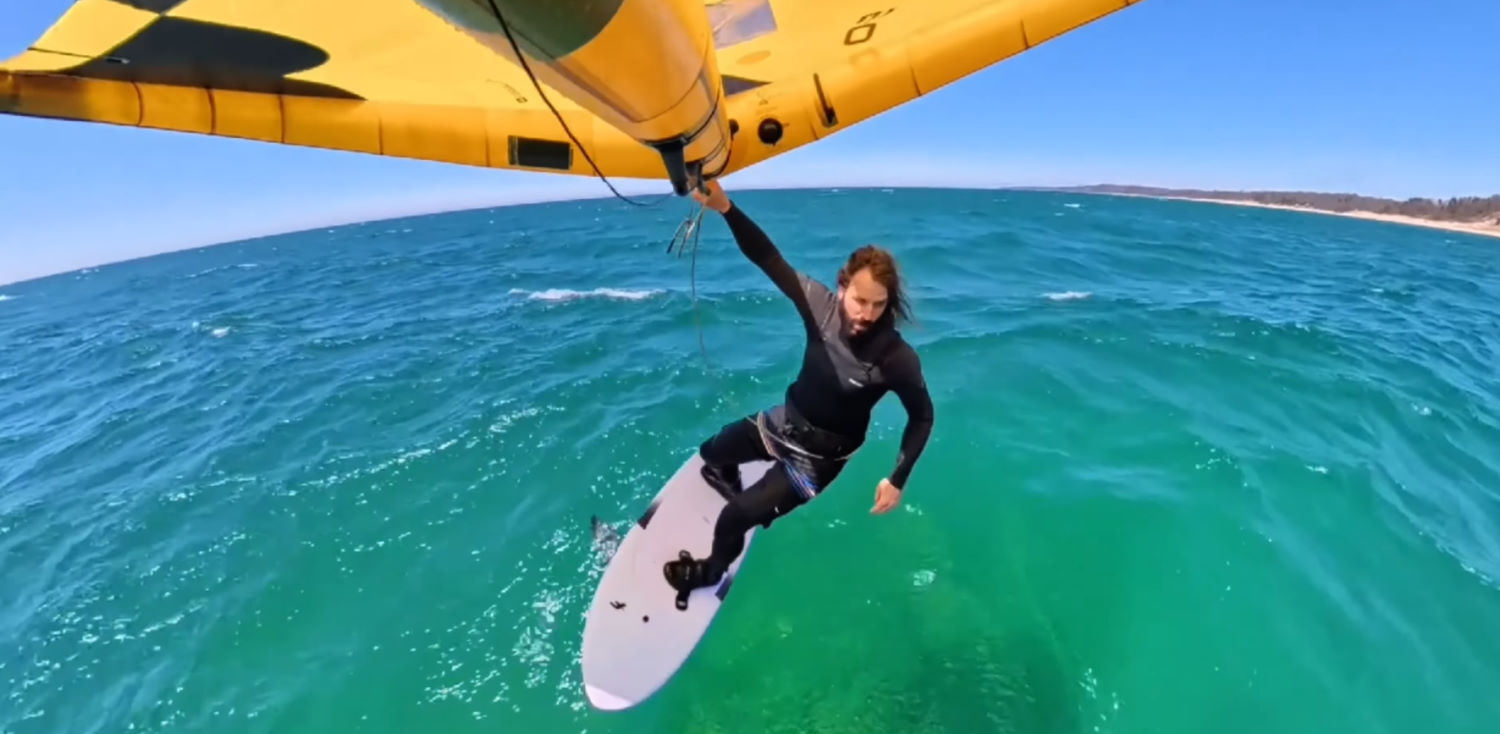
Tacks: Turning Upwind
A tack is a bit more advanced since you're turning into the wind. A lot of riders will find it easier to tack while riding toeside, and you'll typically put your wing up over your head to tack. As you get more comfortable with the tack, you can start to try it heelside.
Once you're proficent with your jibes and tacks, you'll find that these form the basis of a lot of freeride tricks, like 360s in flat water. It's a great way to push your progression even when the conditions aren't epic.

2. Switching Your Feet
After you learn the jibe and are riding toeside and heelside, it's time for the next thing: switching your feet. People might wonder why they should do that if they ride better on their strong side. The reasons aren't always immediately clear, but it is important that you do it early in your progression. Otherwise, you are going to waste a lot of time and effort just staying in one stance.
If you learn the foot switch and riding in your unnatural stance early on, then you'll build your skillsets together and save a lot of time as you progress. Remember- as you progress, you'll get on a smaller board and a smaller foil, you'll be riding faster, and it's only going to get harder to learn riding unnatural. So now is the time to work on this skill.
Another reason is upwind ability. You'll ride upwind better in a heelside stance, rather than being all twisted up doing this toeside. It's hard to turn your hips upwind or get the wing in the right position when you are all twisted up. The ergonomics of that is going to wear your body down. You are going to get a sore back, and your back foot is going to hurt from always riding in the same stance. Switching it up also lets the other side of your body rest.
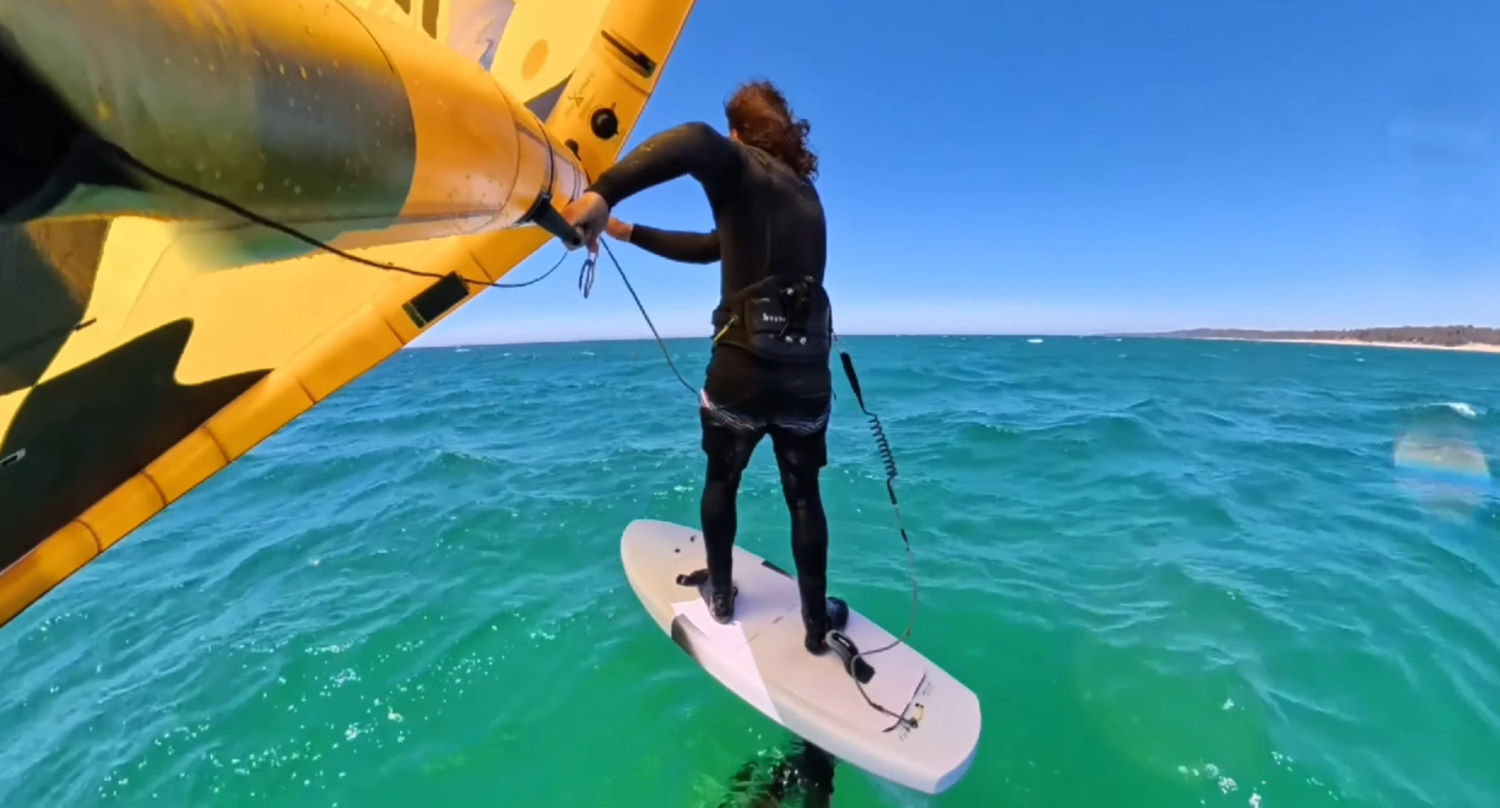
It's also more efficient. Jeff held out for a long time, just doing heelside and toeside and appearing to be a good rider, but when conditions got rougher and crazier, it started to hold him back and his weakness was exposed. You'll have a very hard time riding toeside when conditions are crazy and windy on the water. If you are trying to chase and ride waves, you simply can't go upwind toeside as well as you can heelside. It is a completely different angle of attack. Not only that, the efficiency of being able to hook in while riding heelside is incredible.

When Should You Switch Your Feet?
When talking about switching feet, people often wonder if they should switch after their turn or before their turn. The easiest way to do it: if you are riding in your natural stance going into your turn, take the turn in your natural stance, then switch after the turn. If you are riding in your unnatural stance, switch first, then take the turn in your natural stance. That way you're always taking the turn in your natural stance. Even Jeff doesn't jibe and turn in his unnatural stance very often.
Tip: Take a day to focus on it. If it's an epic day with amazing waves, go enjoy it and ride. But on a light wind day or a day where it's just okay but still rideable, dedicate two hours to working on switching your feet and riding unnatural. Force yourself to do it every tack. You are going to fall a lot, so take a rest, sit around, recharge, and go at it again. If you don't actively focus on it, you will never learn it. Switching your feet is also a skill that will help as you transfer into parawing.
3. Advanced Wing Handling
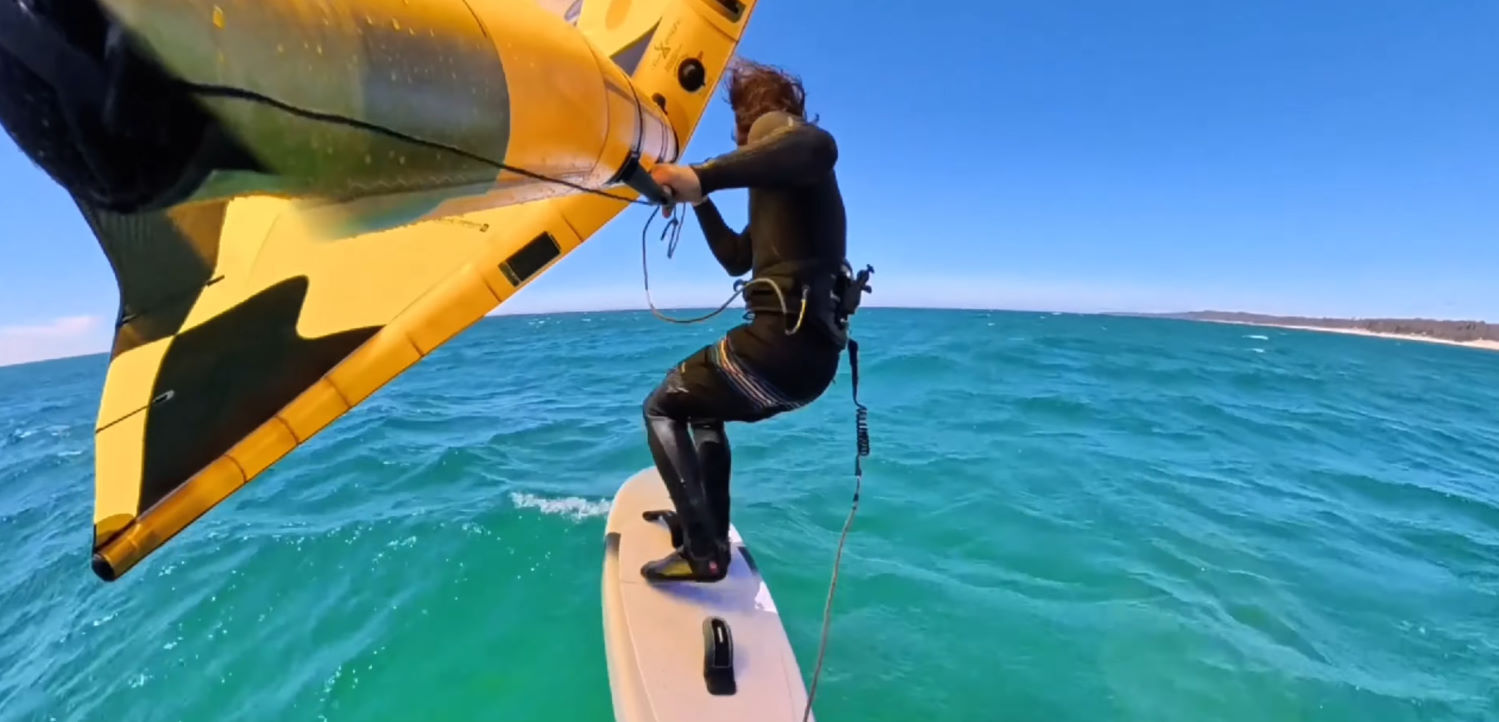
The last milestone to focus on for progressing in the sport is wing handling. This goes beyond just putting the wing up when you get up, pumping it, and riding with it trimmed to go upwind. It's about doing more with the wing than just pointing it in the right direction.
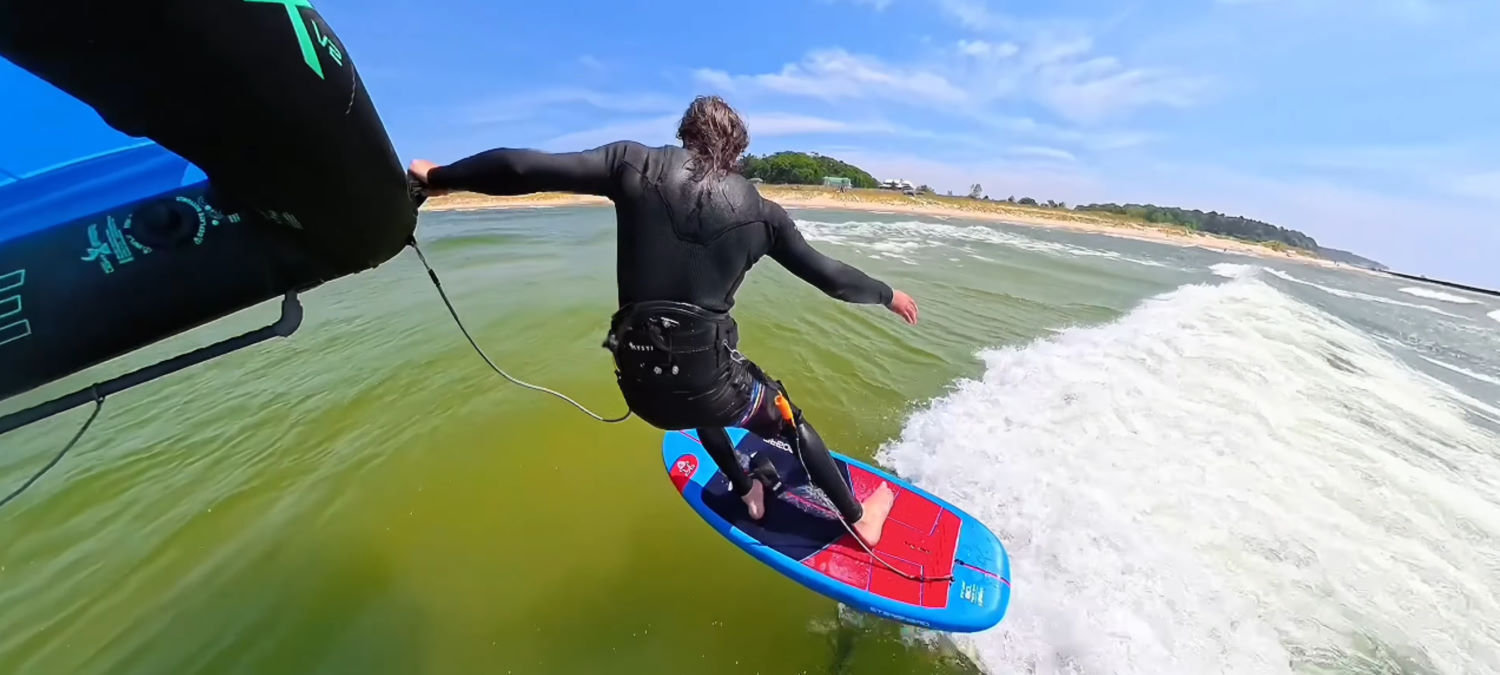
This starts again with the foundation of the jibe. You can hold onto that wing a little longer through the jibe, almost going backwind with the wing upwind of you, and then throw it over your body. It's a great way to carry more speed through a jibe and get set up for a section on waves. Getting familiar with putting that wing in different positions and handling the wing around your body allows you to do different things, whether it's airs, 360s, or maneuvers on a wave. The better you learn to use that wing, the more tools you have in your toolbox to apply to any given situation.
If you are riding waves and you don't know how to handle the wing well, you are just going to keep that wing luffed all the time. But you can really amp up your performance and your experience if you are using that wing more actively on the wave, boosting some speed, and initiating turns with it.
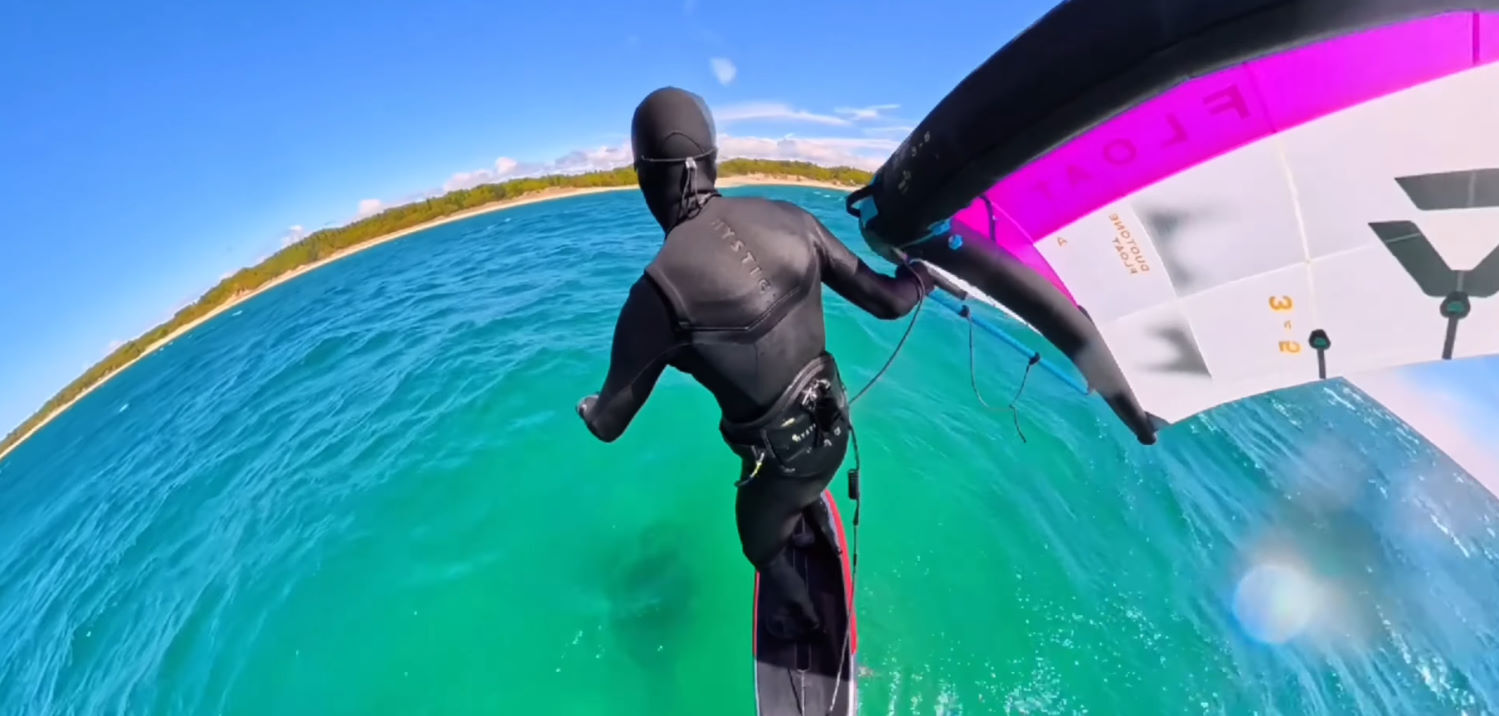
It also means learning to ride the foil without being pulled by the wing. Where do you hold the wing? Usually, the first step is a pistol grip on the front of the handle or boom with the wing down to your side. Advanced riders riding a wave will keep it there so they can re-engage it real quick. Or you can use the handle on the end of the leading edge to flag it out. Practice riding without being pulled by the wind; it's a different feeling on your foil.
Think about where you can hold the wing so you can see to read the wave while surfing. Try using the wing as leverage while turning. Be purposeful with using your wing in a different way, and see what that opens up in terms of your progression. It is a bit of Pandora's box to the whole wing progression that puts you into doing tricks and different fun things on the water as you go.
MACkite Subscription Links:
YouTube | Instagram | Spotify Oddcasts
Contact MACkite Below:
800.622.4655 | Kiteboarder@MACkite.com | LIVE Chat Messenger
Recent Posts
-

2026 Cabrinha Unify Control Bar Review
The Brazilian Brothers are in windy Brazil to provide a thorough review of the brand-new 2026 Cabr …23rd Oct 2026 -
Naish Hatch V2 Parawing Overview
Jeff takes a few minutes out from the KoGL event to chat with Adam Carr from Naish about the Hatch …22nd Oct 2026 -

Flysurfer Soul 4 vs Sonic 5: Which Kite is for You?
Jeff is on the beach at KoGL with Marie-Eve from Flysurfer to discuss the growing excitement surro …20th Oct 2026