
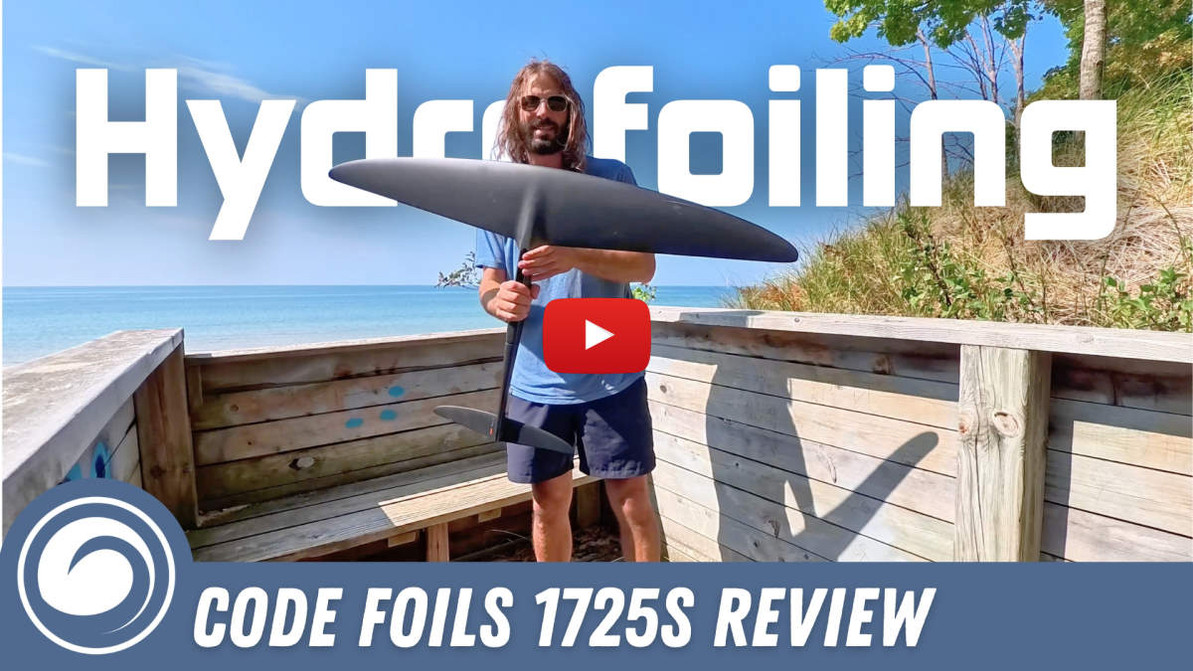
Code Foils 1725S Review | Fun and Versatile Front Wing
Code has just released its biggest front wing yet: the 1725S. While it's a great choice for beginners, it's so much more than that, and there just might be a spot for it in your quiver.
What Is the Code 1725S?
Code's S Series is their all-around front foil wing lineup. If you don't want to lock yourself into a specific discipline, these are a great choice. All S-Series wings have an aspect ratio of 9.5 and are named for their area in cm2.
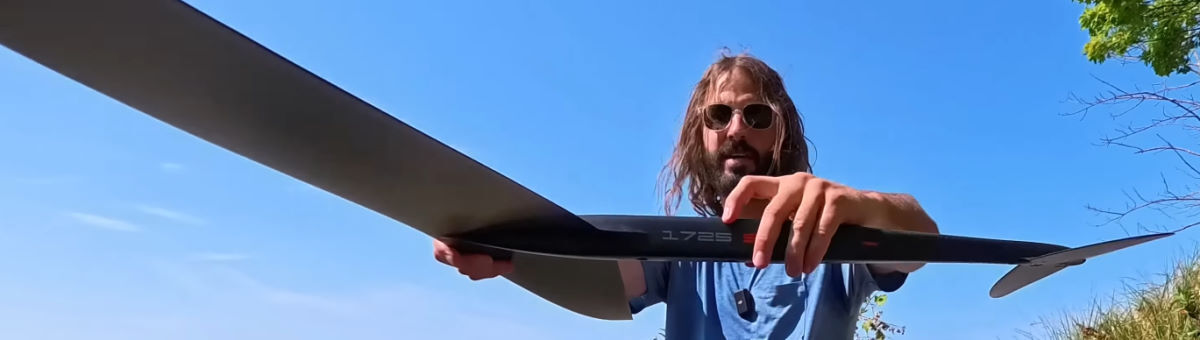
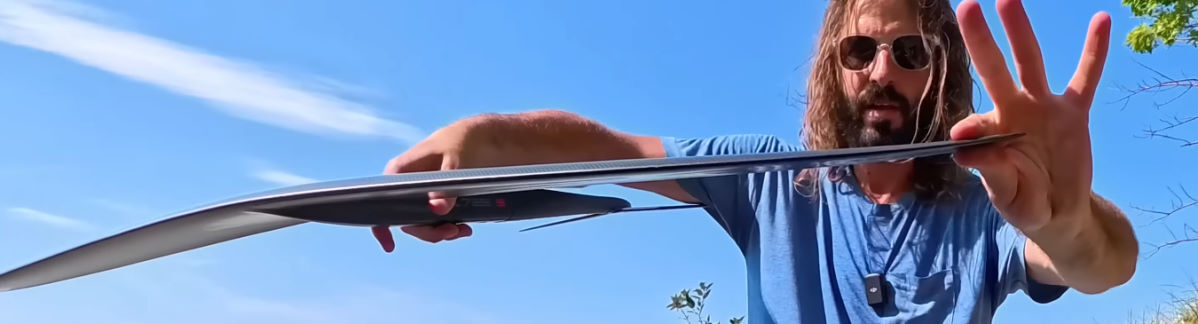
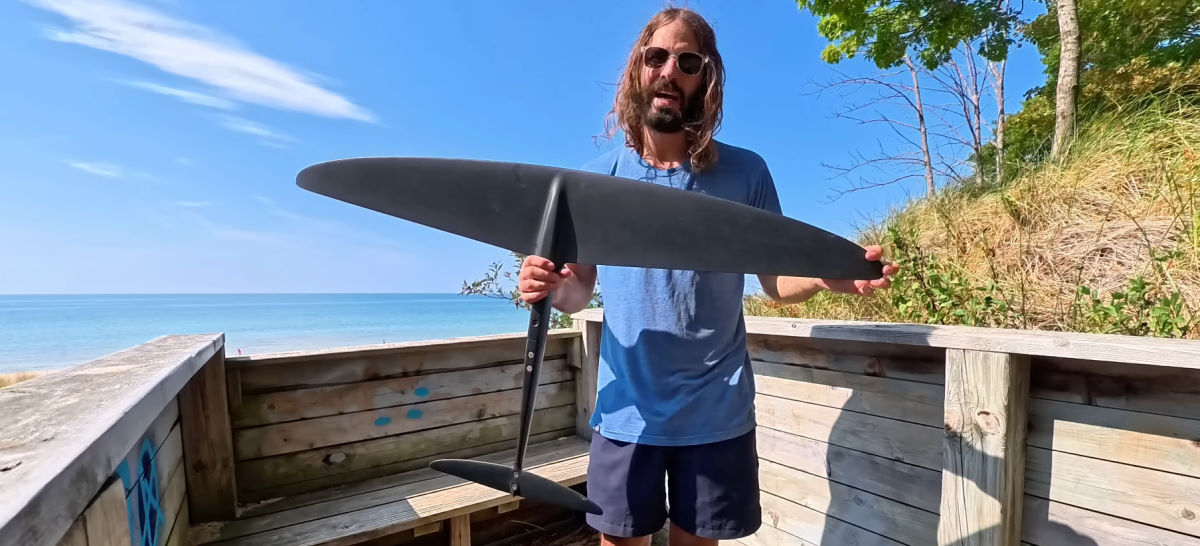
The 1725S has a thin profile with a mustache shape for that subtle camber and reflex that Code is known for. It uses high modulus carbon fiber, so it's very stiff and responsive in spite of how thin it is, allowing you to reap the benefits of increased efficiency, speed and glide without the flex a wing this large can have.
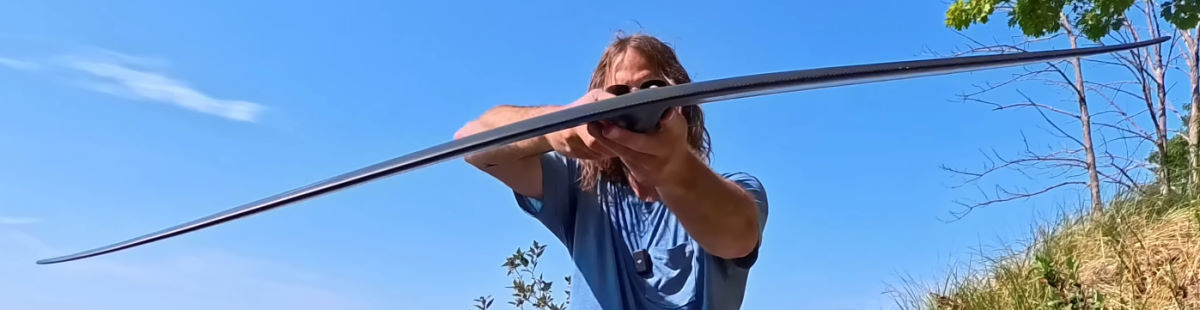
The wingtips' shape makes the 1725S surprisingly maneuverable. Large wings tend to make long, wide turns, but the 1725 turns much tighter than you'd expect, and if you do a wing-out, it just rides right through, also thanks to the shape and thinness of the wingtips.
Who Is the 1725S For?
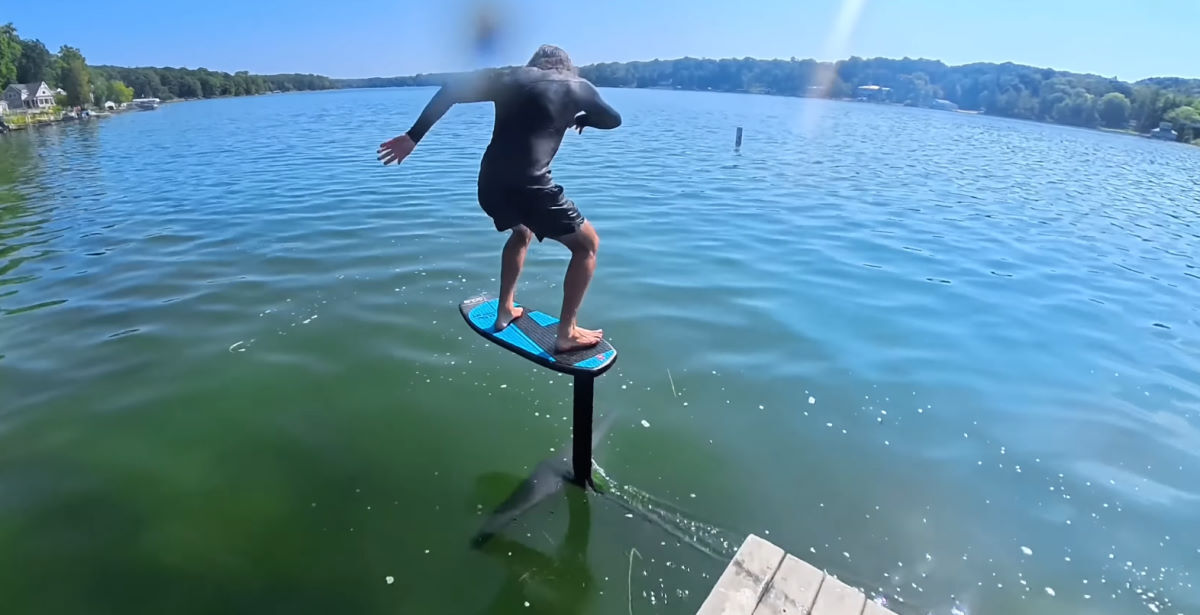
If you're just getting into foiling, you can hardly make a better choice than the 1725S, but you won't want to sell it once you're up and flying. It's a dockstart machine and will let you cruise around and get some long runs. It's also ideal for ultra light wind winging, parawinging, and downwind runs with knee-high and under conditions. If you're behind a boat, you'll be able to ride 2-4 wakes back. Heavier riders will find it gives plenty of lift while not holding them back the way many larger wings tend to do. This wing will earn a permanent home in your quiver.
Tucker's Tips
If you're dockstarting or just want an easy pumper, pair the 1725S with the 175AR tail. It's not the largest tail, but it gives you plenty to push off of while still having enough maneuverability to cut some nice turns. If you want a bit more speed and agility and are willing to sacrifice some forgiveness, the 151R tail also works very well.
You'll get more out of this wing with a very stiff mast, especially if you're a heavier rider or want to rip turns and have the best efficiency while pumping. Tucker has used the Code Ultra High Modulus Plus mast as well as the Forged and Evolution Carbon masts from Cedrus, and all have worked very well. Code's High Modulus mast was a little soft for him, but it would be fine for a lighter rider.
Tucker's Take
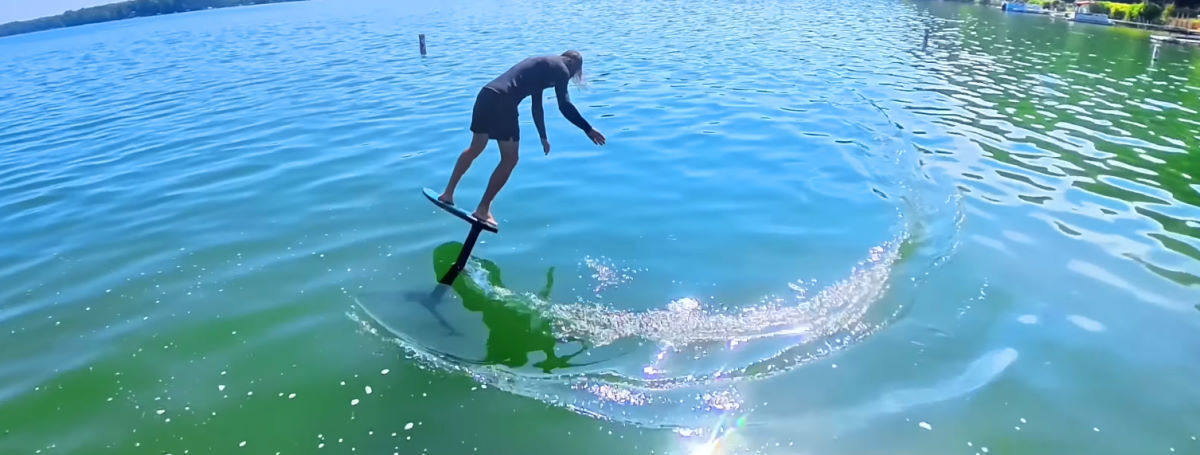
The large surface area gives you excellent low end, but Tucker was floored by how fast, maneuverable, and fun the 1725S was for its size. If you want to rip turns while having maximum pump efficiency, this is a fantastic choice. It's become his new favorite pump wing thanks to how easy it is while still offering an amazing amount of performance. He really enjoyed taking some laps and doing a few tricks while still being able to recover when everything wasn't perfect. It's another home run for Code.
MACkite Subscription Links:
YouTube | Instagram | Spotify Oddcasts
Contact MACkite Below:
800.622.4655 | Kiteboarder@MACkite.com | LIVE Chat Messenger
Recent Posts
-

F-One Seven Seas | The All-Around Foil That Earns Its Place in Any Quiver
The F-One Seven Seas has been quietly doing its thing in the wing foil world for a few years now, …2nd Apr 2026 -

Is the F-One Strike CWC the Best Light Wind Wing on the Market?
Light wind days are where a lot of sessions die before they even start, and that can be hella frus …2nd Apr 2026 -
F-One Free Surf vs Free Downwind: Which Foil Board Should You Choose?
F-One Free Surf vs Free Downwind boards—what’s the difference, and which one is right for your rid …2nd Apr 2026