

Why Wing Foil Mast Position Matters More Than You Think
When it comes to wing foiling, few adjustments make as big a difference as your wing foil mast position. It might seem like a small detail—just sliding the foil a few millimeters forward or back in the tracks—but this subtle tweak can be the difference between smooth, stable turns and frustrating sessions of over-foiling or touching down.
Greg from Omen Foils breaks down exactly why mast position matters and how you can use it to unlock more control, balance, and performance on the water.

Why Track Position Matters
At its core, wing foiling is about balancing forces. Your foil generates lift, your body provides weight, and your board and foil setup carry their own mass. Ideally, these forces align on a single axis so you can fly smoothly.
- Lift from the foil: Acting upward from the wing’s center of lift.
- Body mass: Balanced between front and back foot, allowing you to shift weight as needed.
- Board and foil weight: Acting downward, usually around the center of the setup.
When all of these are aligned, you get a balanced, intuitive ride. But the moment your mast position is too far forward or backward, leverage forces create problems—especially in turns.
The Problem with the Foil Too Far Back
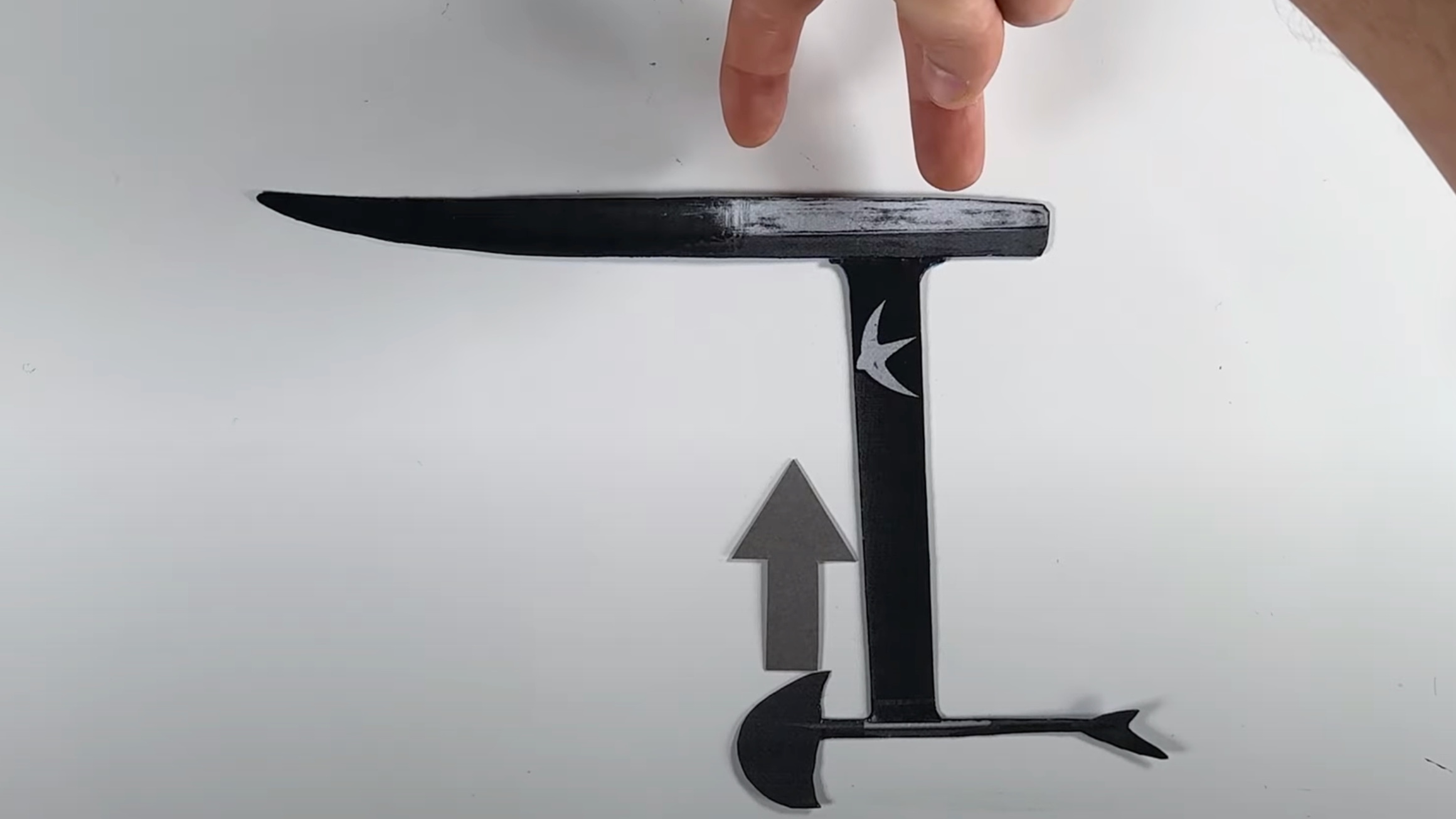
If your foil sits too far back in the tracks, you’ll notice the nose of your board pitching down in hard turns. Here’s why:
- Your body weight is centered over the lift.
- The combined mass of the board and foil acts forward of that lift.
- When turning and pulling G-forces, that forward weight acts like a lever, pushing the nose down.
The result? A tendency to touch down or struggle to maintain height through turns.

The Problem with the Foil Too Far Forward
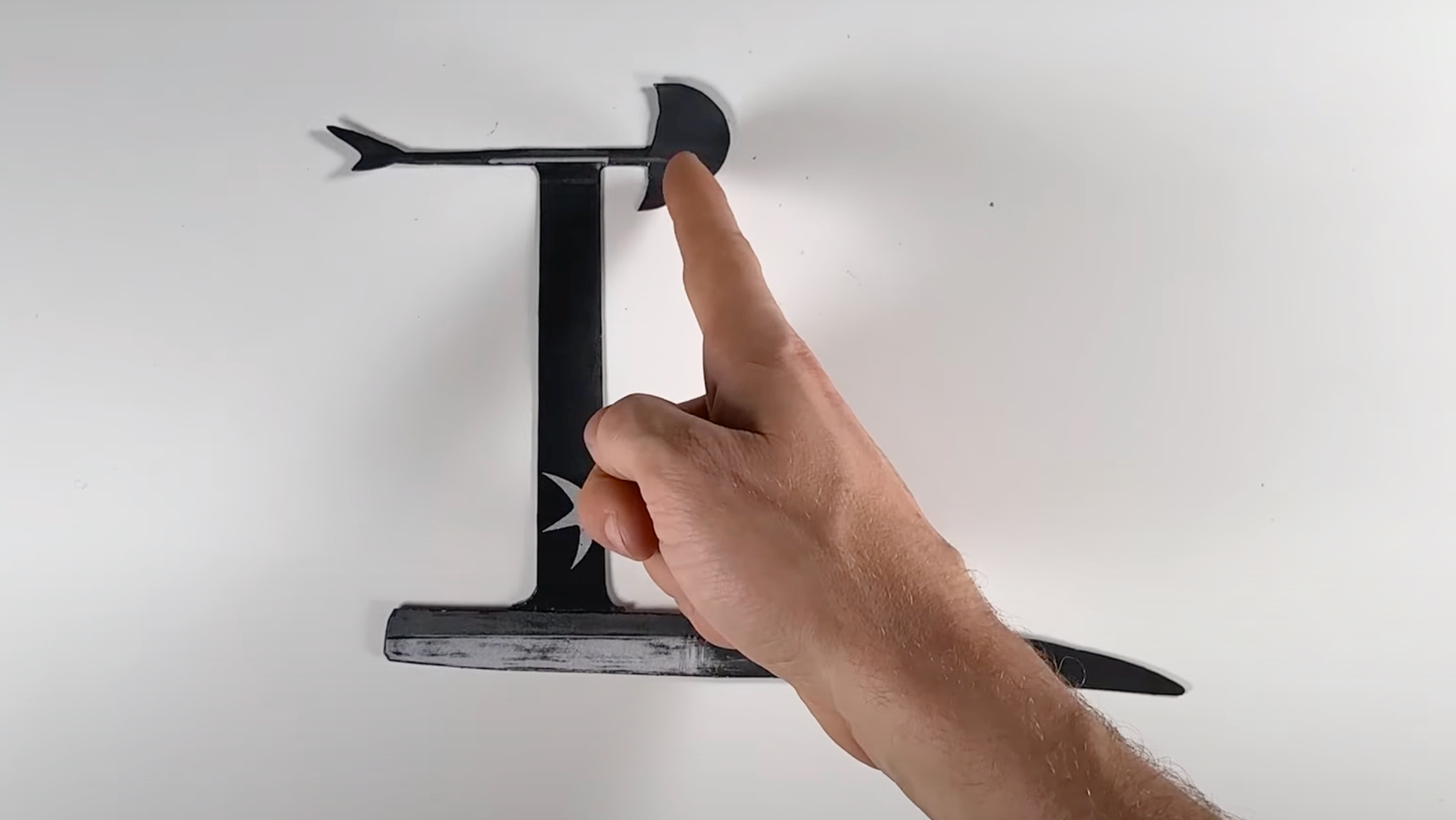
Move your foil too far forward, and the opposite problem occurs:
- The lift acts further forward than the combined mass of the system.
- During turns, leverage forces pitch the nose upward.
- You end up foiling out more easily, especially in aggressive carves.
This means instead of smooth, controlled turns, you’re constantly managing pitch to avoid breaching.
Finding the Perfect Wing Foil Mast Position
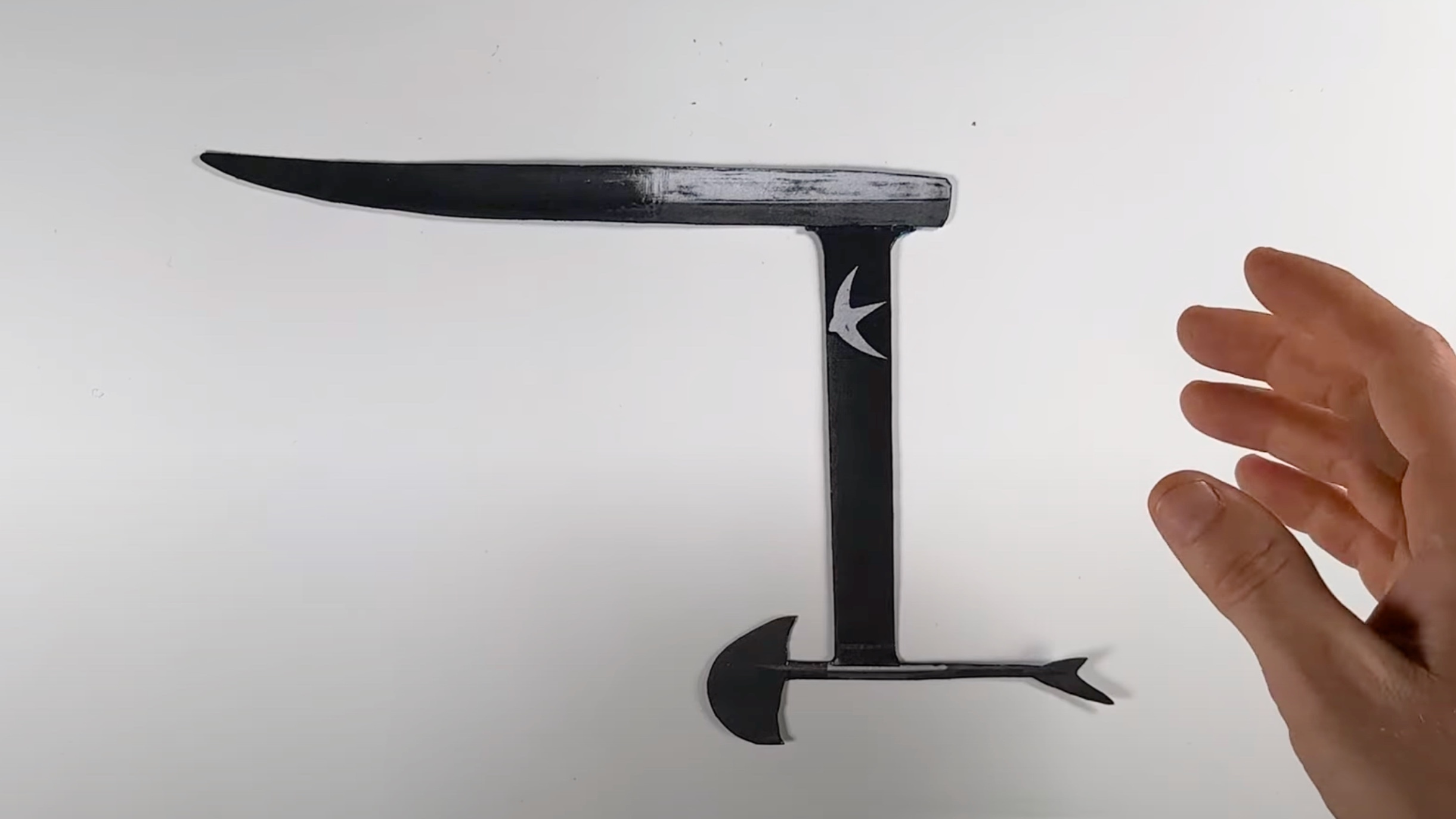
So how do you dial in your mast placement? Greg shares a clever trick:
-
Flip your board and foil upside down.
-
Place your finger at the center of the chord of the front wing.
-
Lift the system from that point.
-
If the setup tilts forward, your foil is too far back.
-
If it tilts backward, your foil is too far forward.
-
When it lifts straight and level, you’re close to the sweet spot.
This balancing method gets you about 90% there. The final step is fine-tuning on the water.
Dialing It in on the Water
Once you’re riding, pay close attention to how your board behaves in turns:
- If your nose pitches down during carves → move the foil forward 5–10mm.
- If your nose lifts and over-foils in turns → move the foil back 5–10mm.
These micro-adjustments allow you to center the system perfectly. When dialed in, you won’t need to actively manage pitch mid-turn—your foil will feel smoother, more intuitive, and more forgiving.
The Trend of Forward Placement
Greg notes a growing trend of riders pushing their foils further forward to reduce swing weight. While reduced swing weight can make setups feel livelier, especially in pumping, it comes with tradeoffs:
- Pros: Easier handling for certain tricks, lighter feel.
- Cons: More pitch management required in turns, less forgiving for average riders.
With modern high-aspect foils, swing weight matters less than it did with older low-aspect foils. For most riders—especially those not riding every day—balancing over the center of lift yields smoother performance and more control.
A Note for Beginners
For beginners, Greg suggests placing the foil all the way back in the tracks. This helps:
- Keep the board stable on the surface while learning.
- Allow riders to feel the foil’s lift without fully breaching.
- Progress gradually by sliding the mast forward as skills improve.
It’s a safer way to learn, offering a smoother transition into controlled foiling.
Tail Wing Tuning (A Preview)
Greg also touches on tail wing tuning, which adds another layer of complexity. Adjusting the tail can reduce front foot pressure, but it also shifts the balance point.
If you combine aggressive tail tuning with a forward mast position, you risk instability at high speeds and inconsistent lift in turns. For most riders, keeping things simple—balanced over the center of lift—is the best approach.
Key Takeaways
- Wing foil mast position is crucial for smooth, controlled turns.
- Too far back → nose pitches down in turns.
- Too far forward → board foils out too easily.
- Use the lift-and-balance trick to get close, then fine-tune on the water.
- Small adjustments (5–10mm) make a big difference.
- Beginners benefit from starting with the foil further back.
- For most riders, a balanced setup beats extreme forward placement.
Final Thought
Wing foiling is all about flow, and getting your wing foil mast position right helps you unlock that flow. When the forces of your body, board, and foil are aligned, the ride feels natural—allowing you to carve harder, stay on foil longer, and enjoy every session more.
As Greg from Omen Foils puts it, dialing in mast position might just be the fix-all solution for riders struggling with touch-downs and over-foiling. Before swapping gear or chasing upgrades, spend time adjusting your foil tracks. The smallest shifts could transform your wing foiling experience.
Recent Posts
-

Aaron Hadlow Interview: Big Air, Harlem Kites & Kiteboarding Evolution
From 10-Year-Old Beginner to World Champion Rubens: What's up, guys! It's the Brazilian Brothers w …27th Mar 2026 -

Interview with Stig: Big Air, Naish Loyalty & Life Beyond Kiting
Rubens: What's up, guys? It's the Brazilian Bros from MACkiteboarding, and today we've got a very …26th Mar 2026 -
One Board, Every Session | Why We're Stoked on the Omen Emissary
If you've been searching for a single board that can handle light-wind winging, parawinging, prone …25th Mar 2026