

Light Wind Wing Foiling Made Easy | FLITELab AMPJet
Tucker's been out on one of the most anticipated products of the year, the FLITELab AMPJet. He grabbed the versatile 4'8" AMP S board, which works for prone surf, wing, and downwind, and after a few sessions, he's stoked at how it really is a one-board quiver. Now he's ready to share some tips, what the system is, how it works, and whether it's worth it.
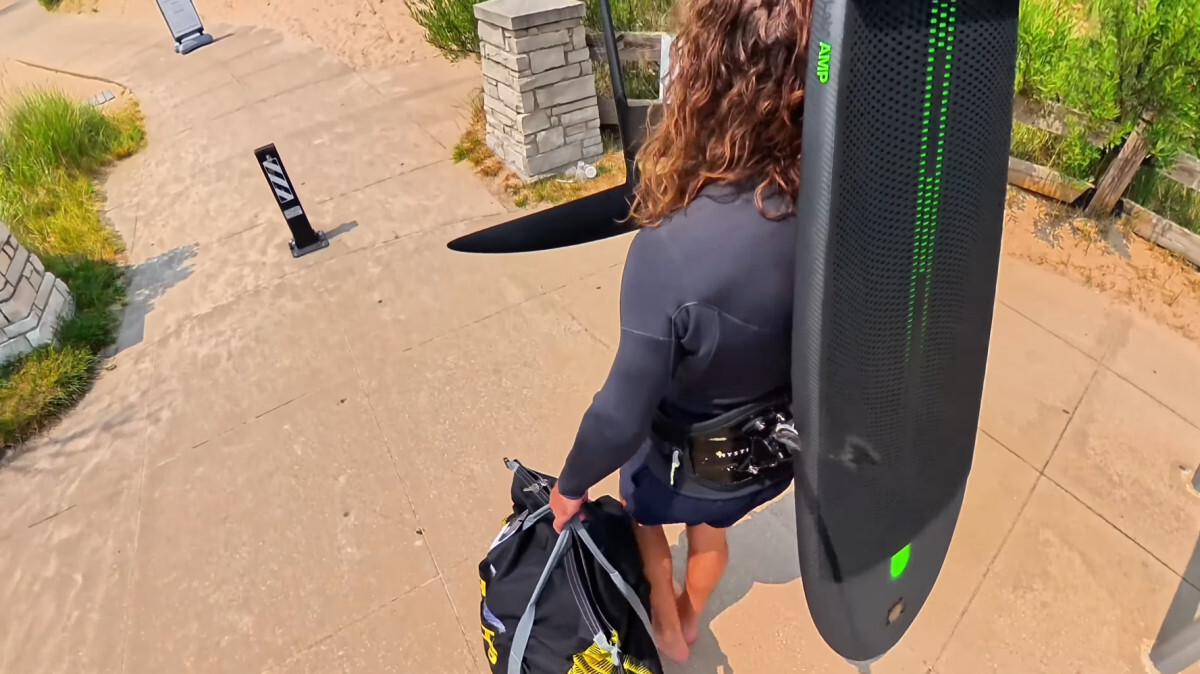
What's the AMP S Board Like?
The 4'8" board is the largest of the three sizes in the AMP S series. It's 40 liters and 20 inches wide, which is a nice all-around size that'll have you covered in just about any conditions and any discipline. It comes with a foam insert in the slot for the AMPJet. Don't throw that out; it's not just packing material. You can actually use this board without the jet, making this a 2-in-1 foilboard.
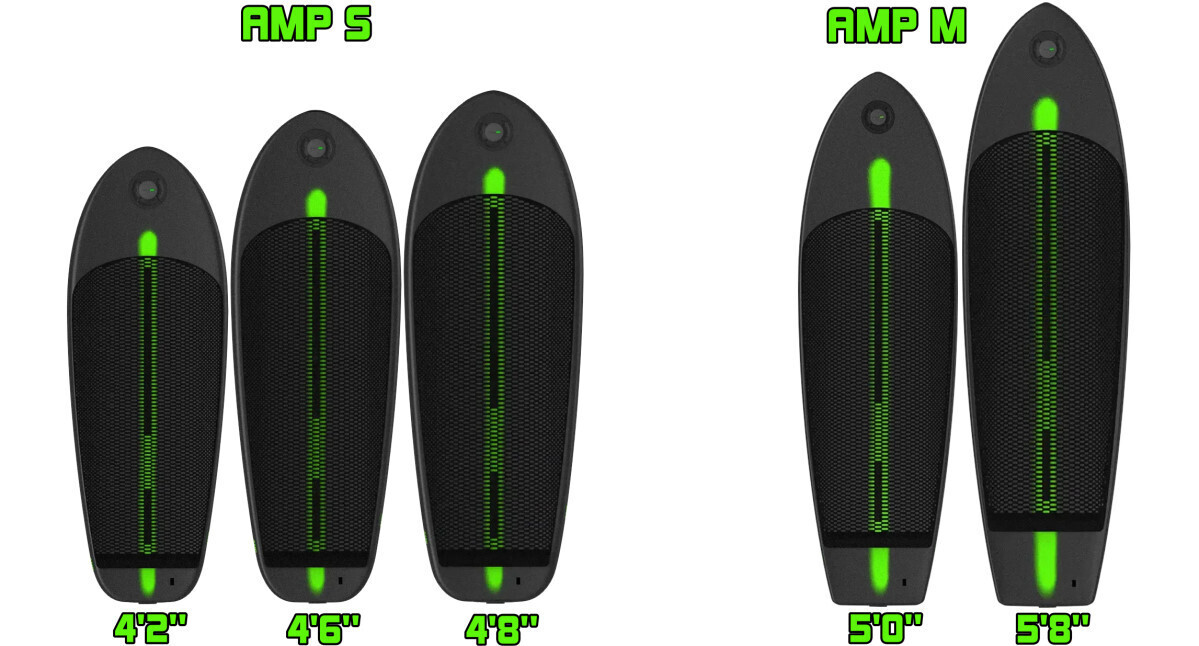
The deck is almost flat with a slight concave. Towards the rails, there's a bit of ramp you can use to gain extra leverage over wider foils. The board isn't terribly wide, but the pad goes right to the edge so you can use it all without feeling like you might slip off. Most pads don't do that, so you'd need a wider board to get as much torque for your high-performance turns.

The board doesn't rely on the jet to sell it; it's a genuinely high-quality carbon board in its own right, which is why that foam blank is included. FLITELab also sells boards without a port for the jet, but they're not making you buy both if you opt for the AMPJet model and want to ride unpowered sometimes. It's lightweight, yet stiff, and a lot of attention has gone into designing the shape, which focuses on turning performance, takeoff ability, and ease-of-use.
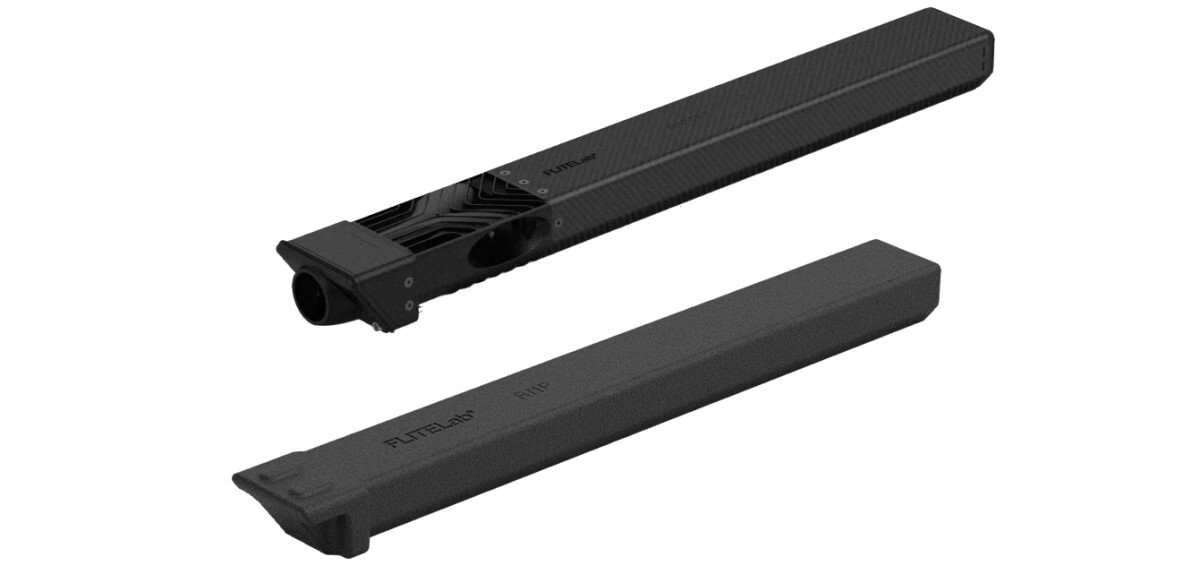
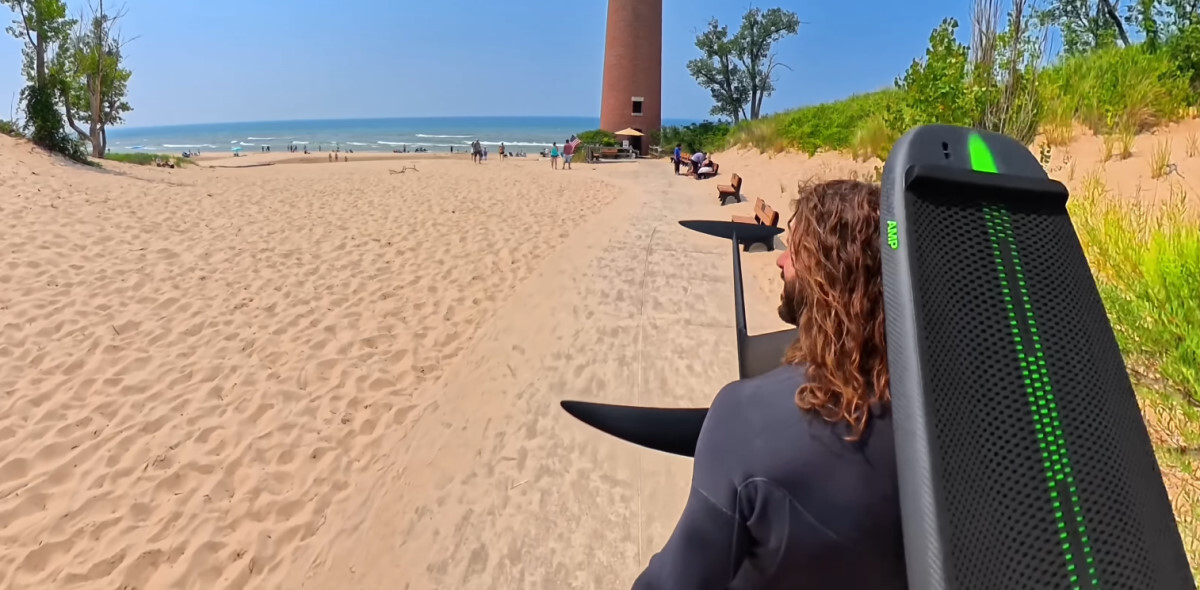
Even with the jet module installed, the board is still shockingly light and balanced. You're not going to sling most eFoils over your shoulder the way you can with the AMPJet. Foil Drives are also quite light, but they take some work to install. We've done an in-depth comparison between the AMPJet and Foil Drive, and it's well worth a look if you're undecided between the two since they each have their strengths depending on what you want to do.
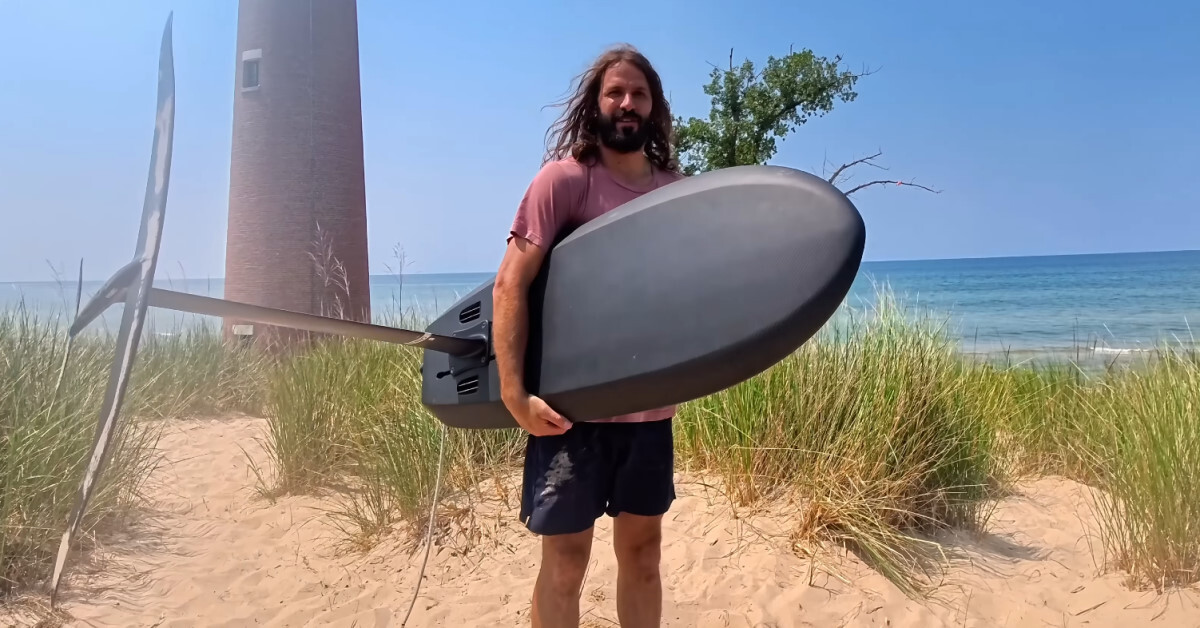
The board has a bit more width where your front foot or chest goes, and that assists in the takeoff by giving you more standing space and keeping the nose up so you don't pearl. The tail is fairly wide for a board this narrow, with a bit of an angle on it. There isn't much board behind the track since you don't need it with a jet assist setup, but there's enough room for the leash plug.

The rocker is quite flat for efficiency and is mostly in the nose. The nose has a bit of a hole, which goes into a double hole under your front foot and out the back. This all helps create lift for takeoff. The chines do a nice job of reducing drag once you're up to speed, and they give you additional stability and clearance on turns. The track has drop slots so you don't have to take your T-nuts out, with jet drive intakes on either side of that. The jet drive cartridge nestles between the track inside the board, making it so balanced that you'll barely notice the weight.
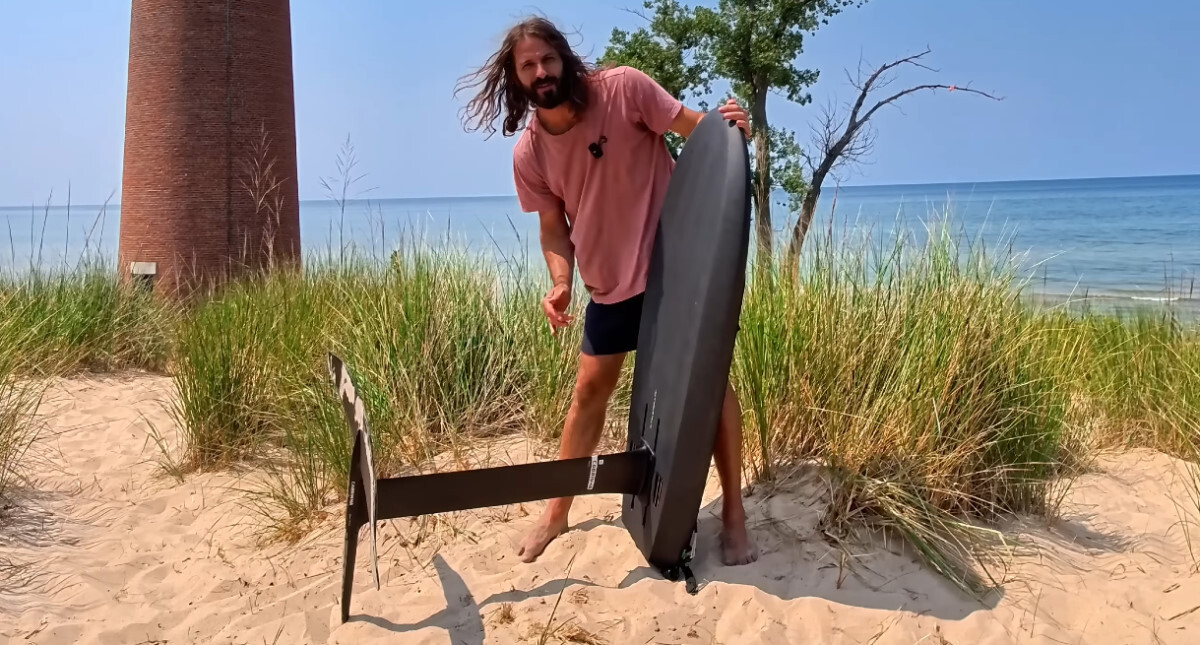
How Does the LAUNCHPad Controller Work?
The LAUNCHPad controller is unique because it isn't handheld. It locks snugly into the nose of the board where it's out of the way of your feet, yet is easy to use while you're prone or on your knees. It has settings for different disciplines, and you can modify these with the phone app. It works remarkably well because the board senses when it's out of the water and shuts the jet off automatically. And if you've ever used a handheld trigger controller, you know how easy it is to give yourself an unintentional boost and buck your nose if you bump the throttle.
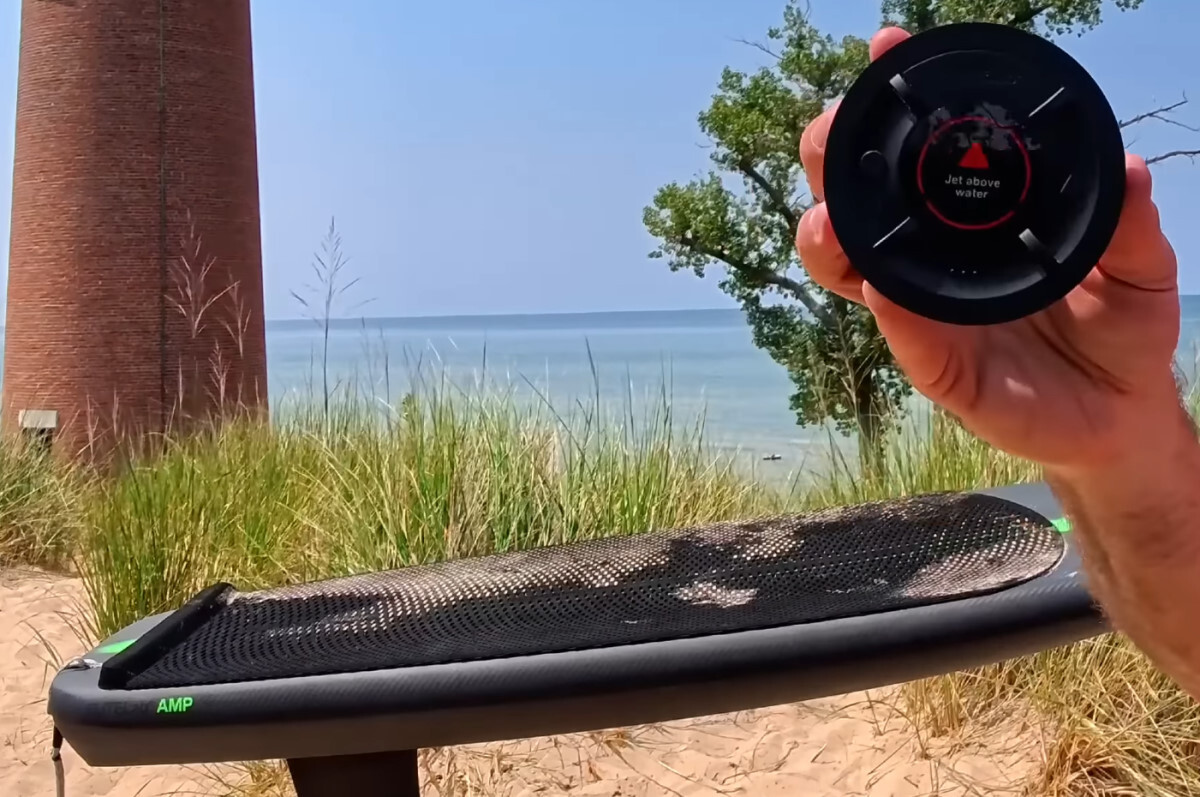
When you power on the LAUNCHPad, you'll see the status of each of your two batteries. If the charge in each is close enough, then you'll be able to operate at full power. Otherwise, it'll run at half power until the battery with the higher charge is close to the other.
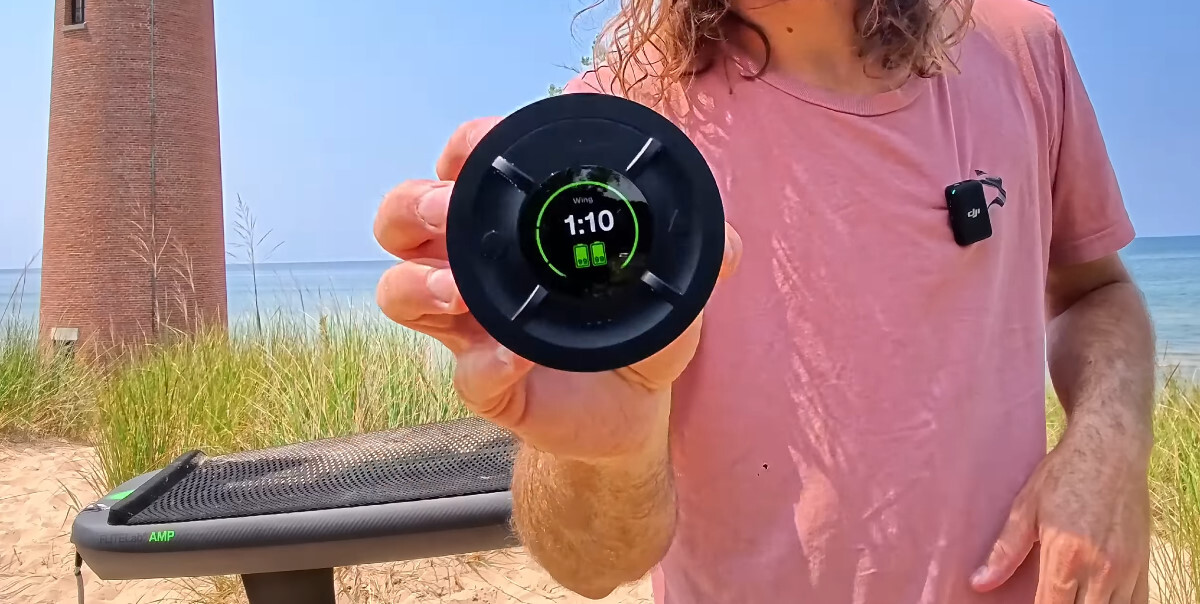
If the launch pad is tilted, it'll assume the board is tilted and you won't be able to power up the jet. That's a safety feature. Another nice feature is that the launch pad will still track things like wave count and distance with the GPS even if you're using the foam blank, so be sure to have it turned on even when the jet isn't installed.
How Does It Work for Wing?
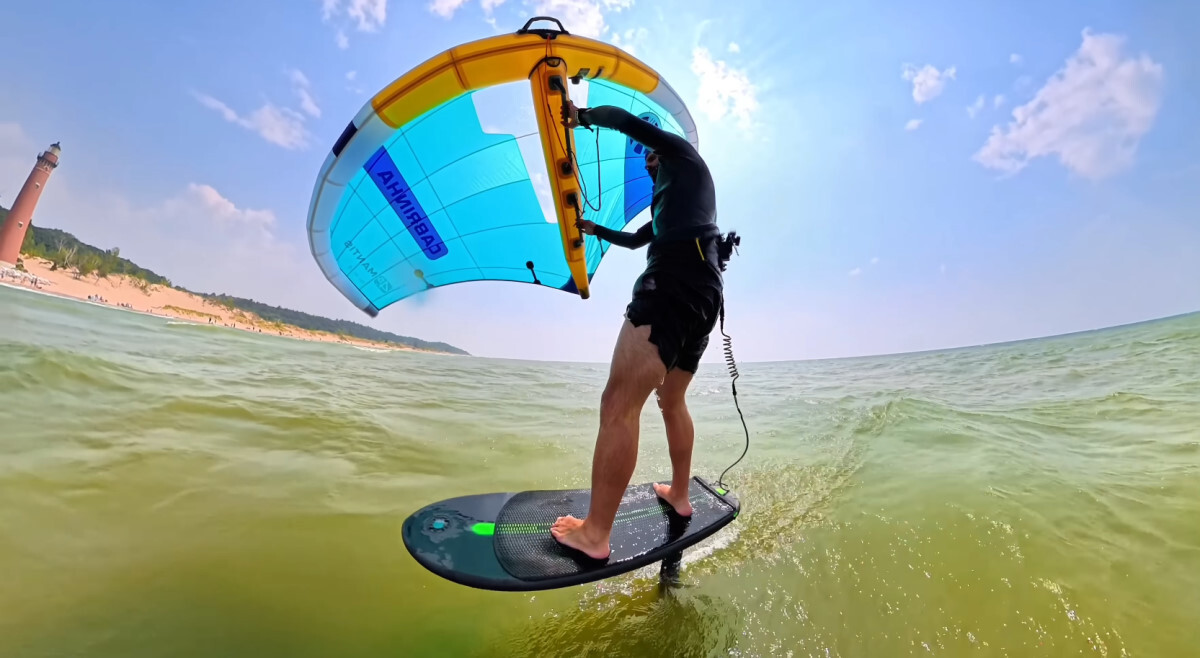
The AMPJet is a game-changer for light wind winging. Once you hit the button on the LAUNCHPad, it waits a moment so you have time to grab your wing in both hands, then accelerates gradually to keep your nose a little flatter. It builds power to 70% of maximum and then stays there to give you time to lift off. Once you're up, the power cuts off and you're winging, just like that. It is insanely easy.

How Does it Work for Prone Surfing?
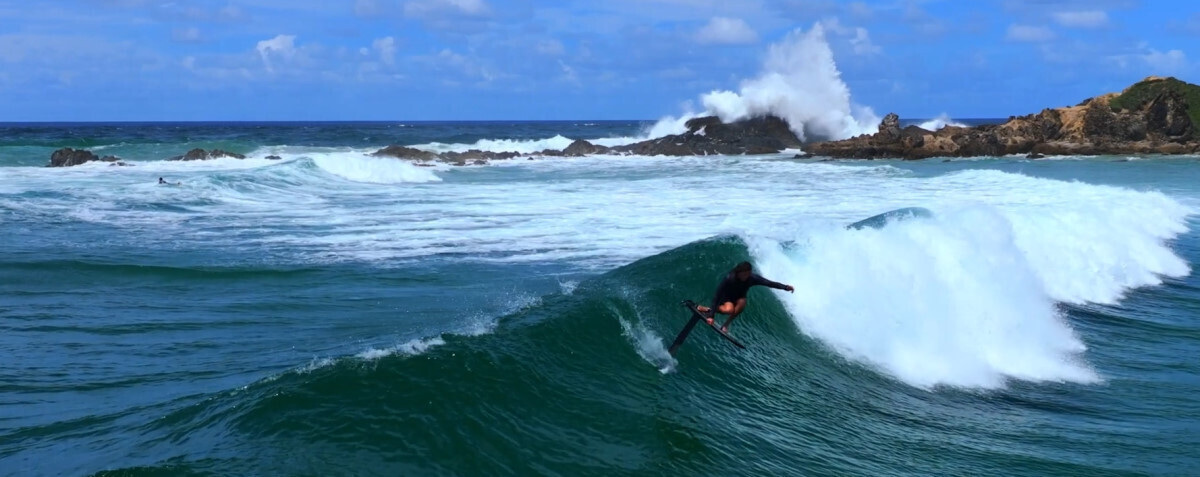
The preset prone profile works well for many conditions, but you can fine-tune that to fit your spot and style. It's a lot of fun to play around with, actually, and FLITELab has a video to show you how. If you want to rocket into a wave, you can do that. Or you can have it be more gradual so you can climb to the surface and keep the nose flat like a sinker start. The paddle assist is incredible as well. You'll zip along smoothly, without the surging you get from paddling unpowered. If you need to duck dive, you can hit the boost and feel like Aquaman as you glide underwater and punch through the back.
What Does Tucker Think?
After he heard about the AMPJet, Tucker was a bit skeptical that it would live up to the hype. It sounded like it'd be heavy, and losing power the moment you lifted off seemed like a good way to come crashing back down. Fortunately, these weren't issues at all. A lot of time was put into designing the cartridge to be as light as possible, and what weight it had was carefully centered over the mast so it'd have virtually no swing weight. And with nothing mounted on the mast, there's no drag to slow you down when you lift off. You just keep going seamlessly.
What's a Good Board Size?
The 4'8" 40L was perfect for Tucker. He prones 40L boards all the time, and though he can wing down to 30L, 40L is so much easier, especially if it's as lightweight as this board is. The wider nose gave him plenty of room for his front foot and while kneeling and helped him plane up. He was able to wing in next to no wind with this setup, where he would have struggled or needed a much longer board otherwise.
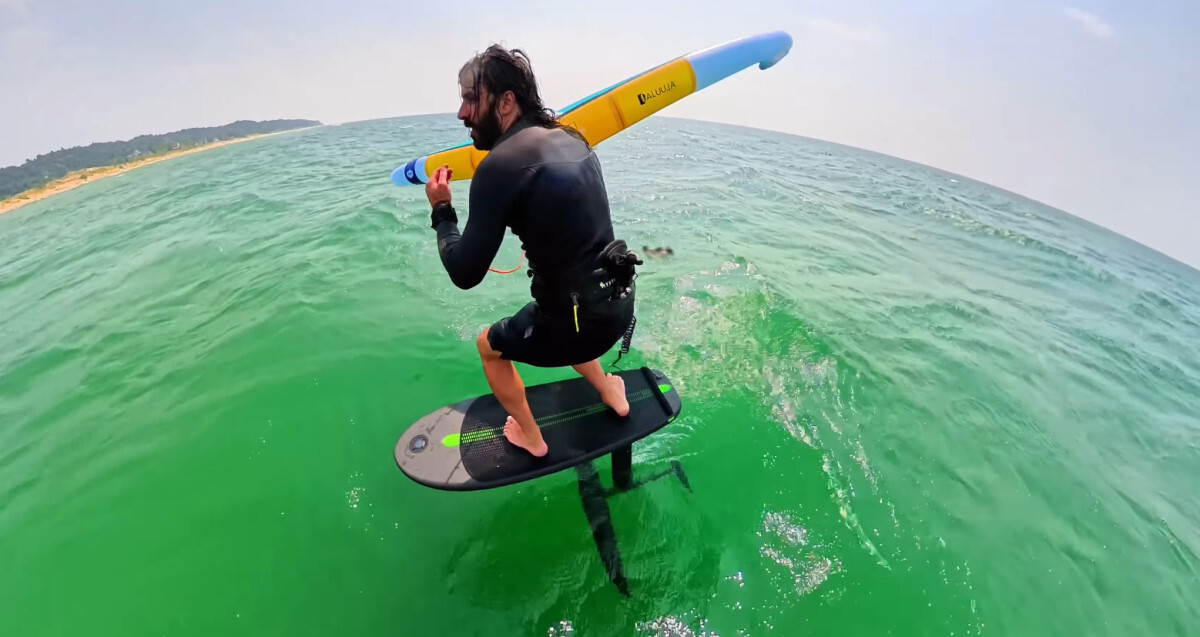
If you're a newer foiler or are just learning to wing, then you should look at the M series boards. These are a little longer, which is incredibly helpful when you need a bit more stability. They're the same lightweight carbon construction, so you won't be giving up much performance, and you'll have a lot more fun while you're picking up new disciplines.
Tucker's Tips
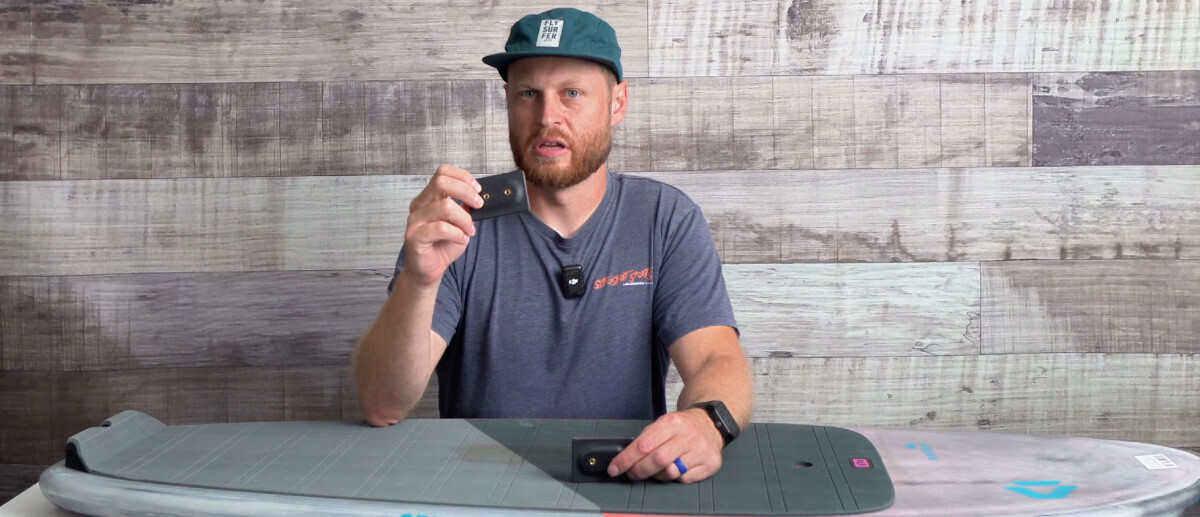
Some wingers like to use footstraps, but the AMPJet boards don't come with inserts. Don't let that be a deal-breaker; NSI has some excellent stick-on footstrap inserts that are lighter weight than installing posts into your board. They're also fully customizable because you can put them anywhere you want. If you want one way up on the nose, go for it. Or an offset back foot on the toeside so you have more leverage in your turns. They're easy to fix if one rips off, and honestly, if your foot pulled that hard, it could've been a trip to ER on a strap that didn't give way.
Would Tucker Add an AMPJet to His Quiver?
Assuming he could get his Finance Minister to approve the purchase, he absolutely would. This is a much easier decision if you're looking at buying two or three boards since this one will do it all. You can use your existing foil since nothing mounts to the foil. And you'll get not only more sessions, but better and longer sessions. You'll catch more waves and you'll spend more time on foil with less fatigue. You'll have a high-performance board on days when you'd normally need a big board. So yes, Tucker is completely stoked about how much the AMPJet adds to his sessions.
Tucker feels that FLITELab hit it out of the park. Everything about the AMPJet exceeded his expectations. That wasn't by accident, either. Lead designer Chris Reynolds put years into its development, determined not to release a version 1 that was merely good enough. He wanted to release a refined product that would take just as much time to improve upon. If you enjoy getting into the nitty-gritty of the tech that went into the AMPJet and what goes into bringing a new product to market, definitely check out Cole's interview with Chris.
So the AMPJet gets two big thumbs-up from Tucker. It's unique and special, and a lot of foilers must agree because it's selling as fast as units come in. Tucker anticipates that this will continue for at least a year as production ramps up to meet demand, so if you want one, go ahead and get on the waitlist.
MACkite Subscription Links:
YouTube | Instagram | Spotify Oddcasts
Contact MACkite Below:
800.622.4655 | Kiteboarder@MACkite.com | LIVE Chat Messenger
Recent Posts
-

Aaron Hadlow Interview: Big Air, Harlem Kites & Kiteboarding Evolution
From 10-Year-Old Beginner to World Champion Rubens: What's up, guys! It's the Brazilian Brothers w …27th Mar 2026 -

Interview with Stig: Big Air, Naish Loyalty & Life Beyond Kiting
Rubens: What's up, guys? It's the Brazilian Bros from MACkiteboarding, and today we've got a very …26th Mar 2026 -
One Board, Every Session | Why We're Stoked on the Omen Emissary
If you've been searching for a single board that can handle light-wind winging, parawinging, prone …25th Mar 2026