
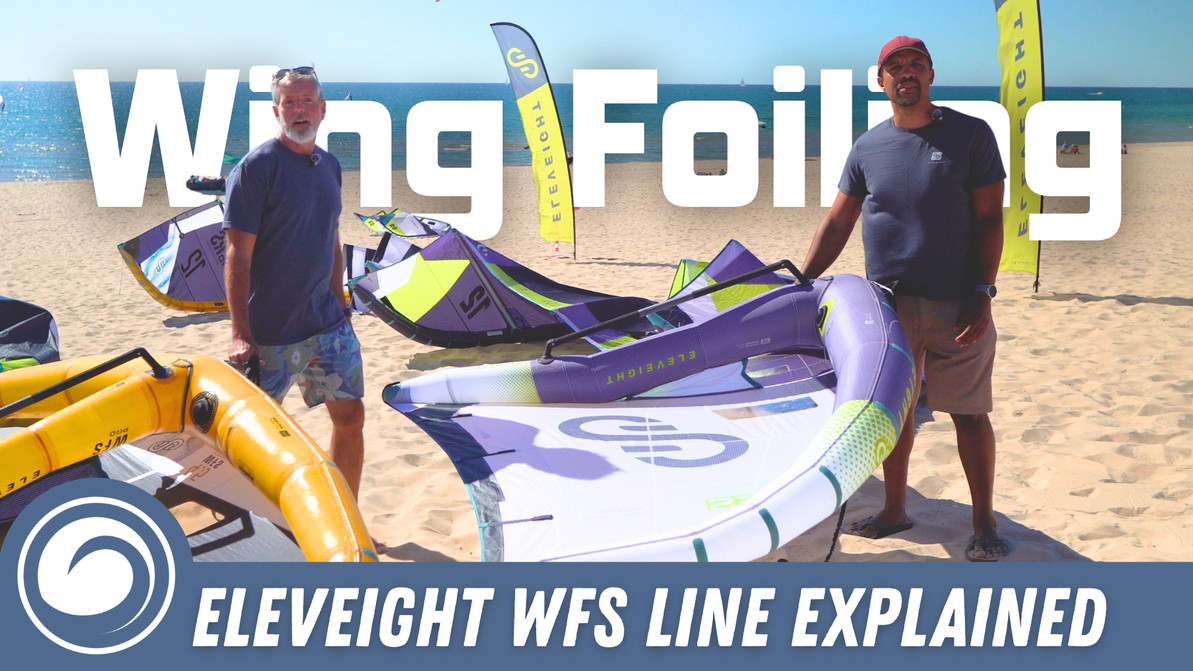
Eleveight WFS Pro V2 vs WFS V6 Wings | Aluula vs Standard Construction
Aaron catches up with Kevin Wade to break down two of Eleveight’s most popular wings—the WFS and the WFS Pro. The conversation blends real-world learning with performance-driven design details, offering a clear view of why these wings have become standouts in the freeride and progression categories.
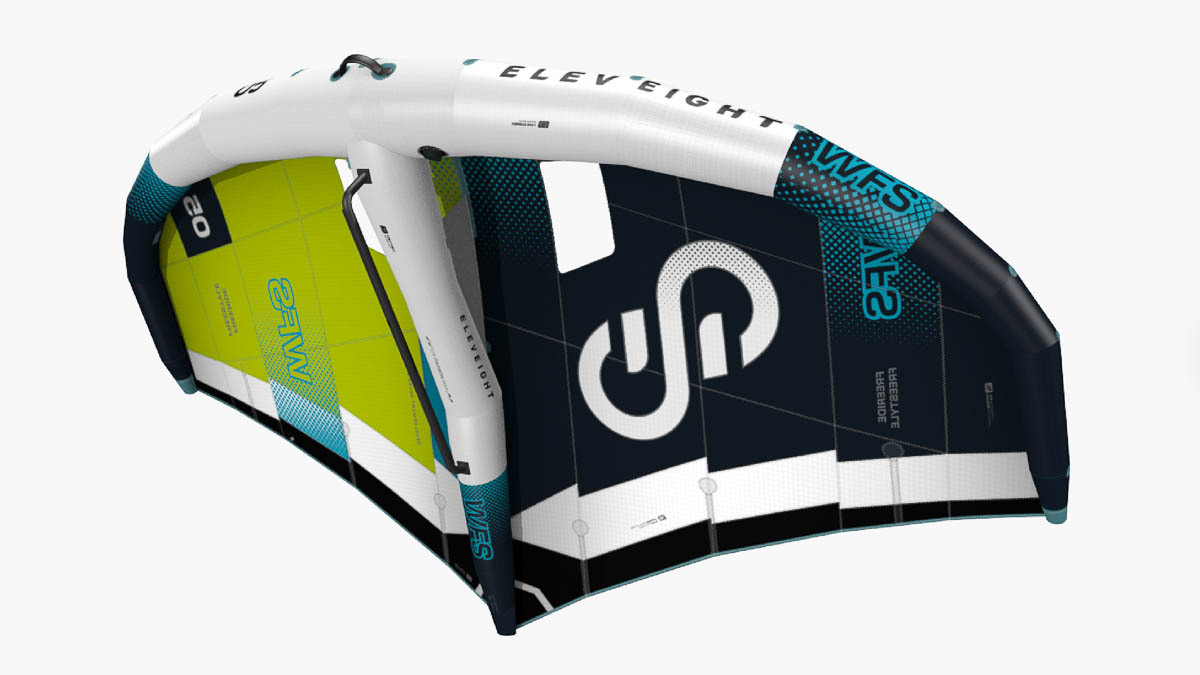
WFS | The Bread-and-Butter Progression Wing
The WFS has been in Eleveight’s lineup for six years and continues to be one of the most accessible and widely used wings in their range.
What Makes the WFS So Popular
- Stable and predictable handling
- Strong low-end “grunt” for easy takeoff
- Forgiving power delivery
- Minimal back-winding
- Easy transitions without the wing pulling out of your hands
Kevin makes an important point—what beginners want is often exactly what pros want:
- Stability
- Predictability
- Ease of use
- Confidence-inspiring handling
When you’re learning jibes or dialing in your first upwind tacks, you don’t want to fight the wing. You want to focus on your footwork and body position—not correcting unpredictable power spikes. The WFS delivers that user-friendly experience without feeling dull or sluggish.
WFS Pro | Elevated Performance with Aluula
For riders ready to push harder, the WFS Pro builds on the same DNA but introduces performance upgrades—most notably Aluula construction in the leading edge and strut.
What Aluula Changes
- Increased rigidity
- Lighter overall feel
- Sharper response
- More efficient pumping
- Improved drift and balance
Because of the added stiffness from Aluula, Eleveight can refine the wing’s shape and push performance further. The Pro maintains forgiveness while adding a more direct, connected feel.
Even as a newer winger, Kevin highlights how the Pro still feels approachable. The lightweight structure makes it forgiving, yet capable of more advanced maneuvers as progression continues.
Carbon Boom Integration | Clean and Balanced
One standout feature across both models is the carbon fiber boom.
Why It Matters
- Keeps the wing light
- Maintains stiffness and control
- Creates a clean, integrated aesthetic
- Excellent balance when flagged out
Aaron specifically notes how the boom feels almost weightless in hand—even in 15mph conditions with whitecaps forming. That balanced feel is something riders consistently compliment.
The boom diameter is comfortable, and the overall integration looks polished and intentional—not like an afterthought.
Pressure Tuning | Dialing In Performance
Both wings feature clear PSI recommendations printed near the inflation valve. Eleveight encourages riders to adjust pressure based on wind strength:
- +1 PSI for heavier wind
- –1 PSI for lighter wind
Kevin compares it to old-school windsurf sails—slightly softer for pumping and low-end power, tighter for high-speed control and stability. This simple adjustment gives riders a noticeable difference in feel and performance.
High-Pressure Inflation System
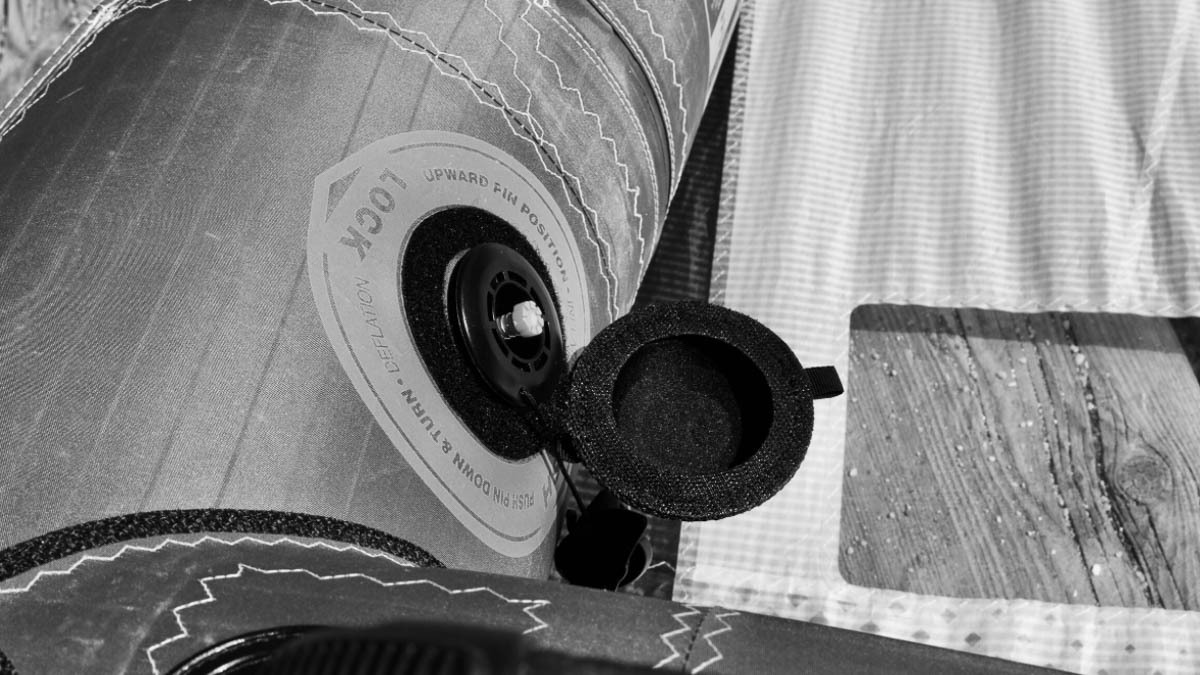
Eleveight has upgraded to a high-pressure flush-mount inflation valve system.
Benefits Include
- Easy inflation and deflation
- Clean, streamlined design
- Maintenance-friendly (includes a tool for replacement)
- Consistent rigidity
This system is being implemented across more of their lineup—including Pro kites—showing a move toward higher performance and cleaner engineering throughout the brand.
Windows | Functional Without Sacrificing Structure
The window placement is practical and rider-focused.
- Positioned where visibility matters most
- Not oversized or intrusive
- Doesn’t compromise panel structure
- Provides confidence in crowded conditions
Kevin humorously describes himself as “a large individual and a full-on kook,” but emphasizes that he’s been able to navigate safely and confidently thanks to the window visibility. They’re not giant panels—but they’re exactly where you need them.
Materials Breakdown
WFS
- Durable construction
- Carbon boom
- Stable freeride profile
- Strong low-end power
WFS Pro
- Full Aluula leading edge and strut
- XT leading edge material (second iteration)
- XT Light material in larger sizes
- Lighter feel for lighter wind days
- No added cost to the consumer for upgraded materials
Using XT Light in larger sizes helps keep weight down, maintaining performance when the wind drops.
Riding Style | Who Are These Wings For
Both the WFS and WFS Pro sit squarely in the freeride-freestyle category.
They are ideal for:
- Beginners learning fundamentals
- Intermediate riders refining transitions
- Freeriders who want smooth power
- Freestyle riders building consistency
- Wave riders wanting light drift
The Pro shines especially for riders seeking an extra edge in response and rigidity, while maintaining approachability.
Key Takeaways
- The WFS is one of Eleveight’s longest-running and most trusted wings.
- The WFS Pro adds Aluula construction for lighter weight and sharper response.
- Both wings prioritize stability and predictability.
- Carbon boom integration keeps handling light and balanced.
- PSI tuning gives riders simple control over performance.
- Window placement is functional without compromising structure.
If you’re looking for a wing that grows with you, from your first water start to more advanced maneuvers, these models offer a strong progression pathway.
We’re Happy to Help!
Got some questions that we can help with? Please send us an email at: Kiteboarder@MACkite.com
Good winds to you!
Recent Posts
-

Reedin SnackPack | Why Kiters Are Calling it the Funnest Board in Years!
At the 2025 King of the Great Lakes event on Lake Michigan, the MACkiteboarding crew got an early …20th Mar 2026 -

Airush Ultra Team V5 Kite Review
The Ultra Team V5 from Airush takes the concept of kite foiling efficiency further, introducing a …19th Mar 2026 -
2026 F-One UHM Mast, T2 Connection, SK8 V3, and Eagle V2
The 2026 F-One hydrofoil lineup introduces meaningful upgrades aimed at improving stiffness, effic …11th Mar 2026