
Code Kanga Foils Review: Purpose-Built for Pumping
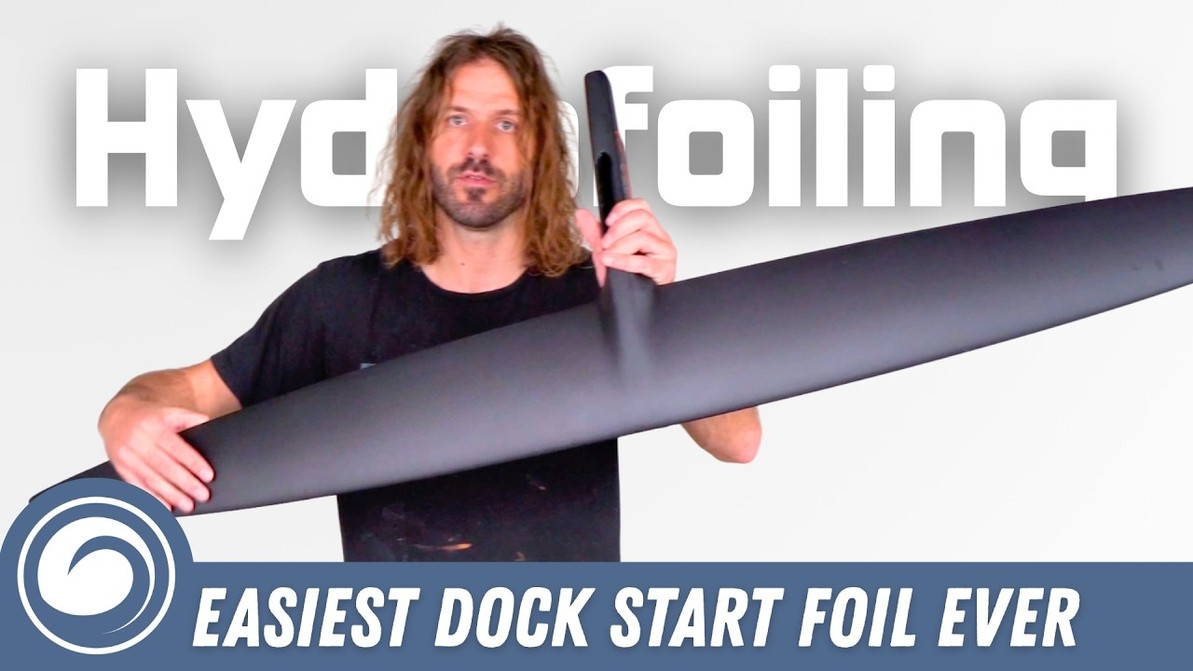
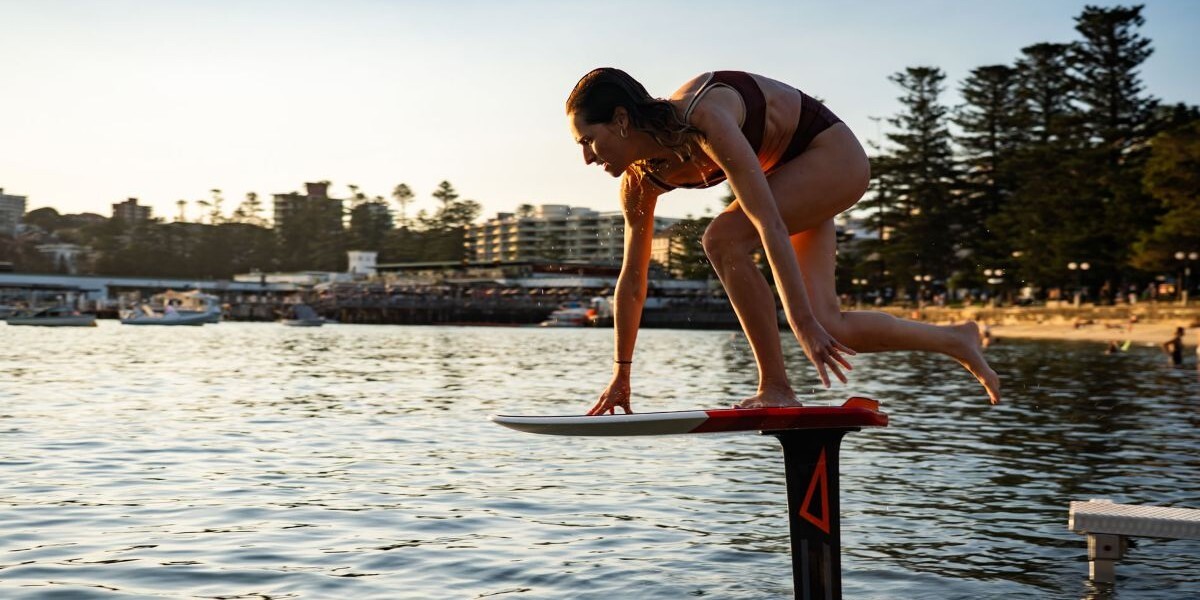
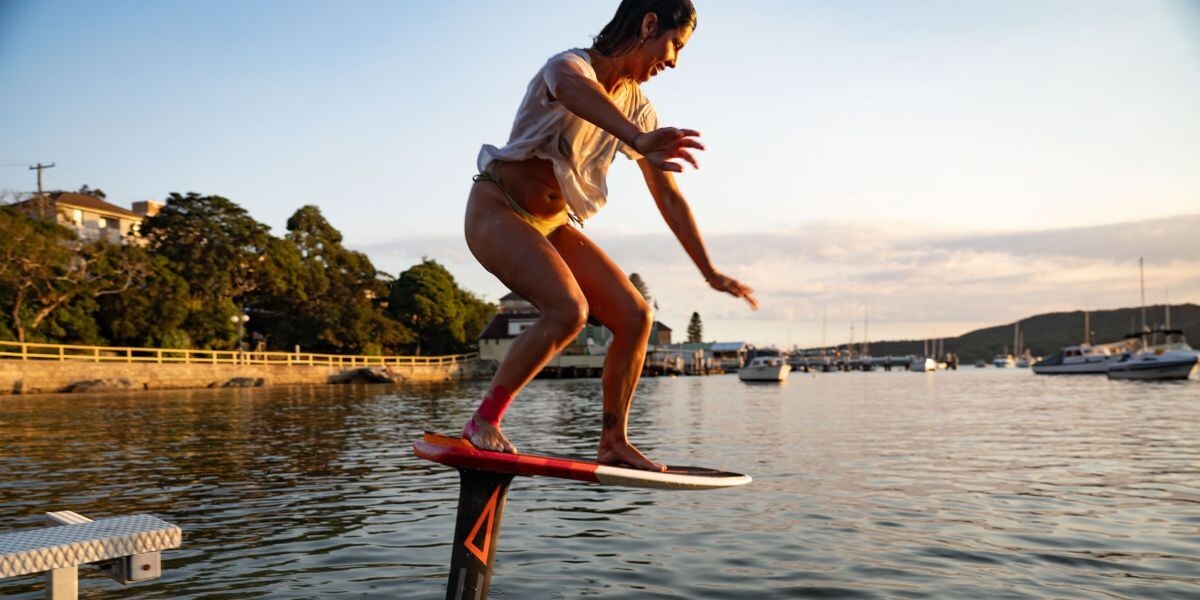
Tucker is taking a look at the new Code Kanga foils. As the name indicates, these are for hopping around, dock starting, and anytime you're riding at super slow speeds and want that extra efficiency and pumpability to keep you going with no energy out there.
Whether it's flat water pumping, practicing your SUP paddle-ups, beach starts, light wind winging, or light wind parawing riding, these are built for maximum low-speed ability and the minimum stall speed possible. In other words: Code has totally killed it with this design.
The Kanga Lineup: A Different Breed of Animal
The range goes from the massive 2220 down to the 1870, 1600, and 1390. While testing, Tucker actively tried not to pay attention to the numbers because these foils are a different breed of animal. Their size isn't really indicative of the amount of lift and low-speed ability they have. If you've dock started or ridden bigger foils before, you might think the 1870 isn't that huge or the 1600 is an average size, but don't let the numbers fool you — they have a ton of lift for their size.
Kanga 2220: The Distance King
Tucker started big and worked his way down the line to see where he'd end up at 190 pounds. The 2200 is the easiest dock start foil he's ever had coming off the dock. It has so much lift, glide, and efficiency that you don't even need to run into it — just push it out in front of you, jump on it, and it starts to glide and take off. It's a really easy foil to pump for a long distance.
Tucker easily smashed his previous distance record on his first time out, before even playing with different tails and stabilizers. He used the small 151 rigged up and it went incredibly well, though he felt it was probably a little over-stabilized for his ability and where he's at. He looks forward to fine-tuning it for long-distance endurance setups. The span is huge, but the foil section is still very efficient and fast, so it doesn't take a lot of energy to keep it going.
It really wants to pump in straight lines. If you lean into a turn on the 2220, you're probably just going to fall off the board. It requires a super stiff mast — Tucker used an 80cm+ stiff mast — but even then, a foil this size takes a while to initiate a turn and requires balance and patience coming out of it. This one is built for those marathon one, two, or three-hour pumps where you're staying centered and making very broad arcs.
Kanga 1870: The Go-To for Beginners
Coming down to the smaller 1870, this is the lowest aspect of all the options (9.1). It's the go-to for anybody who's never dock started before, as long as they're in a normal weight range. It gives you a ton of lift off the dock and a little more agility in the turn, plus the ability to correct if you get off balance.
It features a big, thick foil section with quite a bit of reflex and camber built in, plus fatter tips with more volume. That gives you more lift for its size. It has a little less efficiency in terms of distance and glide compared to the 2220, but it's easier to pump and control for people new to pumping and dock starting.
Kanga 1600: The Versatile Favorite
Next down the line is the 1600. This is where Tucker really started to find his stride. Being a little higher aspect (10.6), it's still efficient but has thinner tips. This one was a ton of fun and still extremely easy coming off the dock for someone with intermediate-level dock start experience. Tucker is certainly no endurance athlete, but he was still able to pump for a few minutes at a time without honing in on any special pumping technique.
This one was probably one of his favorites in terms of versatility off the dock. If you aren't just going for marathon runs and want some turning performance — maybe do a little wake thieving, get some glide into some swells, and then transfer that into ultra-light wind winging and parawing riding — this one is fantastic and very user-friendly. If you're a lighter rider (under 165 lbs), you could skip the 1870 and go straight to the 1600. It'll have a little more efficiency in the glide without all the chunky meat of the 1870.
Kanga 1390: Surprising Low-End and Playfulness
Lastly, the 1390. Tucker was honestly a little hesitant about whether he'd be able to get this off the dock with any consistency at 190 lbs. He's dock started foils this size before, like the Code 1250R, but his success rate tanks because it needs so much speed — you have to run it off the dock at full speed and be right on it. The 1390 Kanga shocked him at how well it came off the dock.
Like the rest of the range, it has a lot more lift than its size would indicate. It features a really efficient, higher aspect design with good meat through the center and a very lifty foil section, but it thins out toward the tips so you gain extra speed and breach ability. You can get a few inches of this foil out of the water in turns without much consequence.
If you like to pump around with a little more speed, get some turns in, feel more playful, wake thieve on bigger wakes, or downwind in small swell, this is the guy for you. If you're an experienced foiler and don't need a huge foil for light wind ability, you can make up for it with your efficiency and pumping technique. This thing gives you a ton of low end, comparing more to 1500 or 1600 type foils.
Code Kanga vs. S and R Series
One of the biggest questions is how the Kangas differ from other Code foils, like the 1725S, 1540S, or 1250R. As a general rule, the Kangas are in their own territory. The S and R series are designed for performance, taking into account top-end range and surfability. In the Kanga series, what's most important is glide efficiency, low-speed lift, and stall speed.
Because of that, all of these have more lift than anything in the Code lineup. The 1390 has more lift and low-speed ability than the 1725S. The 1725S is a phenomenal dock start foil — playful, fun, and speedy — but it lacks the ease of use and distance efficiency of the Kangas. The Kangas are going to be a little too slow if you're chasing boat wakes or doing downwind runs in waist-high swell, but if you're chasing no-wake zones going 3 or 4 miles an hour, they're perfect.
Mast and Stabilizer Setup
The Kangas come with a high-quality cover and the necessary mast and fuselage screws. For the mast, the aluminum mast is going to be a really popular pick for these. It's really stiff, and you don't necessarily need the top speed of the carbon masts. The aluminum is nearly as stiff, and the foil section on it is built for lower speed riding, which fits the Kangas really nicely. It saves you money for another size as you progress. Tucker rode the 80cm+ mast, which is a great length — 85cm might start to get a bit long and flexy for these massive wings.
When you start pairing these with smaller tails and stabilizers, they really open up and get more fun. Tucker was riding predominantly with the small 151R, the 142AR, and the 100 Race:
- 142AR: A lot of fun on the more maneuverable foils, giving a surfy feel with a shorter tail.
- 151R: Very efficient and easy to ride.
- 150AR: A great choice for stability and glide efficiency. If you land a little wrong, it's stable enough to glide you out while you adjust your feet. Perfect for those still learning.
- 100 Race: For marathon sessions, a shorter fuselage and a smaller stabilizer like the race stab will give you maximum efficiency and glide.
If you're an intermediate or better pumper and want a bit more speed, playfulness, and turning ability, the 1390 and 1600 are a ton of fun. If you're looking to smash records and pump for hours, size up to the 2200. Code has absolutely nailed the sizing and the distinct shapes across this lineup to give you exactly what you need for your low-speed foiling sessions.
The MACkite Take
The Code Kanga range isn't about specs on paper — it's about lift, glide, and stall speed at the low end of the range where every other foil design starts to struggle. Don't judge these by their surface area numbers, because every size in the lineup delivers more low-speed lift than you'd expect from that number on any other foil.
- Kanga 2220 is the marathon king. Easiest dock start foil Tucker has ever ridden, built for long straight-line pumps in one, two, or three-hour sessions. It doesn't want to turn — commit to broad arcs and record-chasing distances.
- Kanga 1870 is the beginner's dock start pick. Big thick section, fatter tips, and easy correction if you get off balance. Best choice for average-weight riders who have never dock started before.
- Kanga 1600 is the most versatile of the lineup. Still very easy off the dock, but with real turning performance for wake thieving, swell glides, and light-wind winging or parawinging. Lighter riders (under 165 lbs) can skip the 1870 and start here.
- Kanga 1390 is the playful one. Higher aspect, faster, breach-tolerant tips, and shockingly good low-end for its size — comparing more to a 1500 or 1600. Best for experienced pumpers who want speed and turning without giving up the ease-of-use DNA.
- Pair with the aluminum mast and pick your stab. The aluminum mast is stiff enough for the Kangas without paying for carbon speed you won't use. 80cm+ is the sweet spot; 85cm gets flexy. Stab lineup: 142AR for surfy fun, 151R for easy efficiency, 150AR for stability while learning, and 100 Race for marathon endurance runs.
MACkite Subscription Links:
YouTube | Instagram | Spotify Oddcasts
Contact MACkite Below:
800.622.4655 | Kiteboarder@MACkite.com | LIVE Chat Messenger
Recent Posts
-

2026 Cabrinha Unify Control Bar Review
The Brazilian Brothers are in windy Brazil to provide a thorough review of the brand-new 2026 Cabr …23rd Oct 2026 -
Naish Hatch V2 Parawing Overview
Jeff takes a few minutes out from the KoGL event to chat with Adam Carr from Naish about the Hatch …22nd Oct 2026 -
Flysurfer Soul 4 vs Sonic 5: Which Kite is for You?
Jeff is on the beach at KoGL with Marie-Eve from Flysurfer to discuss the growing excitement surro …20th Oct 2026