
Why Kiteboarders Are Switching to Winging
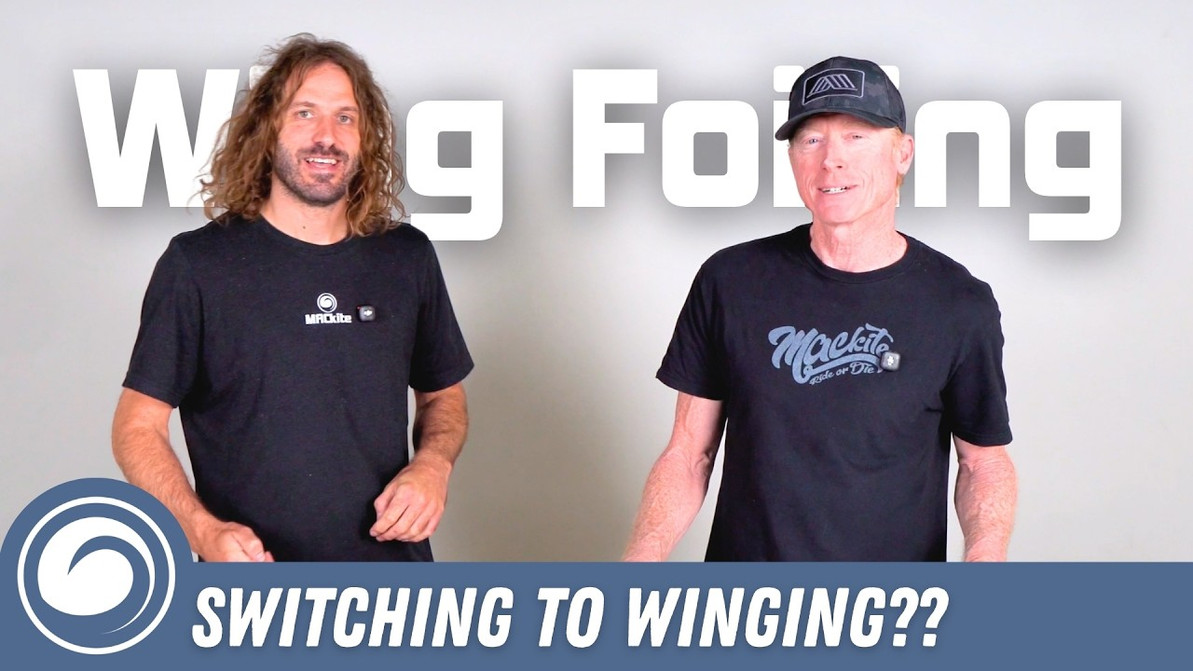
Jeff and Tucker dive into what's been the biggest wind sport growth over the last four to five years: winging. It's booming everywhere. Whether you're at Hood River, La Ventana, the East Coast, or local lakes, rivers, bayous, and reservoirs, you're starting to see these "butterflies on the water." Winging is bringing wind sports to the masses and to every puddle in the world.
Jeff notes that kiteboarding really took off across North America around 1999 and 2000. MACkite started lessons in '99 and was selling gear in '98, right on the front edge. Now, they're looking at why kiteboarders and kite foilers are deciding to jump over and become wingers, boiling it down to three main reasons.
Reason 1: Accessibility
The first big reason is accessibility. As you get more seasoned at kiteboarding, you can self-launch and self-land, but anytime you try to go to a beach or a lake with trees, swimmers, beachgoers, or boats, setting up becomes dicey. Winging solves this limiting factor.
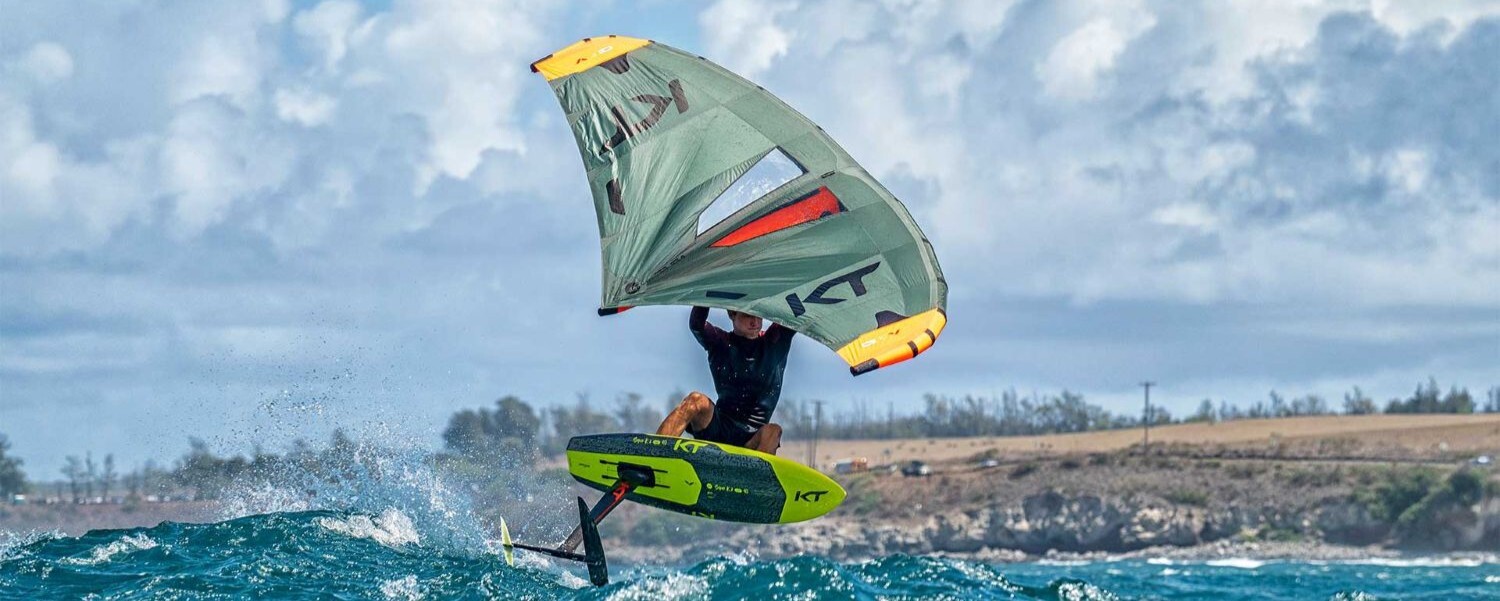
You see it a lot in mountain lakes where action sports people vacation. They want something fun to do, but they can't kite safely because there isn't a great launch and land area, or the wind is fluky and gusty. If you get blown downwind while kiting, there might be no safe place to pull out. Winging solves most of those issues. You need very little location space to set up, you can handle crappy, gusty wind, and you can ride in anywhere from 5 to 50 knots. If there's water and wind, you can do it almost anywhere.
Reason 2: The Feeling on the Foil
Tucker's Transition to Winging
Tucker got into winging on the very front end before it even launched to the public as a sport. They were getting samples from brands like Slingshot, Duotone, and Naish to test. Admittedly, it was a lot harder back then. They had spotty 4-meter wings, didn't really know what boards and foils to use, and were using huge boards with a lot of drag. Coming from a kite foiling and surf foiling background, they were used to much smaller, faster foils, so it was a learning curve.
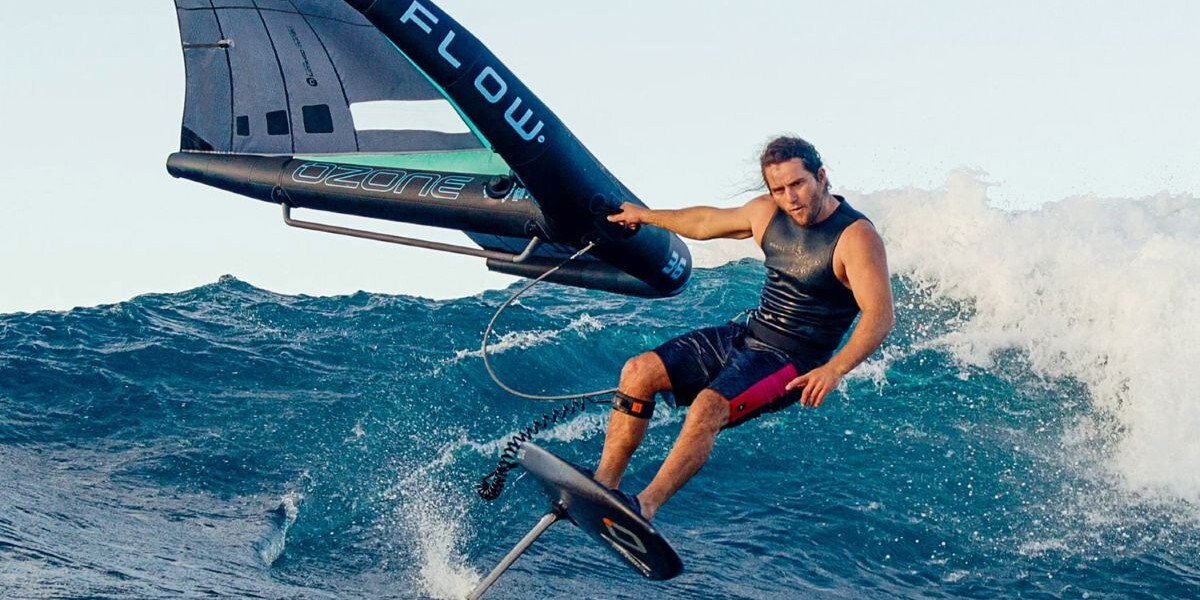
Tucker immediately saw the possibility, though. They loved kite foiling in waves but were limited by line tension and kite control. Winging clicked quickly because it let him ditch the 20-meter lines, dish the power, and ride a wave on a foil. They viewed it as a downwind wave board. Once they figured out the gear and learned to ride upwind, which was a real accomplishment at that point, they could ride smaller foils and realize the full potential of riding waves unencumbered.
Jeff's Transition
Jeff's transition was different. Initially, he thought winging looked boring. As a kiteboarder who liked to jump and do tricks, watching people just "mowing the lawn" didn't appeal to him. He got into winging when he was a "fit 50." He'd spent years kiting, checking off all the boxes: tricks in both directions, flat water, waves, and jumping obstacles. He was looking for a new thrill.
When he finally gave it a try, the foil bit him. The feeling you get on a foil when you're being powered by a wave brings the same endorphins as being up in the air jumping a kite — but instead of being in the air for a few seconds, you can ride a wave for minutes. It's about riding the elements. It's like riding powder all day on a snowboard or surfing endless waves: you never get sick of it. Now, four years in, Jeff is into parawing, doing downwinders, riding bigger waves, and becoming more surf-oriented. At 55, he feels he can still progress at a high level in a water sport without the heavy impact on his body, while still getting that adrenaline rush.
Reason 3: Ease of Entry and Safety
The final major point is the ease of access and entry into the sport. Winging is simply less intimidating. You don't necessarily need a lesson, you can dish the power easily, and you don't need someone to launch your kite. You just paddle out, get up, and give it a whirl. If you get in trouble, you just paddle back in.
It's much less scary than having a kite drag you through the water by your waist. When you make mistakes in winging, the consequences are usually just falling in the water. You aren't worried about 65 feet of lines, boats, docks, or other people in your way. Relaunching a kite and riding upwind is hard to learn, making winging much easier to step into lightly. You can push your limits safely because it's inherently less dangerous than crashing a kite.
The Vibe: High-Paced Adrenaline vs. Endless Flow
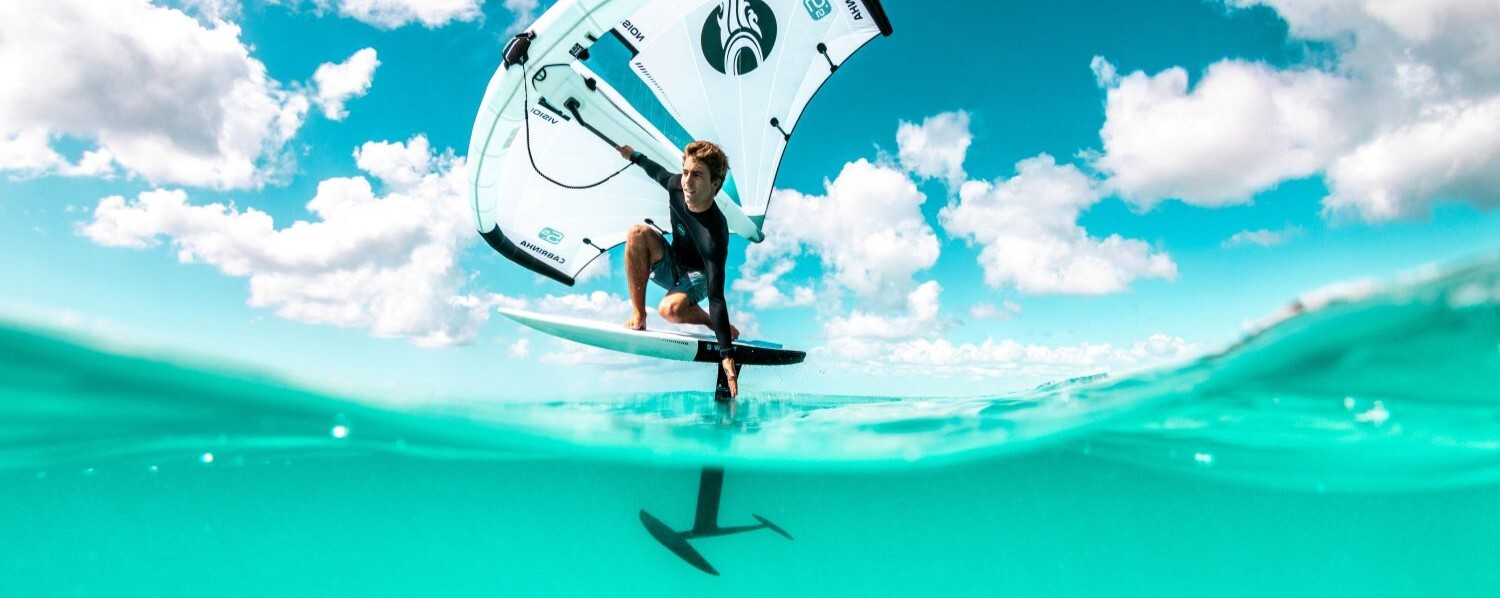
Kiteboarding is still amazing for big air and going fast. Tucker compares the kiteboarding vibe to high-paced, high-energy music, while winging is more like a chill Bob Marley track, just flowing with the waves. Both are incredibly fun, but winging brings joy back to local, less-than-ideal spots and offers endless, safe progression.
If you have questions or want to get set up with a wing foiling package, reach out to the team at MACkite. They're always happy to chat and get you set up on the right gear.
The MACkite Take
Winging isn't replacing kiteboarding — but for a lot of experienced kiters, it's opening up spots, sessions, and feelings that weren't reachable before. Here are the three reasons Jeff and Tucker keep hearing from riders making the jump.
- Accessibility solves the "nowhere to launch" problem. Mountain lakes, tree-lined beaches, spots with swimmers or boats: all places where kiting gets sketchy. Winging works in tight spots with fluky wind, and the 5 to 50-knot range covers almost anything you'd want to ride.
- The foil-on-wave feeling is a longer, deeper endorphin hit than a kite jump. Jeff's frame: kite jumps last a few seconds, foil-powered waves last minutes. It's the same reward that keeps snowboarders chasing powder or surfers chasing sets — you never get sick of it.
- Low intimidation lets you push your limits safely. You don't need a lesson, a launch partner, or 65 feet of lines. Fall off? Paddle back in. That's it. Push harder in winging without the crash-a-kite consequences that make kiteboarders hold back.
- Winging is a sport you can stay in for the long haul. Jeff started at "fit 50" and at 55 he's still progressing into parawing, downwinders, and bigger waves. Low impact, endless progression, and the adrenaline is still there: the equation stays good for a lot longer than most action sports.
- Kiteboarding still wins for big air — these aren't replacements. Tucker's analogy: kiting is high-energy adrenaline music, winging is Bob Marley flow. Different vibes, both worth having in your quiver.
MACkite Subscription Links:
YouTube | Instagram | Spotify Oddcasts
Contact MACkite Below:
800.622.4655 | Kiteboarder@MACkite.com | LIVE Chat Messenger
Recent Posts
-

Mystic Majestic X Hardshell Harness Review
The Brazilian Brothers are back to bring you a special review of the Majestic X harness by Mystic. …27th Oct 2026 -

2026 Cabrinha Unify Control Bar Review
The Brazilian Brothers are in windy Brazil to provide a thorough review of the brand-new 2026 Cabr …23rd Oct 2026 -
Naish Hatch V2 Parawing Overview
Jeff takes a few minutes out from the KoGL event to chat with Adam Carr from Naish about the Hatch …22nd Oct 2026