
Code Foils Kanga 1870 Review: Best Dockstarting Foil?
The Easiest Foil to Learn Dock Starting
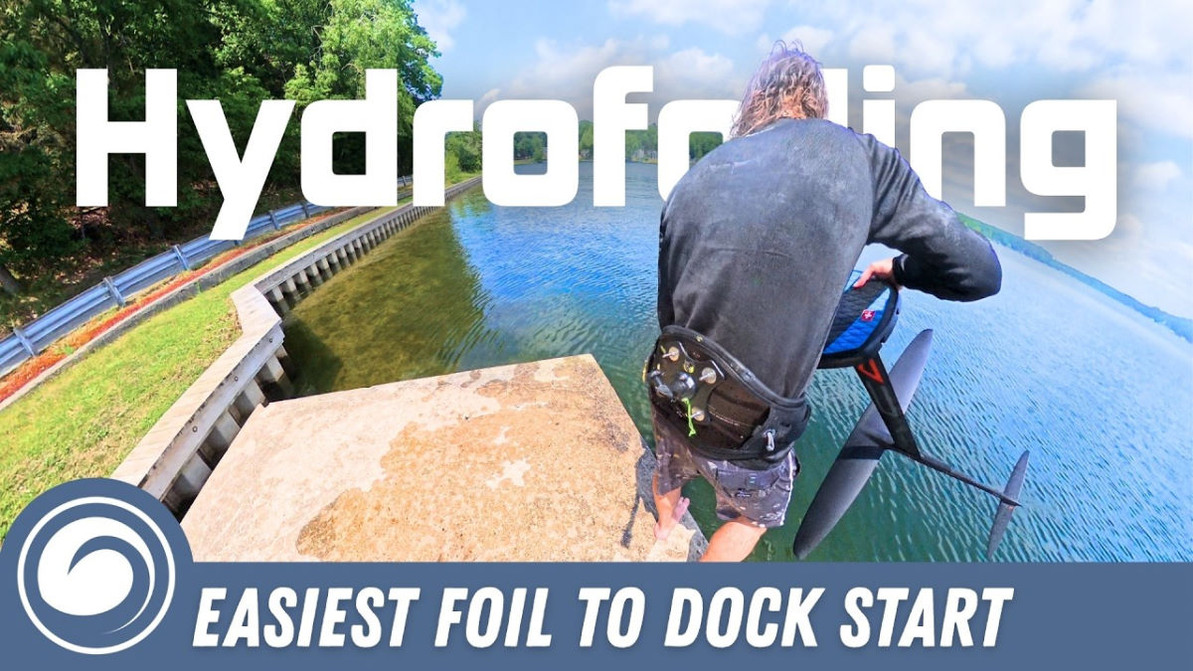
This edition of Foil Fridays is a combination tip and product review. Tucker and Ryan from MACkiteboarding are back to talk about what they found to be the absolute easiest foil to learn to dock start so far. Whether you are using a dedicated dockstart board or a Foil Scoot, this setup was the clear standout from all the testers at their recent Dock-a-Palooza event.
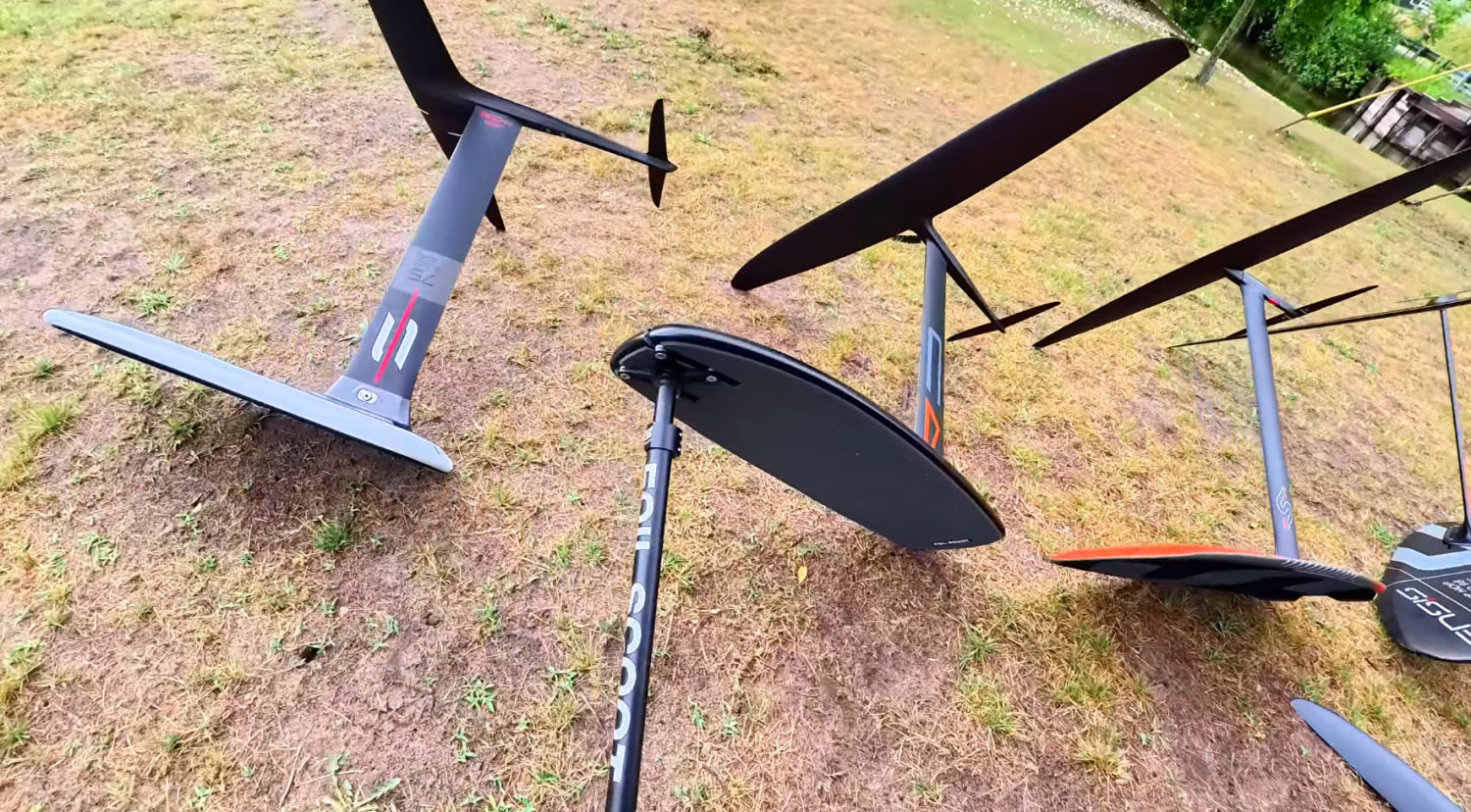
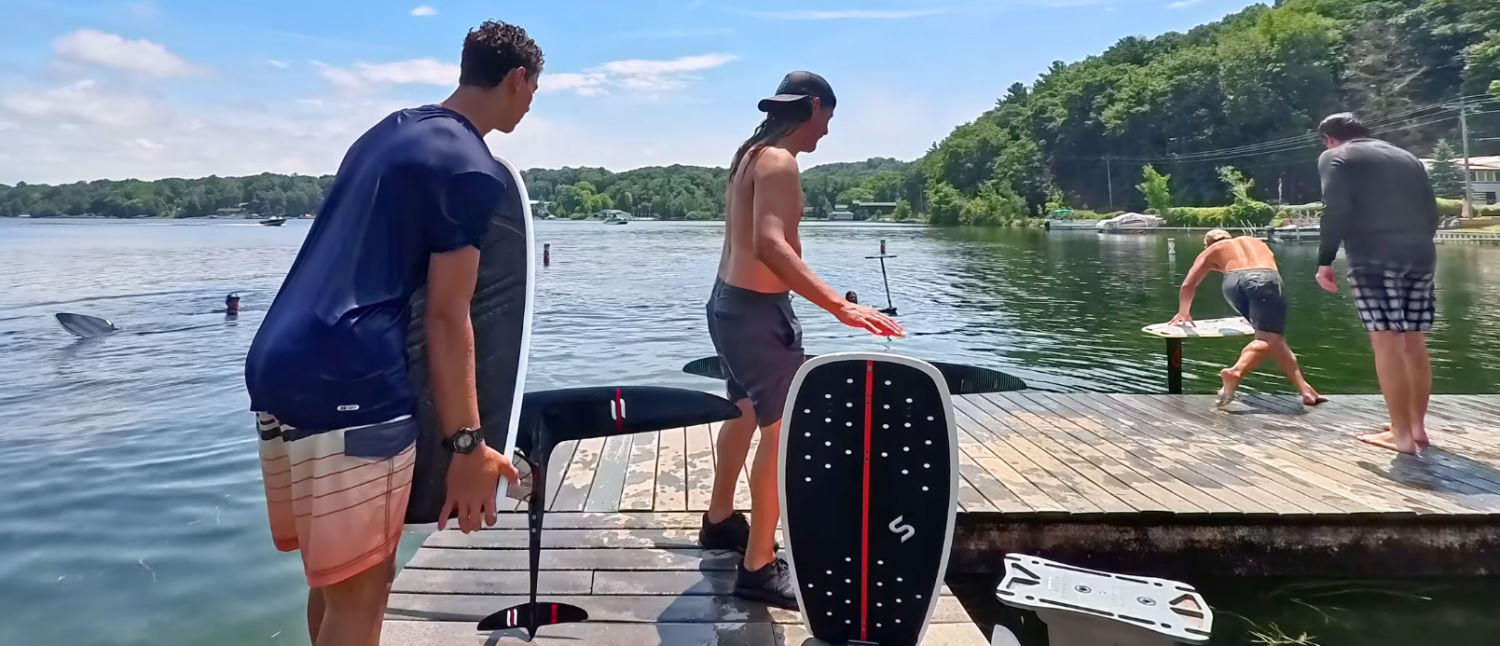
Across the board, everybody listed the Code Kanga 1870 as their easiest dockstart foil. The testing pool ranged from first-time riders hopping off the dock to experts like Hunter, who has thousands of hours of practice and foil testing under his belt. Tucker and Ryan sit somewhere in between as a good representation of the average Joe, and they found this setup to be the ultimate cheat code for a sport that can honestly be pretty difficult to master.
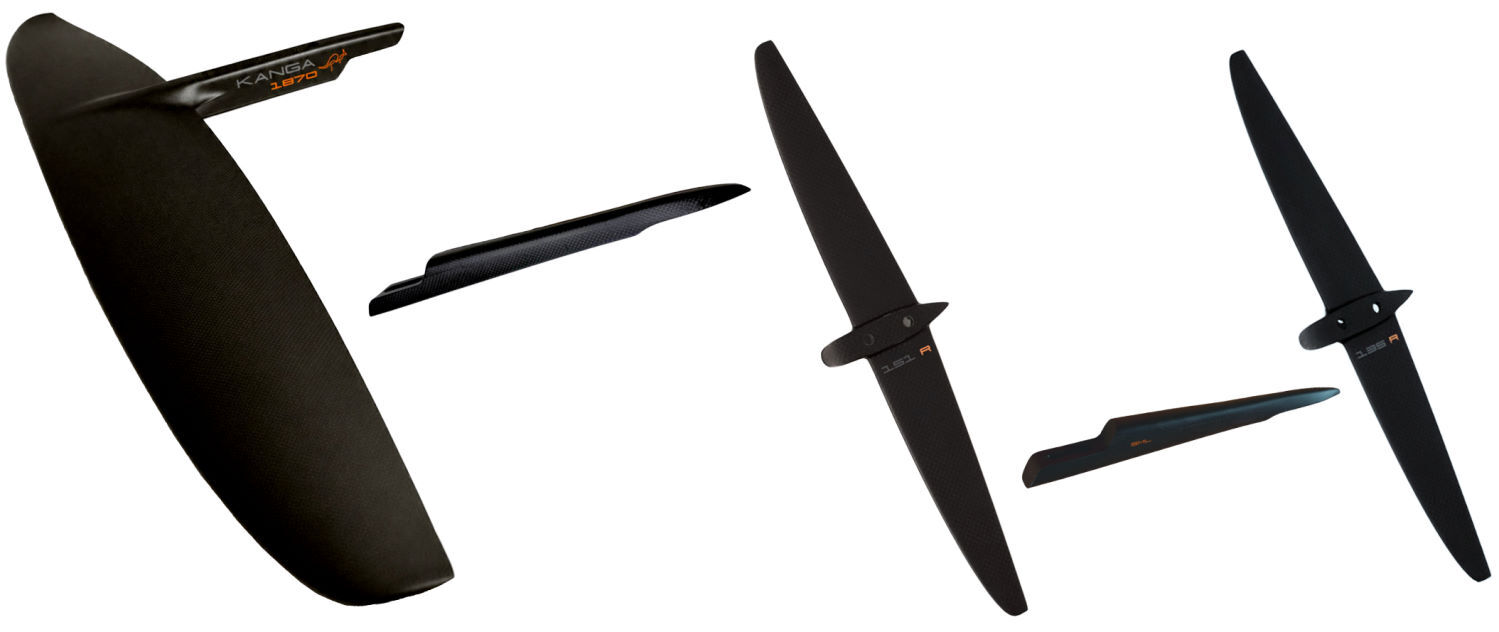
After testing regular dockstart boards, Foil Scoots, skinny starts, and running starts, the undisputed winner was the Code Foils 1870 Kanga front wing.
Tail and Fuselage Setups
While the 1870 Kanga front wing is the star of the show, making adjustments to your fuselage and tail wing according to your ability, weight, and athleticism will lead you in the right direction. Some of the favorite setups among the testers included the small fuselage, the medium fuselage, and the R-series tails. These options provide a really nice balance of efficiency, ease of use, and stability, allowing you to get out there and rip without much consequence.
- Heavier Riders: If you are a heavier rider, the 151R tail and a medium fuselage is a great choice.
- Lighter or Experienced Riders: If you are a lighter rider or more experienced, you can jump down into something smaller like the 135R and a small fuselage. You can even go smaller than that if you want a little less drag and less stability.
Switching the fuselage and the stabilizer definitely makes a difference in the pump cadence and what feels easier depending on your specific skill level. The test range for the day included riders from 145 pounds up to over 200 pounds, with varying levels of skill and athleticism, and the 1870 Kanga was the standout across the board.
Mast Selection
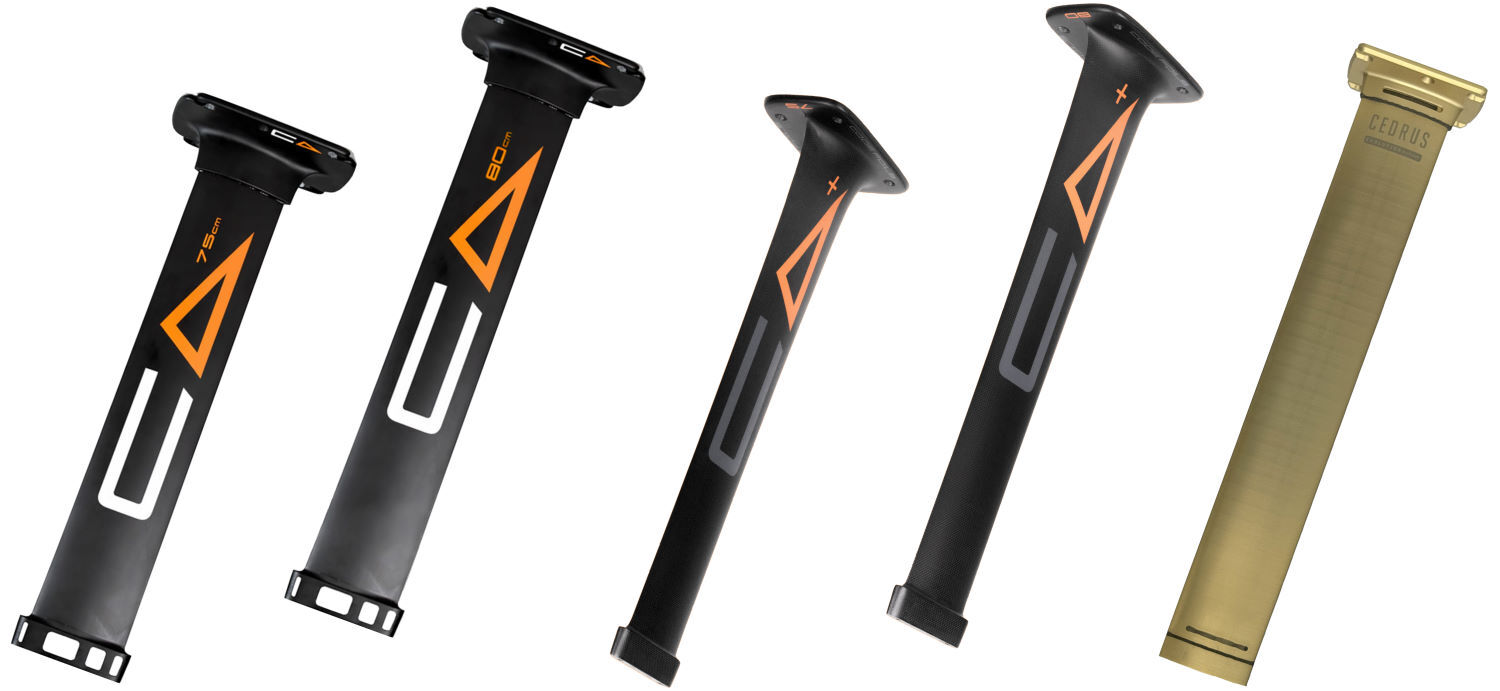
When it comes to the Code line, you can pick almost any mast, but stiffness is incredibly important. If you are a heavier rider—over 170 pounds—you are going to want the Plus mast (carbon), the aluminum Code mast, or the Project Cedrus universal mast. All three of those tested really well. You can pick out of those based on your budget, what you want in terms of durability versus lightweight sleekness, and where else you plan on taking the foil.
If you are also a winger or a downwinger, the lower drag of the Plus mast might give you an additional advantage. But if you are strictly a dockstarter looking for something durable and affordable, the Code aluminum and the Cedrus are great choices with no real compromise in the setup.
Choosing the Right Mast Size
For mast size, 75cm to 80cm is a really good place to be. You could go a little longer or shorter depending on your personal situation and the specific dock you are using.
- Taller Docks and Versatility: If you have a really tall dock, a slightly taller mast is helpful. A taller mast is also more versatile for other boardsports like winging, kite foiling, or wake foiling where you might be moving faster through chop. It gives you more forgiveness.
- Shorter Docks and Nimbleness: On the flip side, shorter masts are a little stiffer and more nimble. The responsiveness of the foil is amplified with a shorter mast because it transfers energy faster, has less drag, and acts as less ballast. If you have a really shallow dock or need to stay above the weeds, a 75cm mast is a great choice.
Ryan's personal favorite is the 80cm because it offers the most versatility for all conditions, allowing for a great crossover into other foil sports. Tucker agrees that the 75cm to 85cm range is the sweet spot for most riders.
Why the 1870 Kanga is the Top Pick
The biggest advantage for beginners is the sheer stability off the dock. Whether you are doing a running start at speed or a drop start right off the dock, landing on the 1870 Kanga provides immediate stability. It is the easiest foil to feel stable on right from the get-go. You aren't dealing with the board "tacoing" or leaning weirdly when you land on it.
It has a highly forgiving sweet spot for where your feet land and where you are pumping. One of the testers gave the best quote of the day: "Whoa, it's like landing on a concrete sidewalk." You just jump, land on your feet, and you are good to go for a couple of seconds while it glides out before you even need to start pumping. That excellent glide and low stall speed are massive differentiating factors.
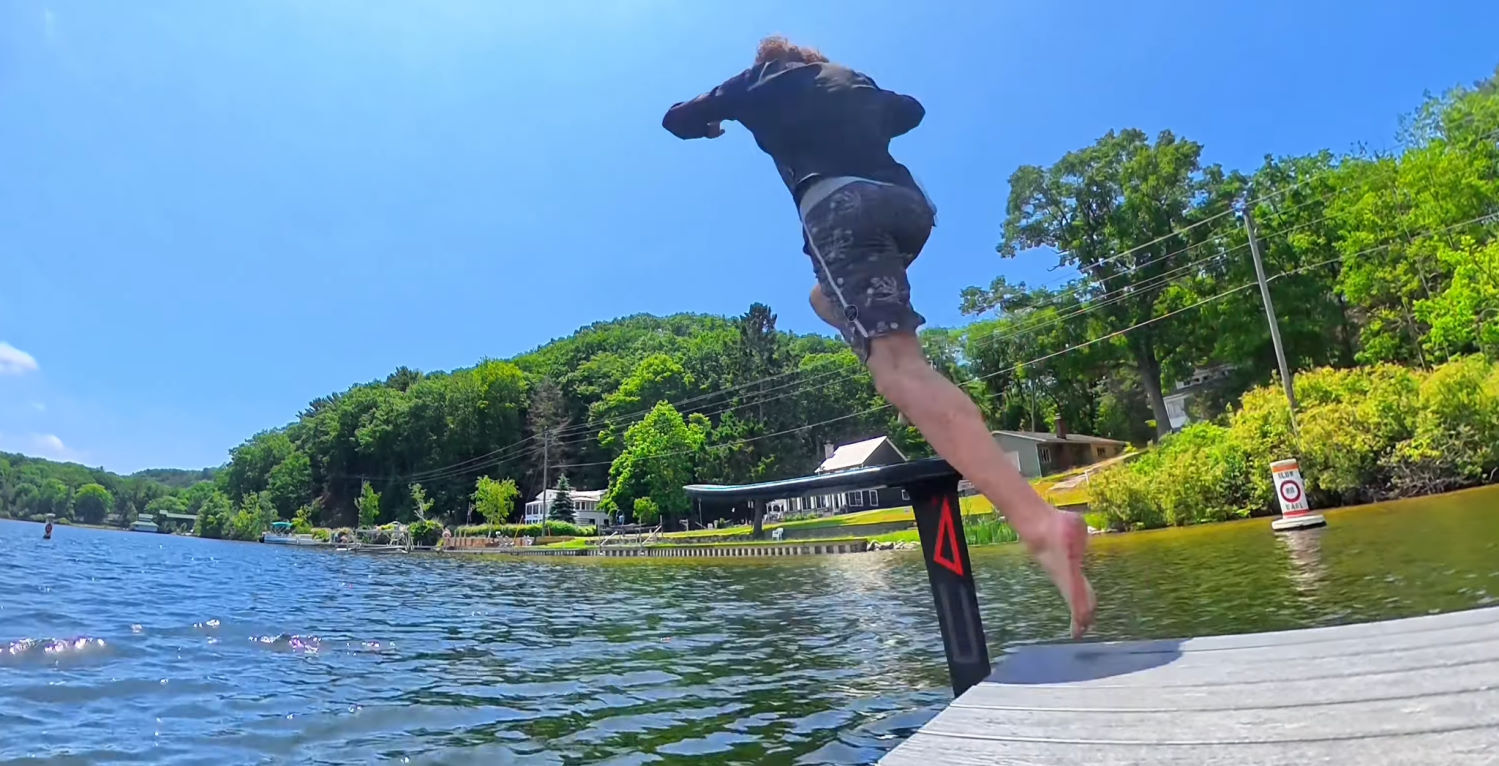
Another huge benefit is that it isn't overly stable. When you compare it to some of the massive glider wings on the market (like the Code 2220 or other brands' wide wingspans), those can be so stable that if you get a little off balance, there is no coming back. The 1870 is still maneuverable. You can wing out with it, and you can even comfortably bring it behind a wakeboat on the second or third wake to cruise around.
Finally, for a wing this large, it has a surprisingly good speed range. If you are dying down, coming close to the water, and need to save your run, you can get some speed going and actually pump it back up to the top. A lot of wings with low-speed lift and stability just stay at that low speed and feel like you are about to stall the entire time. The 1870 Kanga has the efficiency to let you push it, gain speed, and recover.
The Code Foils Ecosystem
One additional benefit of choosing this foil is that the Code system is incredibly robust and well-built. It isn't just for dockstarting. If you progress into wake foiling, winging, prone foiling, Foil Drive, or downwinding, Code has an option for you. It is top-tier gear that is reliable and durable, providing a great ecosystem to buy into so you'll be happy without having to buy an entirely new kit down the line.
MACkite Subscription Links:
YouTube | Instagram | Spotify Oddcasts
Contact MACkite Below:
800.622.4655 | Kiteboarder@MACkite.com | LIVE Chat Messenger


Recent Posts
-

2026 Duotone Rebel D/LAB Review: 30-Knot Test
The Brazilian Brothers are ready to provide honest feedback on the 2026 Rebel D/LAB by Duotone. Th …13th Oct 2026 -

2026 Duotone Jaime SLS Kiteboard Review
The Brazilian Brothers are back to bring you another product review. Today, their focus is on the …13th Oct 2026 -
Manera Pocket Wing Belt Overview
Jeff met up with Billy Ackerman from F-One on the beach at the KoGL Test Fest to take a look at th …9th Oct 2026