

Slingshot NXT V2 Review: Loftier & Faster Big Air Performance
The Brazilian Brothers are back to provide a full-length review of the Slingshot NXT V2. See how they feel about its performance in terms of jumping ability, looping, ease of use, and hear their final "unfiltered" verdict of the pros and cons.
The Evolution of the NXT
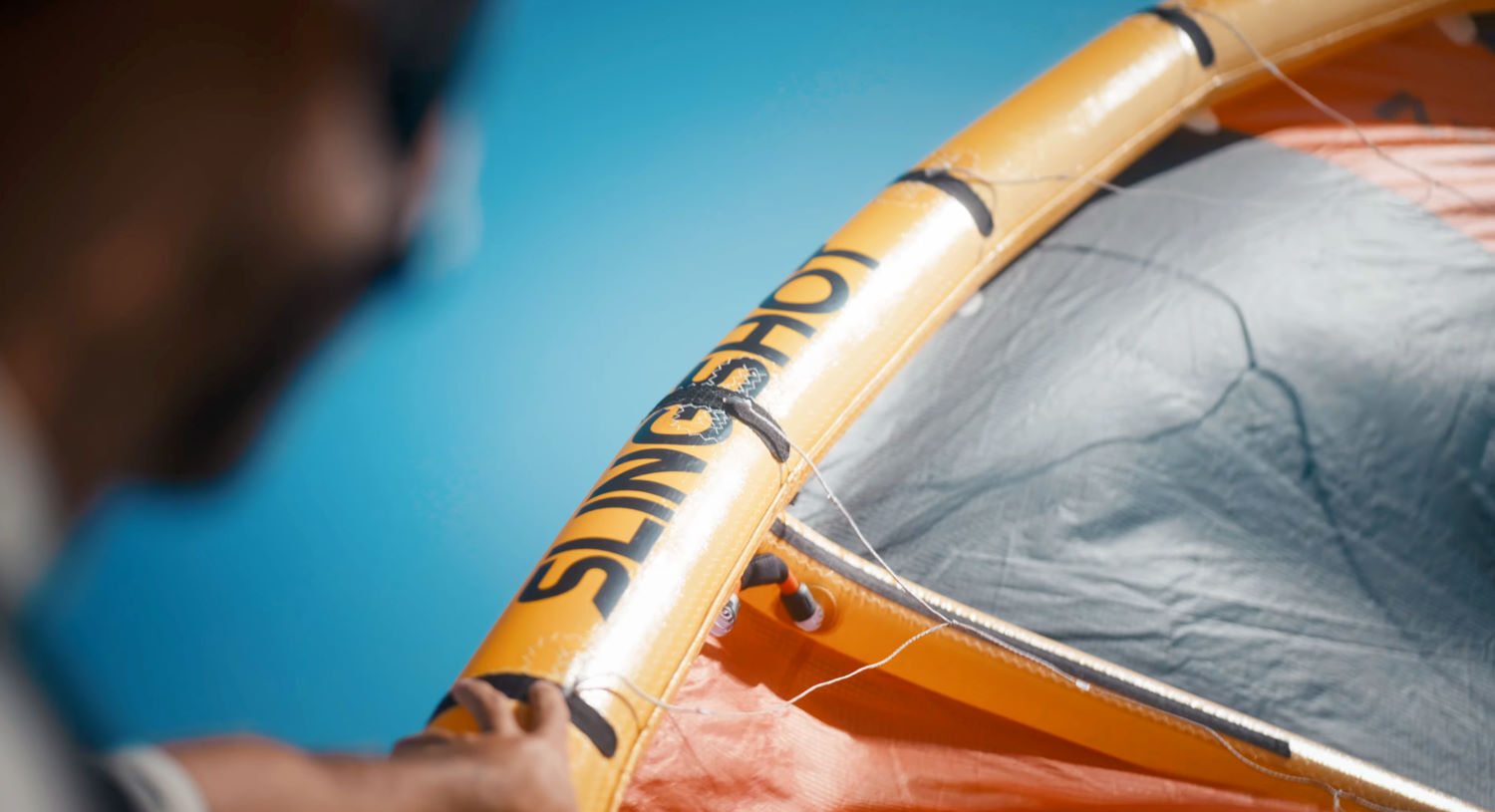
The first version of the NXT was a massive success, proving that a three-strut kite with Aluula construction could compete with five-strut powerhouses when it comes to jumping and hangtime. Over the last two years, co-designers Adi Conrad and Jeremy Burlando have worked to take this kite to the next level. They have changed the profile of the kite and added a seventh point of contact in the bridles.
Insights from Jeremy Burlando
According to co-designer and pro rider Jeremy Burlando, the entire kite has been redesigned. While the V1 was a great kite, it could be a bit "grumpy" when riders were overpowered, occasionally throwing them off the edge. The V2 addresses this with a better, smoother lift and significantly more control and stability.
During loops, the V1 had a tendency to flap, which riders could feel in the bar and hear in the air. By changing the tension, the V2 is much quieter and has reduced drag, making the kite faster. Because the kite catches quicker after a loop, it stays over your head longer, optimizing hangtime and ensuring landings are as smooth as possible.

Bar Pressure and Handling
When you put the Slingshot NXT V2 in the sky, you will notice the bar pressure has slightly increased compared to the V1. The kite now features a light-to-moderate bar pressure that increases as a function of the wind speed. In light wind conditions, the sheeting pressure is very light. However, as the wind creeps up, the sheeting pressure increases, which makes one-handed heli-loops and kiteloops more challenging. Despite this, the turning pressure remains very light, keeping the kite fast through the loops.
Jumping Performance
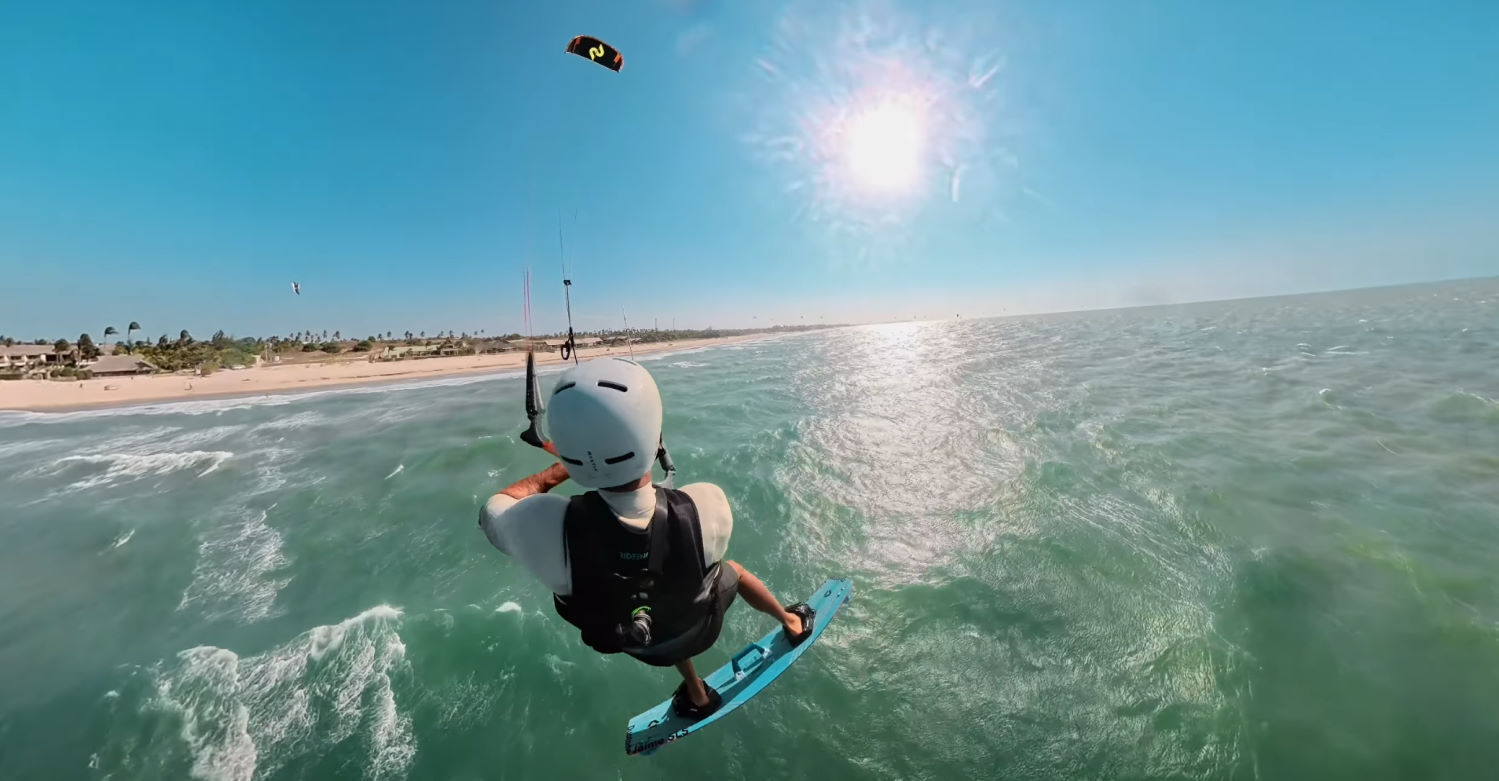
The NXT V2 remains an absolute rocket and a big air machine. It offers a ton of vertical potential along with a lovely second lift that has gained popularity within the NXT line. One specific technique to note is that you will need to sheet out the bar to gain the maximum amount of hangtime. Similar to the Rebel D/LAB, this kite likes to be sheeted out to get behind your head for soft landings. It may take a session or two to get used to this feeling, but once you find the sweet spot, you will go big and come down softly.

Looping and Aggression
In terms of looping, the NXT V2 has become more aggressive than the V1. To achieve a nice, tight loop without too much yank, you have to crank the bar. Otherwise, the kite will perform a rounder loop that travels further down into the power zone, providing a significant degree of yank. This is amazing for those looking for a thrill, but a nice, safe kiteloop requires more technical skill.
Ease of Use
The kite continues to shine for riders looking for easy vertical lift to reach new heights. However, regarding kiteloops, the V2 has transitioned into a more technical kite. It is best suited for intermediate to advanced loopers who can manage the added aggression. If you fully commit to the loop and crank the bar, the kite will always catch you easily.
Brazilian Brothers Unfiltered
The Brazilian Brothers break down exactly where the kite excels and where there is room for improvement.
Where It Shines
- Vertical Ability and Hangtime: The NXT V2 continues to prove itself as one of the top jumping kites on the market with very easy, accessible lift.
- Stability and Air Frame Stiffness: As a three-strut kite with Aluula construction, it is incredibly stiff and stable. Even in strong, gusty conditions, the kite remains stable, aided by the seventh bridle attachment point.
Where It Could Improve
- Reduction of Sheeting Pressure: The sheeting pressure becomes heavy as the wind increases, requiring significant commitment for one-handed loops.
- Aggressiveness of Kiteloops: The kite requires extra commitment to ensure a tight loop. Without that commitment, the horizontal lift can be intimidating for those just learning to loop.
Recommended Settings
After testing across a wide range of conditions, the preferred settings for the NXT V2 are:
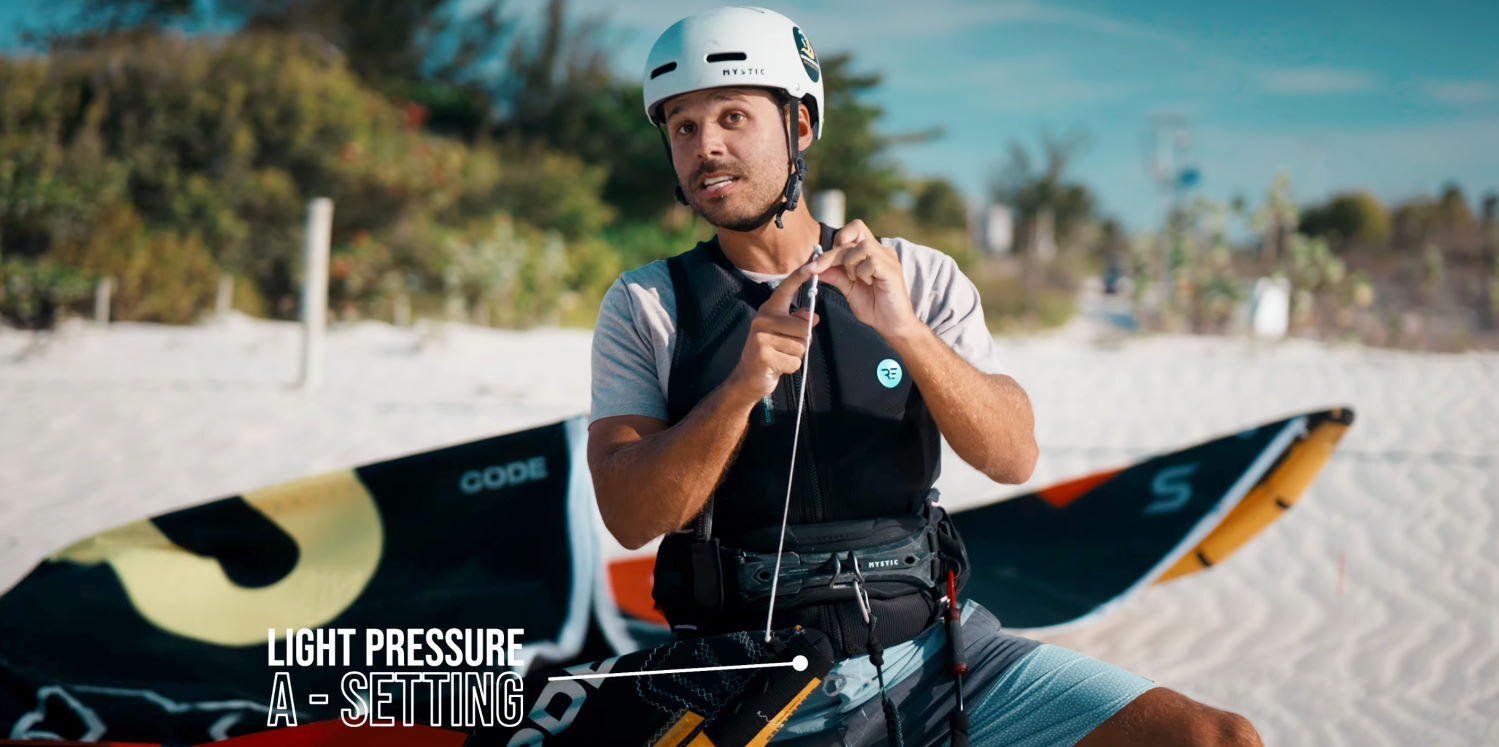
- A-Setting: Use the last attachment point on the wingtip for the lightest bar pressure possible.
- Middle Knot: Use the middle knot on the pigtails, provided your bar is properly tuned.
Who Is It For?
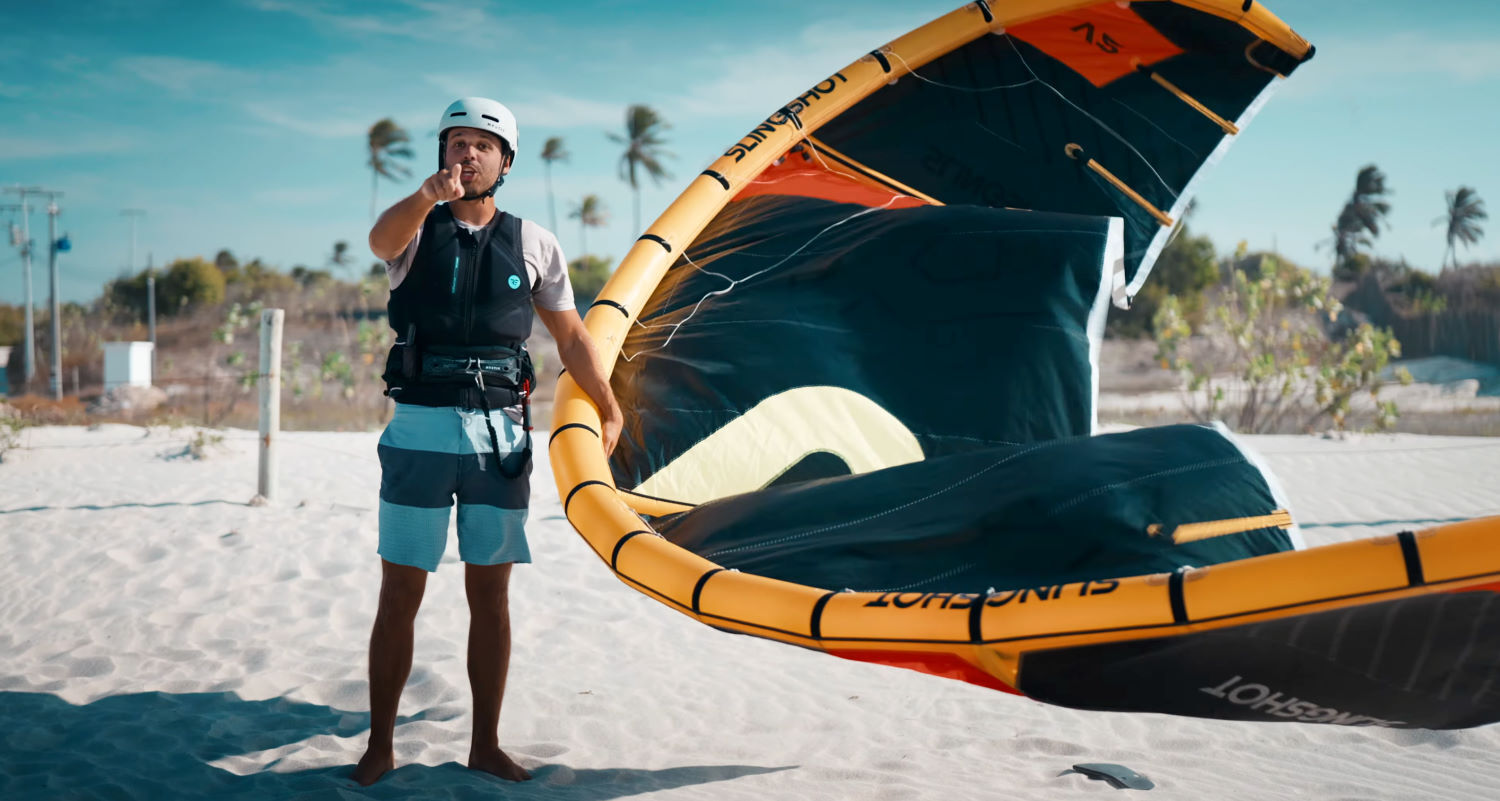
The NXT V2 is for the rider who is primarily on a twintip and wants a kite that will take them high with the best second lift currently on the market.
MACkite Subscription Links:
YouTube | Instagram | Spotify Oddcasts
Contact MACkite Below:
800.622.4655 | Kiteboarder@MACkite.com | LIVE Chat Messenger
Recent Posts
-

RIIFT Power Pack Setup | Step-by-Step Foil Assist Rigging Guide
Foil assist has quickly become one of the most talked-about upgrades in the foiling world, and RI …2nd Nov 2026 -

Slingshot NXT V2 Review: Loftier & Faster Big Air Performance
The Brazilian Brothers are back to provide a full-length review of the Slingshot NXT V2. See how t …30th Oct 2026 -

Foil Drive Progression: 3 Common Beginner Mistakes
Ryan and Hunter are sharing the top three mistakes beginners make with their Foil Drive system to …29th Oct 2026