
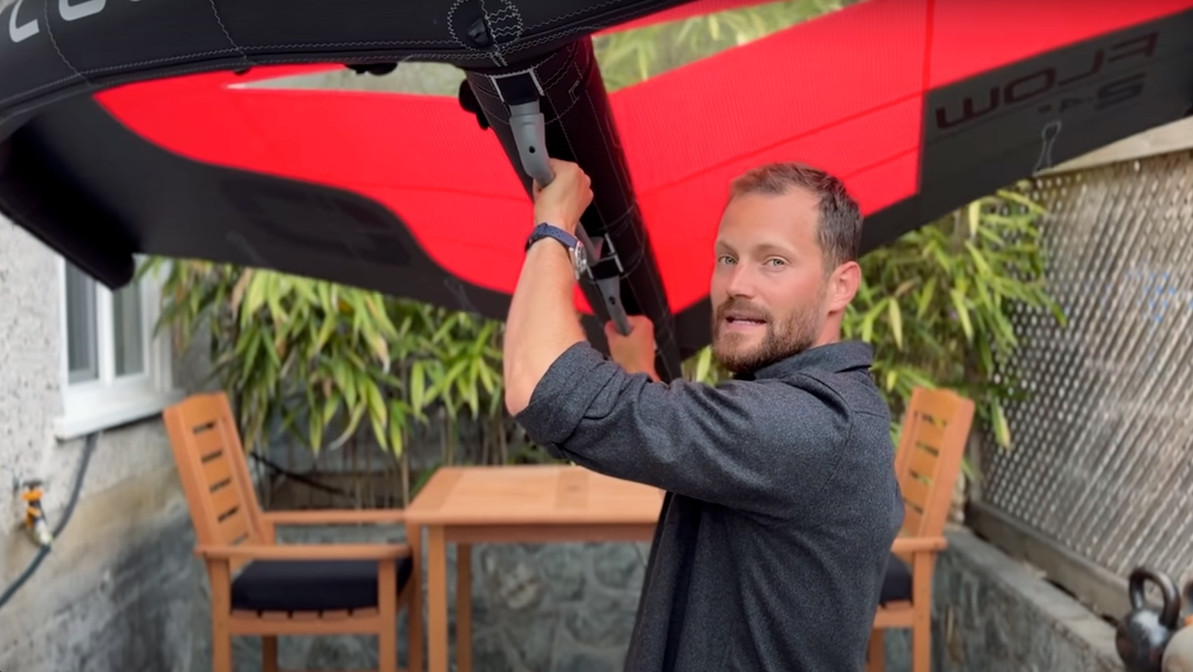
Wing Foiling Tacks | Learn the Elbow Peek with Greg at Omen Foils
Tacking is one of the most rewarding maneuvers in wing foiling, letting riders maintain ground upwind while adding style and efficiency to their transitions. But for many, the wing tack can feel elusive, frustrating, and downright taco-inducing.
Greg from Omen Foils lays out a clear roadmap to help riders build confidence, reduce wipeouts, and finally nail smooth, consistent tacks.
Why the Wing Tack Matters
- Efficiency: Unlike jibes, a tack keeps you from losing ground upwind.
- Progression: The tack opens the door to more advanced maneuvers, such as 360s or tacking onto a wave.
- Style Points: A smooth tack adds flow and flair to your riding.
Despite how effortless tacks may look on Instagram, they require precision, speed management, and muscle memory. The good news? Greg breaks it down into a step-by-step approach that anyone can practice.
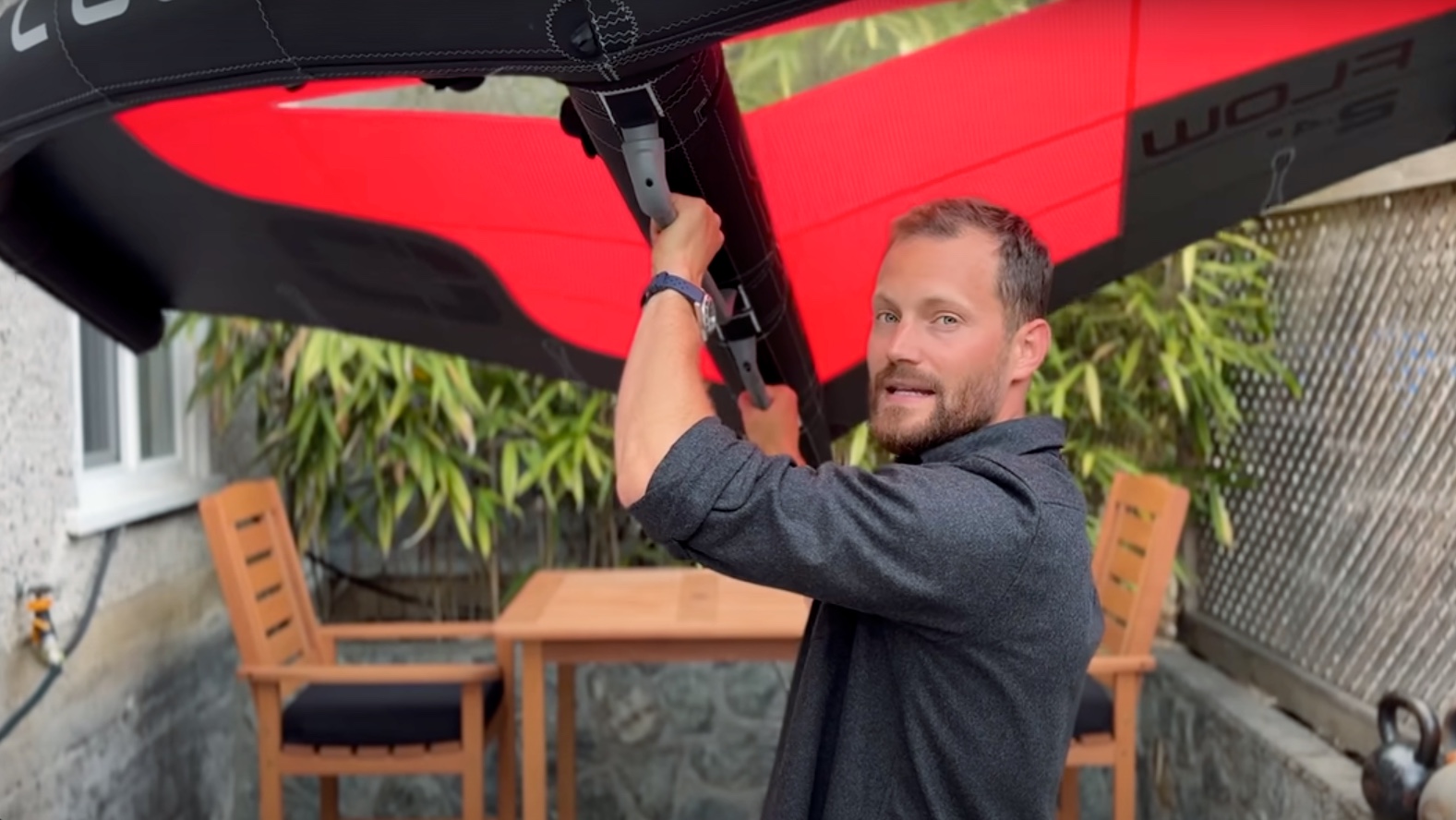
Step 1: Dial in the Grip
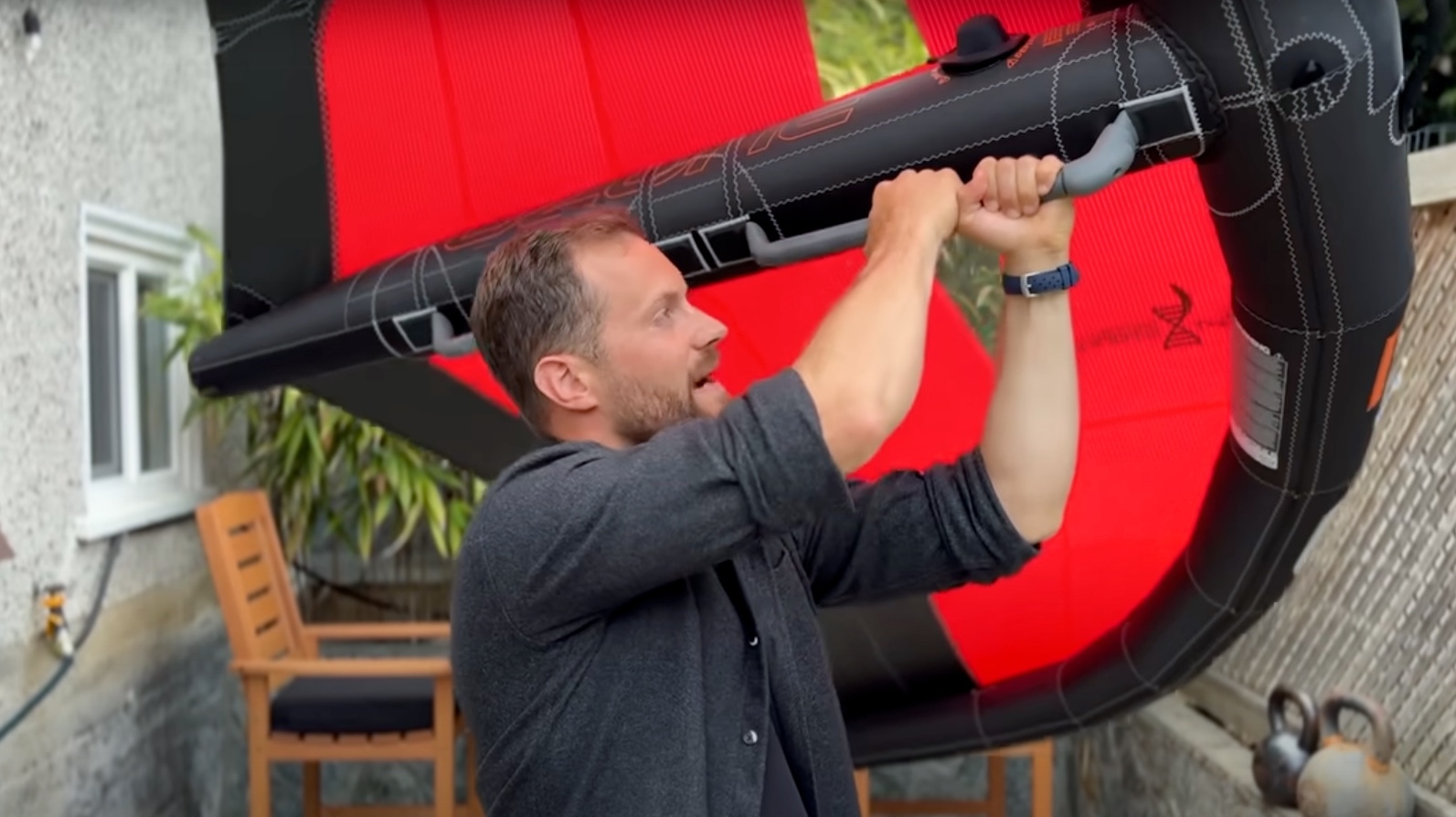
Greg stresses that the double overhand grip is the best setup for entering a tack.
- Why: It keeps the wing more stable and reduces awkward transitions mid-maneuver.
- Tip: If you normally ride with an alternating grip, practice switching before you tack until it becomes second nature.
Step 2: Enter with Speed
Speed is your best ally during a tack.
- Aim to enter with more than stall speed so you don’t need to pump excessively mid-turn.
- Use your backhand to generate a touch of lift, helping you ride higher on the mast and convert potential energy into glide.
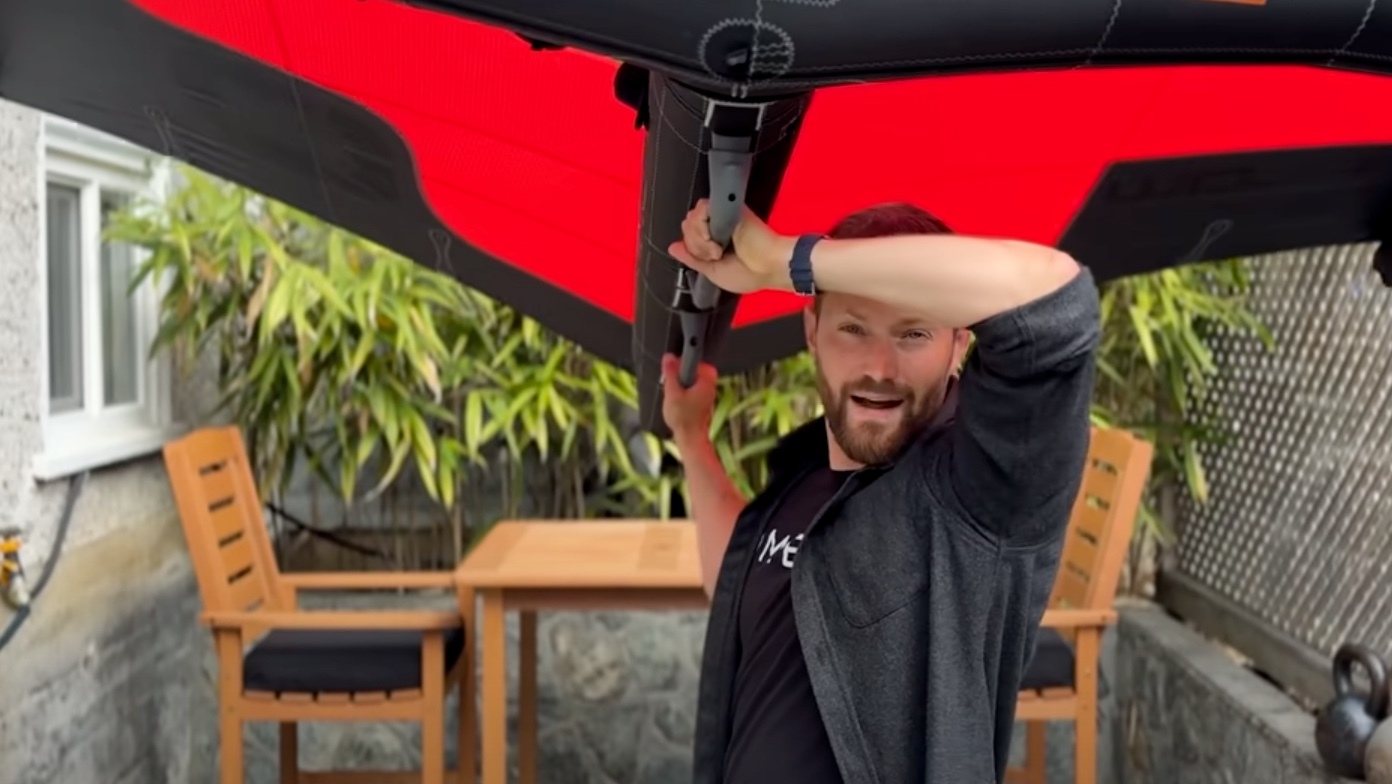
Step 3: The Elbow Peek (Crucial & Overlooked)
This is Greg’s game-changing tip.
- The Problem: Most riders lead too long with their head, which jams up the transition and leads to wipeouts.
- The Fix: As you approach the apex of your upwind turn, lead with your elbow instead of your head. Look underneath your elbow, not over it.
- Result: This places the wing perfectly, smoothing the transition and keeping you balanced.
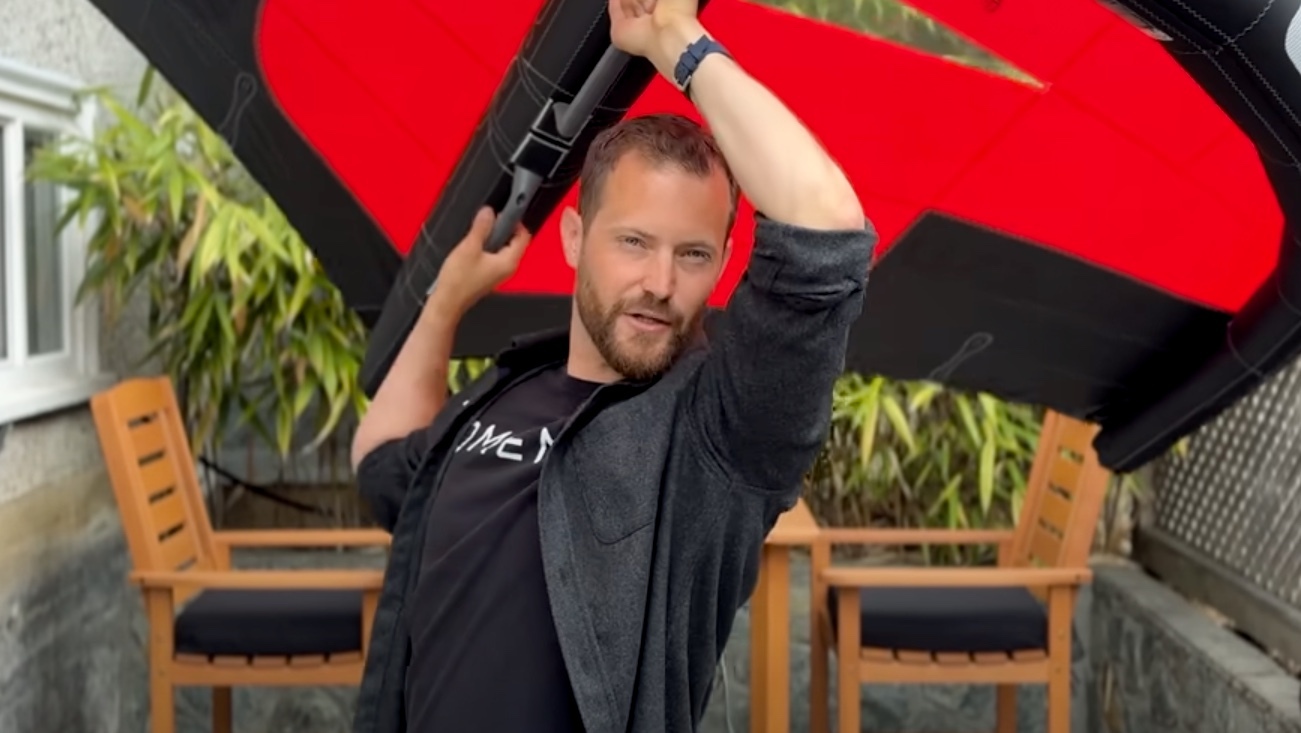
Step 4: The Release (or Throw)
The behavior of your wing dictates your approach.
- Locked-in wings: Require a throw to get the wing to roll over cleanly.
- Loose-roll wings: Often just need a release to flip over naturally.
- Pro Tip: Time your throw as you’re looking through your hand to get a smooth, controlled transition.
Step 5: Hand Switch and Catch
- Enter the tack with your front hand slightly forward.
- As you release the backhand, bring it right behind your front hand for a naturally powered position in the new direction.
Step 6: Ride Out Smoothly
Ideally, you’ll glide out of the tack still on foil. But when learning:
- Don’t hesitate to bear off slightly downwind.
- Pump the wing or board to rebuild speed.
- Keep flow and balance the priority over perfection.
Practicing the Progression
On the Beach
- Rep the movement on land in steady wind.
- Simulate the elbow peek, wing throw, and hand switch repetitively to hardwire the muscle memory.
With Tools
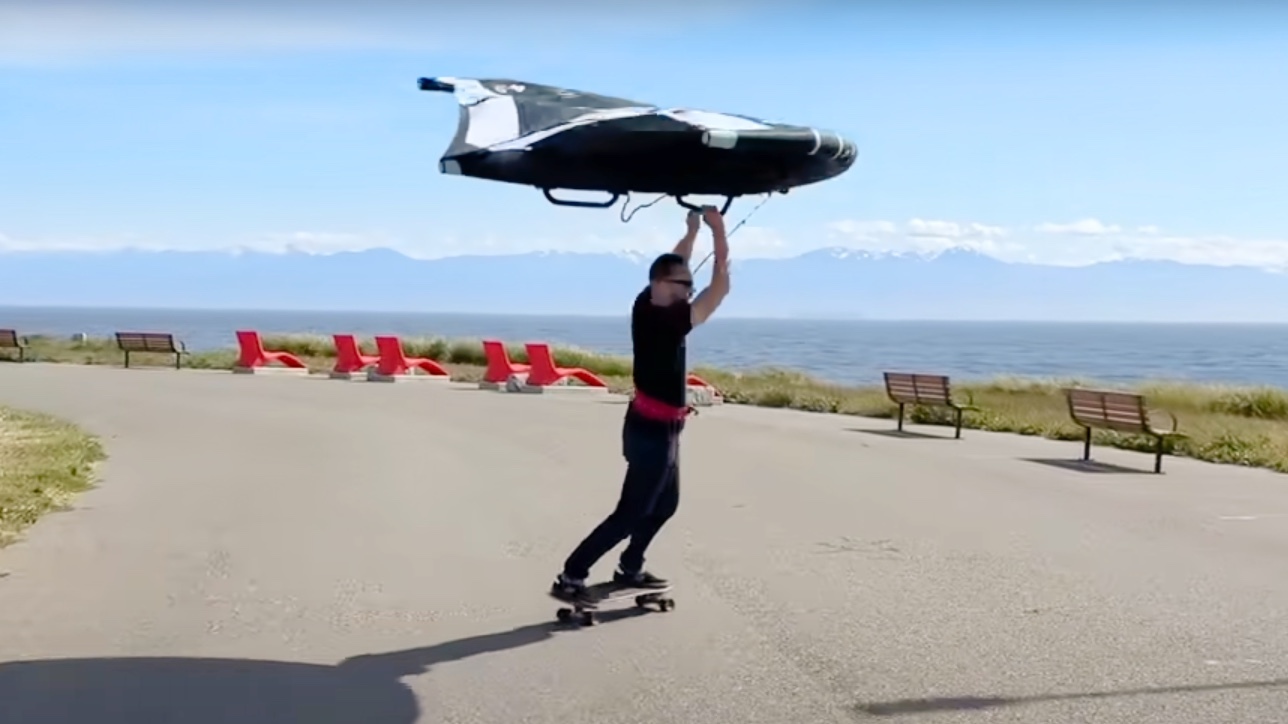
- Use a surfskate or Onewheel to practice dynamic versions of the tack.
- Greg emphasizes: hundreds of reps on land = faster success on the water.
Choosing the Right Conditions
When you finally bring the tack to the water:
- Pick the sweet spot: A steady 15–20 knots with your favorite wing (usually 4m–5m).
- Commit: Dedicate a full session to tacks. No jibes—every transition should be an attempted tack.
- Remove distractions: Take off harness lines until you’re confident to avoid fumbling.
Extra Progressions
- Comfort Drill: Practice riding upwind, initiating the elbow peek, and then bearing away downwind without completing the tack. This builds confidence.
- Wave Tack Variation: Drop your wing to flag out mid-tack and ride into a wave toeside for a stylish, flowing exit.
- Leash Trick: Pre-wrap your leash before flagging out—this prevents tangles as you rotate.
Troubleshooting Common Failures
If you’re still stalling out:
- Not enough entry speed.
- Turn is too abrupt, killing glide.
- Wing re-engaged too late.
- Exit angle is off—too far upwind or downwind.
- Equipment choice—Greg jokingly adds, maybe it’s time to try an Omen foil.
Key Takeaways
- Double overhand grip makes the tack cleaner and more controlled.
- Elbow peek is the secret to unlocking smooth transitions.
- Speed and height entering the tack prevent stall-outs.
- Repetition on land builds the muscle memory you’ll need on the water.
- Right conditions and mindset accelerate progression dramatically.
Conclusion
The wing tack is a milestone maneuver that blends style, performance, and progression. By focusing on Greg’s overlooked fundamentals—the elbow peek and release/throw—alongside deliberate practice on land, riders can dramatically reduce the frustration of repeated wipeouts and unlock one of the most stylish moves in wing foiling.
When the right day lines up, commit to the process, make every transition a tack attempt, and watch as your consistency and confidence soar.
Recent Posts
-
Wing Foiling Footwork: When (and Why) to Switch Stance for Better Riding
Your board stance can affect a lot of things when you're out on a wing and foil. Tucker and Jeff w …10th Apr 2026 -
Reedin Wing Foil Package Overview: Built to Learn, Designed to Progress
A Carefully-Crafted Entry Into Wing Foiling If you've been eyeing wing foiling but feel overwhelme …9th Apr 2026 -

Foil Drive's New Props Explained
For a long time, the black prop was just the prop. It came in the kit, it worked, and you rode it. …9th Apr 2026