
Wing Foiling Footwork: When (and Why) to Switch Stance for Better Riding
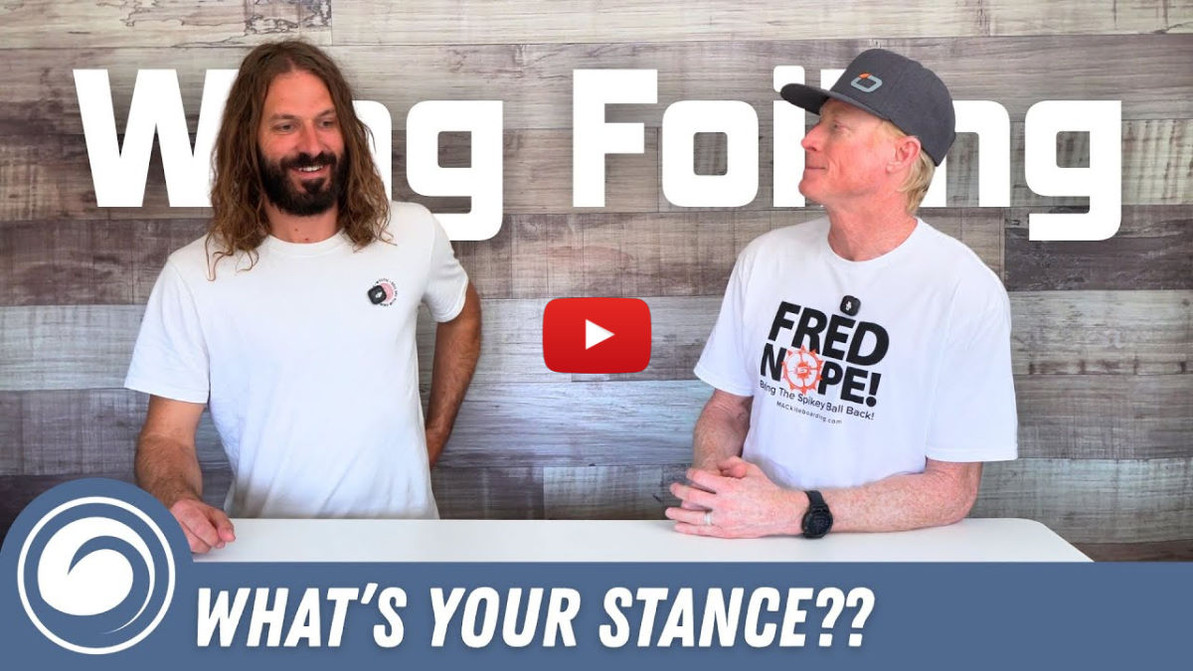
Your board stance can affect a lot of things when you're out on a wing and foil. Tucker and Jeff were chatting about that one morning, and Jeff was learning so much that he decided they needed to move the conversation in front of the camera so others could benefit.
So, should you switch your stance in wing foiling, and when does it actually matter?
Benefits of Learning Both Stances in Wing Foiling: The Short Answer
- Better upwind efficiency
- Less fatigue on longer sessions
- Stronger positioning on waves
- More control during transitions
What Is Regular vs. Goofy Stance in Wing Foiling?
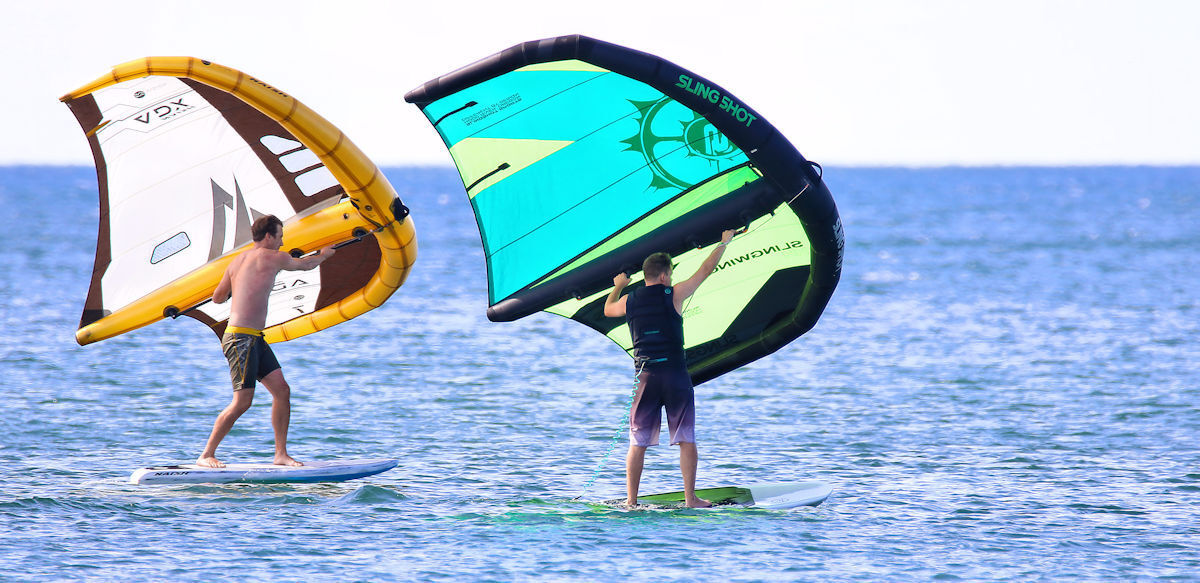
"Regular" stance means your left foot is forward, while "goofy" stance means your right foot is forward. Most riders naturally prefer one side over the other but, despite the names, there's no right or wrong choice, just what feels natural for you.
Like most boardsports, wing foiling uses a staggered stance with one foot forward and one back, and if you come from other boardsports, you probably already know how you like to stand. But if you're still trying to figure that out, imagine kicking a soccer ball. The foot you kick with is usually your back foot, which helps determine your stance.
When Does Your Stance Matter Most in Wing Foiling?
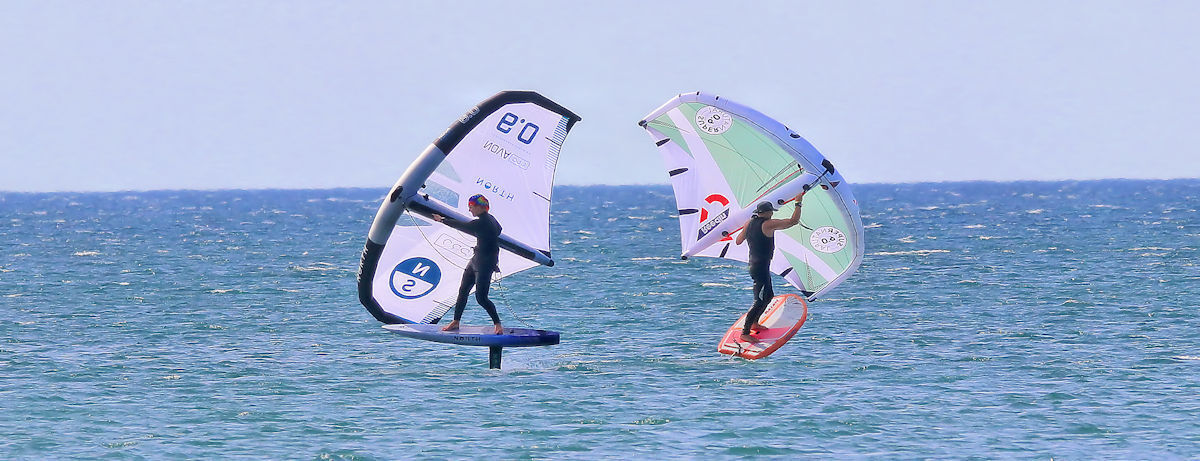
Your stance matters most when getting up on foil, riding upwind, and during transitions like tacks and jibes.
It's usually easier to get up on foil when you're riding in your natural stance, whether it's "regular" or "goofy". You can certainly get up with either stance, especially as you progress, but if you're still learning and are finding it difficult, check your stance. Depending on the wind direction, you may need to paddle out and turn around so you can get up on your strong side.
Jibes and tacks, or any kind of turn, also tend to be easier in your natural stance. A jibe (or gybe) is a downwind turn, and a tack is an upwind turn. These can be done heelside or toeside, so it's possible to keep your preferred stance. But is that always ideal?
Do Tucker and Jeff Ride Both Stances?
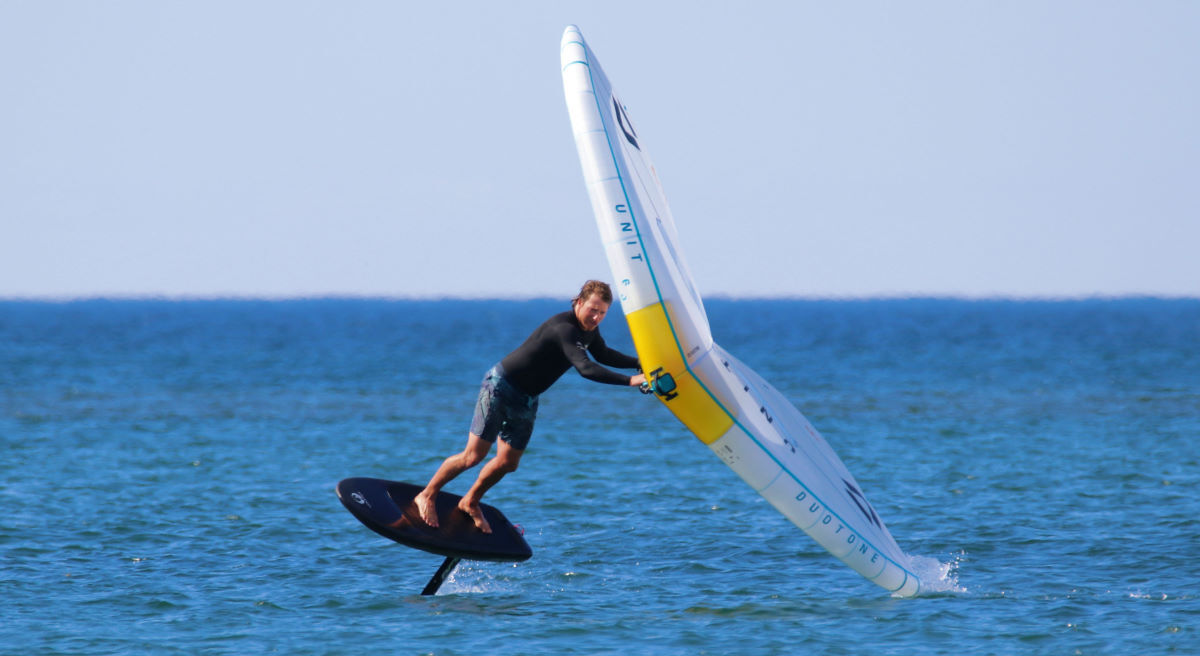
Tucker came from kiteboarding and made it a goal early on to ride both directions. Riding toeside all the time can limit your ability to go upwind efficiently and can wear you out faster due to body positioning. So he forced himself to wing in his unnatural stance too and grow that ability.
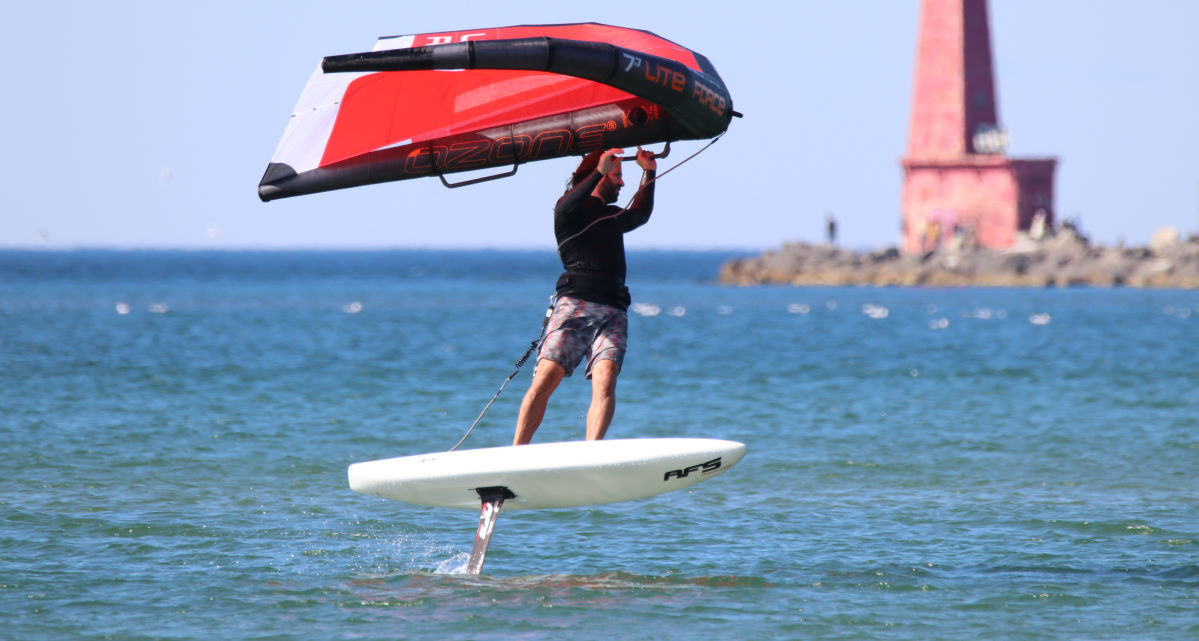
Jeff, though he also came from kiting, always rode a regular stance, even when that required riding toeside. And it actually worked pretty well. He wanted to ride the wave, which is best with a strong stance. He was even keeping up with a pack of more experienced riders... until they went upwind. Oh, Jeff got impressively proficient at riding toeside and just made a few extra tacks to catch up, but still, it wasn't as efficient. And when you're spending more time getting upwind, that's less time on the wave. Finally, a riding buddy told him, "You need to switch it up, man. You're a good rider; you're a good athlete. You've got to focus on the other side."
And he did. Jeff actually went out and did an entire session on his weak side. It was hard and it probably would have been easier to mix it in bit by bit from the beginning, but in the end, it was a skill worth learning. He was keeping up with the bros and catching more waves. He wasn't getting as fatigued on the water or feeling as sore off the water after a long session.
What Changes When You Can Ride Both Stances?
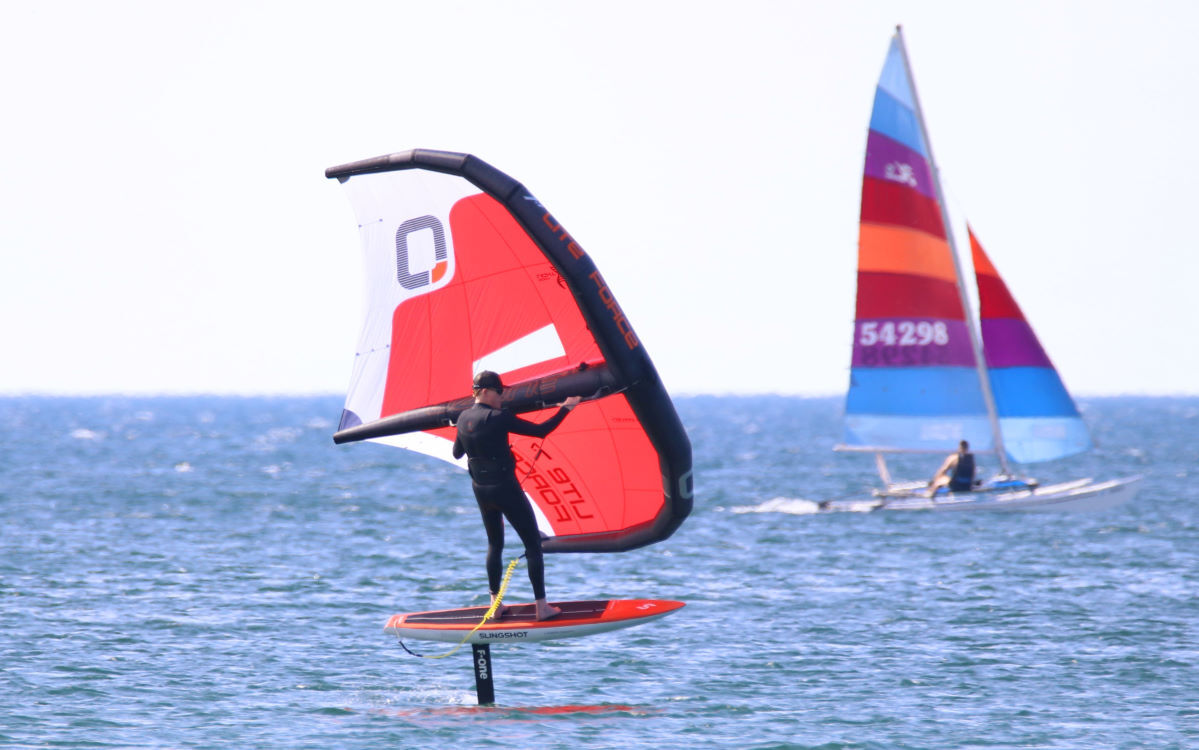
Perhaps the most important thing that changes is the timing of when you're able to switch your stance so you can ride heelside in your strong stance. If you're able to switch before going into a turn, then you'll come out strong and ready to rip. This is especially nice on a wave. If you need to complete that turn first, then you're going into the wave weak.
That said, there is no right or wrong way to ride. There are plenty of great wingers who stay on their strong side most of the time. But if you're open to switching your stance, you may find that it really spices up your sessions.
How Can I Learn to Ride My Weaker Stance?
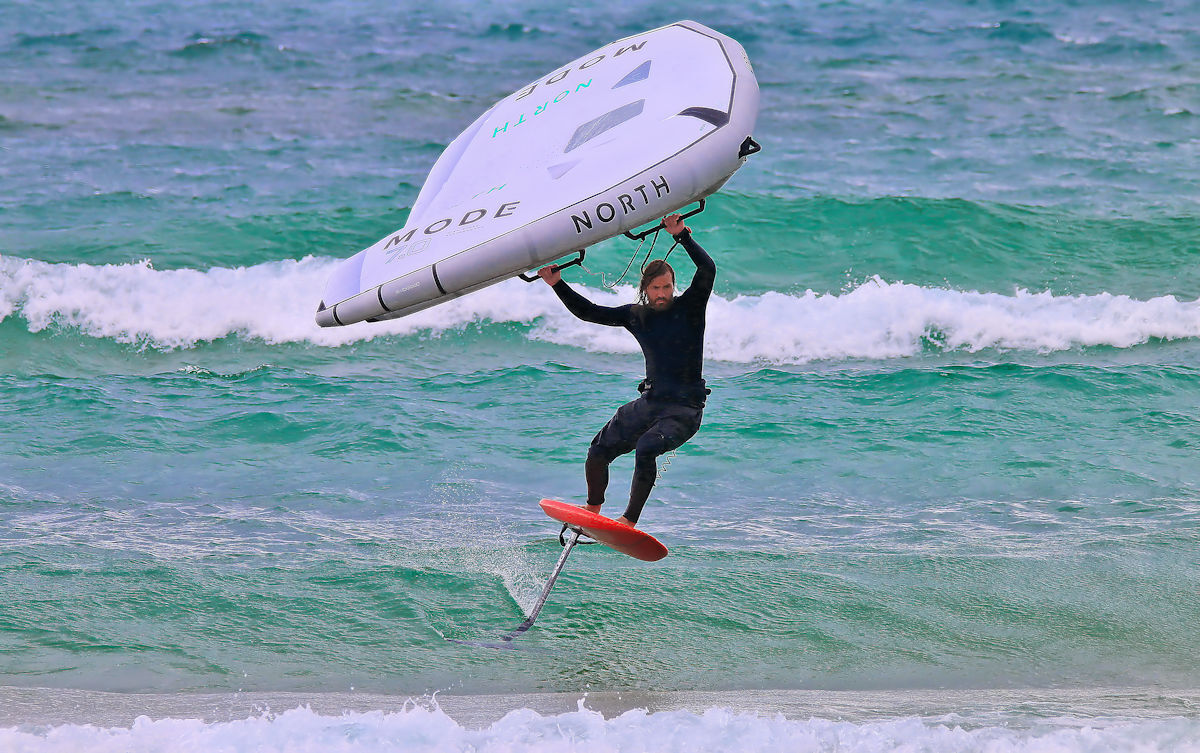
That's what those mellow, flat days are for! Rather than having a boring session, challenge yourself to try something new when the stakes are low. Falls are less dramatic and you're not missing out on great waves as you learn. Go ahead and get a feel for cruising around with an unnatural stance now, and then you'll be ready for when you need it on the fun days.
Do I Really Need to Switch My Stance?
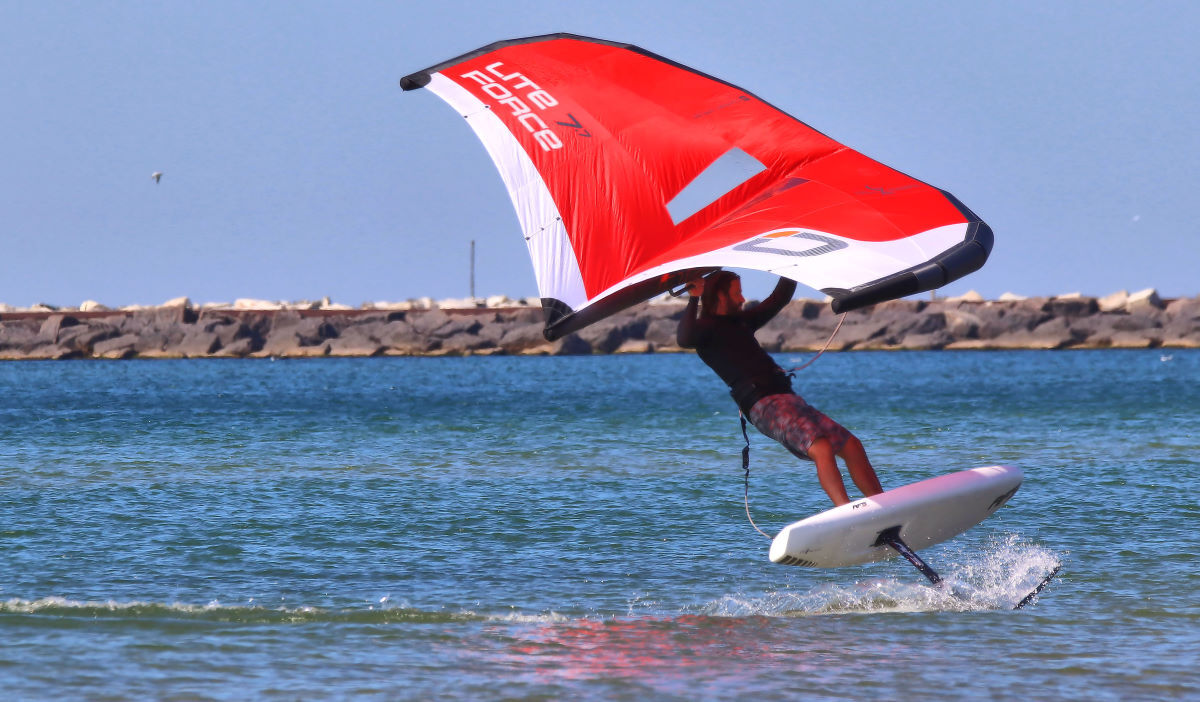
Nope, you don't have to switch stance to enjoy wing foiling. However, learning to ride both stances can help you ride upwind more efficiently, reduce fatigue, and improve your positioning on waves.
Being able to switch your stance is simply a tool you can use when it benefits your riding. Some riders prefer to stay in their natural stance and ride toeside when needed, and that works just fine.
But if you want to:
- Ride upwind more efficiently
- Catch more waves
- Reduce fatigue
...then adding stance switching to your toolkit is worth considering. At the end of the day, don't overthink it. Do what feels right and keeps your sessions fun.
MACkite Subscription Links:
YouTube | Instagram | Spotify Oddcasts
Contact MACkite Below:
800.622.4655 | Kiteboarder@MACkite.com | LIVE Chat Messenger
Recent Posts
-
Wing Foiling Footwork: When (and Why) to Switch Stance for Better Riding
Your board stance can affect a lot of things when you're out on a wing and foil. Tucker and Jeff w …10th Apr 2026 -

Reedin Wing Foil Package Overview: Built to Learn, Designed to Progress
A Carefully-Crafted Entry Into Wing Foiling If you've been eyeing wing foiling but feel overwhelme …9th Apr 2026 -

Foil Drive's New Props Explained
For a long time, the black prop was just the prop. It came in the kit, it worked, and you rode it. …9th Apr 2026