
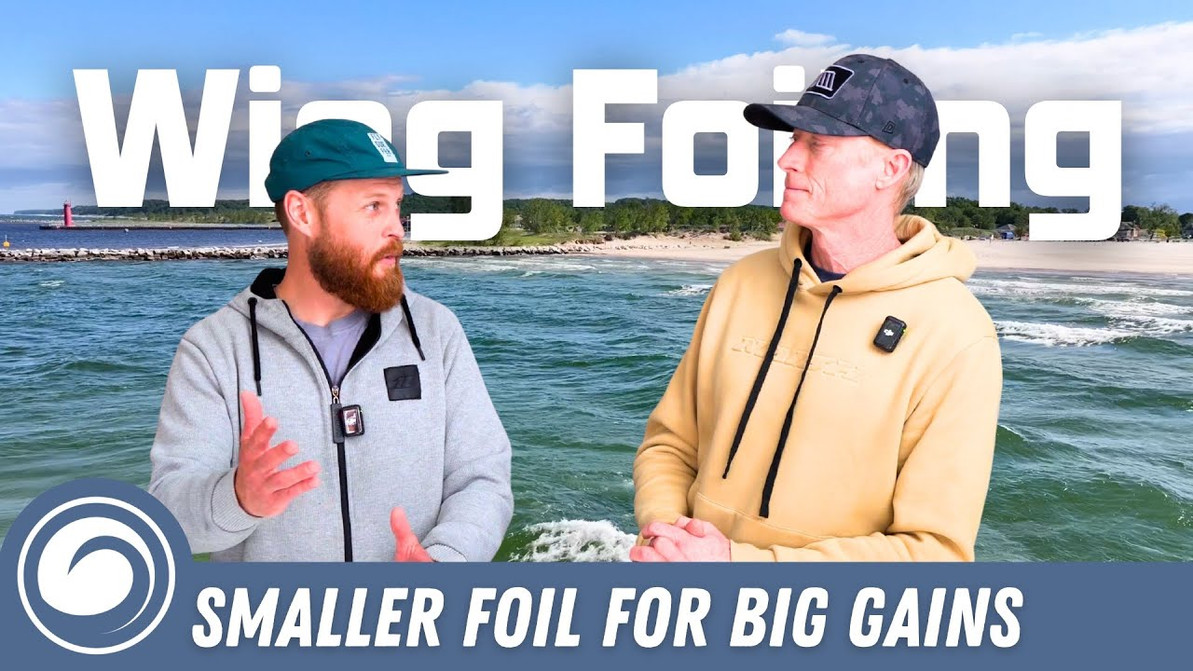
Upgrading Your Wing Foil Setup? Start With Your Foil
You've been winging for six months to a year, maybe even more. By now, you've got your first setup dialed in and logged plenty of water time. Maybe you've added a second or third wing to handle different wind ranges. So what's the next piece of gear that's really worth upgrading?
If you're thinking board, take a pause. The the move that will unlock your biggest jump in progression and performance? Upgrading your foil.
Why Your Next Investment Should Be a Foil
Starting out, you probably learned on a big, stable front wing in the 1600–2000cm² range. That size makes sense for getting up at slower speeds and building confidence. But once you’re consistently riding longer runs, working on jibes, and maybe chasing your first swells, a higher-performance foil is where the fun really begins.
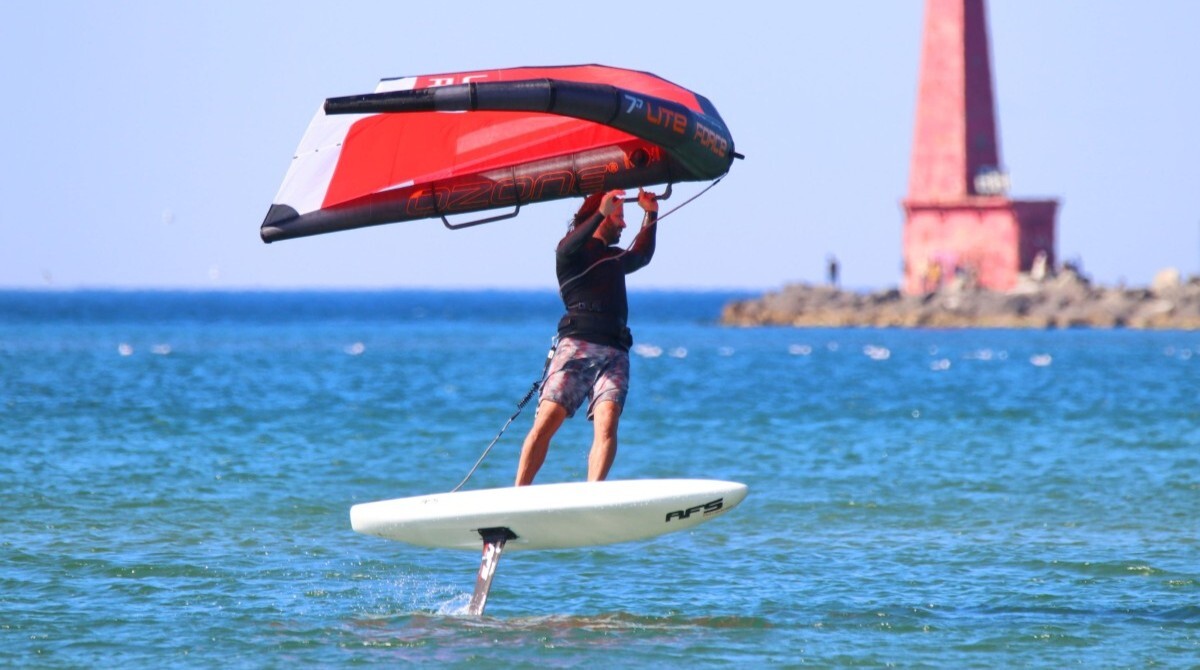
Switching to a smaller, mid-aspect ratio foil gives you better glide, faster progression, more carving control, and higher top speed. You'll be able to carry speed through jibes and turns without touching down. Plus, a small foil keeps up with you as progress in your skills. Not only that, but a higher top speed will let you push into powered sessions more easily.
As Ryan puts it, "The foil is where the excitement of foiling really takes off."
What Size Foil Should You Go To Next?
Generally speaking, if you started if you started around 1800–2000cm², your next step is likely 1200–1400cm². If you're already on a 1500–1600cm², you can drop to 1100–1200cm². Don't be afraid to drop down to at least 200-400cm².
There are a number of factors that play into downsizing. First, it can depend on where you ride. Great Lakes chop is different from Maui rollers, and steady coastal winds feel nothing like inland gusts. Another element at play is your weight. Finally, wind conditions can play into your wing choice. That's why we often recommend keeping your first foil. Use it on lightwind days, then break out your higher-aspect performance foil when conditions come up. Over time, that smaller foil will handle a broader range until it becomes your go-to.
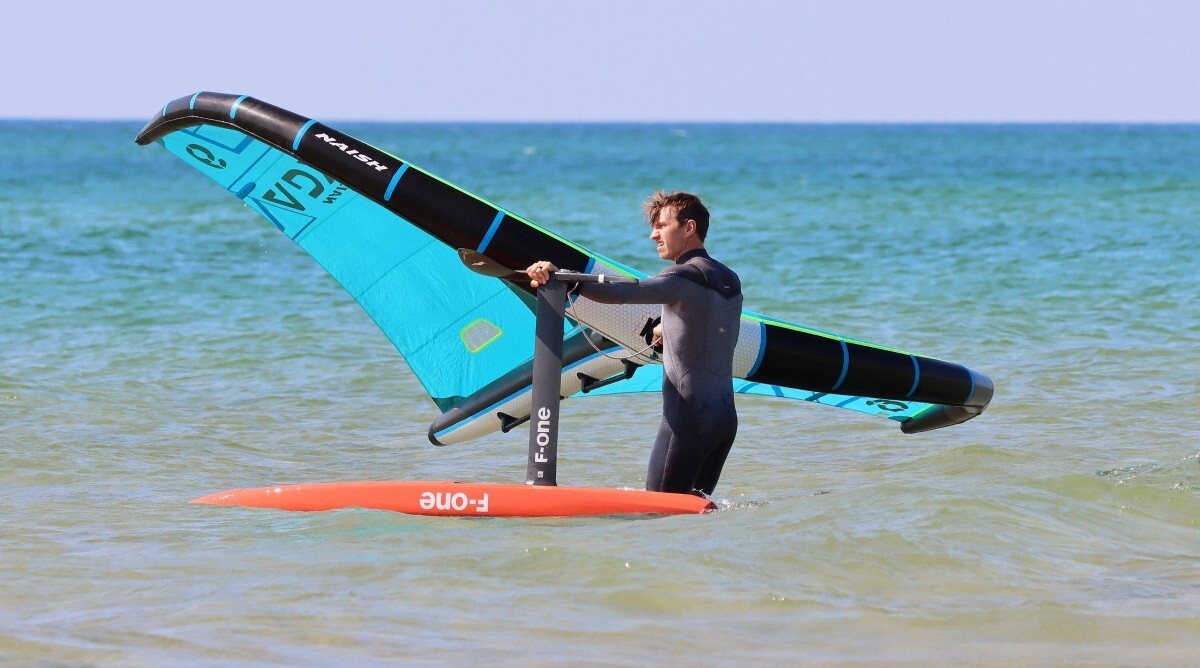
Remember, progression needs patience! It's tempting to think that your new gear is going to instantly put you into the high performance stratosphere. You might notice a twitchier ride the first couple of sessions, which is normal! With patience, you'll notice the gains stacking up, resulting in smoother jibes, longer glides, and more control in swell.
Why Not Upgrade Your Board First?
Plenty of riders ask us whether they should switch to a smaller board. Honestly, leave that for later. A foil upgrade delivers way more bang for your buck, and a small board only truly pays off once you're fully comfortable on a more efficient foil.
MACkite's Wing Progression Path
Every rider's journey looks different. In general, we recommend the following steps to upgrade your wing setup:
- Add a second (or third) wing for increased wind range.
- Upgrade your foil to a higher-aspect ratio performance foil.
- Eventually, downsize your board once your skills and conditions demand it.

Upgrading your foil isn't just about speed. It means unlocking better control, flow, and freedom in your rides. That's where the true magic lives!
And remember, we're here to help you make the right call. Give us a shout at the shop, drop us an email, or chat us online. We've been through the same progression and love helping riders find the perfect setup to keep the stoke alive.
MACkite Subscription Links:
YouTube | Instagram | Spotify Oddcasts
Contact MACkite Below:
800.622.4655 | Kiteboarder@MACkite.com | LIVE Chat Messenger


Recent Posts
-

Interview with Stig: Big Air, Naish Loyalty & Life Beyond Kiting
Rubens: What's up, guys? It's the Brazilian Bros from MACkiteboarding, and today we've got a very …26th Mar 2026 -
One Board, Every Session | Why We're Stoked on the Omen Emissary
If you've been searching for a single board that can handle light-wind winging, parawinging, prone …25th Mar 2026 -

Reedin HyperModel Kite Review: Fast Loops and Big Air Performance
The HyperModel was developed in collaboration between Reedin and Brainchild. Ralf Groesel, Damien …25th Mar 2026