
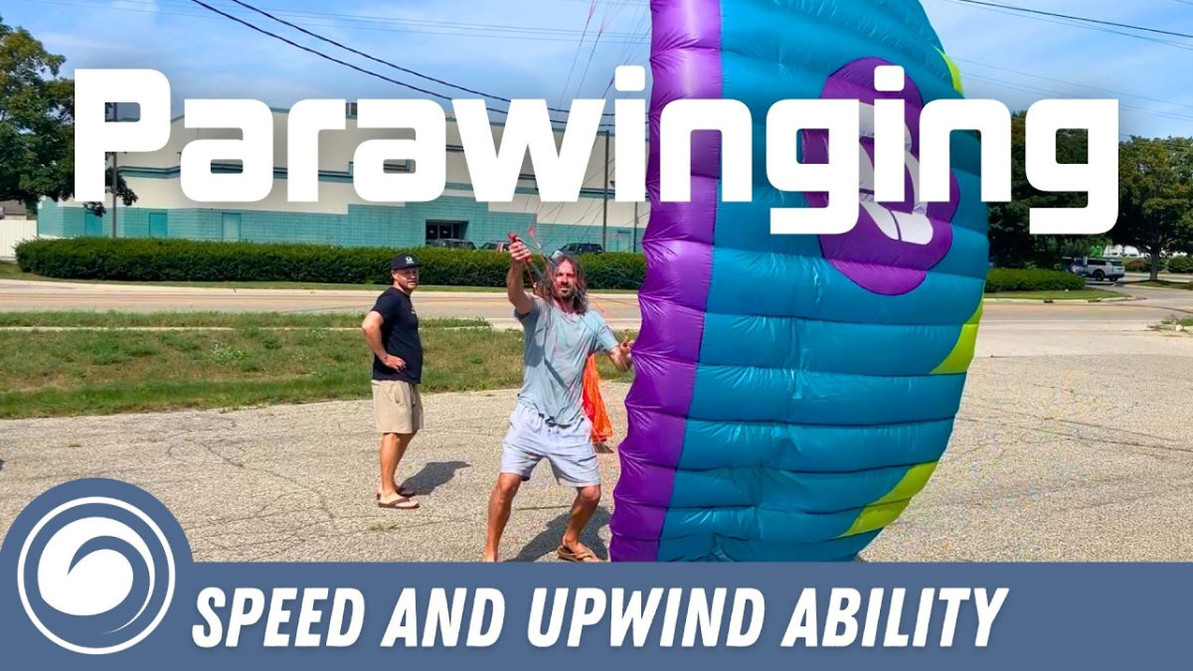
Ozone Afterburner V1 Review: The Fastest Parawing Yet?
The Rapid Evolution of Parawing Tech
Jeff and Tucker dive into the brand new Ozone Afterburner V1. The name itself gets people thinking, and it suits the wing perfectly. The parawing industry is growing rapidly, and it's wild to think Ozone released three different models just this year: the Power Pack, the Pocket Rocket V2, and now the Afterburner. While some might think that's too much, the advancement of the sport requires this quick development and segmentation to maximize performance and give riders exactly what they are asking for.

First Impressions: A Racy Sports Car Feel
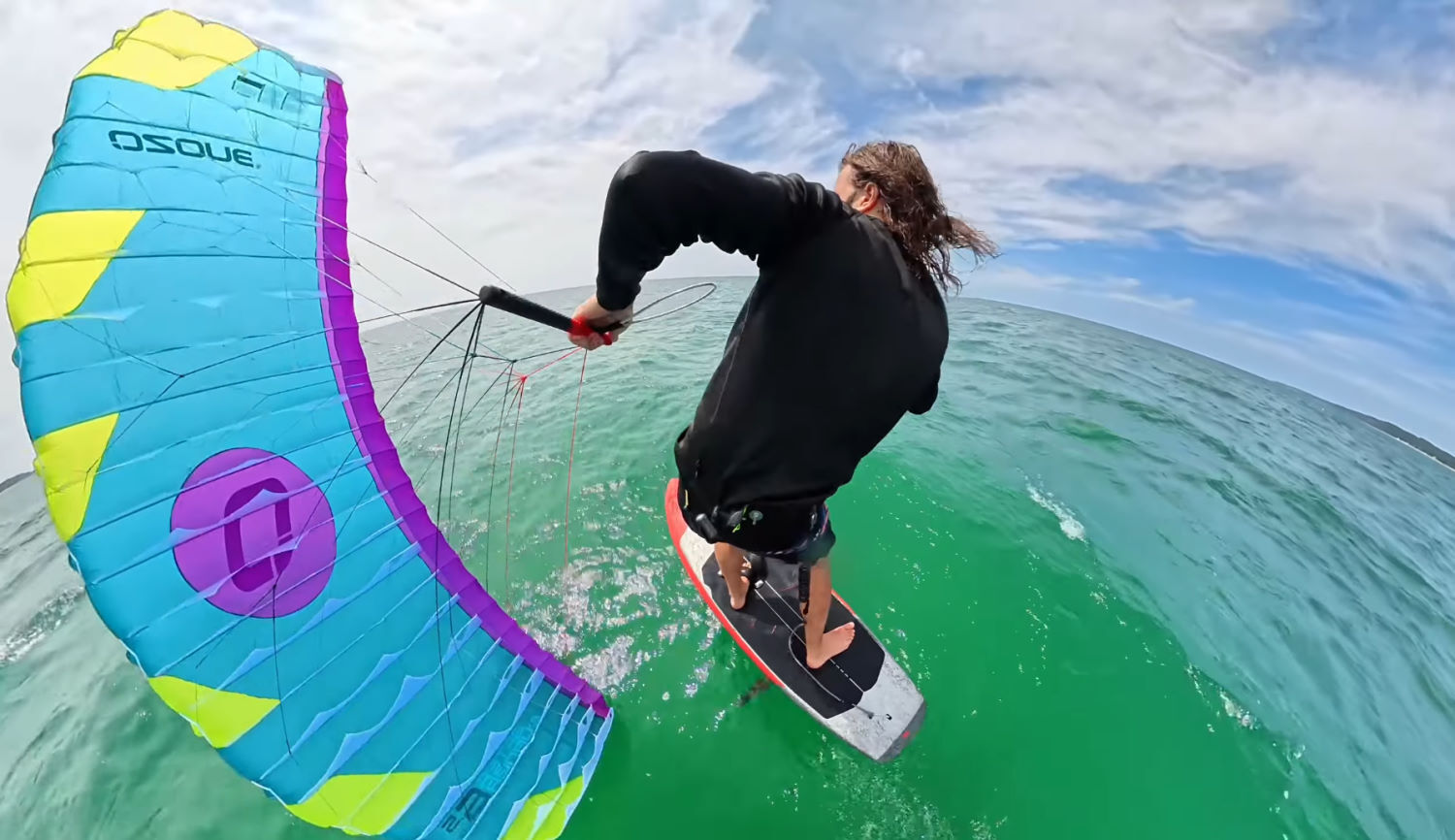
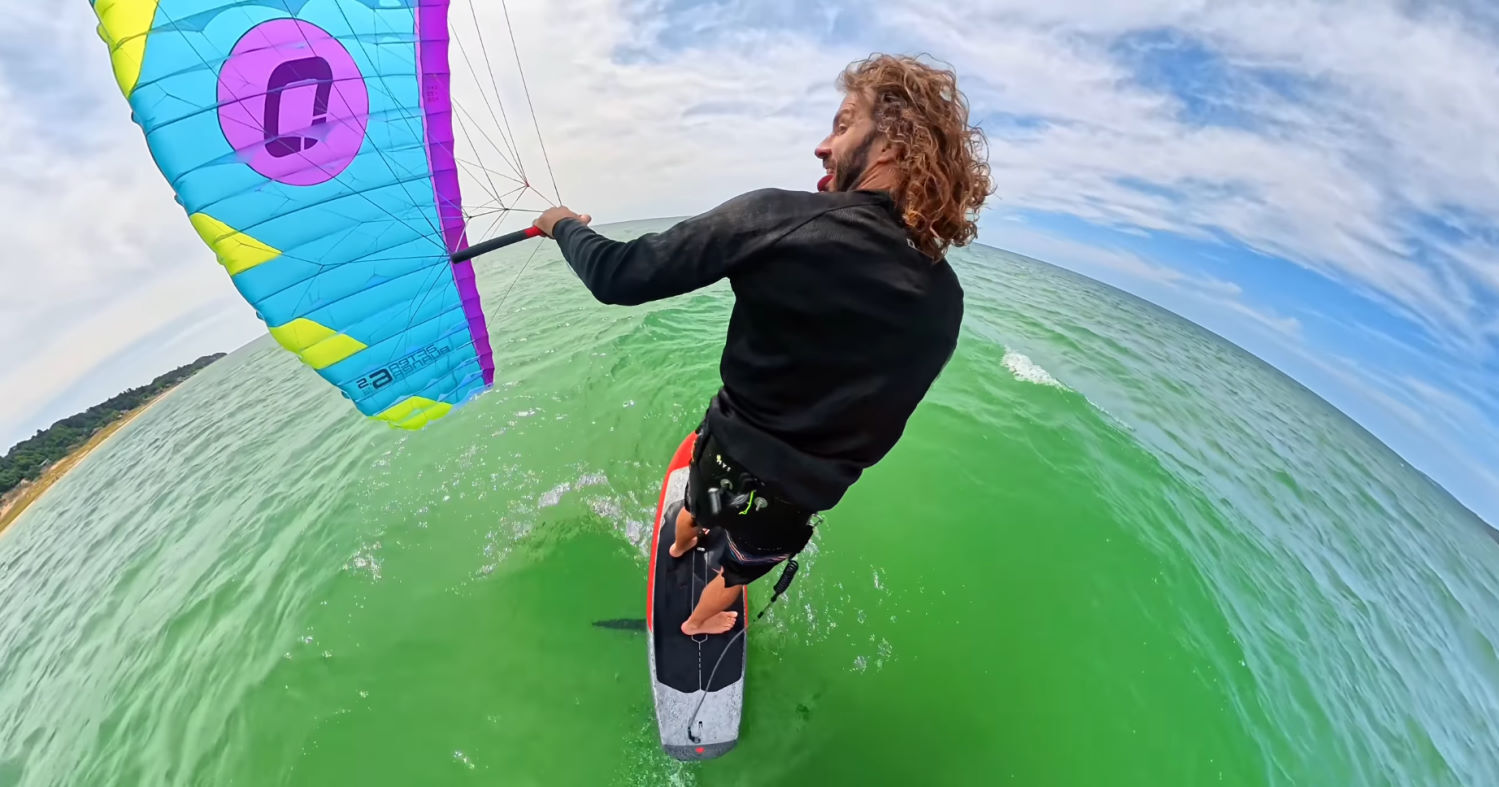
Jeff has dedicated about 12 recent sessions exclusively to testing different parawings. He took the 4.3m Afterburner out for a downwinder in winds blowing 16 to 22 knots, dropping to 13 or 14 at times. He immediately noticed a speed he hadn't felt in a parawing before. He took off upwind and was blown away by the light feel and consistent pull. It feels like a fast, racy sports car.
Accessible Performance and Massive Wind Range
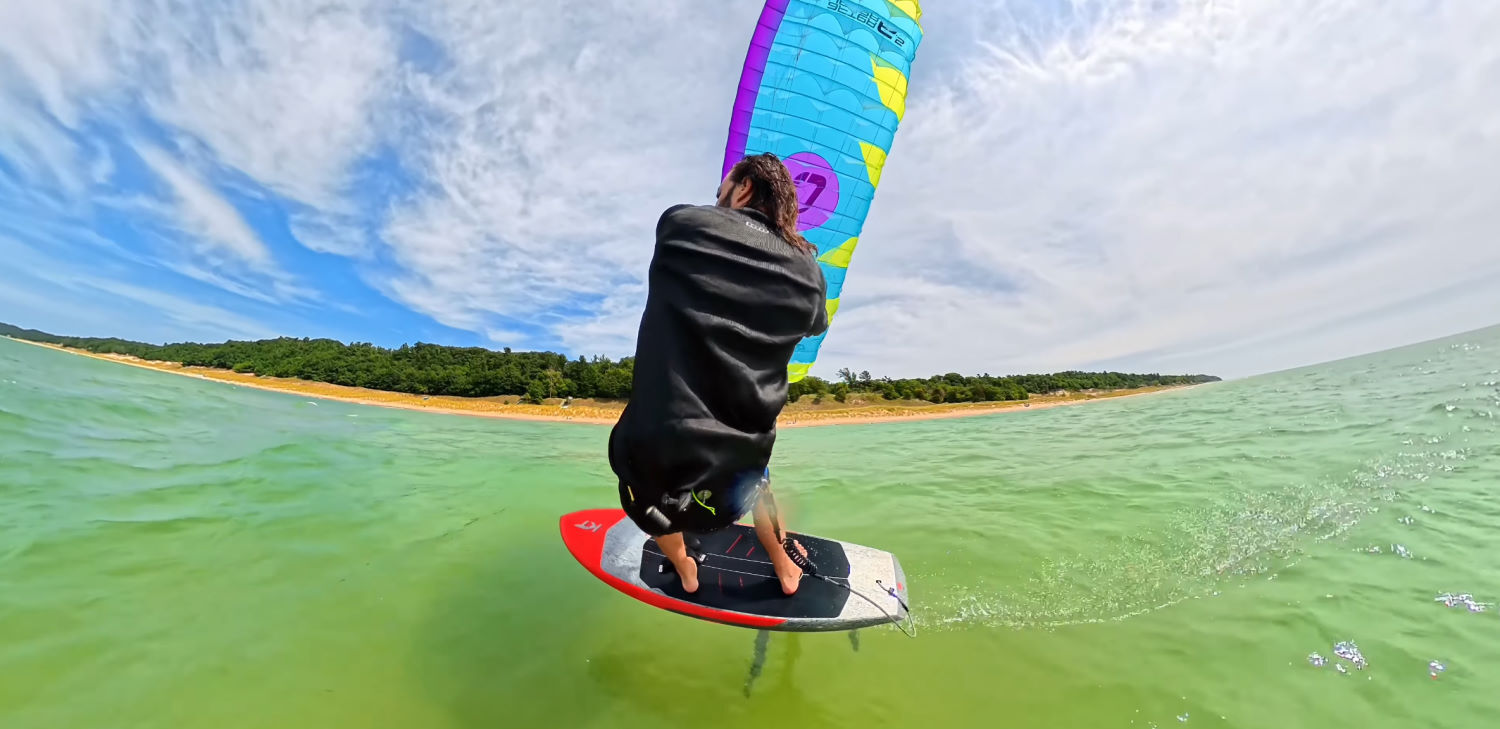
On paper, it looks like a racy machine for a small high-performance market, but Tucker likes to call it "accessible performance." You don't need to ride fast to enjoy this wing. It's very smooth, goes upwind great, and the VMG (Velocity Made Good) is phenomenal. Building apparent wind is effortless and fun.
The biggest thing riders will appreciate beyond the performance is the total range and comfort. A lot of parawings on the market are easy and fun, and they stow down tiny, but their wind range is incredibly narrow. You're either totally overpowered or underpowered, requiring frequent wing changes to stay in the ideal power zone. The Afterburner breaks away from that. It has such a massive range and is so comfortable that you can use it to replace two wings. It works just as well for a beginner smoothing out gusty mountain lakes as it does for a pro-level rider winning races. Tucker compares this leap in technology to the transition from C-kites to bow kites back in the day, bringing improved bridles, depower, range, safety, upwind ability, and VMG.
Comparing the Ozone Parawing Lineup
With three wings in the lineup, it's important to know where the Afterburner fits:
- Power Pack: A compact, downwind-pulling, wave-riding machine. It's the easy choice for dedicated downwinders. It can ride upwind, but it's primarily built for downwind and waves.
- Pocket Rocket V2: Steps up with better upwind ability, better range, and more comfort as you get overpowered compared to the Power Pack. It's a great all-around go-to.
- Afterburner: Takes it to the next level with even more range, upwind ability, and better VMG. It's for anyone concerned with downwind performance who wants to ride smaller, faster foils and build more apparent wind.
Packing and Stowing
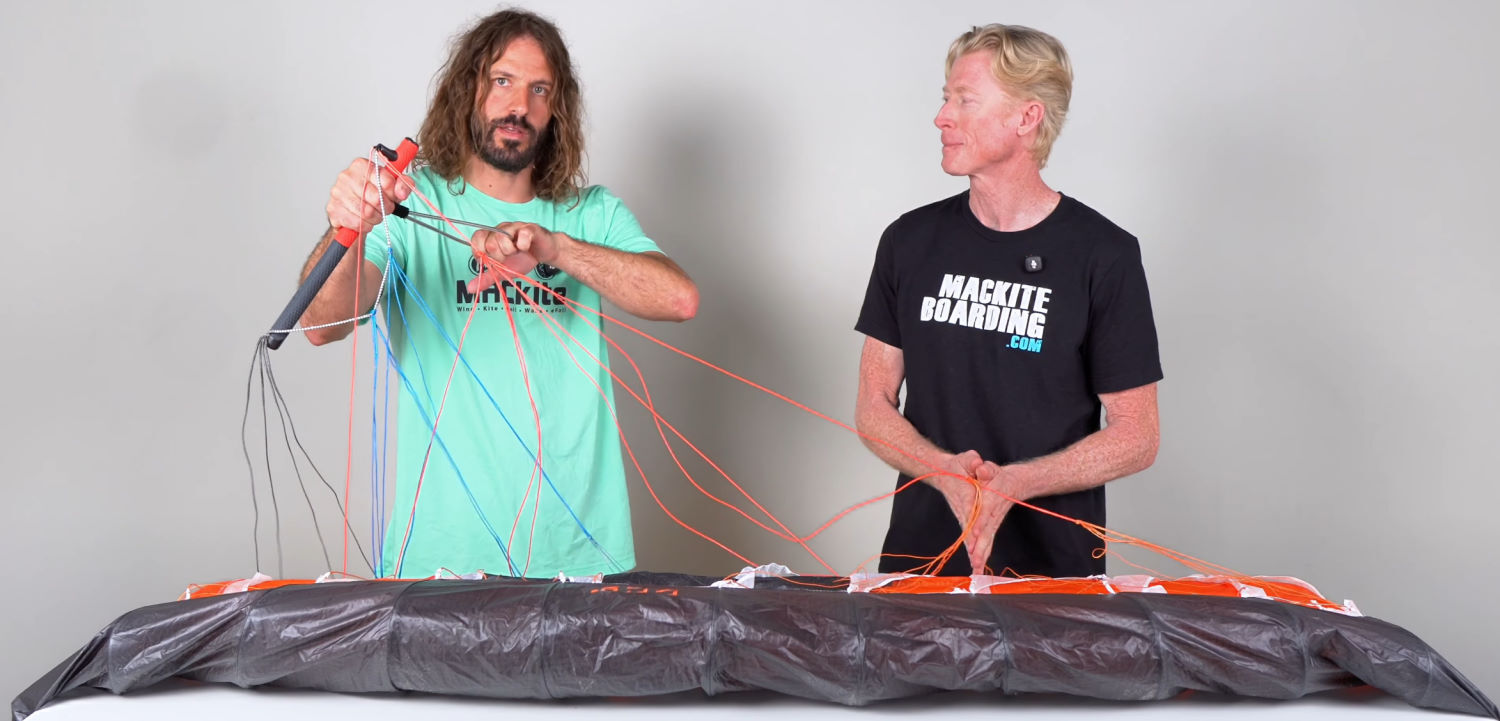
Because the Afterburner has more cells, a wider canopy, and more bridles, it won't pack down quite as easily as the Pocket Rocket V2 or Power Pack. It takes an extra second or two to stow away, especially if you are a brand new rider and haven't figured out your pack-away method yet. The battens are also a little bigger, taking up a bit more space in the pouch. However, it's still much easier to pack than a dual-skin or hybrid parawing where you have two canopies to contend with.
Handling, Tacking, and Jibing
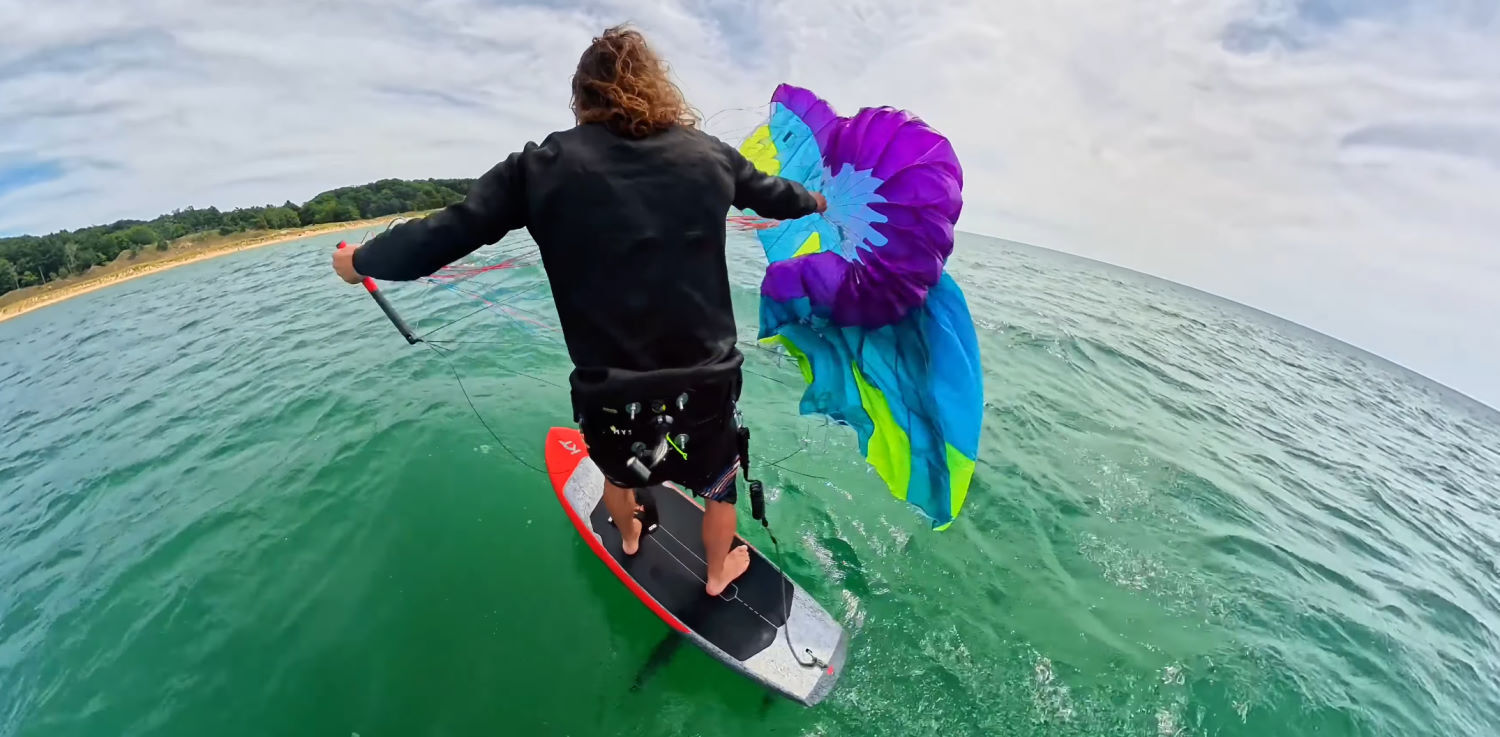
Jeff noted it takes a slightly different turning technique in lighter winds. The Pocket Rocket feels more forward with an obvious pull, while the Afterburner is lighter, higher performing, and takes a few turns to dial in. Because it goes upwind so well, tacking is incredibly easy and saves you 20 to 30 feet of upwind ability. Just keep tension in the sail, bring it up, cruise upwind, and swing it down.
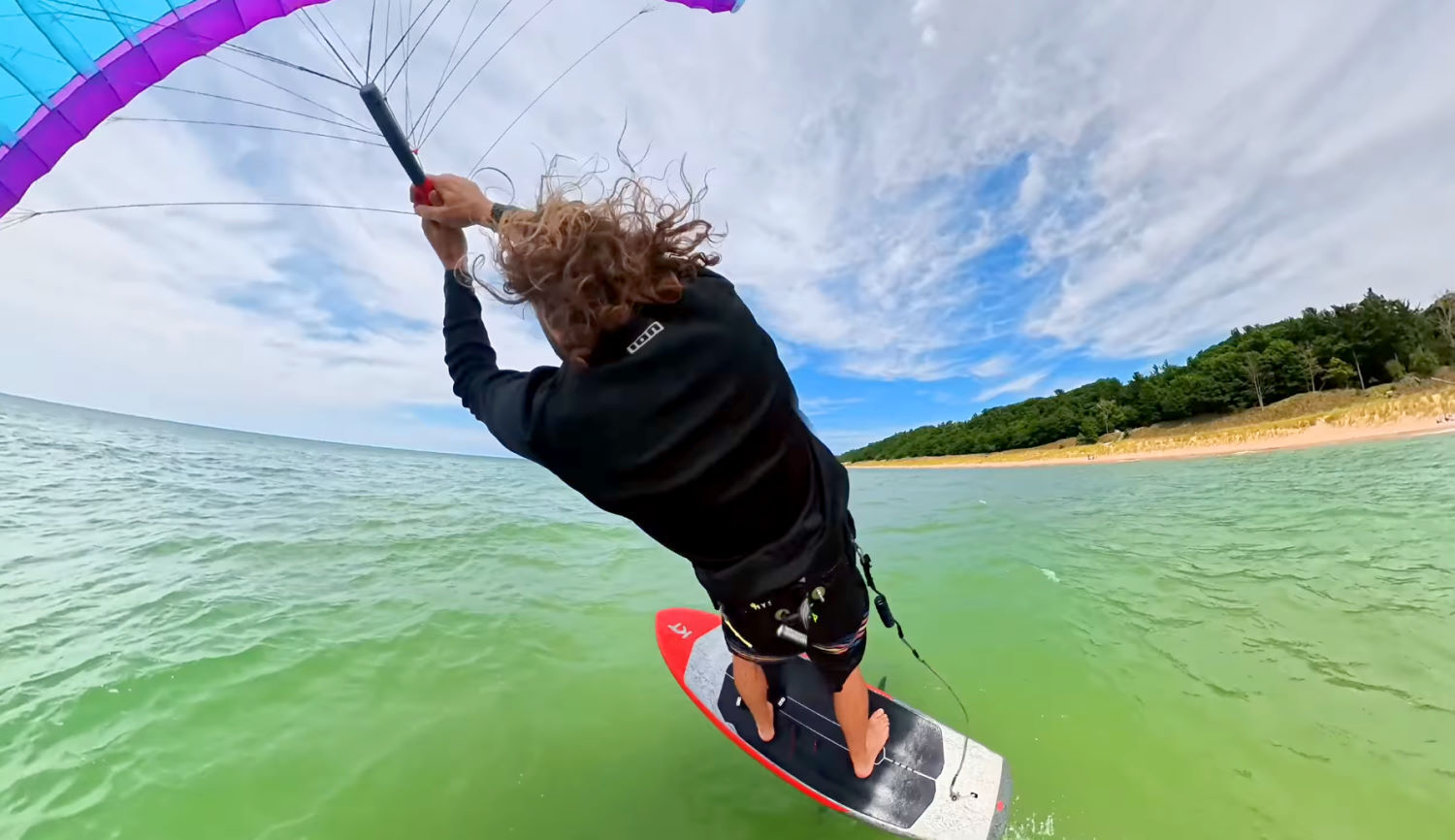
For jibing, Tucker found you need more backhand impulse and trailing edge to get it to sit back a bit, get it to pivot, grab a steering line, and hold it until it completes the turn. If you head downwind too fast with too much speed, you can easily stall the wing and lose steering tension. If it does stall, don't panic- just give it a little cross-pull to get it flying again. The wider canopy and longer bridles mean you need a little more time to turn.
High Wind Control and Sizing
When hitting big gusts at speed, Jeff didn't feel like he'd get pulled over the front of the board; he felt totally under control. Tucker rode the 6.5m in up to 22 knots and remained comfortable, a range that would normally require two wings, like a 7m and a 5m. Because of this massive high-end, you don't need as many sizes in your quiver. Jeff (175 lbs) and Tucker (185 lbs) agree you can really stretch the higher end of these wings.
Ozone makes sizes down to a 3m. Talking to team riders who have flown the 3m and 3.6m, they say you definitely don't need anything smaller than a 3m, as that size will take you to hurricane-level winds. The 6.5m has a bottom end close to 6.5m or 7m wings, but you can hold it down in much stronger conditions.
Bar Pressure and Harness Loop
The Afterburner features very light bar pressure. There is less input and pull on the bar; it feels like it's flying with you more, driven forward by the VMG and a highly balanced bridle and canopy. It comes with a 25cm fixed harness loop that sits two to three inches off the front. Jeff, having really long arms, found the loop a bit short, but with the long bridles, it does work pretty well. Tucker likes to hold the loop with his other hand to save his grip while unhooked, especially when taxiing around looking for wind or riding toeside.
Who Is the Afterburner For?
The Afterburner is definitely one of the fastest parawings the guys have tried so far. The power and range is insane, and it's the wing they want to fill out their quivers. While it does work well for downwinders, the Afterburner does sit further forward, so if you want the wing to stall in front of you and redirect while you fly downwind while packing down as compactly as possible, take a look at the Power Pack instead. But if you want good VMG and upwind ability, as well as a wide wind range, the Afterburner is a great choice.
MACkite Subscription Links:
YouTube | Instagram | Spotify Oddcasts
Contact MACkite Below:
800.622.4655 | Kiteboarder@MACkite.com | LIVE Chat Messenger
Recent Posts
-

2026 Cabrinha Unify Control Bar Review
The Brazilian Brothers are in windy Brazil to provide a thorough review of the brand-new 2026 Cabr …23rd Oct 2026 -
Naish Hatch V2 Parawing Overview
Jeff takes a few minutes out from the KoGL event to chat with Adam Carr from Naish about the Hatch …22nd Oct 2026 -

Flysurfer Soul 4 vs Sonic 5: Which Kite is for You?
Jeff is on the beach at KoGL with Marie-Eve from Flysurfer to discuss the growing excitement surro …20th Oct 2026