

Josh Ku Shares Foil Drive Tips for Beginners

Foil Drive has quickly become the gold standard for assisted foil surfing—hands down. But like any new discipline, the learning curve can be steep. Josh Ku, an experienced waterman, recently shared insights from his early sessions on the Foil Drive, offering a valuable roadmap for beginners navigating the transition.
The Early Struggles: From Surfing to Foil Drive
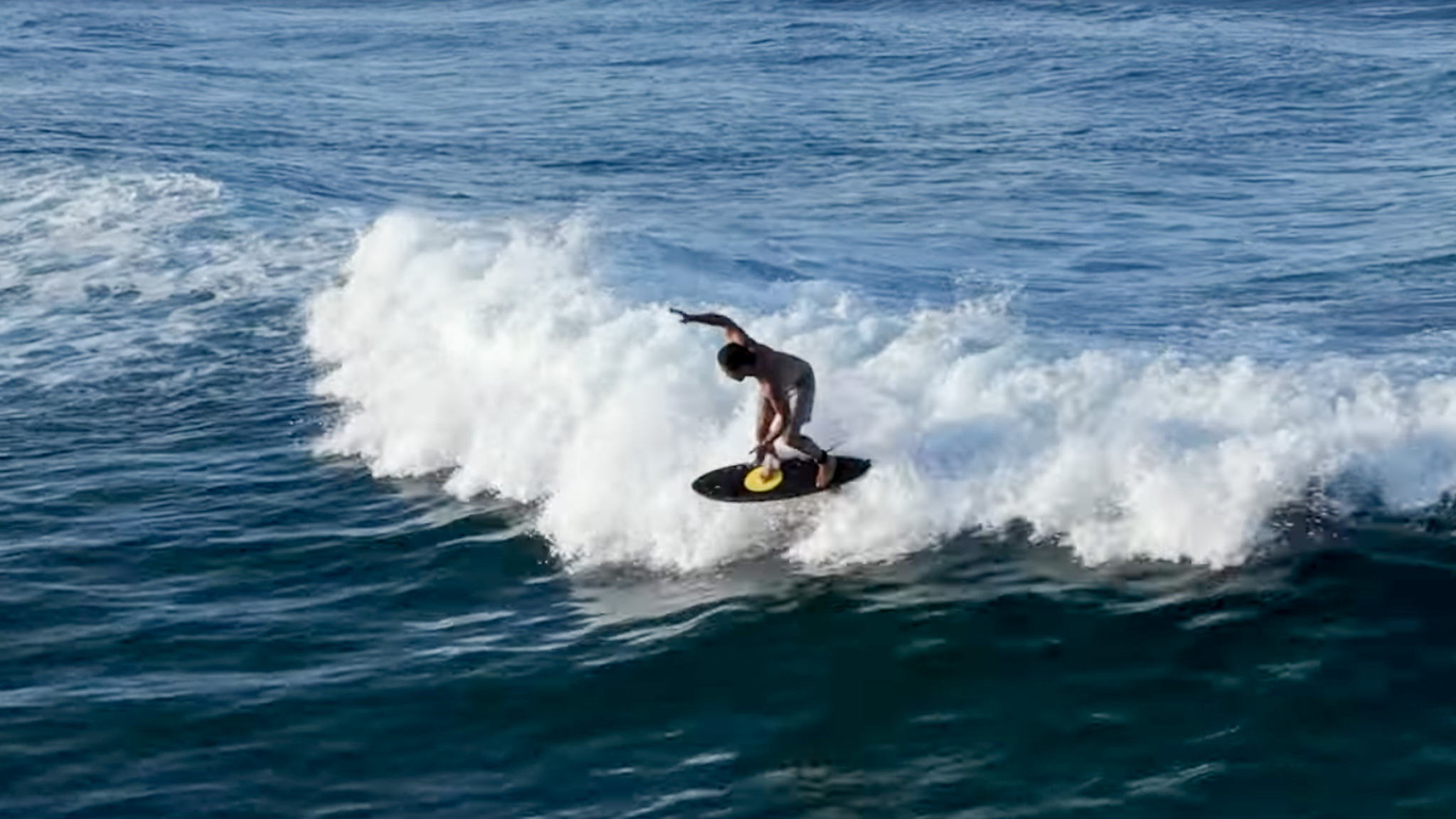
Josh’s initial challenge came from treating Foil Drive like prone surfing. Using a prone board of similar volume, he attempted to paddle into waves, engage the motor, and then cut power as soon as he lifted onto foil. The result? Nose dives and gassed-out sessions. The biggest issue was weight distribution and the shift in technique required for powered takeoffs.
To address this, Josh switched to a larger board—around 40 liters of volume and 5 feet in length. This gave him more stability and room to work on foot placement. The added volume created forgiveness during the critical pop-up phase, which was key to building confidence.
Building a Foundation: Flat Water Training
Instead of battling waves from the start, Josh recommends taking a step back and practicing in flat water. By using the motor to initiate takeoffs without the added complexity of timing waves, riders can focus on balance, weight shifts, and throttle control. This environment strips the process down to fundamentals and makes progression much smoother.
The Importance of Weight Distribution
One of the biggest lessons Josh highlights is managing front-foot pressure. When first powering up, pressing through the hands, elbows, and then heavily through the front foot keeps the nose from lifting into a “wheelie.” This stabilizes the board and prevents uncontrolled launches.
Once on foil, however, that heavy front-foot pressure becomes a liability. Riders must shuffle their front foot slightly back and shift the hips over the back knee to level the board. Without this adjustment, the nose will want to dive as soon as the motor disengages. Josh stresses the value of developing good footwork habits early on, rather than relying only on upper-body weight shifts.
Throttle Management: Avoiding the “Whiskey Throttle”
Another key adjustment is learning throttle control. Too much power can launch the rider out of the water, while too little can stall progression. For beginners, Josh recommends setting the controller to low power mode. This reduces the risk of being “boosted” uncontrollably and makes the throttle response more manageable.
Once up and riding, easing off the trigger gradually allows the foil to glide naturally. Riders should focus on finding that balance point where the foil lifts smoothly and power becomes a supportive tool rather than a crutch.
Micro Adjustments: The Key to Staying on Foil
Foil Drive rewards precision. Josh points out that the tiniest micro-movements—foot shuffles, hip shifts, and throttle feathering—make all the difference. For example, failing to move the front foot back during the ollie transition almost always leads to nose dives. On the flip side, learning to “commit” fully to foil riding, whether powered or unpowered, accelerates progression.
The Path Forward: Commitment and Consistency
Each session builds on the last. For Josh, early rides were about simply getting to his feet—something he couldn’t manage two sessions prior. Now, the focus is committing to riding fully on foil, refining throttle discipline, and dialing in foot placement.
The biggest takeaway? Foil Drive progression requires patience, repetition, and a willingness to embrace small victories. Whether practicing in flat water, refining footwork, or learning to feather the throttle, each skill compounds into smoother, more controlled rides.
Key Takeaways
- Start with stability: A slightly larger board makes the learning curve easier.
- Practice in flat water: Remove wave timing from the equation to focus on fundamentals.
- Front-foot pressure matters: Keep the nose down at takeoff, then shuffle back to level out once on foil.
- Throttle control is crucial: Use low power mode at first and avoid over-throttling.
- Footwork beats brute force: Develop consistent foot shuffles instead of relying only on weight shifts.
- Commit to the foil: Avoid riding “in between” powered and unpowered—pick one and commit.
MACkite Subscription Links:
YouTube | Instagram | Spotify Oddcasts
Contact MACkite Below:
800.622.4655 | Kiteboarder@MACkite.com | LIVE Chat Messenger
Recent Posts
-
Reedin Wing Foil Package Overview: Built to Learn, Designed to Progress
A Carefully-Crafted Entry Into Wing Foiling If you've been eyeing wing foiling but feel overwhelme …9th Apr 2026 -

Foil Drive's New Props Explained
For a long time, the black prop was just the prop. It came in the kit, it worked, and you rode it. …9th Apr 2026 -

Reedin SuperModel V6 Overview: Lightweight Aerolite Frame Upgrade on a Kite for Anyone
After more than five years on the market, the SuperModel has become the foundation of Reedin's lin …9th Apr 2026