
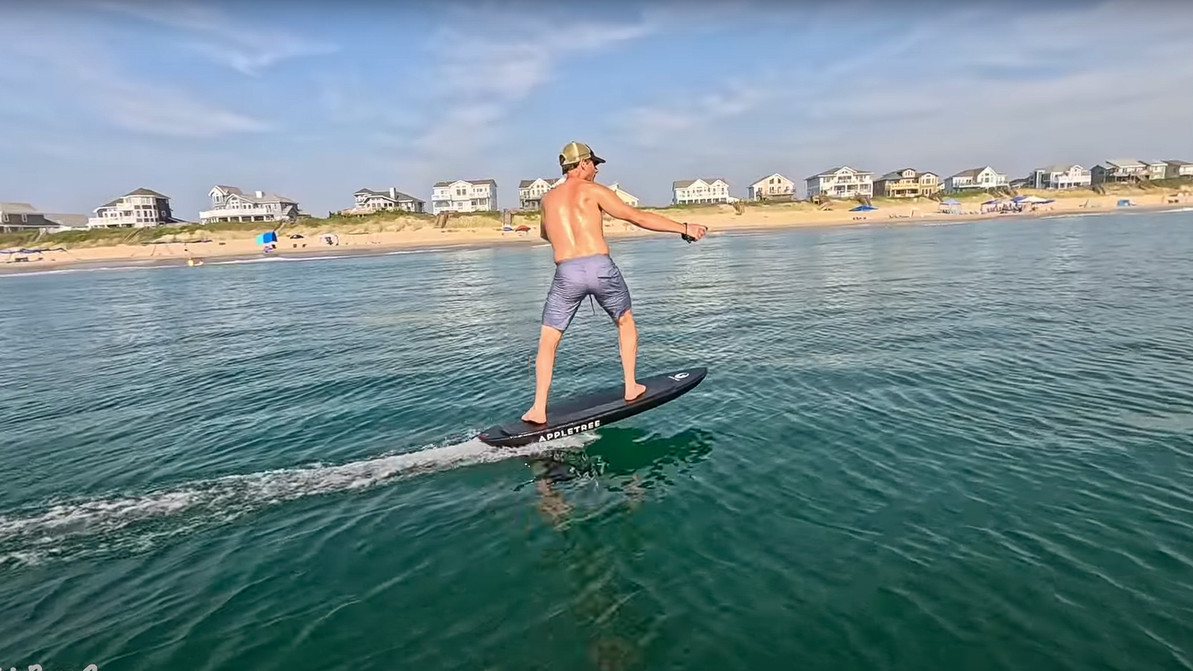
How Fast Can You Learn to Foil Drive? Hunter Lukes Has the Answer
Foil Drive is one of the most amazing tools in the foil surfing world. By adding electric assist, it helps new riders get on foil without the endless paddling or tow-ins traditionally required. For experienced foilers, it opens the door to new ways of connecting waves and maximizing sessions.
Recently, our friend Hunter put his teaching skills to the test by introducing his friends Jack, Jack’s dad Matt, and later Jack’s brother Luke to Foil Drive. What unfolded was a two-day mix of nerves, laughter, falls, and ultimately triumph.
The story not only showcases how quickly newcomers can progress with Foil Drive, but also highlights some of the gear choices and teaching strategies that make a difference in learning.
The Gear Lineup
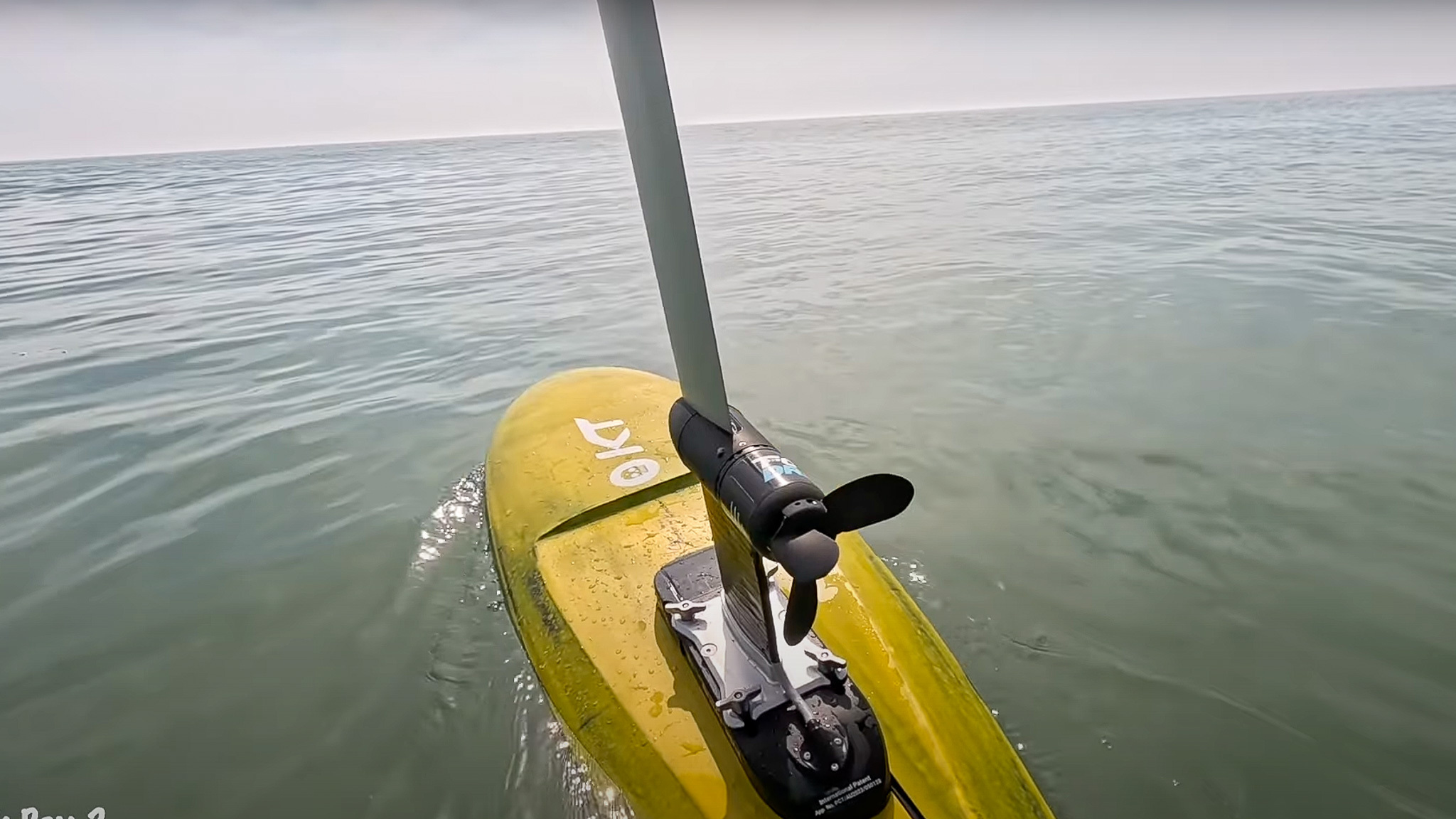
Hunter arrived with two Foil Drive setups and a pair of performance front wings. While not designed for total beginners, the equipment was enough to give everyone a fighting chance.
Foil Boards
- 40L Omen Flux
- 38L KT
Foil Drive Units
- Foil Drive Max – the higher-powered version
- Foil Drive Slim – lighter, with less thrust but more compact
Front Wings
- Axis ART 999 – a fast, high-aspect wing
- Lift 170 High Aspect – designed for glide and pumping efficiency
This was a far cry from the oversized beginner gear many instructors would use for a first lesson. As Hunter noted later, he would normally put newcomers on a larger downwind-style board or a foil wing above 1000 cm². But on this trip, traveling light meant making do with high-performance equipment.
Lesson One: Starting with the Basics
Before anyone touched the water, Hunter laid out the key points:
Throttle Control
- Don’t mash the trigger. Instead, roll on the power gradually.
- Once moving, keep the nose above water and steady.
Body Position
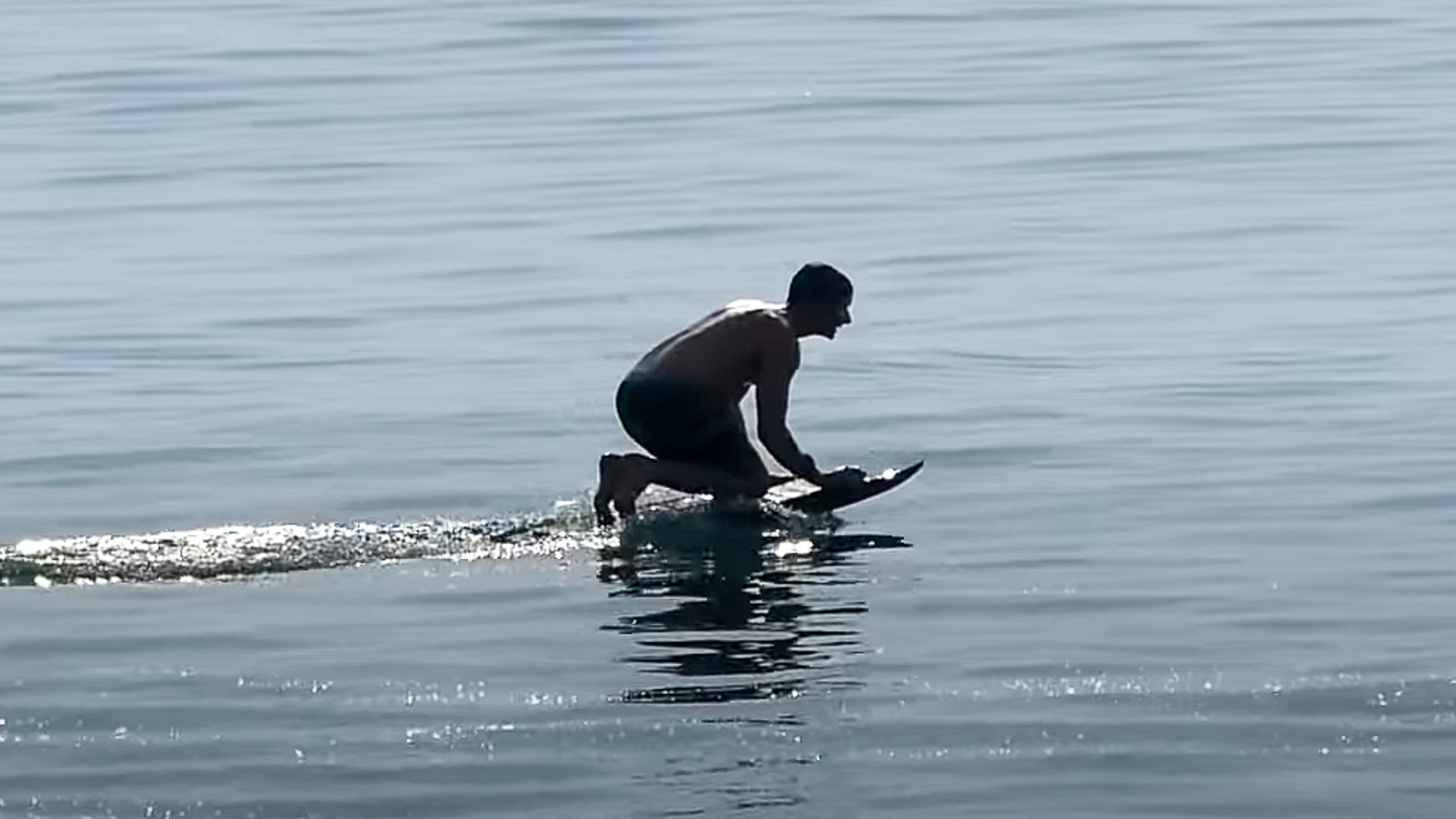
- Begin on the knees to stabilize the board.
- Stand up only once the board is gliding cleanly.
Board Angle
- Keep the nose slightly elevated to avoid pearling.
Remote Connection
- On some boards, the remote works best when close to the motor housing.
- Keep the remote steady and ready to feed throttle without interruption.
And, of course, there was one safety reminder: be aware of the spinning motor. With that out of the way, it was time for Jack to step up first.
Jack’s First Attempts
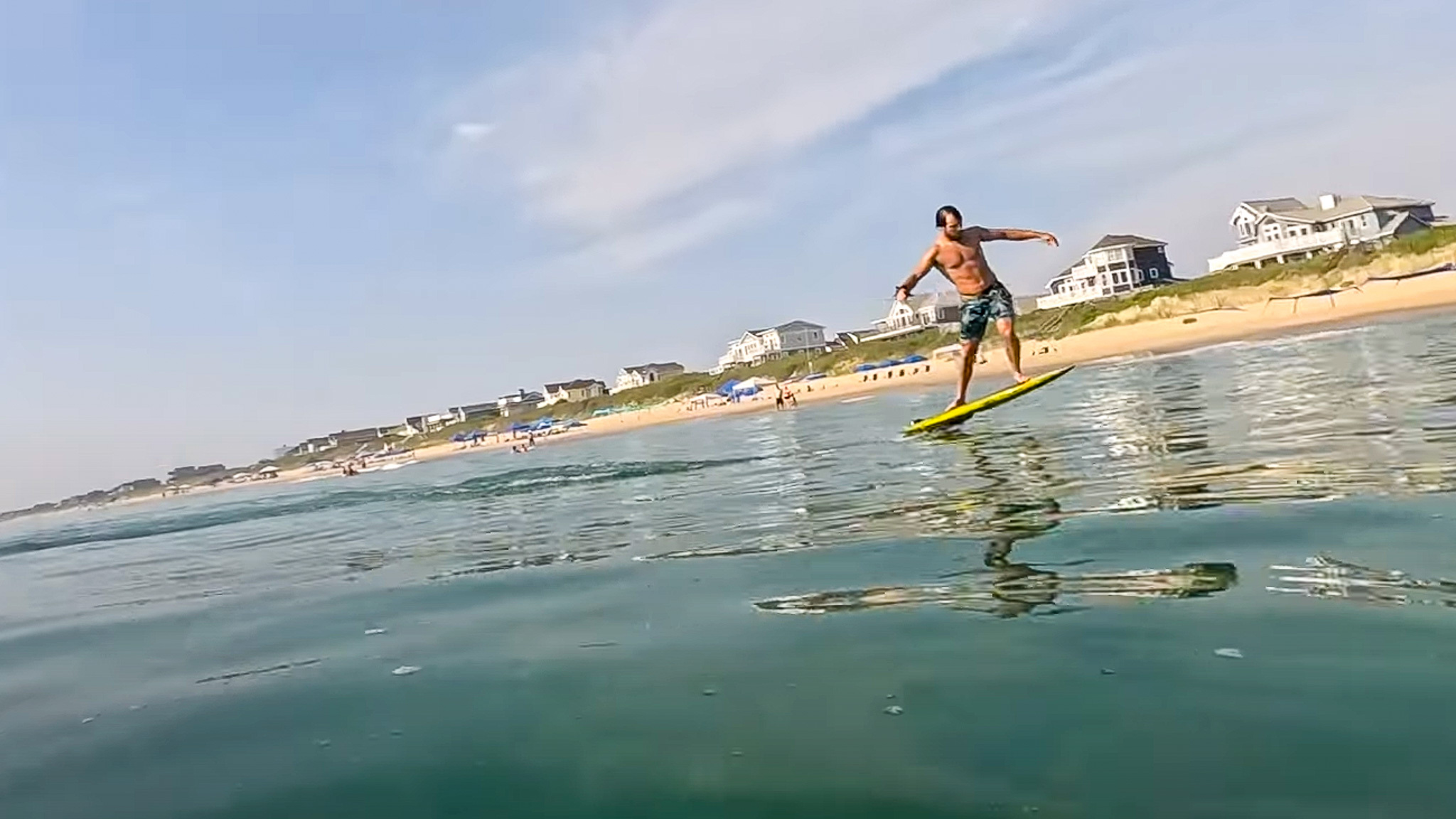
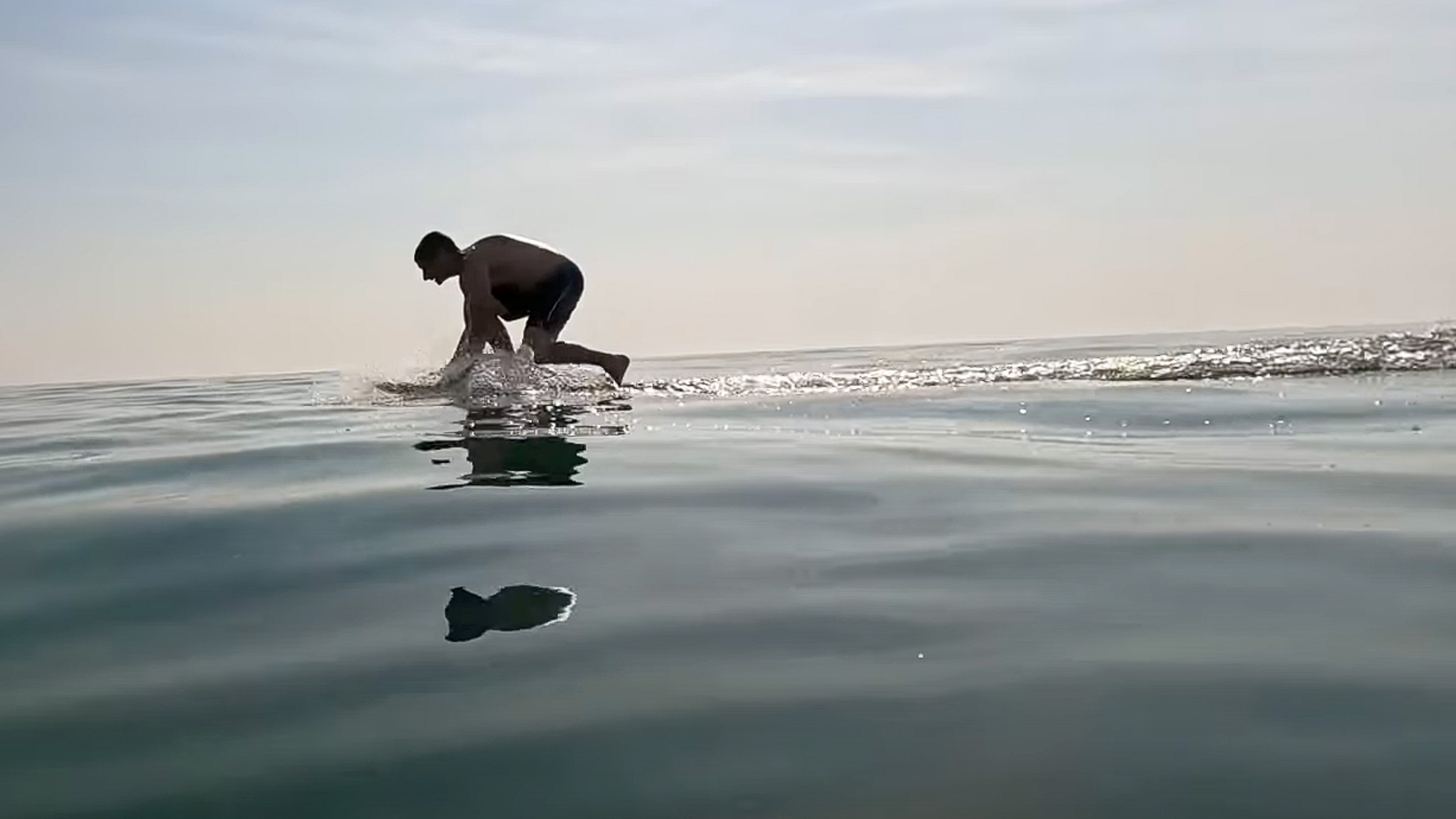
Jack’s early tries were filled with the usual wobbles. A bit more throttle here, a nose dive there—but then everything clicked. On his second attempt, Jack popped up and flew across the water.
Hunter’s coaching—“More throttle! Keep it steady!”—rang out, followed by cheers as Jack lifted into his first controlled flight. The excitement was contagious.
Jack’s Takeaway
After the ride, Jack shared his first impressions:
- Getting up was easier than expected.
- Turning was surprisingly difficult, requiring fine balance.
- Pumping felt equally challenging, with timing being the key.
- Overall, the learning curve was shorter than imagined, and with a few more sessions he expected to be riding waves comfortably.
It was the perfect first Foil Drive moment—fast progress, huge smiles, and the realization of what’s possible.
Matt’s First Day: Dad Joins the Fun
Next up was Jack’s dad, Matt. His determination was clear, but his first day came with more challenges. He managed a few short lifts but had trouble holding balance.
Hunter encouraged him to:
- Shift weight forward to prevent the board from plowing.
- Stand up quicker once the board started moving.
Though Matt didn’t ride for long stretches, he had tasted enough success to come back the next day determined to crack the code.
Day Two: Breakthroughs on the Water
The next morning, both Jack and Matt returned to the water, ready for more.
Jack Levels Up
Jack began linking his rides and working on turns. He even connected with small bumps, pushing toward Foil Drive’s wave-riding potential. Though he took plenty of falls, his progression was obvious—by the end of the day he had even managed to ride a wave with the assist.
Matt’s Big Win
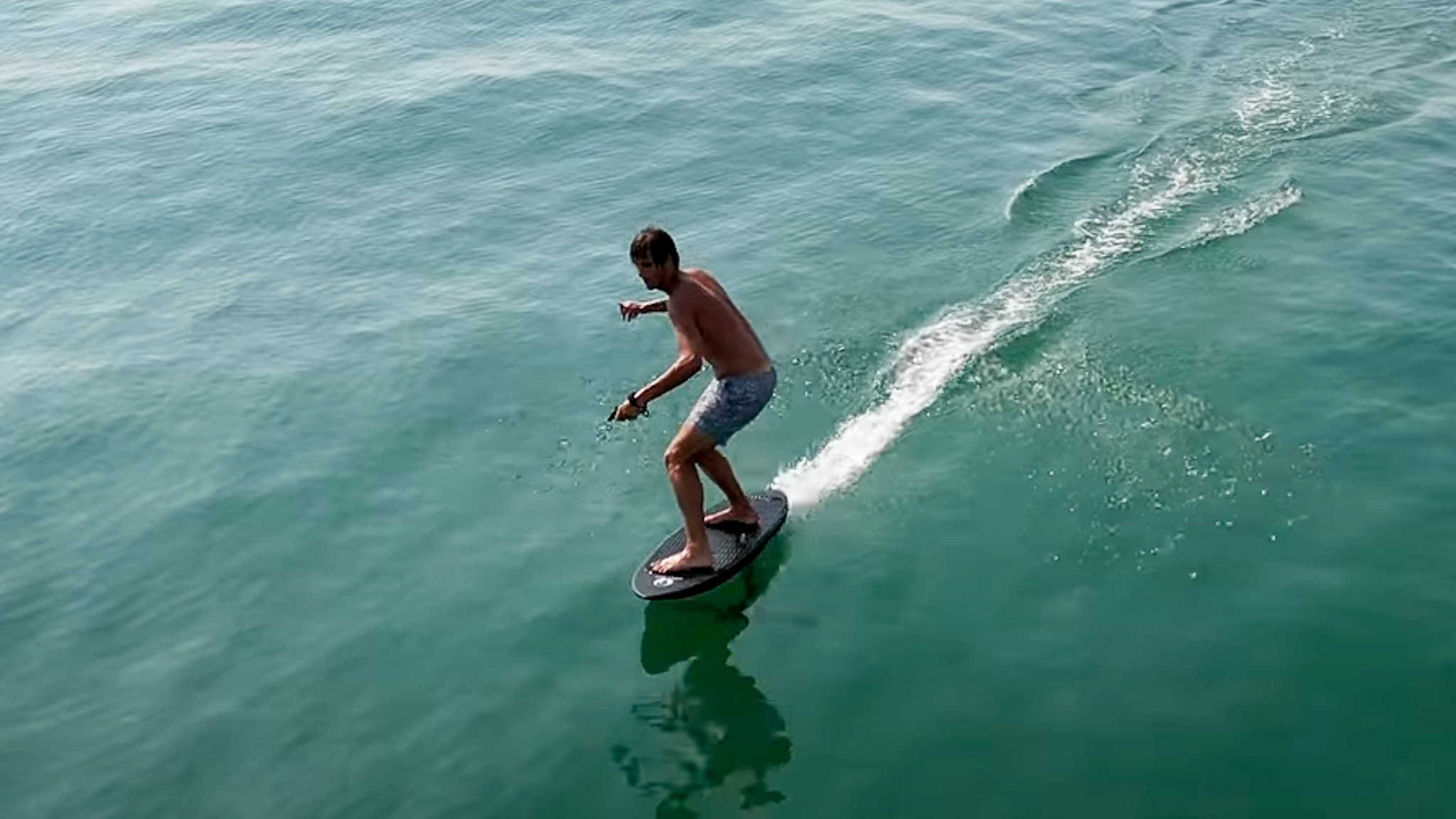
For Matt, Day Two was the breakthrough. With steadier throttle management and better body positioning, he finally managed sustained flights. Each ride brought more confidence, and by the end of the session, he was carving long runs across the water.
Bonus Round: Luke Gets a Turn
Later in the trip, Jack’s brother Luke also got a chance to try Foil Drive. At a bigger size than Jack, and with only smaller boards and wings available, his challenge was steeper. Without a foil above 1000 cm², Luke had less lift to work with.
Still, he managed attempts and got the feel for assisted foiling. While he didn’t progress as quickly as Jack or Matt, Luke’s session highlighted just how important gear selection is for beginners.
Key Teaching Insights from Hunter
Reflecting on the sessions, Hunter noted a few important lessons for anyone introducing friends or family to Foil Drive:
Choose the Right Board
- Bigger boards make life easier. A downwind board or wider wing board gives new riders more time to find balance and stand up.
Use Larger Foils
- For first-timers, wings above 1000 cm² help generate lift at lower speeds and reduce crashes.
Throttle Management Is Everything
- New riders often hesitate on the trigger. Encouraging them to commit to steady throttle helps the board stabilize.
Progress Happens Fast
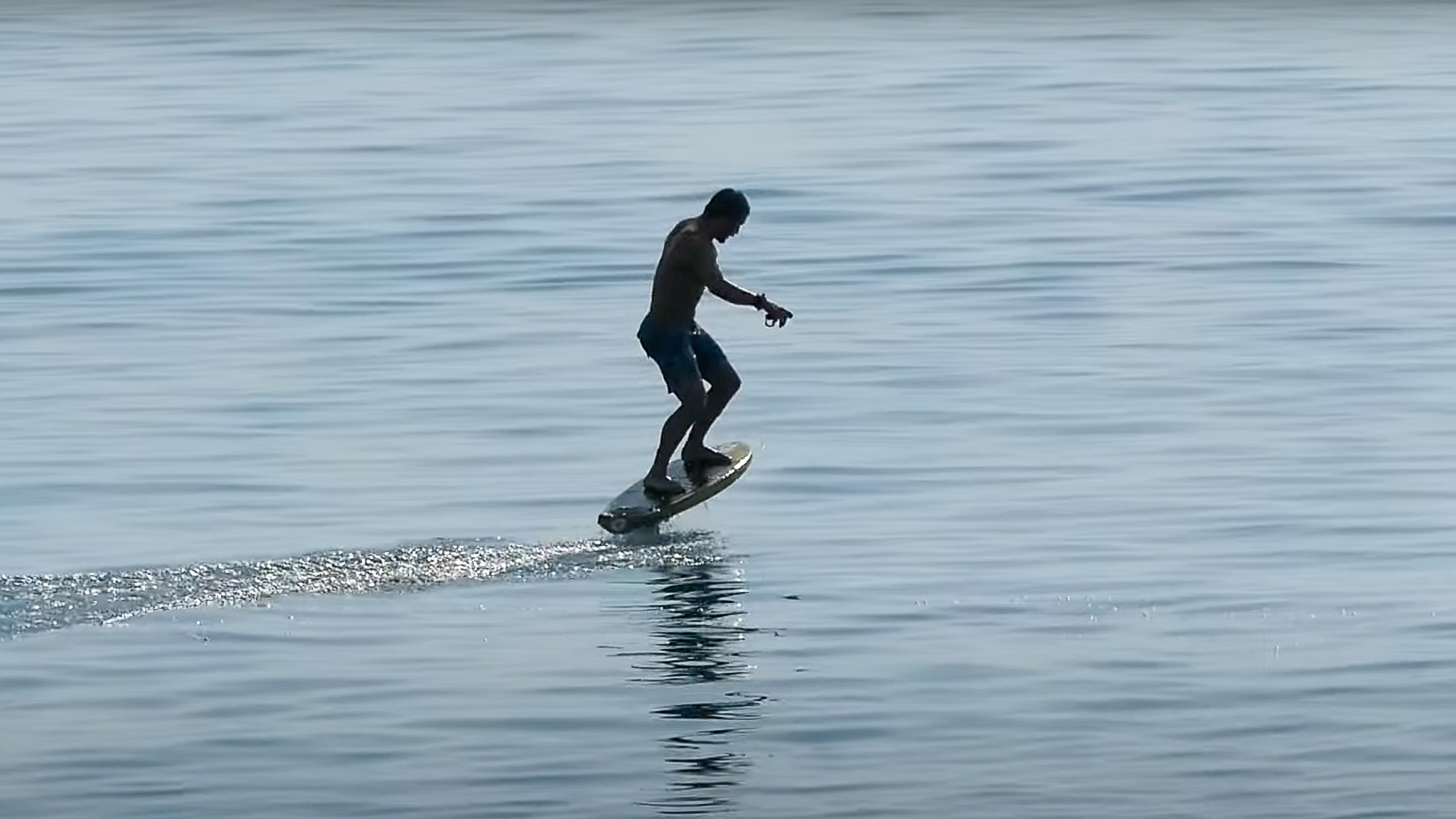
- Even on high-performance gear, both Jack and Matt got on foil within two days.
Persistence Pays Off
- Day One can be filled with frustration, but returning on Day Two almost always brings breakthroughs.
The Riders’ Perspectives
Jack’s Review
- Easiest Part: Getting up once the throttle timing was dialed.
- Hardest Parts: Turning and pumping—both required subtle technique.
- Overall Impression: A few more sessions would bring him to wave-riding level, and the thrill of flying on foil was unmatched.
Matt’s Review
- Day One: Frustrating but hopeful.
- Day Two: Everything came together with proper weight shift and throttle control.
- Overall Impression: A sense of accomplishment and proof that persistence pays off.
Luke’s Review
- Biggest Challenge: Learning on smaller, high-aspect gear without the added lift of a bigger wing.
- Takeaway: Foil Drive is fun and achievable, but equipment makes a huge difference for larger riders.
Why Foil Drive Works for Learning
The success of these sessions demonstrates why Foil Drive is such a game-changer:
- Removes the Barrier of Entry: Instead of endless paddling or the need for a boat, riders can focus directly on board control and foiling.
- Accelerates Progression: Skills like turning and pumping can be isolated and practiced without the distraction of chasing waves.
- Accessible to Families and Friends: With some patience and the right gear, anyone can experience the thrill of flight.
Key Takeaways
- Gear Selection Matters: Larger boards and foils accelerate progression, especially for heavier or taller riders.
- Throttle Confidence Is Crucial: Smooth, committed throttle application stabilizes the board.
- Expect a Learning Curve: Day One may be bumpy, but Day Two usually delivers breakthroughs.
- Foil Drive Is Versatile: Whether used for first flights or advanced wave-riding, it’s a powerful tool for all levels.
- Shared Stoke Builds Community: Watching Jack, Matt, and Luke experience their first rides was a reminder of how fun and inclusive Foil Drive can be.
Conclusion
By the end of the two-day experiment, Jack had ridden a wave, Matt had achieved steady flights, and Luke had gotten a taste of Foil Drive. The sessions showed how quickly newcomers can progress—even without beginner-specific gear—when guided with clear coaching and a bit of persistence.
Hunter’s teaching adventure wasn’t just about gear or technique; it was about creating shared memories on the water. Foil Drive proved to be more than just an accessory—it was the catalyst for breakthrough moments and the beginning of new foiling journeys.
MACkite Subscription Links:
YouTube | Instagram | Spotify Oddcasts
Contact MACkite Below:
800.622.4655 | Kiteboarder@MACkite.com | LIVE Chat Messenger
Recent Posts
-
How to Do an Assisted Kiteboarding Launch
The Brazilian Brothers have put together a quick tutorial on how to launch your kite with an assis …12th Dec 2025 -
Reedin WhisperModel Light Wind Test
The Reedin WhisperModel makes some impressive claims for light wind riding. Jeff decided to put it …11th Dec 2025 -

Duotone Evo D/LAB vs. Harlem Thrive
The Brazilian Brothers love big air kites, but they also know that they're not all created equal. …10th Dec 2025