
The Story of Harlem Kitesurfing
There are a lot of kite brands in the world. Some have been around for decades. Some are backed by massive distribution. Some dominate podiums.
Harlem started as none of those.
When Alex Monstan founded Harlem Kite Surfing, people genuinely asked, “Who’s Harlem?” The name didn’t carry weight. There wasn’t a long legacy. There wasn’t a marketing machine behind it.
There was just an idea: Change the tide.
And that wasn’t meant as a catchy slogan. It was a challenge to the way things had always been done. Let's explore what makes Harlem stand out.
Built From Repairs, Not a Marketing Department
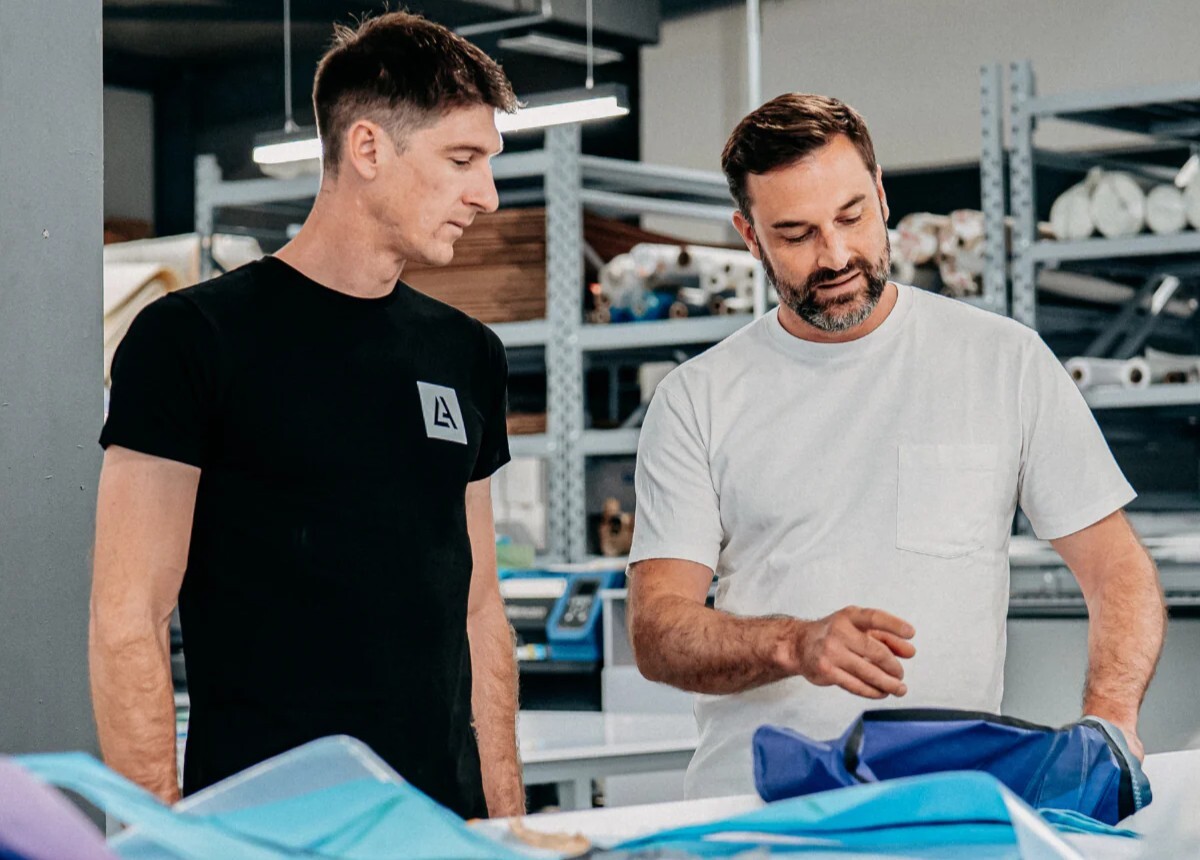
Before Harlem existed as a brand, Alex had already put in the hours. Teaching lessons. Selling kites. Working alongside other brands. And logging something like 10,000 hours of kite repairs.
If you’ve ever spent time in a repair loft, you know what that teaches you. You see where kites fail. You see which materials stretch out, which seams blow, which reinforcements are just for show.
You also see what lasts.
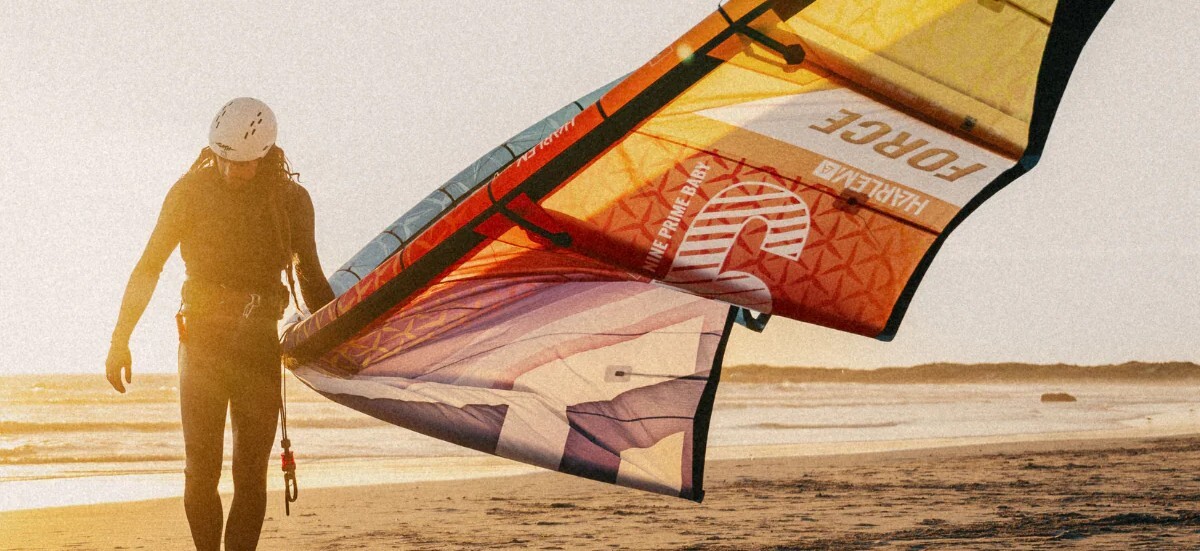
The first Harlem kites reflected that background. They were built to be bombproof. A little heavier than some competitors at the time, sure. But seven years later, those early kites are still flying and still holding shape.
Durability isn’t flashy. It doesn’t always show up in spec sheets. But for riders who push their gear in 40 knots, loop hard, or crash learning new tricks, longevity matters.
Harlem’s foundation wasn’t built around what would sell fastest. It was built around what would hold up.
Innovation and Sustainability Were There From Day One
Long before sustainability became a marketing checkbox in the industry, Harlem was doing things differently out of necessity.
They were literally scavenging and reusing boxes instead of buying new packaging. Not as a campaign. As a mindset.
That same mindset later led to a deeper shift in how their kites were produced, including partnering with Brainchild Production. That move was more than logistical. It aligned two philosophies around innovation and responsible production.
For Harlem, the goal wasn’t just to make kites that perform better. It was to make kites that last longer and respect the places we ride.
From our perspective at MACkite, that combination matters. Riders put gear through temperature swings, gusty storms, and heavy freshwater chop. A kite that performs at a high level but breaks down in a season doesn’t cut it. Sustainability isn’t just about materials. It’s about lifespan.
Risk Is Part of the Culture
Kiteboarding and risk go hand in hand. Especially at the top level.
When you are riding in 50 knots, sending height loops, or chasing personal bests, there’s no room for doubt in your equipment. You either trust it or you don’t.
At Harlem, that appetite for risk exists both on the water and in the boardroom.
Starting a brand in a crowded market is a risk. Building heavier, more durable kites instead of chasing the lightest spec is a risk. Moving production when it would have been easier to compromise is a risk.
From what we’ve seen, that mindset shows up in how their kites feel. There is a deliberate, confident pull. A stability in high wind that gives you something solid to push against. It feels engineered by people who know what it’s like to get ripped off your edge.
The Setback That Could Have Ended It
During the COVID boom, the kite industry exploded. Demand went through the roof. Production capacity became gold.
As a smaller brand, Harlem found itself without access to the factory resources it relied on. Bigger brands consumed the available production slots. Suddenly, Harlem was a kite company without a factory.
There’s the financial stress. The uncertainty. The very real possibility that everything you’ve built disappears.
But what didn’t disappear was the vision.
Instead of folding, Harlem rebuilt. They found a new production path. They thought differently. And through that chaos, something became clear.
Harlem wasn’t just a logo on a canopy. It was a community of people who believed in what it stood for.
More Family Than Marketing
You hear a lot of brands talk about “family.” Often it’s just fluff. With Harlem, the story feels different.
Victor, one of the first team riders and early employees, describes learning the kites from the inside out. Changing one detail, flying it, feeling exactly what that change did. Crashing hard when it didn’t work. Experiencing that perfect moment when it did.
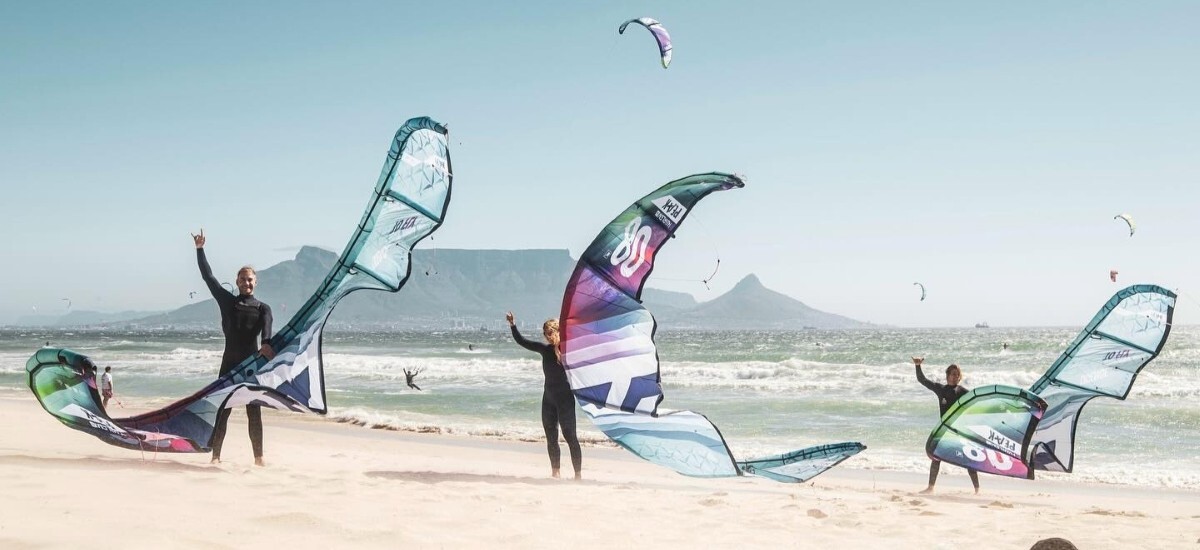
Harlem riders come from different countries and disciplines. Freestyle. Big air. Progression at every level. But the common thread is alignment with the brand’s values. Push forward. Take risks. Support each other.
It’s not about one hero athlete carrying the name. It’s about a tight crew moving together.
From Underdog to Performance Leader
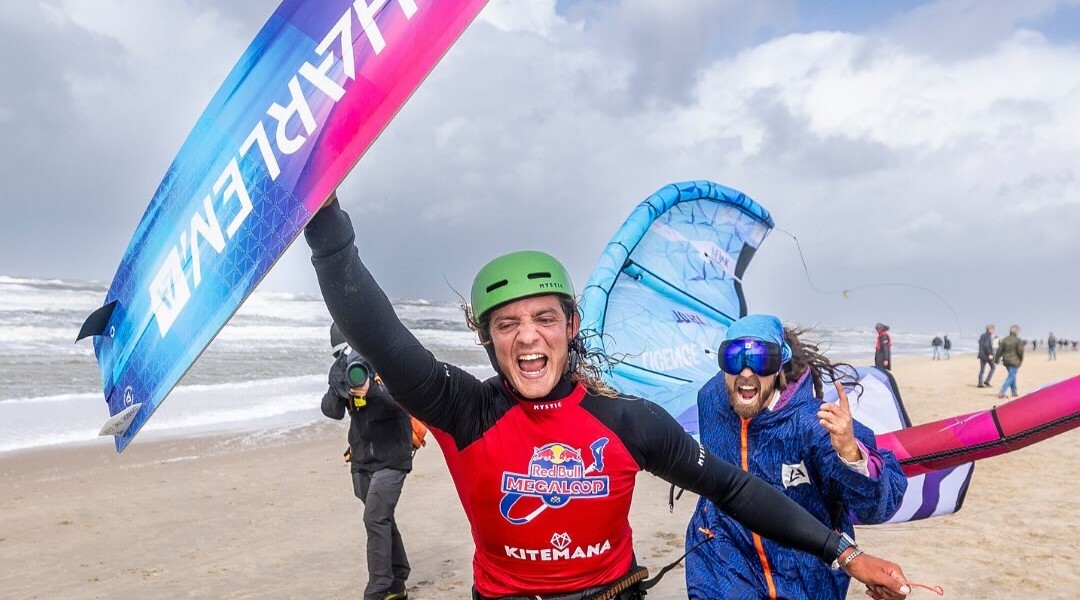
Harlem started as the unknown name people questioned. Over time, the product evolved. Construction improved. Performance leapt forward.
In big air especially, Harlem has positioned itself in that front group. Not by copying what worked for someone else, but by leaning into their own design philosophy and rider feedback loop.
For riders researching the brand, that’s worth noting. The performance credibility isn’t accidental. It’s built on iteration, risk-taking, and real testing.
Making Impact, Not Just Market Share
One line from the brand story stands out: It’s not about being the biggest brand. It’s about making the biggest impact. That shows up in how they talk about first lifts and first crashes just as much as world records. They’re building equipment for riders chasing progression at every stage.
From our perspective, brands that focus purely on growth tend to lose their soul. Brands that focus on impact tend to build something that lasts. Harlem seems intent on the second path.
Looking Forward
If you listen closely, innovation isn’t framed as a future goal at Harlem. It’s framed as a personality trait.
The same competitive drive that pushes riders to chase new tricks fuels product development. The same willingness to risk a hard crash fuels bold design decisions.
And if their track record so far is any indication, they’re not interested in playing it safe.
This isn’t a brand built to blend in. It was built by people who repaired thousands of kites, who took risks when it would have been easier not to, who nearly lost it all and rebuilt anyway.
Change the tide wasn’t a slogan. It was a decision.
Related Articles:
- Crafting the Harlem Force Kite with Sustainability and Performance
- Brazilian Brothers Review the Harlem Lead Bar
- Brazilian Brothers Review the Record-Breaking Harlem Peak
MACkite Subscription Links:
YouTube | Instagram | Spotify Oddcasts
Contact MACkite Below:
800.622.4655 | Kiteboarder@MACkite.com | LIVE Chat Messenger
Recent Posts
-

F-One Seven Seas | The All-Around Foil That Earns Its Place in Any Quiver
The F-One Seven Seas has been quietly doing its thing in the wing foil world for a few years now, …2nd Apr 2026 -
Is the F-One Strike CWC the Best Light Wind Wing on the Market?
Light wind days are where a lot of sessions die before they even start, and that can be hella frus …2nd Apr 2026 -
F-One Free Surf vs Free Downwind: Which Foil Board Should You Choose?
F-One Free Surf vs Free Downwind boards—what’s the difference, and which one is right for your rid …2nd Apr 2026