

Code Foils Mast Guide | 75 vs 80 vs 85cm for Wing, Surf, Kite, and Wake
Introduction
Mast length is one of the most important, and personal choices a foiler makes. It determines how high you ride, how stable you feel in chop, how much lean you can throw into carves, and how easy it is to get started in shallow or tricky water.
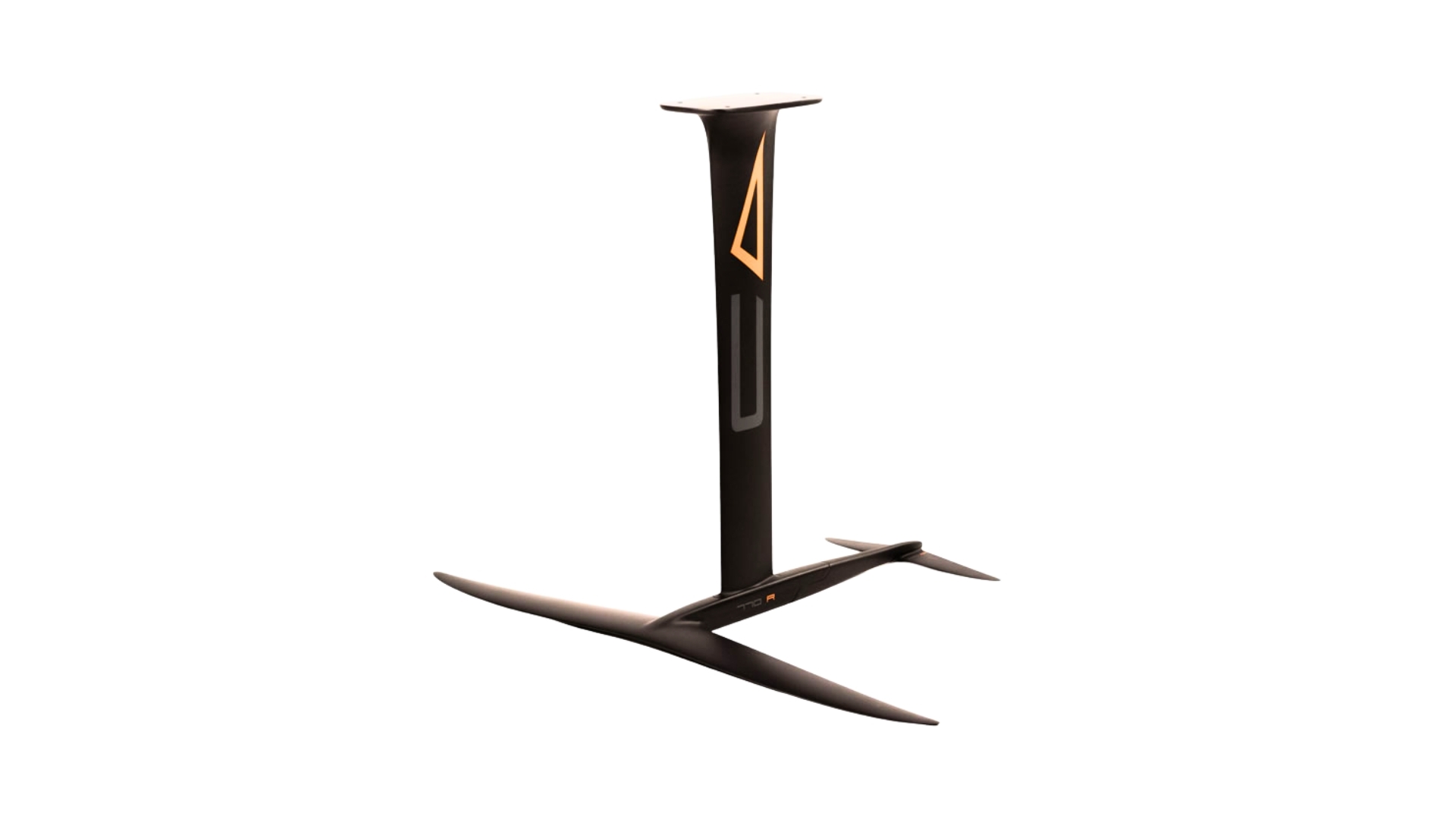
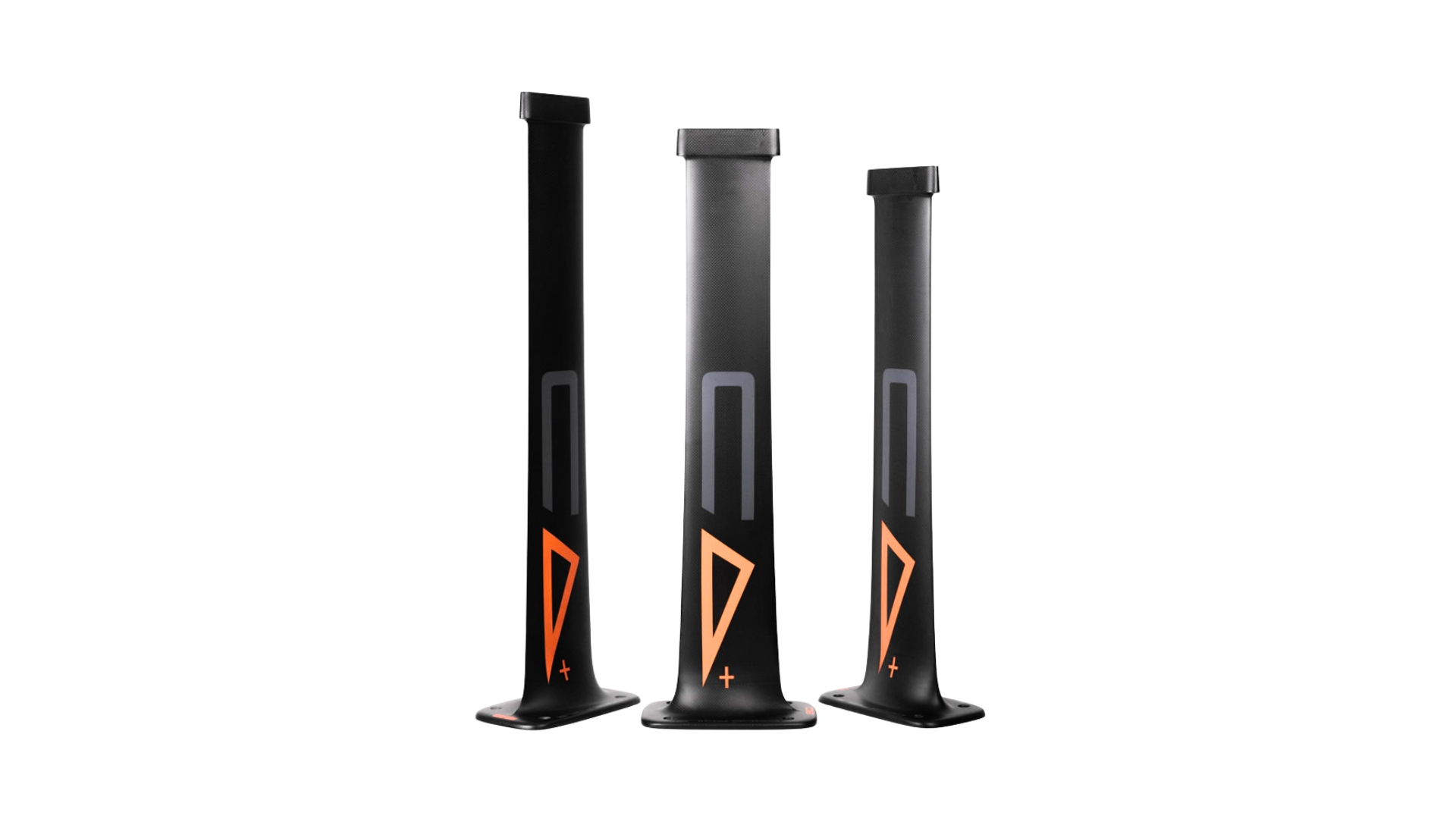
Code Foils simplifies the decision with just three length options: 75 cm, 80 cm, and 85 cm. Each available in both High Modulus carbon and the stiffer Ultra High Modulus Plus layup. This streamlined lineup avoids overwhelming choices, while still covering every foiling discipline from mellow lake cruising to open-ocean downwinders.
This guide takes you sport by sport for wing foiling, surf/prone foiling, kite foiling, and wake foiling, and shows how mast length changes your riding experience.
Why Mast Length Matters
Before diving into each sport, it’s worth reviewing the key factors influenced by mast length:
Clearance: A longer mast gives you more headroom before your wing or tips breach the surface. This is crucial in chop, swell, or aggressive carving.
Leverage and Angles: More mast span allows steeper banking angles and powered riding.
Feedback and Control: Shorter masts keep you closer to the water, making them more forgiving for learning but also more “nervous” in chop.
Depth and Logistics: Shorter masts launch in shallow water and travel easier. Longer masts require deeper starts but reward you with stability.
Stiffness Multiplier: The stiffer the mast, the more direct the control. With Code’s Ultra High Modulus Plus layup, every length feels sharper and more efficient under load.
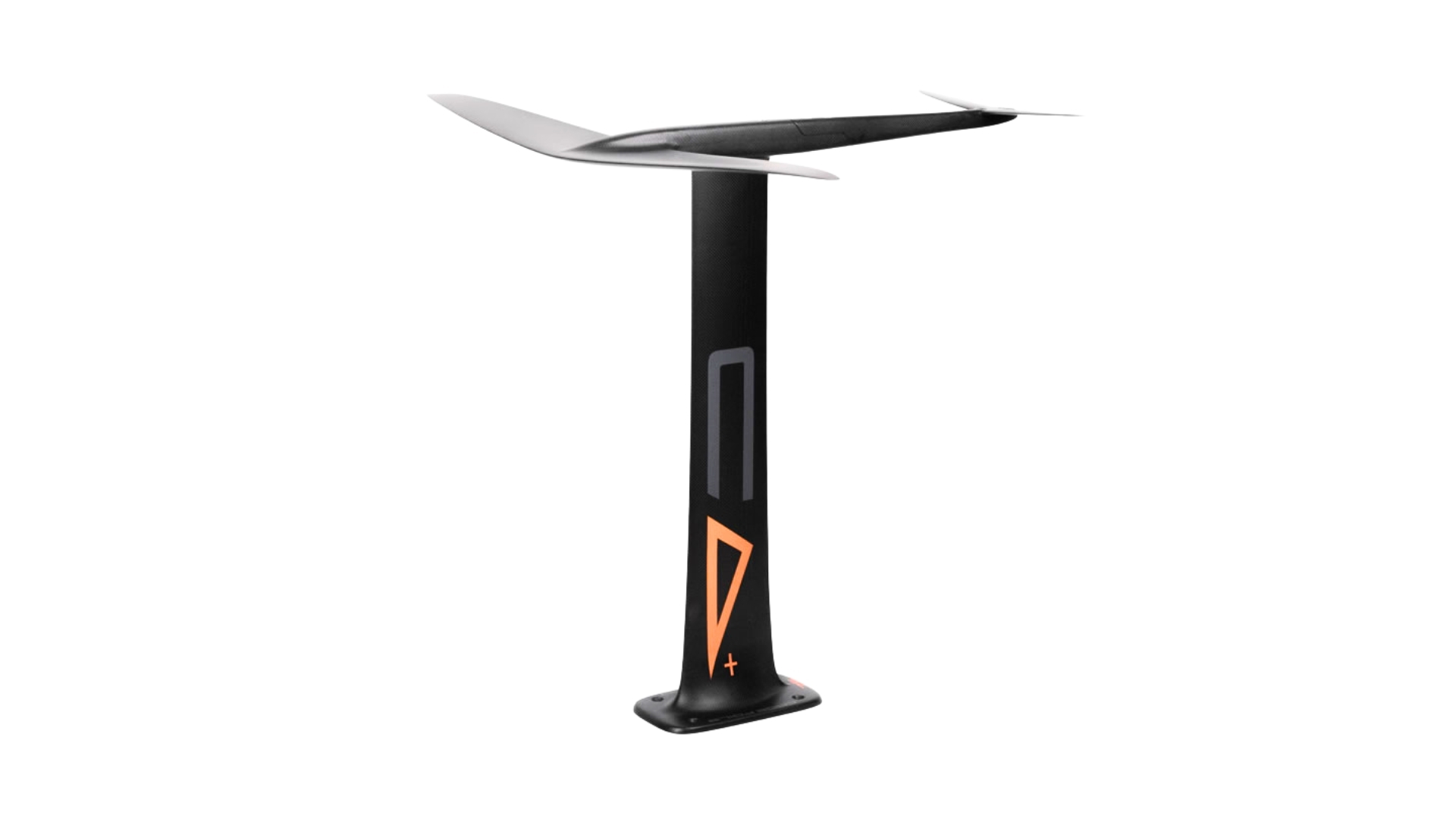
Code Foils Mast Overview
Mast Length Options
75 cm → Entry-level, shallow water, flatwater, wake, small surf
80 cm → Balanced, versatile “one-mast quiver”
85 cm → Open water, speed, chop, aggressive carving
Layup Options
- Strong and efficient for everyday use
- Great for progression and most conditions
Ultra High Modulus Plus (UHM+):
- 41% stiffer torsionally and 59% stiffer in flex compared to HM
- Ideal for high loads, powered sessions, downwinding, or tow foiling
- Same shape and hydrodynamics as HM, so the ride feel is consistent
Design Traits
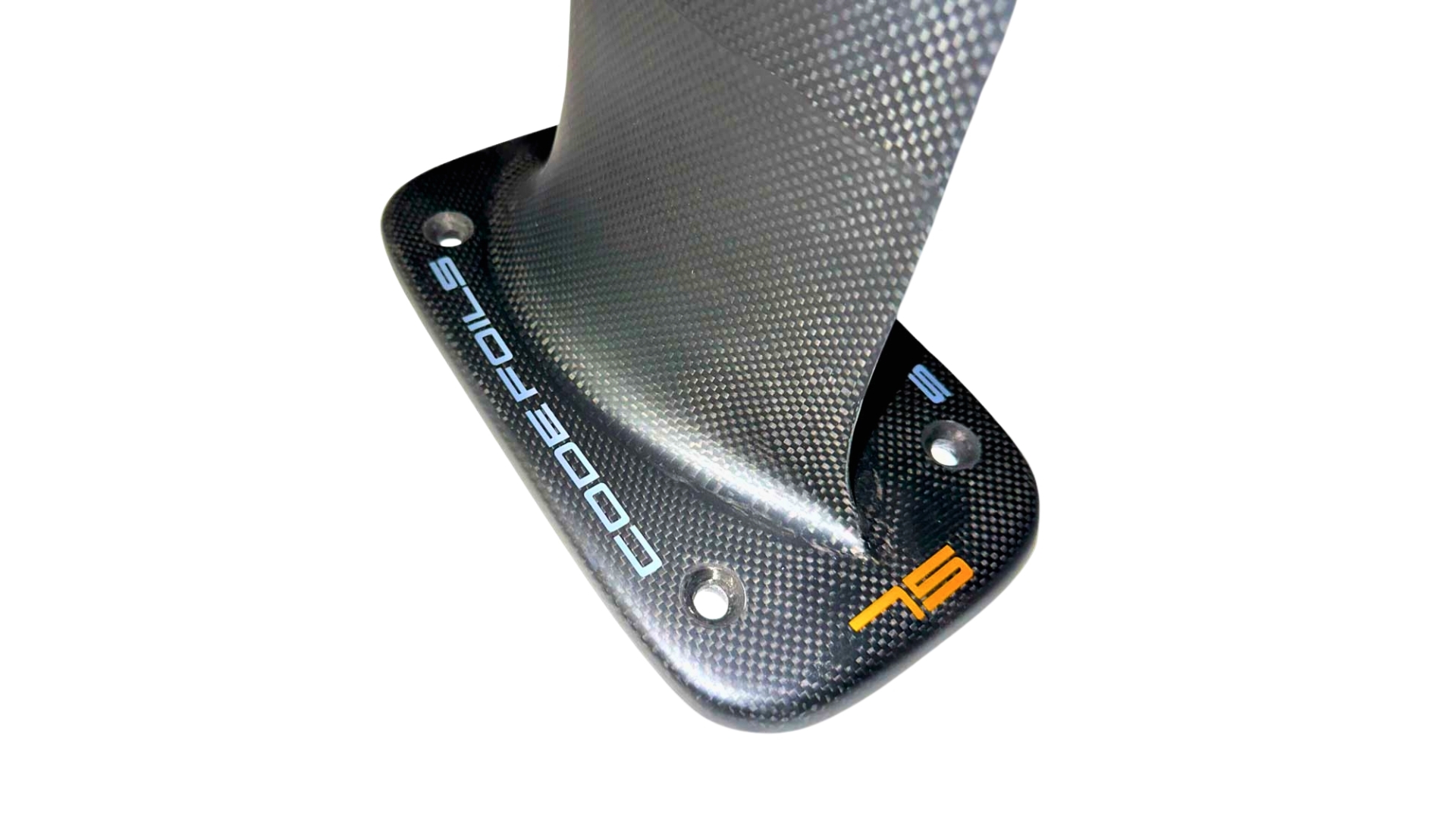
- Extended Base-Plate Blend: Rock-solid connection between mast and board, eliminating “hinge” feeling.
- Tapered Lower Section: Improves glide when riding high on the mast.
- Consistent Profile Across Layups: The feel doesn’t change, only stiffness.
Wing Foiling: The Mast Length Balancing Act
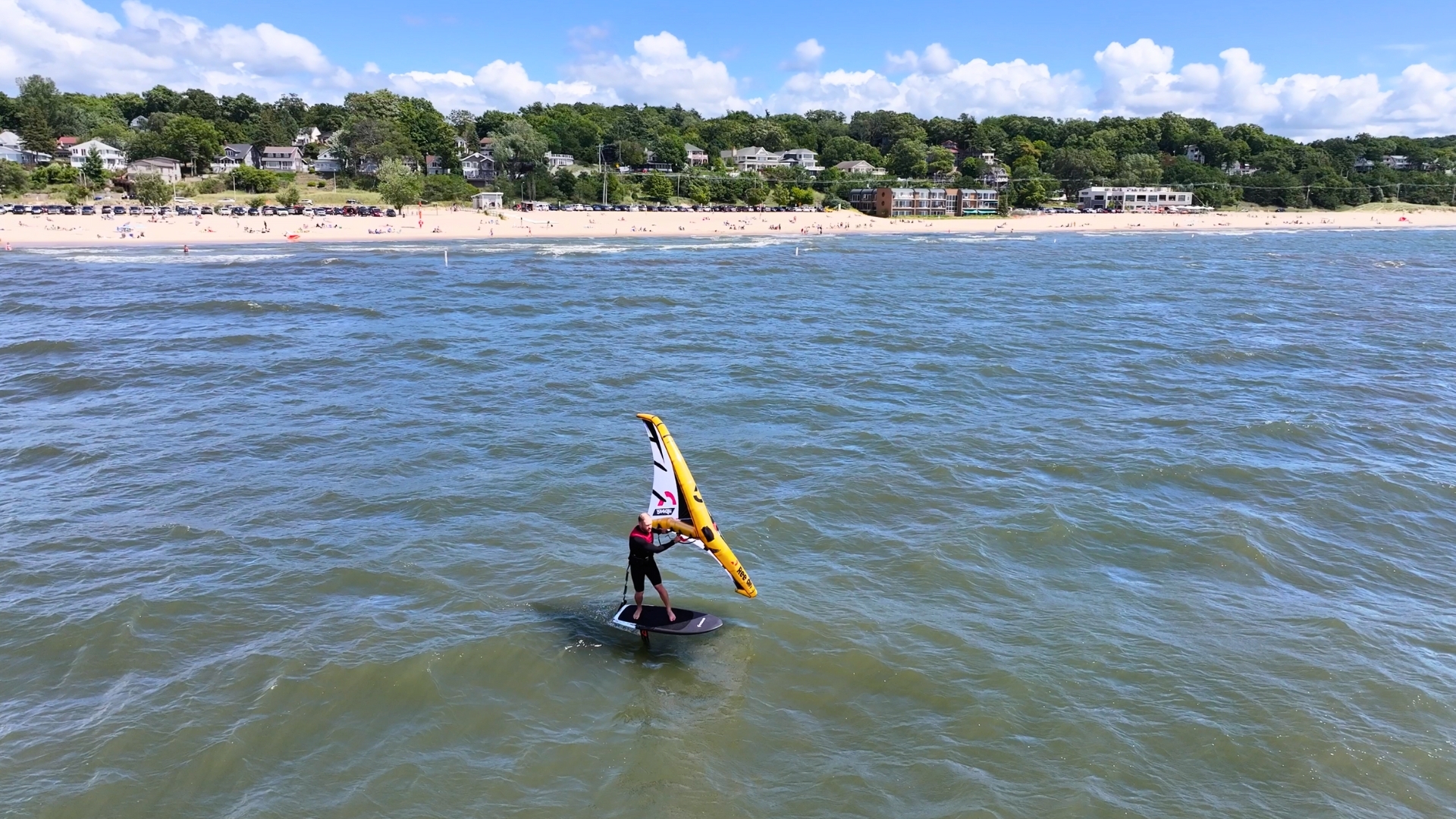
Wing foiling demands clearance, stability in chop, and efficient pumping between bumps. Here’s how Code’s lengths stack up:
75 cm:
- Best for beginners, lakes, and flatwater bays
- Easier beach starts and falls feel less intimidating
- Limitation: less margin in chop, easier to breach while carving
80 cm:
- A versatile “one mast quiver”
- Enough clearance for moderate chop and swell without being too tall
- Good for intermediate riders refining jibes and tacks
85 cm:
- The go-to for open water, chop, and downwind bumps
- Lets you bank hard, ride faster, and stay submerged in rough conditions
- Heavier crashes and requires deeper water starts
Layup Choice:
- High Modulus is fine for learning and casual freeride.
- Ultra High Modulus Plus shines in powered wing sessions, upwind/downwind racing, and bigger swell.
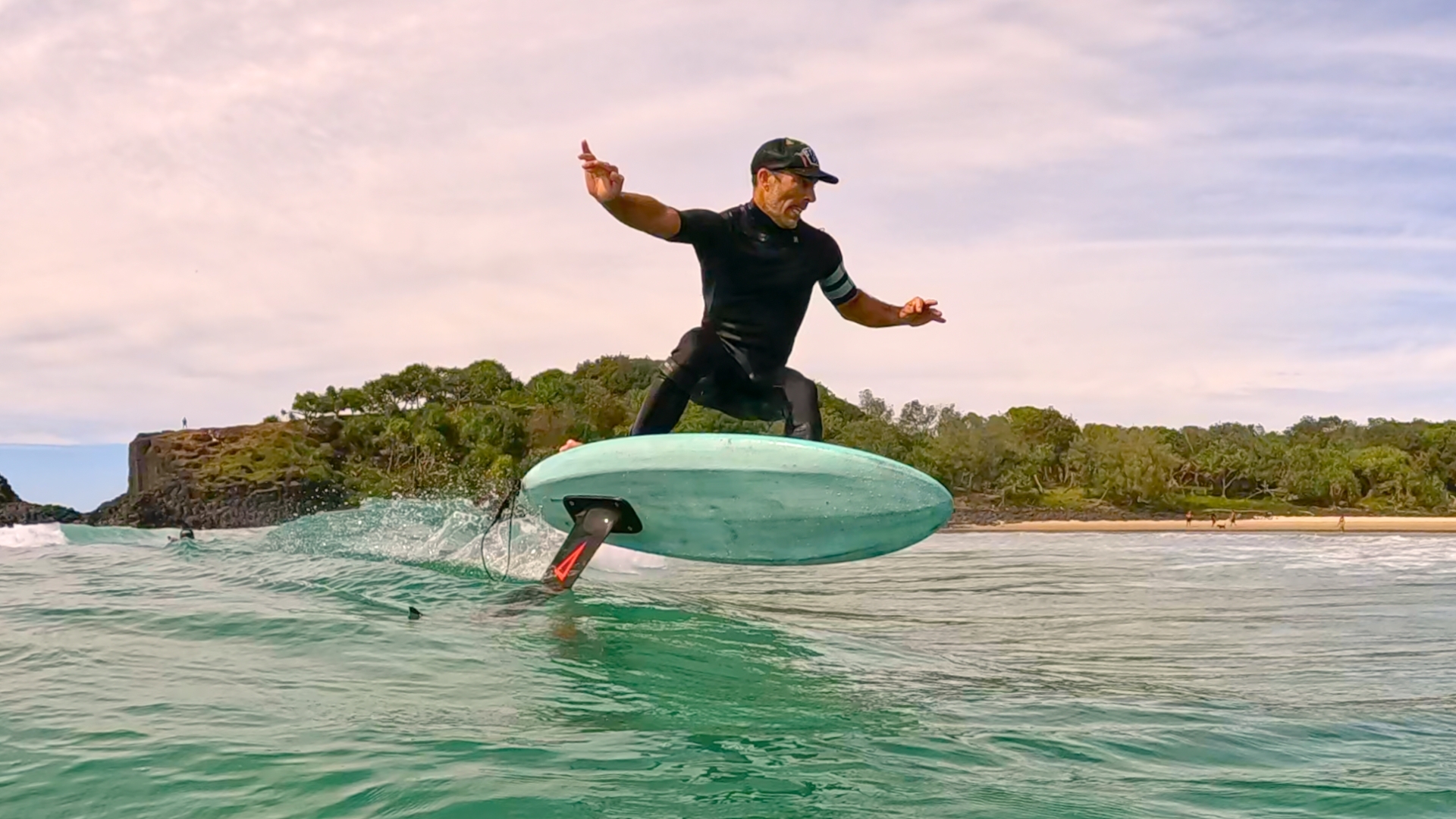
Surf / Prone Foiling: Control in the Pocket
Prone foiling is about wave connection, quick pumping, and linking rides. Mast length here balances maneuverability with clearance in steeper waves.
75 cm:
- Perfect for small beach breaks, mellow reef waves, or dock starts
- Quick feedback and tight feel, excellent for learning takeoffs
- Can breach easily in bigger surf
80 cm:
- The everyday choice for most surf foilers
- Adds clearance for carves and connecting waves without feeling “tall”
- Helps manage steeper reef waves
85 cm:
- Specialty option for tow-in or powerful surf
- Maximum clearance in lumpy water and during long pump-outs
- Requires deeper entries and more experience
Layup Choice:
- HM suits casual prone foilers in small to medium surf.
- UHM+ adds crispness for tow sessions, big waves, or advanced pump linking.
Kite Foiling: Speed and Stability
Kite foilers ride faster and more powered than any other foiling discipline. Mast length affects edging, upwind angles, and control at high speeds.
75 cm:
- Best for beginners or shallow spots
- Reduces intimidation factor for first-time riders
- Not ideal for speed or powered carving
80 cm:
- Freeride sweet spot
- Enough clearance for chop and powered turns
- Keeps setup nimble and travel-friendly
85 cm:
- The choice for speed runs, carving hard, and riding in gusty wind
- Extra clearance keeps the foil buried even when overpowered
- Slightly harsher crashes, but advanced riders love the control
Layup Choice:
- HM works for freeride and cruising.
- UHM+ is a big upgrade for racing, strong wind, and fast carving.
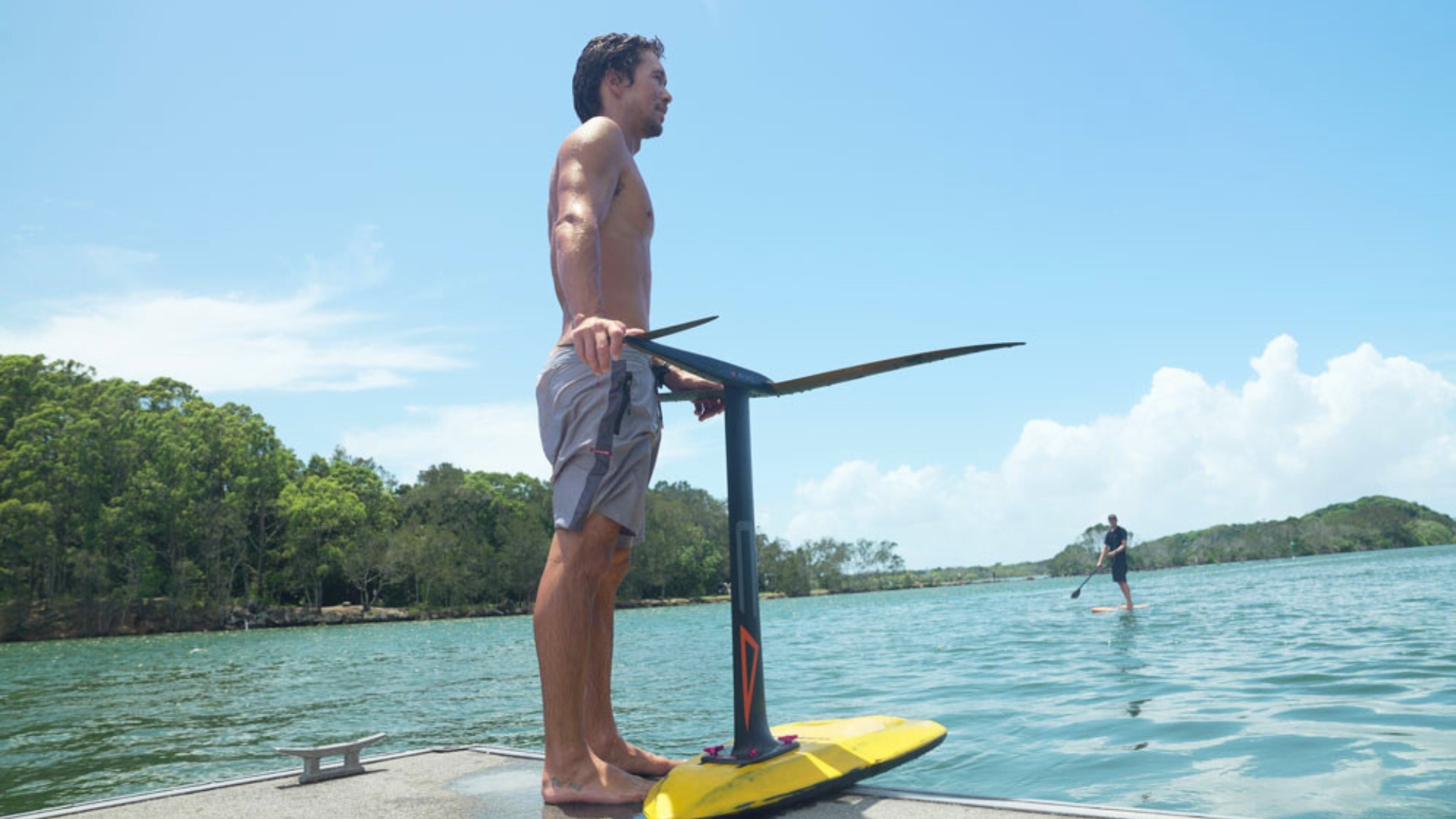
Wake Foiling: Pocket-Sized Precision
Wake foiling usually happens behind a boat with limited wave face, so mast length determines how well you stay in the sweet spot.
75 cm:
- Perfect behind most recreational boats
- Easy to manage, predictable, and forgiving for new foilers
- Keeps the foil in the ideal position on smaller wakes
80 cm:
- Better for larger surf-style wakes or cable park riding
- Gives more room to maneuver without breaching
- Useful for carving tricks and transfers
85 cm:
- Rare in wake foiling, but helpful in specialty tow or open-water sessions
- Overkill behind most boats, but has value for advanced setups
Layup Choice:
- HM is more than enough for boat riding.
- UHM+ only matters for advanced cable foilers or open-water tow.
How to Decide: A Three-Step Flow
What Conditions Are You Riding?
- Flat, shallow → 75 c
- Mixed conditions → 80 cm
- Open, windy, or choppy → 85 cm
Adjust by Discipline
- Beginners, wake, dock starts → Shorter
- Speed, chop, aggressive carves → Longer
Choose Your Mast Layup
- Everyday progression → High Modulus
- Powered wing/kite, tow, or big-wave prone → Ultra High Modulus Plus

Key Takeaways
- 75 cm: Friendly, shallow-water, forgiving. Great for learning and wake.
- 80 cm: True all-rounder. Best one-mast quiver for most riders.
- 85 cm: Advanced choice. Best for chop, speed, downwinding, and open water.
- Ultra High Modulus Plus: Same hydrodynamics, but much stiffer. Ideal for heavy loading, powered sessions, and riders who want the sharpest control.
- Two-Mast Setup: Many riders keep both a shorter (75 or 80) and longer (85) mast to cover every condition.
Recent Posts
-

Wing Foiling Footwork: When (and Why) to Switch Stance for Better Riding
Your board stance can affect a lot of things when you're out on a wing and foil. Tucker and Jeff w …10th Apr 2026 -

Reedin Wing Foil Package Overview: Built to Learn, Designed to Progress
A Carefully-Crafted Entry Into Wing Foiling If you've been eyeing wing foiling but feel overwhelme …9th Apr 2026 -

Foil Drive's New Props Explained
For a long time, the black prop was just the prop. It came in the kit, it worked, and you rode it. …9th Apr 2026