

Bowen Dwelle on Parawinging and the Future of Foil Sports
Parawinging is still new territory, and half the fun is figuring it out together. Here, Tucker and Bowen trade notes on what works, what doesn't, and what might be next. They cover gear quirks, riding techniques, and the bigger picture of where the sport is headed and how it can stay safe and accessible. It's an open, honest chat between two riders who love the process as much as the progression.
Tucker: Hey everybody, welcome back to Foil Fridays. This is Tucker with MACkiteboarding, and today we have a special guest - my boy, Bowen Dwelle. He's a freelance writer for a number of things, but more recently he's been following his passions in wind sports and foiling. He's been tackling some reviews and articles on the things we love - foils, windcraft with parawings, wings - and I think you kite too, right?
How Did Bowen and Tucker Get Started in Foiling?
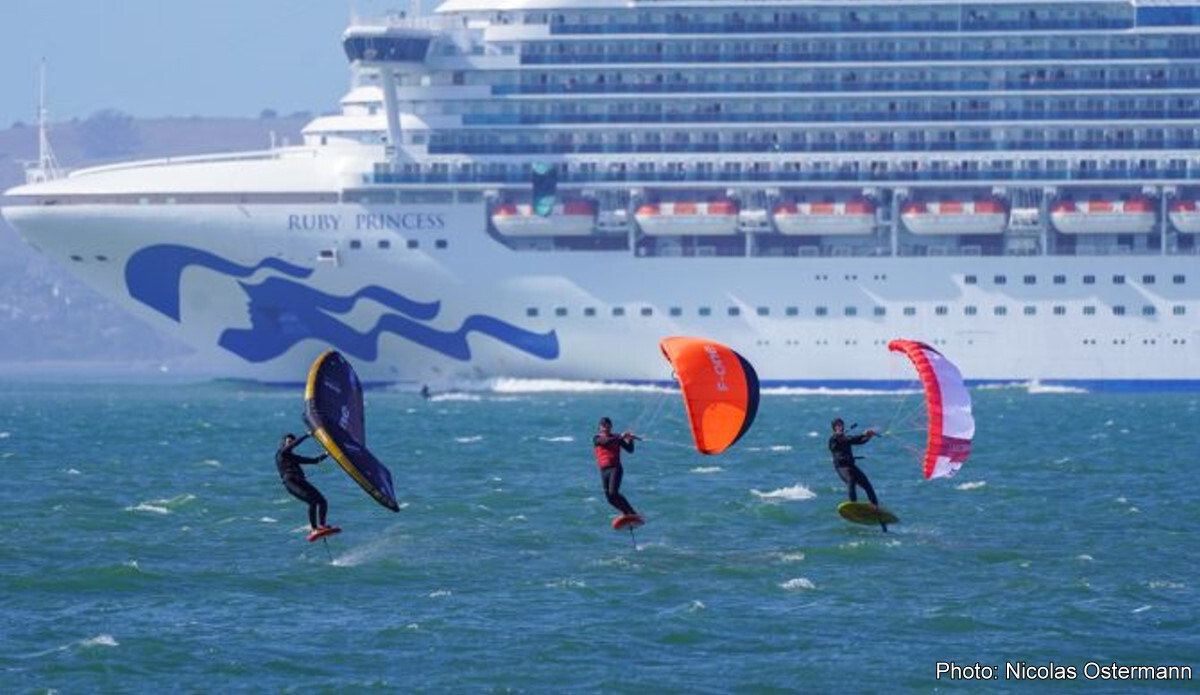
Bowen: Yeah, totally. Great to be here, Tucker. Thanks for doing this. I'm a sailor going way back. I learned to sail here in San Francisco Bay as a kid, and I got into windsurfing really early on thanks to my parents. I even have photos of me on one of those original Windsurfer brand boards.
Tucker: Yeah, way back.
Bowen: Exactly. I was sailing and then kiting. I started kiting about 20 years ago, and then I got into kite foiling really early, back when it was just starting out. I was definitely one of the first riders here to pick up the foil.
Tucker: And when was that?
Bowen: Around 2012, 2013.
Tucker: Okay. That's about when we stepped into kite foiling too, when everything was still full custom - basically racecraft. That's how I first learned to foil, with a kite. It was such a mind-blowing thing. The light bulb went off immediately, even before I could ride confidently. I knew: this is the thing. Everyone at the shop said, "That's only for racing." I said, "No, trust me, everyone's going to be doing this." We had some of the first custom carbon foils then, fully strapped race gear, and man, the falls were brutal.
Bowen: Yeah. I learned to kite foil on my buddy Chip's old Carafino - an ancient foil. I took it to Cabarete and rode it in the lagoon there. It was super hard, really challenging, but I actually got up within five minutes. That was a magic moment. Ripping across the lagoon was incredible. Then we all started foiling back in the Bay, and of course later winging, and now parawinging too.
Tucker: That's awesome. I followed a similar path - kiting first, then surf foiling. I kind of hybridized some windsurf gear with surf gear and slapped it on a surfboard. This was before anyone was really making surf foils, aside from maybe Go Foil. I've surfed my whole life, so bringing that into foiling, which I'd first learned through kiting, was another mind-blowing moment. It felt like a completely new game.
How Does Foiling in San Fancisco Bay Compare to Lake Michigan?
Bowen: And you're doing all this in the world-class surf foiling mecca of western Michigan, right?
Tucker: Yeah, Lake Michigan. Lots of fetch. We don't get a ton of wind and waves in the warmer months - like right now, July, maybe two or three rideable days a week if you're willing to drive an hour. But our real season is September through January, depending on the year. That's when you get the epic sessions - blowing, stormy, waves whipping up.
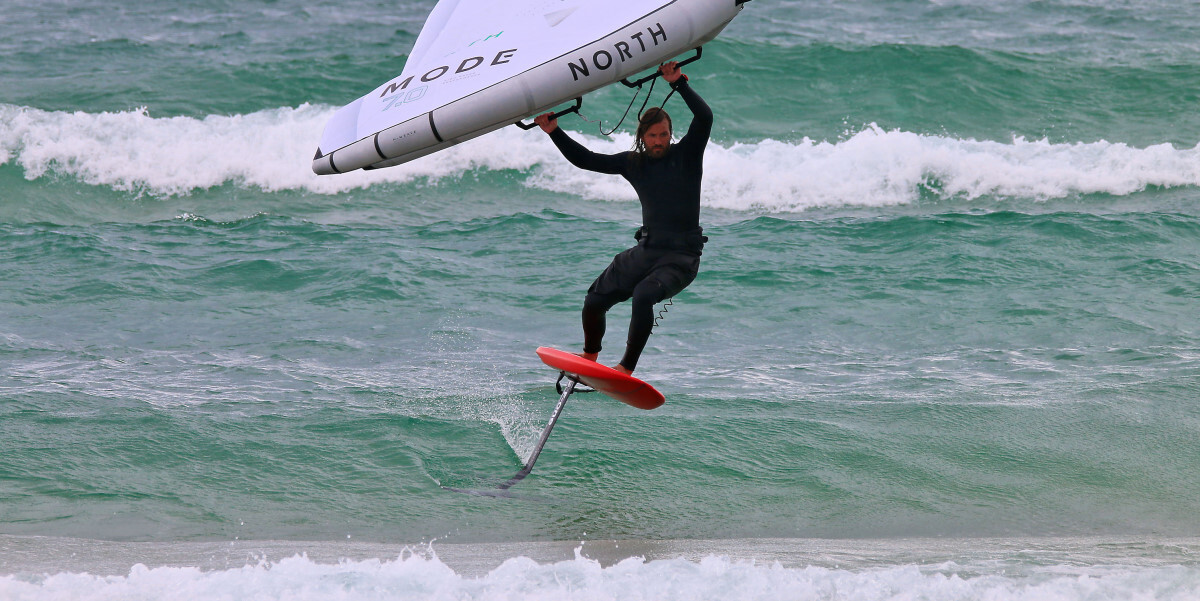
By ocean standards it's not world-class, but every spot has its day if you know where to go. The challenge is swell period. We don't have long-period ocean swell. A head-high day here might only be five to six seconds, and that's the predominant swell, not just the choppy stuff. But for foiling, it's unreal - like a foil skate park. So many bumps, so many lines. Not that perfect waves are boring, but there's a certain excitement in a little chaos when you know what you're doing.
You guys have something similar in the Bay, right? A lot of choppy wind swell?
Bowen: Yeah, it's a real mix here. And this ties into the whole conversation about different disciplines - what works where. With parawings especially, it's about matching the conditions. We've got great wind eight or nine months of the year, plus winter storms. Since the foil revolution, it's basically a year-round sailing season.
The Bay gives you all kinds of conditions. There's chop, but also flat water on flood tide. Then you have all the tidal features, especially on ebb tide. Under the Golden Gate Bridge, the waves stack up with the outgoing water volume.
Tucker: Like that epic surf spot there, right?
Bowen: Yeah - Fort Point. People have heard of that. You get Pacific swell coming through the Gate, the wind funneling in, and the ebb tide going out - it all stacks up in crazy ways. That's our local playground. Out in the ocean you get proper swell, and of course plenty of surf spots along the coast.
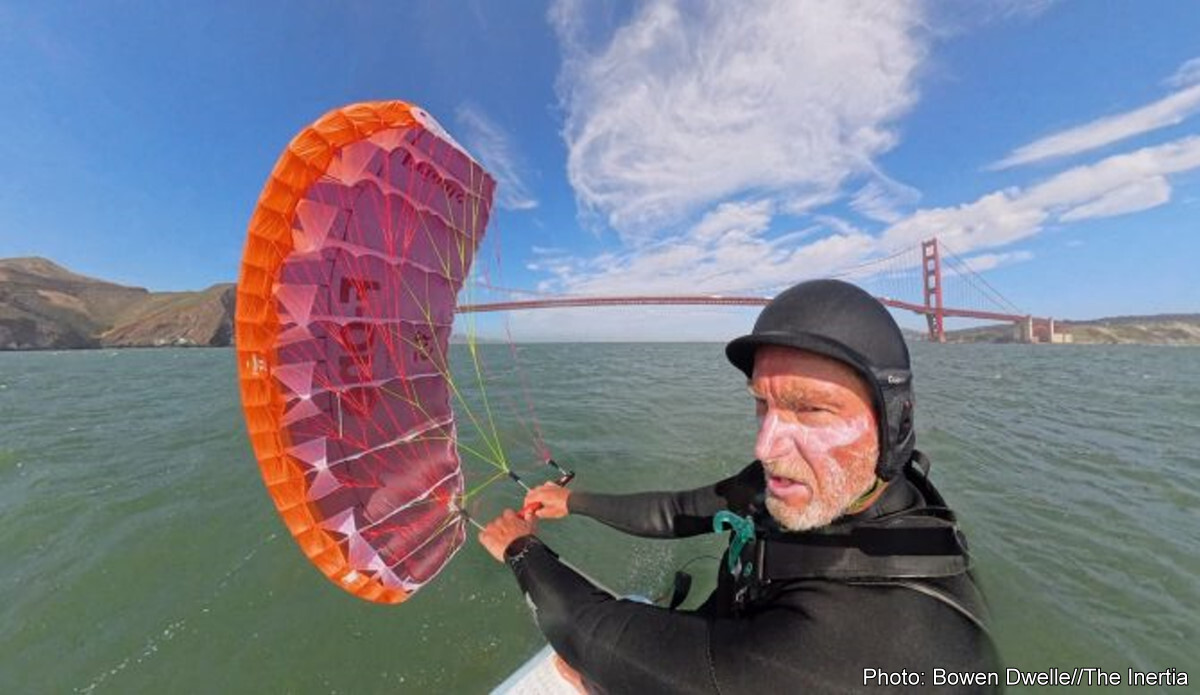
Tucker: Total mecca, man. That's where everybody wants to be in the summer, aside from maybe Hood. Bucket-list kind of spot. You're blessed to ride it.
Bowen: Yeah, it's very different riding here compared to Hood River or Maui. Every place has its own character. The Bay isn't really a mega-downwinder type of spot, though people are starting to do more of that now. We're seeing some folks doing downwinders - both paddle and parawing - inside the Bay, and even some out in the ocean.
Tucker: Honestly, that's pretty underutilized here too. Some of the kite crew do long downwinders, but most people stick to their go-to spots. I think that's part of why winging has taken off more than downwind paddling around here. It's not that the conditions don't work for downwind, but it's just so much easier to stick with your local break - quick in-and-out in an hour or two.
There's potential, though. One of the great things about our area is it's all sandy beaches. Access is limitless. You could just launch one morning and go as far as you wanted - a couple hundred miles if you were really motivated.
Bowen: Hang on a second, let me check on the dog. (calls off-mic) Hang on, Enzo. Hey. I don't know if he's hearing your chickens through the feed or what.
Tucker: Oh, sure. Yeah, probably.
Bowen: Could be. He's usually pretty good.
Tucker: I'm surprised my dog isn't going nuts hearing him. Must be sleeping.
Bowen: (calling) Come here, buddy. You can be on the pod too. That's Enzo.
Tucker: There he is. He's like, "Dude, I just wanted to be on camera."
Bowen: Maybe that's it.
Tucker: That's funny - I was just telling Aaron earlier during the feed test how animals always steal the show. He said, "You should put a rooster on your shoulder." And I was like, "Yeah, but then no one's going to care what I say. Everyone will just watch the rooster."

How Did You Transition to Parawinging?
So, back on topic. What are you fitting into your daily sessions these days - wing, kite, parawing, downwind? How are you making that decision when you head out? Or are you basically all-in on parawing now?
Bowen: Good question. Honestly, this year I've been mostly parawinging. It's really the year I got into it - same for most people, aside from a few pioneers. I started the year still doing a lot of winging, but around March, as the season picked up, I started working hard on a big comparison article for The Inertia. All the manufacturers were releasing parawings, and I was fortunate to get my hands on almost all of them.
Like you, I've been testing constantly. For the last three months it's been almost exclusively parawinging. I've gone back to wings a couple times, just to compare and remind myself how they feel. That contrast is interesting. And I've also taken parawings out on plenty of days that weren't really good parawing days - flat water, no bumps - partly to test, but also to see how they perform in basic sailing conditions. That's part of our reality here, and it's been really illuminating.
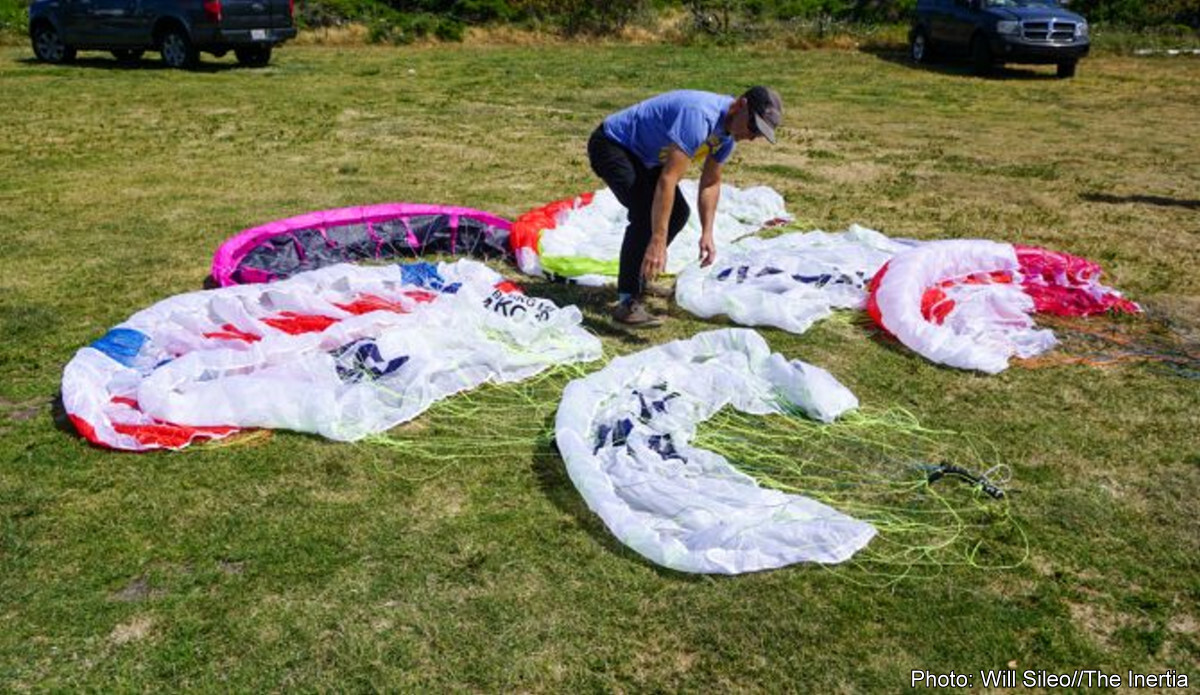
Tucker: Yeah, it takes a lot of work to really test every model across a range of conditions and sizes, and go beyond "I like this one, I don't like that one." I've been in the same boat - forcing myself to parawing even on days that are maybe better for traditional winging. You learn things that way, and you pick up new techniques and tricks.
My recent thought has been: how am I going to choose between the two? I love them both. These days I don't kite much anymore, partly because of all the testing I do - there's only so much time in a day. But also my riding style leans freeride, flowing, wavy - which suits winging and parawinging really well.
Kiting is still fun for blasting speed runs or boosting huge airs, but it's not my main focus. For me, I've realized that in our conditions, under 20 knots I'll probably wing. Especially in summer, when there are almost no waves - maybe knee-high at best - the wing lets me ride more actively, almost like a windsurf sail. I can chase little bumps, do tricks, keep the progression alive.
Then when the conditions are on, that's when I parawing. You can glide for miles, and that becomes epic - especially with downwinders. Winging makes it so easy to stay in one spot, but parawing really brings in that adventure aspect. A 10-mile downwinder with your friends is accessible and exciting even if you're not a pro. That sense of adventure is important to the sport and the industry.
At the end of the day, it's not just about pros, racers, or the freestyle guys - it's about everyday riders like us who are driving the industry. It's cool to have F1 cars, but you don't sell those to a family of four.
Bowen: Totally. A couple of things come to mind with parawings, especially as more people get interested. Most are coming from winging, because that's the natural progression.
Tucker: Right - or downwind.
Bowen: Sure, but the number of people coming from downwinding to parawinging is tiny compared to those coming from winging.
Tucker: Well, yeah - the downwind community is small to begin with, and then only a fraction of them cross over.
Bowen: Exactly. More will over time, but right now it's mostly the wind sports progression. And one thing I always emphasize is: parawings were invented for downwinding, but they're not just for downwinding. They work in all sorts of conditions. More and more, we're seeing people use them simply as wing replacements. That's going to keep growing.
Even today, Greg from BRM released another model - the Paia, his double-skin parawing.
Tucker: I saw that! I actually ordered one because I've been dying to try a dual-skin. I think that's an interesting way to break the mold. Right now parawing is very surf- and downwind-focused, with narrow ranges and not much depower. But there's a huge opportunity to bring it to a more recreational level - inland lakes, maybe even a race model in the future. Honestly, I think they could be faster than wings.
Bowen: For sure. We're already seeing that. From an aerodynamics perspective, the potential is there. So yes, freeriding - parawings are going to be everywhere. At the same time, as you pointed out, they open up more of an adventure angle, even for people just doing mini-downwinders at their local bay or lake. They're so compact and easy to transport - and you don't need a pump.
Who Should Have a Parawing?
Tucker: And there's the safety aspect. Say you're going on a wing downwinder - why not throw a parawing in the pack? Just in case you blow a canopy or leading edge. Especially in coastal or offshore areas where it's not easy to get out. Having a couple of parawings with you is like an insurance policy.
Bowen: Yeah, as long as you know how to use them. There's a factor there, too. At our local spot, Crissy Field, even just going out for a normal wing session means carrying a VHF radio, your phone in a waterproof pouch, maybe a few other things.
Now, people doing mini-downwinders or more adventurous parawing sessions are adding a little backpack with a backup wing. So, more gear, more moving parts. If you've ever stopped mid-session to swap parawings - pulling one out of the pack, stuffing another back in - it can quickly turn into a bit of a yard sale on the water. That takes some new skills.
But ultimately it's just more options, which is super rad. That's what drew me in as a sailor and wind sports guy. The chance to test all these wings and write that comparison piece was exciting. We finally got it out last Friday, just before I left on a backpacking trip. I thought we could run through some of it here.
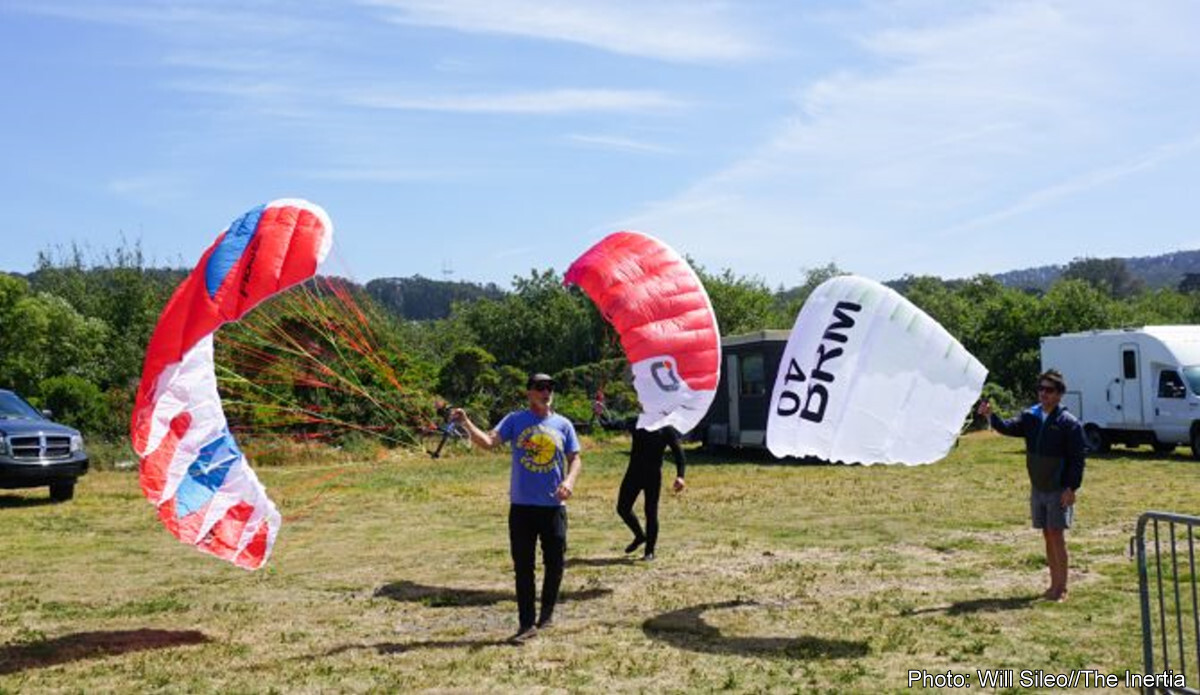
Tucker: Yeah, totally. And it's a great article - super concise. I agree with most of what you wrote. Good on you for pulling it together. I tend to be more wordy, so I appreciate how you distilled it into something easy to digest without losing detail. That's not easy.
Bowen: Thanks. I love to write and nerd out on the details, and I enjoy answering questions. Of course the big one everyone asks is: "Which is the best wing?" Or, "Which is best for me?" That depends on so many factors - riding style, local spot, conditions, body weight, the gear you already own or want to use, budget. There's no single answer. That's why there are so many wings.
Tucker: Exactly. You can narrow it down for someone - a buddy or, for me, a customer - and say, "This is the one you want, I'm 100% confident." And then they'll say, "But it doesn't come in the perfect 3.578 size I need." (laughs) It's like, "Ah, here we go."
There's no perfect unicorn. But, like you said, certain models really suit specific needs or challenges. Some wings are just well-rounded and do a lot of things well, and some don't do much very well at all. That's to be expected in such an early stage of the sport. What's amazing is how quickly things have adapted and progressed as foiling has grown legs.
What Are Some Parawing Options?
Bowen: Yeah, some parawings are designed to be good all-arounders, while others are more specialized - and some just work better overall than others. Let's run through the ones I've tested.
I've had my hands on the Aeryn P1 - which I shared with you, so you've tested that too - plus the BRM models: the original Maliko, the Kanaha, and the Ka'a. Those are still the ones most people are most curious about.
I've also tested the Flow D-Wing, the F-One Frigate, and their inflatable K-Wing, the Plume. Then there's the Flysurfer POW, Duotone Stash, North Ranger, Naish Morph, and the Triple Seven - which I'm still in the middle of testing.
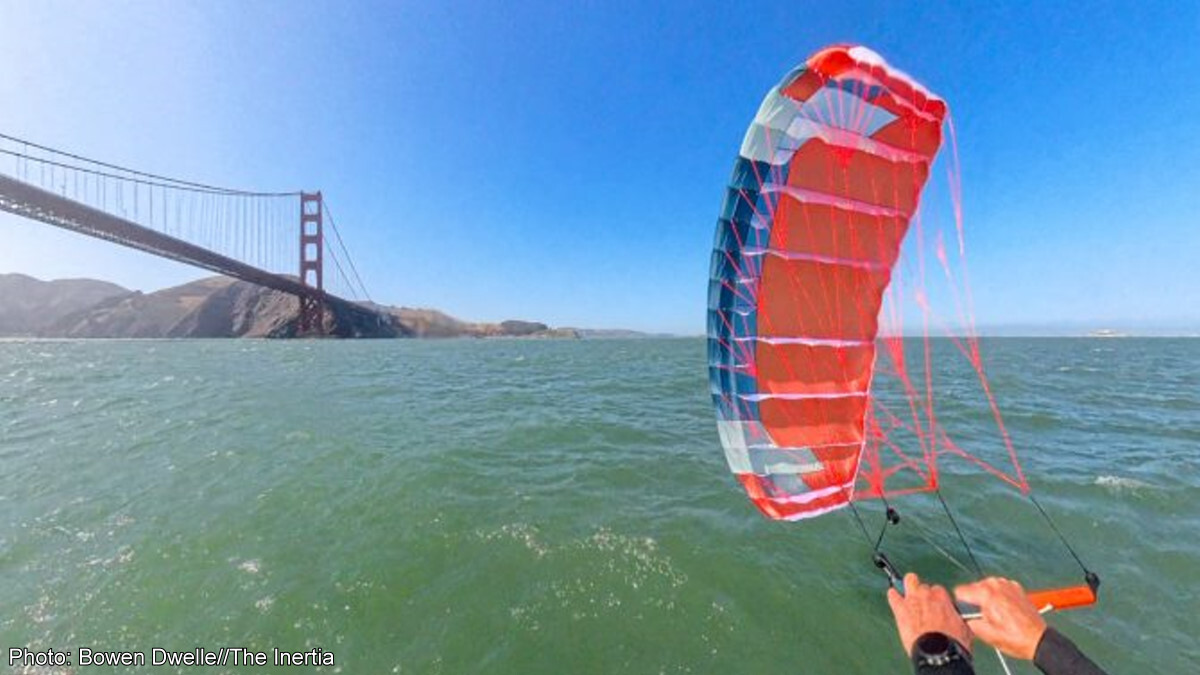
Tucker: We don't sell those, so I haven't tested them, but I know you've ridden them.
Bowen: Right. And of course the Ozone Pocket Rocket.
Tucker: Yeah, that one's epic. Have you tried any of the super cheap knockoff stuff, like from Alibaba?
Bowen: No.
Tucker: Okay. Yeah, they usually flop, but sometimes they make something semi-usable. Always curious.
Bowen: Yeah. So that's the rundown. Of course, new stuff is still coming. Like we said, Greg just announced his double-skin wing, and Triple Seven is sending me their single-skin - it should arrive today.
Tucker: And don't forget Sabfoil, too - the Ala Downwind.
Bowen: True, plus a few others in Europe we haven't gotten our hands on yet.
What's in Bowen's and Tucker's Parawing Quivers?
Tucker: Yeah, but I think you covered the big ones for the U.S. market. Those are the leaders right now. So, what's your personal quiver looking like? If you had to build a three- or four-wing setup, what would it be?
Bowen: For me, once I find something I like, I want it in different sizes - I don't like a mixed bag. Right now I'm on the F-One Frigates. To me, that's the best all-around parawing at the moment. It does everything really well, and it's hard to find fault with it.
From low end to high end, speed, upwind angle, packability, collapsibility, comfort, even the details - like the bar size, the included harness line, the color coding - F-One nailed it.
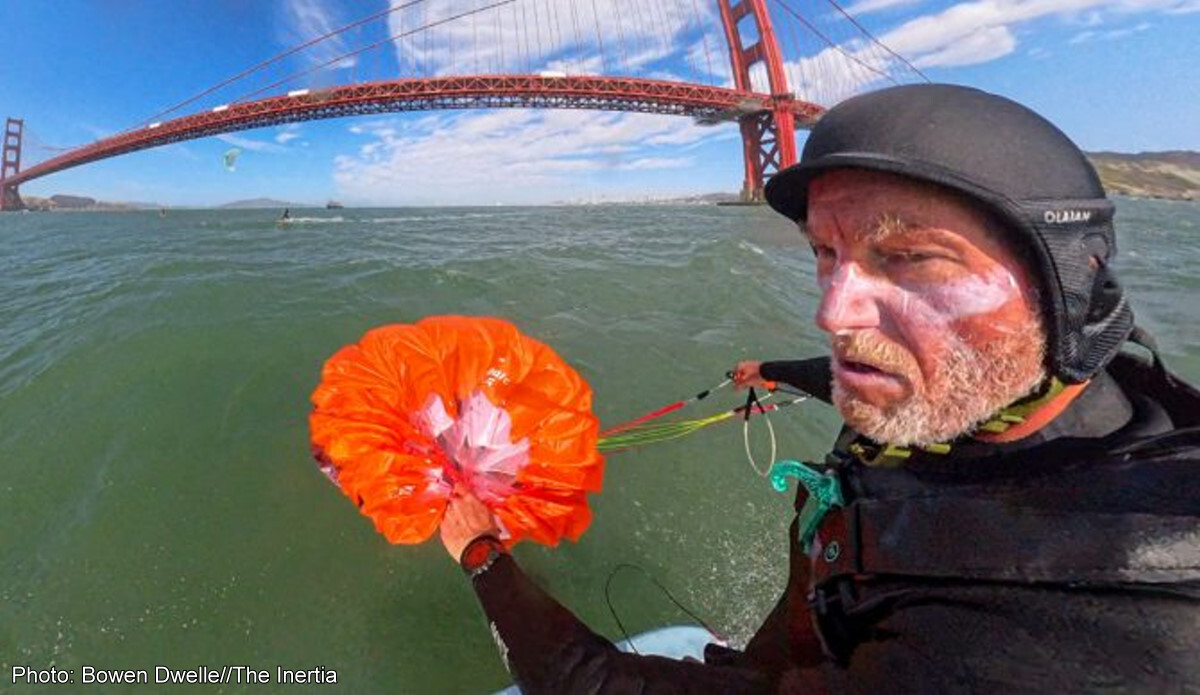
What's interesting is how quickly things evolved. Just a month and a half ago, before the Frigate and Flysurfer came out, it was really just Ozone, BRM, and Flow. And before that, only Flow. When the Ozone Pocket Rocket dropped, it was a big step up - super slippery, efficient, and especially good at the high end.
Tucker: I think the hardest choice for me was between the Frigate and the Pocket Rocket. Honestly, I'd be happy with a quiver of either. Each has its strengths. The Frigate packs up smaller and feels more nimble in the hands, which can be a plus or minus. The Pocket Rocket, on the other hand, feels more stable-especially when overpowered on the high end, like in the smallest sizes. If you're on a 3m, for example, the Pocket Rocket seems to hold together a little better. The tradeoff is that maneuverability: the Frigate is more compact and responsive, but in messy conditions it can get away from you a bit more.
Bowen: I didn't really notice that. I tested the Frigate 3.5m alongside Ozone's 3m, 3.6m, and 4.3m, and now I have a Frigate 3m I haven't tried yet. But in my experience, I didn't feel that twitchiness-if that's the word-at all.
Tucker: Yeah, I wouldn't call it twitchy either. Both wings do the job extremely well. I just think for someone without a lot of handling experience, the Pocket Rocket feels more automatic-like a stable kite back in the day. You can almost put it on autopilot and not worry about it drifting off. That's a comfort in really gusty, overpowered, or sketchy conditions. But if you're ripping into jibes or tacks and want quick, precise response, then the Frigate shines. So it's situational-impossible to call one the winner.
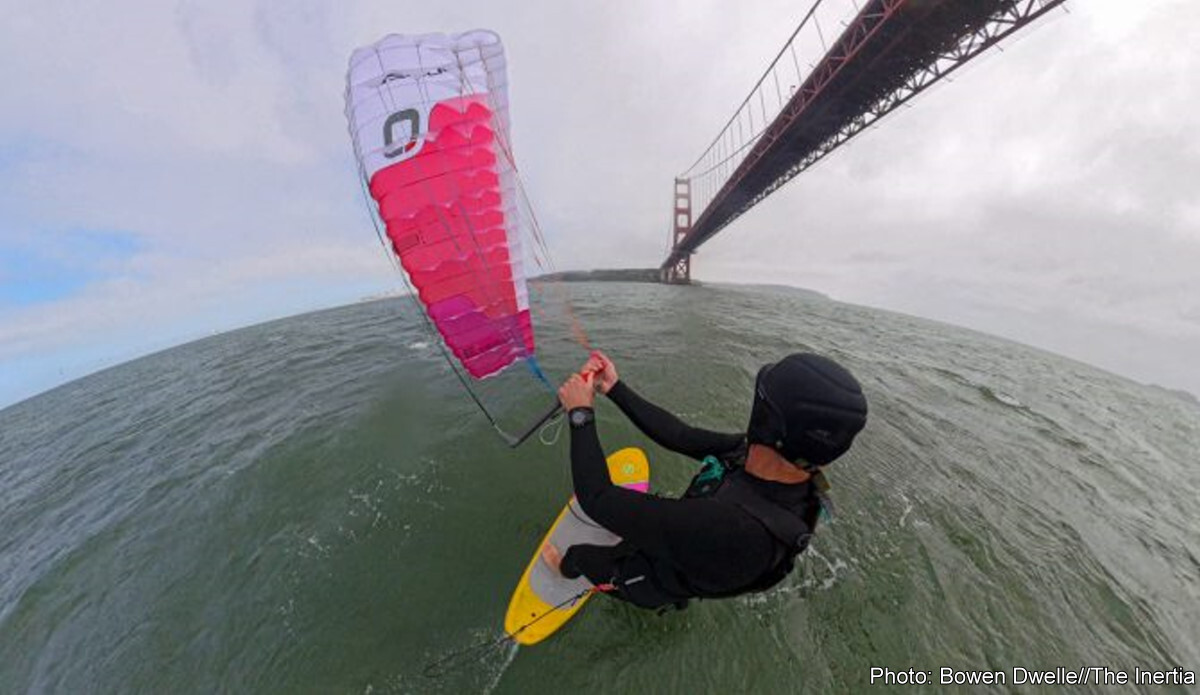
Bowen: Right. For me, the Frigate just felt incredibly responsive and still totally stable, even way at the top end. I was impressed.
Tucker: Yeah, I wouldn't say the Frigate has a weakness-it's nitpicking at this point. Teal versus sea green, you know? Personally, I'd mix quiver them: bigger sizes in the Frigate, smallest sizes in the Pocket Rocket. That way you get the responsiveness up top and the stability down low, where sometimes you just want to turn off your brain and focus on the foil.
Bowen: Or the tiny Flysurfers, or even the BRMs.
Tucker: Totally. Those are great too. It's not just a two-brand game. The POW, for example-2.5m but it punches like something bigger. Tons of low end for such a small wing.
How Did Bowen Rank the Parawings in His Article?
Bowen: Yeah. It does make a lot of power. In the review I published, I summed it up like this: for me, the Frigate is the best all-around wing. It does everything well, including the design details-the line length, the feel of the lines, the performance of the wing, all of it.
Tucker: That's important to mention. I'm 6'3", so I can collapse most wings in one swipe. Flysurfers are pretty long, but I can still manage them. But if you're 5 feet tall with shorter arms, bridle length becomes a bigger issue.
Bowen: Exactly. So that was the all-around winner. Then you've got Ozone, BRM, Flow, and Flysurfer, all of which are excellent. I gave the BRM Kanaha top marks as another all-around wing, but especially for packability and nimbleness-that classic Greg Drexler "Cloud" magic.
Tucker: Yeah, that's the BRM effect. Even in their kites it's all about tiny, hyper-maneuverable, ultralight gear. That fits their brand.
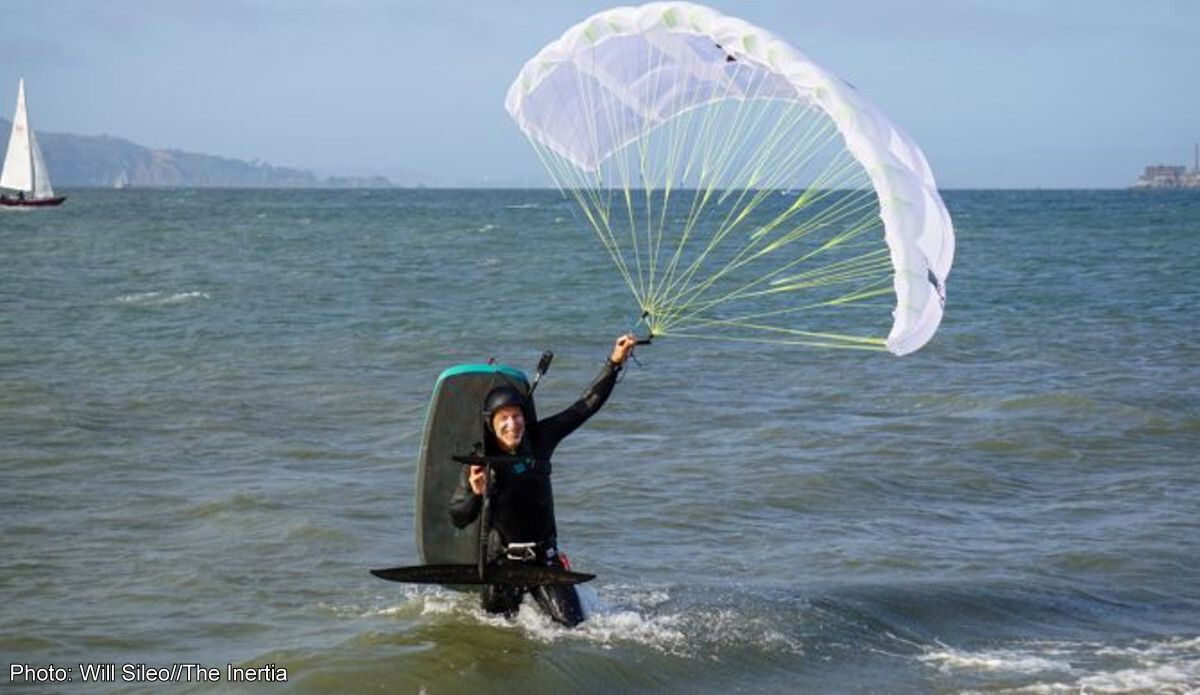
Bowen: Right. So if your main criteria are compact packing and the shortest line set in an all-around wing, the Kanaha is a great choice. Then there's the Flysurfer POW, which I think of as a freerace machine. The bar reflects Flysurfer's racing heritage-it even has a little Ronstan pulley in the bridle. The system works really well for me. It's intuitive, even with the extra pulley. The design choices, like the longer bar with that ergonomic J-shape and the longer lines, feel more sailing-oriented-freeride and freerace-rather than prioritizing packability.
What's the Bridle Wrap Trick?
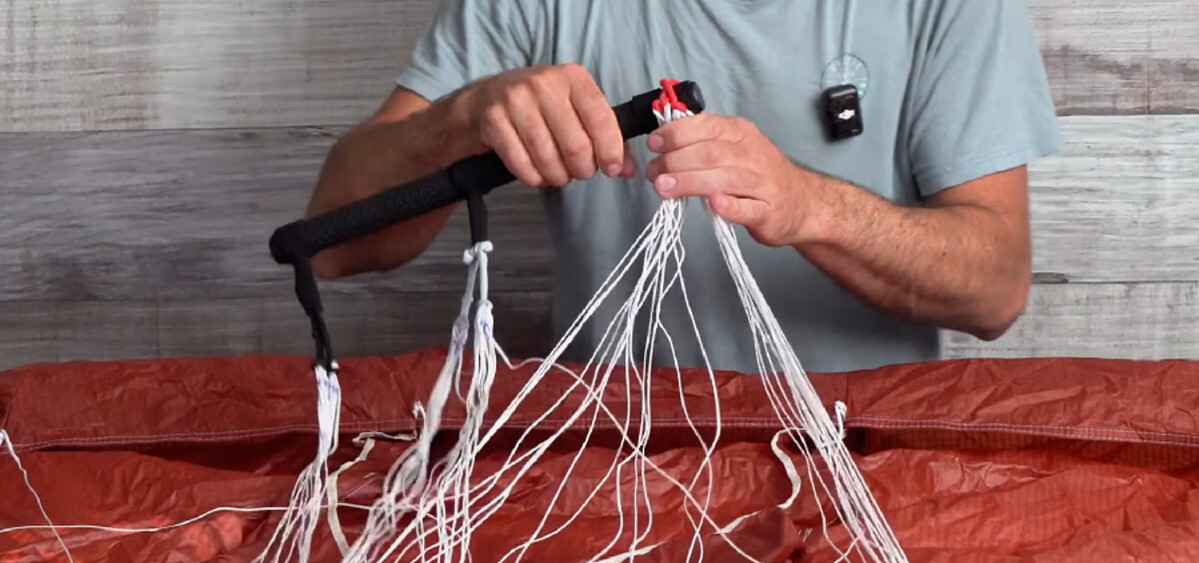
Tucker: Yeah, I agree. At first I loved that L-shaped, J-shaped bar. But once I started riding other wings with that little nub on the end-so you can get both hands on the front-I fell in love with that instead. Then I started wrapping the bridle around the bar end, and I thought, "This is it. This is the gear." I think Greg was one of the first to do that too. Kudos to him for the innovation. Some models benefit more than others, but it's such a quick, simple trick.
Bowen: What does that do exactly? I've tried it a little bit, but what's the effect when you wrap the A lines around the bar end? Greg mentioned it as a light-wind adjustment.
Tucker: It's a weird one-it varies by wing. On some of the more downwind-oriented wings, it pushes the leading edge in and flattens the profile a bit, which creates more drive off the front. It also lightens bar pressure and changes the bar's flying angle. I like it because even when I'm just walking out to the water, it feels easier-lighter bar pressure, flies straighter into the wind. On some wings, it improves upwind, top-end range, and overall stability.
Take the Aeryn P1, for example. In your review you mentioned it could feel twitchy, with a tight sweet spot between frontstall and backstall. If you wrap the bridle lines around the bar end, that clears it right up.
Bowen: Interesting.
Tucker: Yeah. It improves upwind, bar angle, and stability. No more flappy wingtip-it just locks in. Honestly, I think that adjustment should probably be built in, with a slightly shorter bridle as a happy medium.
Bowen: It's interesting. These wings are all really well designed, and yet Greg found that wrapping the A lines changes their length by two or three inches. That's actually a lot. We're not saying we know better than the designers, but it's a useful trim adjustment in certain scenarios. And like you said, the effect really depends on the wing.
Tucker: Yeah, it reminds me of kite bridles with the three knots. I could see some future models having knots on the bar end for exactly that adjustment. It's personal preference, riding style. And it broadens each wing's application. Some wings are more affected than others-especially those designed around launching downwind. In those designs, upwind performance and apparent wind generation weren't the top priority.
But making a wing that has a big usable range, rides upwind, and creates apparent wind-that's a real design achievement. And some models definitely stand out more than others because of it.
What Are the Strengths of Some Parawings?
Bowen: Totally. To clarify for people, I've heard this directly from some manufacturers too. The North Ranger and the Duotone come to mind as wings designed more for downwind.
Tucker: And the Morph too.
Bowen: Maybe, though I didn't hear that specifically. But yeah, those weren't really optimized for upwind efficiency-not that they won't go upwind, just not as strongly as others. The Aeryn P1, on the other hand, really impressed me. It absolutely goes upwind well, just not quite at the same level as the top five.
Tucker: Yeah, honorable mention though-at 30–35% cheaper than some of the leading models, that's worth pointing out. Me being a Dutchman and a father of five, the almighty budget is a real thing. If I were buying these out of pocket, I'd probably be looking at an Aeryn P1 or a secondhand wing. Durability would also matter a lot, because it's a big investment. I'm spending more money on wings than my truck-I'd need it to last five years or more.
That pushes you toward heavier, tougher materials, easy repairs, and designs that don't lose performance quickly. But that's almost the opposite of "most packable," since the ultralight wings usually blow out first or demand more maintenance. Which is fine for some people, and fine for me given what I do. But for most riders, The Budget is real. And I think the P1 still deserves mention for that reason. In my review, some folks roasted me in the comments-like, "How could you even compare this to the Frigate?" But with the price point, I think you can. If they were the same price, sure, the Frigate wins. But factoring in cost, the P1 earns its place.
Bowen: Absolutely. I mean, honestly, if I had any of these six-the F-One Frigate, Ozone, BRM, Flysurfer, Flow, or Aeryn-I'd be happy. If someone handed me a quiver of any two, I'd ride them with no complaints.
And on the durability side, Aeryn did a couple of smart things. All the lines are the same length, running direct with no splicing, no knots.
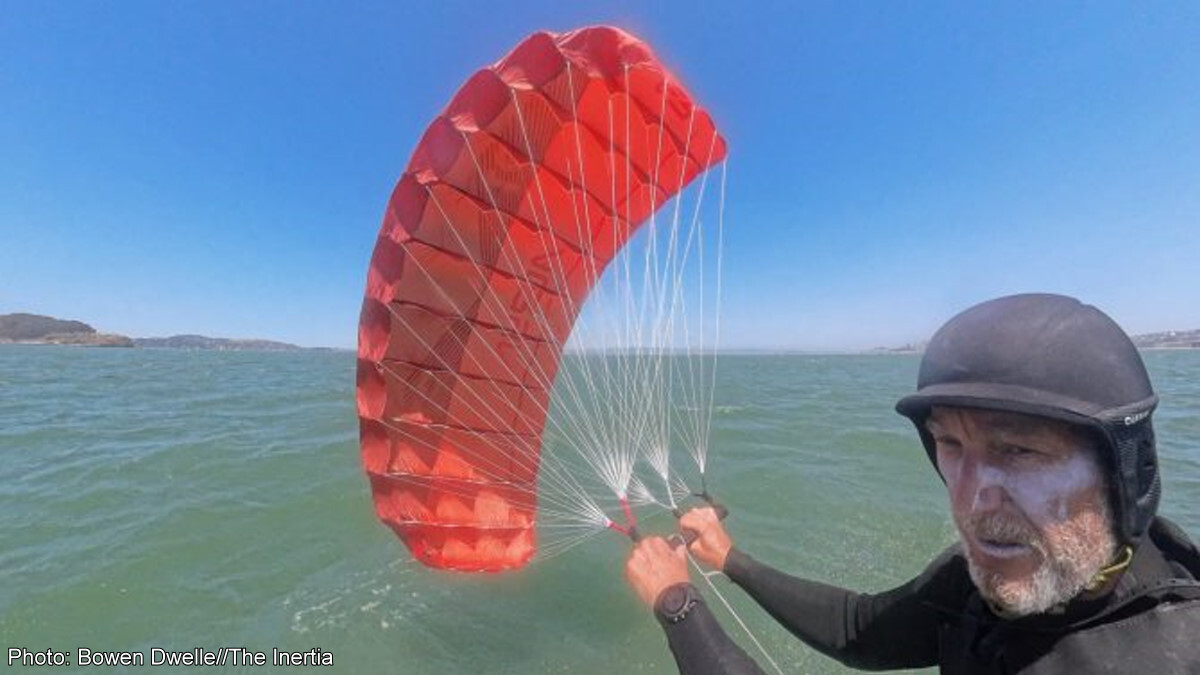
Tucker: Clean, man. Like running your hands through wet spaghetti.
Bowen: Yeah-and Dyneema is so strong. No stretch, no friction. Yes, the canopy is a thicker material, but to your point, it won't blow out. It's going to last longer.
Tucker: And it stays drier, crumples less when redeploying. There are advantages. Plus, it doesn't pack down as big as you'd think. Since the material is stiffer, you don't need as many ribs to shape it. Their wing probably has half the ribs of the F-One. The material's two or three times heavier duty, but it doesn't pack three times the size-maybe 30% bigger. Not a deal breaker. I can still fit the 4m into my smallest stash belt.
Bowen: Got it. Same here. So yeah, that's the rundown on the top six. Is that your conclusion too? Anyone else you'd add right now?
Tucker: Hard to say with all the variables. For me, my top picks are the Frigate and the Pocket Rocket-for performance, upwind ability, range, the style of riding I do. No-compromise choices.
But budget-wise? If I had $2,500, I'd rather buy three Aeryn P1s than two of anything else. That gets you on the water in more conditions. You can work around the rest.
Bowen: True-that's a really good point. It depends on where you ride, your wind range, how often you want to be out there.
Tucker: And what you want to ride in. A lot of people say, "I'll never ride in 30+ knots."
Bowen: Or under 17–20 knots. That's the key question-two-wing quiver or three.
Tucker: Right. And the Flysurfer POW deserves a spot too. For bigger riders or for people who want the smallest possible wing, it's a great choice. Every wing out there has a place-different applications, different riders. And they're all priced fairly for the materials and performance. Nobody's way off.
Bowen: I just missed Felipe from Flow-he came through San Francisco on his way to Hood River, but I was up in the mountains. The Flow D-Wing has been killer.
Tucker: One of the easiest wings to fly. Super intuitive to learn on.
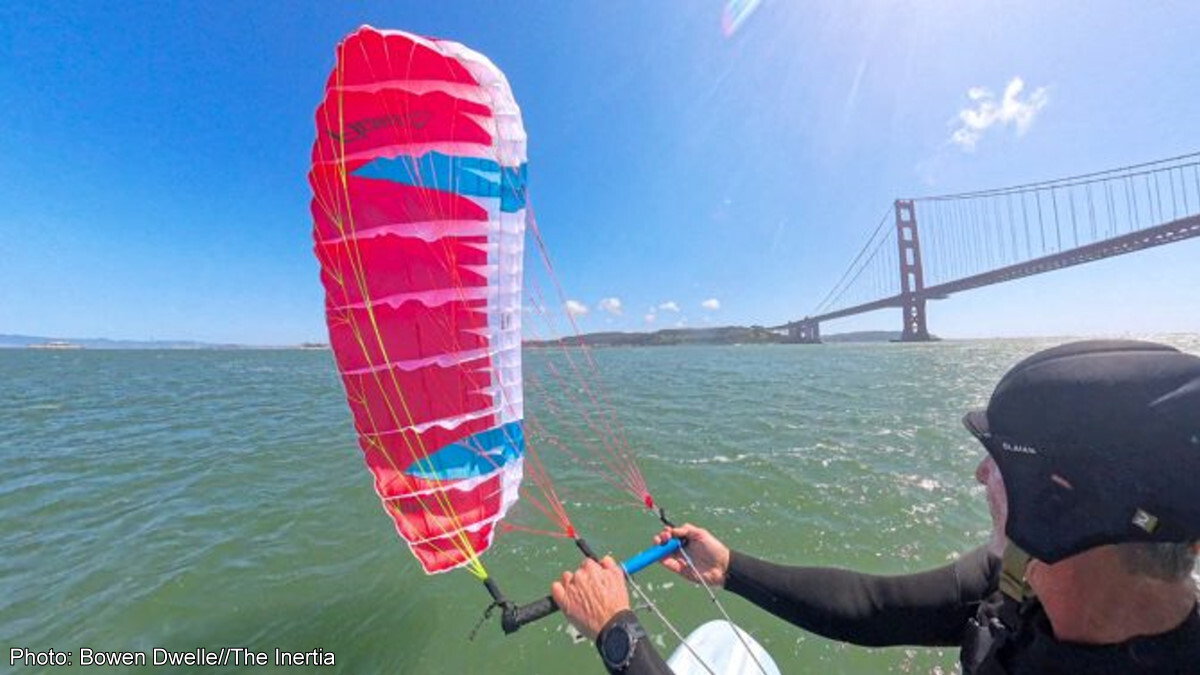
Bowen: Yeah-solid performer, great power. And I know Felipe already has tweaks in the smaller sizes of the D-Wing V1, plus prototypes for a V2. That's coming soon. We mentioned the BRM Paia too, their double skin, and the Triple Seven.
Tucker: You haven't ridden that one, have you?
Bowen: No, not yet.
Tucker: I'd guess great range, solid upwind ability. Definitely not a packability king, and probably not ideal for beginners.
Bowen: We'll see. But knowing Greg's design philosophy, I bet it's more user-friendly than people expect.
Tucker: Could be the magic ticket for gusty conditions-mountain lakes, punchy northerlies.
Bowen: Especially for freeriders. Plenty of people never pack a wing mid-session. They'll collapse it for a few minutes maybe, but never stuff it in a bag. For those riders, something like the Paia could be a sweet spot-great freeride handling, plus solid upwind. We'll see.
What's on the Wish List for Future Parawings?
Tucker: Wait and find out. It's definitely a step in a unique direction, and I think it could open up the market in some cool ways. I'll be excited to ride that one and see what the future looks like.
So, shifting gears a little bit-maybe we step away from just reviewing wings and talk about the future. Where do we want to see this market go? What changes could be made, whether at the rider level, shop level, or brand level? Kind of a "Dear Parawing Industry" letter.
Because in these early days, there's been a lot of confusion-people making strong statements that aren't necessarily true. Same thing happened in the early wing market: people said, "Oh, that'll never replace kiting. You'll never ride upwind on that. You'll need ten wings like the windsurfing days." And yet, a few years later, all those assumptions turned out wrong.
If we can get on the same page and move in a consistent direction, that's good for everyone-especially the end consumer. Nobody wants their gear outdated every three months.
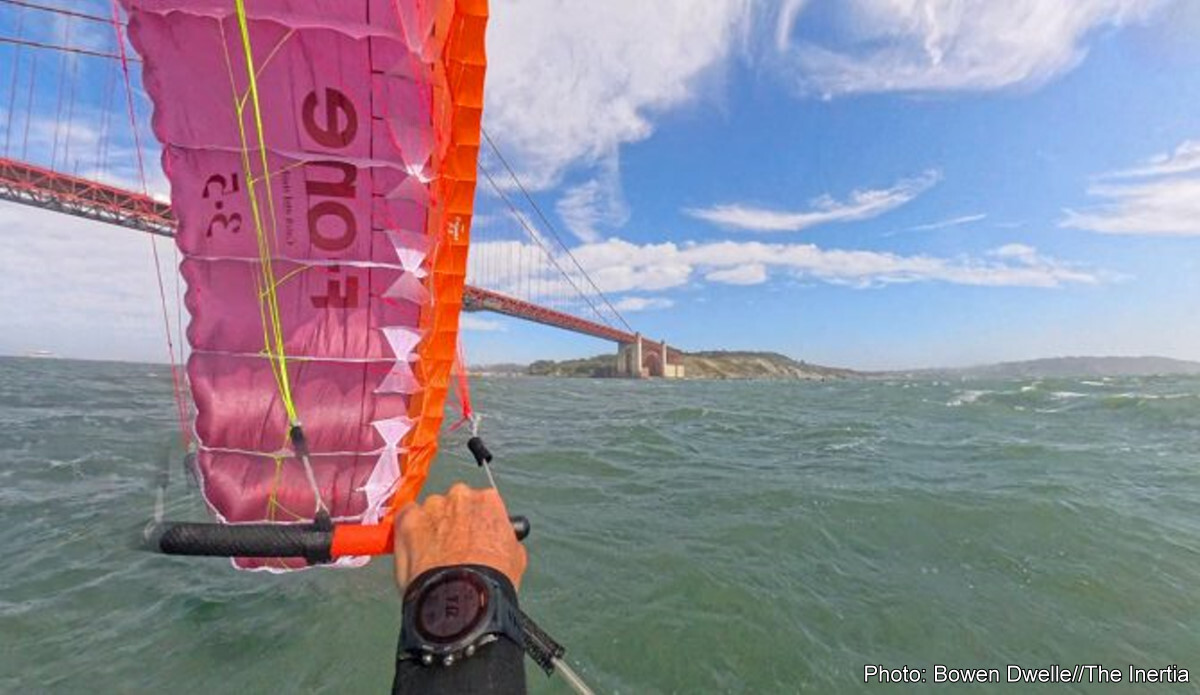
Bowen: Totally. And on that note, I hear a lot of complaints-there are always complainers-that parawings are overpriced. Some people look at them and say, "It's way simpler than an inflatable wing; it should be cheaper."
My response is always: "Okay, go make one yourself. Then try to get it manufactured in quantity, bring it to market, start a company, and actually make a livable wage off it. Then come back and tell me what the price should be."
Tucker: Exactly. It'll balance out. A lot of this just comes down to scale. Early in a market, prices are high because maybe you're only making a couple hundred units a year. But when there are a million participants and you're selling a few hundred thousand a year? That's a whole different story. Production scale changes everything.
Bowen: Yeah. But let's not set the expectation that prices for parawings are going to go down. I don't think that's going to happen.
Tucker: Is it possible to get in the mid-hundreds, you know, $600–700? I mean, we're already seeing it with the Aeryn P1, and there's not a lot of compromise there.
Bowen: I'd just say overall these are highly engineered tools for a sport that costs money to participate in. They're going to cost what they cost, and we're still early in the game. People should expect to make an investment and also expect these things to lose value quicker than the rest of their quiver, because designs are still evolving really fast. So just be realistic. If you can't afford it, wait a bit or buy used gear.
Tucker: Yeah-grab the stuff that trickles down from the people who always want the latest and greatest. You'll only be a couple months behind but save a bunch of money. Plus, with the closeout market, there are always winners and losers. Some gear will be hot, some really good stuff will get discounted because of overproduction. So the barrier to entry will come down over time. But like you said, compare it to any other sport: sailing, skiing, biking, even golf-everything's expensive if you want good equipment.
Bowen: Right. You spend your money on proper tools for the job. But again, don't expect resale like you might with a foil. You're not going to ride a wing for two years and get most of your money back. Not yet. With AWSI coming up in September, we'll see a bunch of new products dropping, then more after that. So yeah, that's one thing. And while we're on it, here's some feedback for the industry: put a harness line in the bag with every wing-or better yet, attach it to the bar.
What Are Some Bar Preferences?
Tucker: On the bar. Do you like two-point or single-point?
Bowen: More and more, I like single-point.
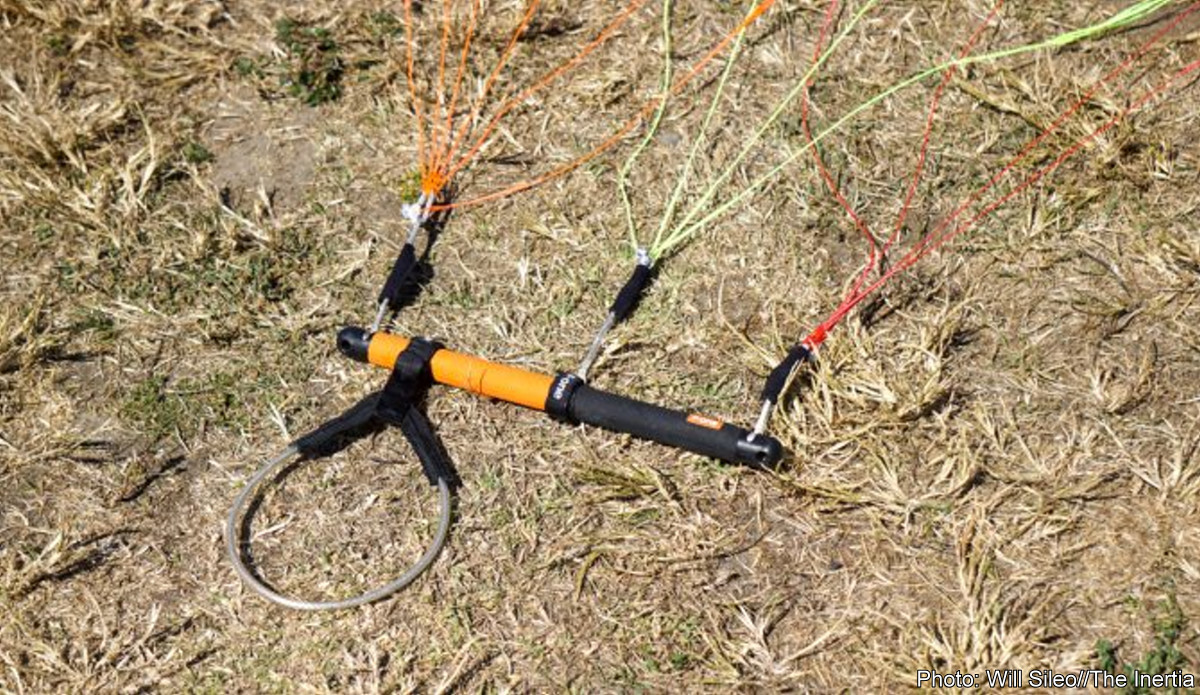
Tucker: Same. Less clutter on your hands, easier to take on and off. With two-point, the line ends up bumping your fingers and gets awkward. Single loops are simple-you could even swap one across a couple wings if you wanted. And for the extra ten bucks at wholesale, just include it. I also don't think line length is as critical on parawings as it is with wings. A 30 cm loop works fine across the board.
Bowen: Yeah. I'd love to see a single-point stretchy harness line, too. It's nice to be able to pull it down and hook in. And related-something that came up in testing-the bridle attachments to the bar really shouldn't slide around so easily. Some move way too much.
Tucker: You mean on the bar itself, not the pigtails?
Bowen: Yeah, on the bar. Especially the middle attachment, but sometimes the others too. If it moves easily, riders get confused-should it move, should it not, am I supposed to adjust this?
Tucker: Totally. Just put it in the right spot. I almost never move it from stock. An inch either way makes a difference, but not usually in a good way. If the designer really intends it as a tuning option, then give riders a scale or markings so they know what's what.
Bowen: Exactly. Flysurfer does that with colored EVA, which helps. But even as an experienced rider, I had moments holding a wing thinking, "What am I supposed to do here?" Brands could get ahead of that-make it simple, cut down on the confusion.
Tucker: Yeah, especially since most people are self-taught. It's not like kiteboarding where you go to a school and follow a set program. With winging, people just buy the gear and go for it. That's great, but the easier we can make it, the better. We've had folks try once in ten knots, give up in half an hour, and want to return their gear. It's like-no, stick with it, get in the right wind, the struggle's part of the sport.
Bowen: Totally. And you probably get this too-someone sees the parawing in the parking lot and asks to try it. And I'm like, "Actually, no." Because if you try to fly it there, in obstructed wind, you'll just think it sucks. Go down to the beach where the breeze is clean, and it'll practically fly itself.
Tucker: Yeah-point it where you want it to go.
Bowen: Exactly. So what else comes to mind for you?
What Are Some Safety Tips?
Tucker: I think safety is a big piece of this, and it ties right into the learning process. As an industry, we could do a lot better at helping people make good decisions. If you go to a sailing school, they walk you through everything-how to tie knots, how to rig properly, all the basics. In kiteboarding we've done well too, with schools, set protocols, and tons of supporting videos online. We could do the same thing with parawinging: establish some standard practices for a safe session. What's your plan B? Your plan C? What conditions are okay to go out in, and when should you not?
Not everybody comes into this sport with a background in wind sports. Some people don't know what goes into making a sketchy session safe, or how to prepare for a long adventure so it's actually doable. I was just talking to a customer this week who had a gnarly experience out on Lake Erie. He ran into this massive drain pipe-like 30 feet long-just floating out there. It sliced his leg open deep. He got it stitched up, thought he was fine, and then the next day spiked a fever-turned septic. Doctors had to go in, clean everything out, pull fragments, the whole deal. Luckily he's recovering, but it could have gone really bad, really fast.
And that's the point-you can't plan for everything. Who thinks they're going to run into a 30-foot culvert pipe in the middle of a lake? Nobody. But it happened. And if you're out alone, no phone, no radio, a long way from shore, something like that becomes serious instantly. That's why I think it's important for all of us to push the culture of asking before every session: What's my plan B? What's my plan C?
Bowen: Right. That's hard to practice for. But yeah, on that tip, I'd mention a couple things because where we ride, it's serious conditions.
Tucker: Yeah, you can't just go out and learn that, right?
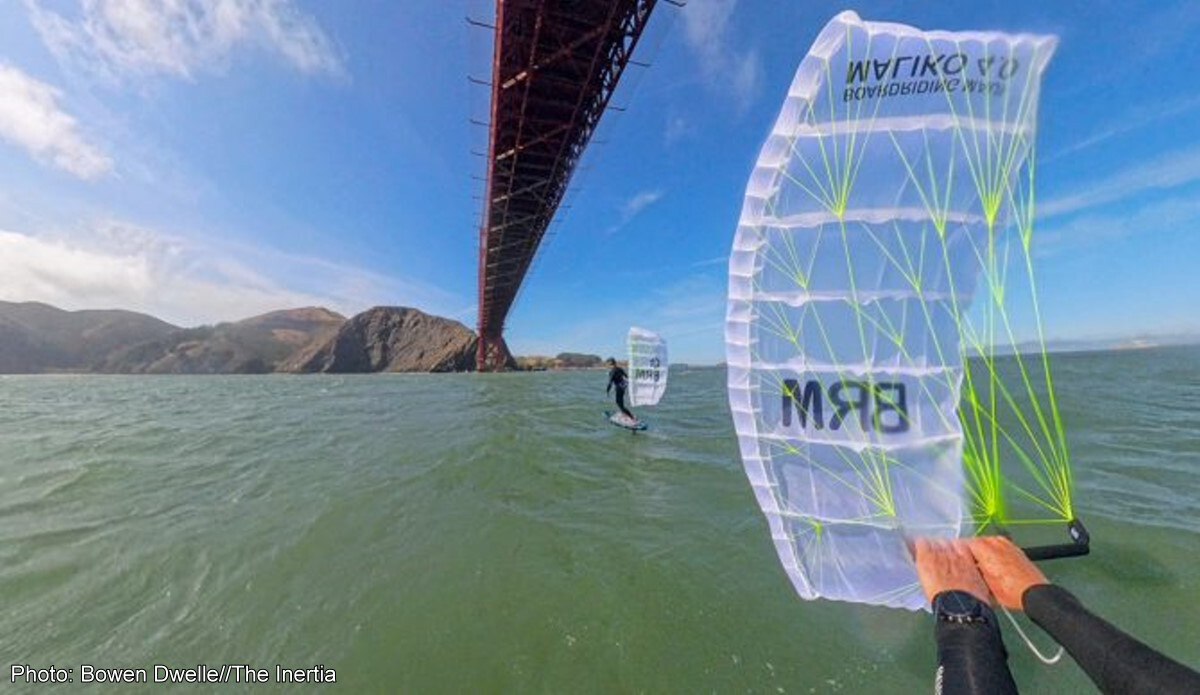
Bowen: Well, you can, and people do-we're not discouraging that. But you've got to know the conditions, know the spot, talk to the locals, all the standard stuff. And if you're headed out into open water, bring your phone in a waterproof pouch. The one I like is Stash 7-I get them on Amazon. And we all ride with handheld, submersible VHFs too. Uniden makes a good one.
Tucker: Standard equipment for where you guys are. You're in a major shipping lane, with current dragging you out to sea, plus all the crazy bay currents. It's a treacherous place to ride. Certain days here can be sketchy too with rip currents, but fortunately we can usually pull out anywhere onto a sandy beach. That's a lot easier than dealing with a major harbor.
Bowen: Exactly. You've got to have the gear, and you've got to know how to use it. I get people who show up at the beach saying, "Oh, I'll just use my Apple Watch if I need to call the Coast Guard." Really? You want to stake your life on your Apple Watch? No-have a phone, have a radio.
Tucker: And have a buddy to ride with, or at least someone who knows you're out there. Watch out for each other.
Bowen: And make sure the gear actually works. Check your radio-charged, functional. Same with your phone-make sure it's charged up.
Tucker: Make it part of the routine. After a session, plug in the radio, line up your gear, keep it in one bag so you don't forget something like a leash and then do the dumb thing of riding without it. Everyone's checklist will depend on their location, but the principle's the same. And as more experienced riders, it's on us to coach the new folks. If someone's brand new, struggling to get their gear to the shore, I'll keep an eye on them. That's just part of being a community.
Bowen: Totally. One trick that's helped me is from paragliding. Aviation gives you more of a "locked down" mentality, even though paragliding is still full of free-thinkers and wild people. But it taught me the value of a pre-flight procedure. Not a written checklist necessarily, but just doing things in the same sequence every time. After 20 or so times, it becomes automatic. Then if I'm walking to the beach and something feels off, I realize-oh, I skipped that step. I forgot to clip my leash, or check my radio. Building that into your muscle memory makes it second nature.
What Else Would They Like to See?
Tucker: Yeah, 100% on that. Back to the point about where the industry can move forward-little things can make a big difference. The color-coded bridle thing has been talked to death, but it's such an easy change. If you've got white bridles, I just did that video showing you can literally color them with a crayon. But at the factory level, let's just agree-color code the bridles. It makes everybody's life easier. Nobody's saying, "Hey, I want all my bridles the same color."
And it's not just bridles. I'd love to see the leading edge of the canopy a consistent color, each wingtip a different color than the center. But the big one for me is still the leading edge. That really helps.
Now, once you've been riding for a while, you don't think about this stuff much. Bridle management becomes second nature. The more you ride, the less it matters. But for beginners, anything that takes away confusion is worth it.
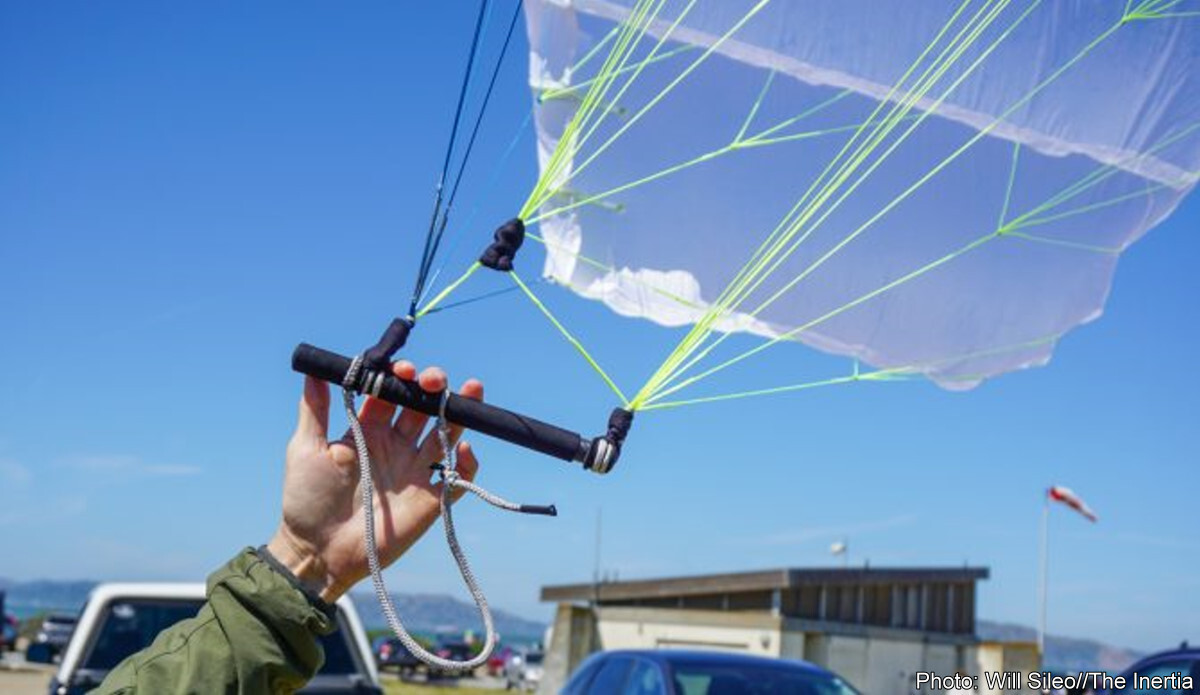
The other thing is that bar knob. Having the control bar extend a couple inches past the A-line bridle attachment is a huge improvement. Otherwise you're always wondering how to hold it, especially when powered up. That leverage point can really torch your wrist. With the knob, it's more comfortable, more control, and you can actually use that wrap trick we've been talking about. Without the knob, you just can't.
What Are Some Ergonomics Tips?
Bowen: Right, exactly. And since you mentioned it-technique and injury is a real thing. We're all self-taught at this point. I put out a little Insta about how I was running the lines thumb-down, which isn't ergonomic. That's how I irritated the radial nerve that runs down the outside of your arm into your thumb.
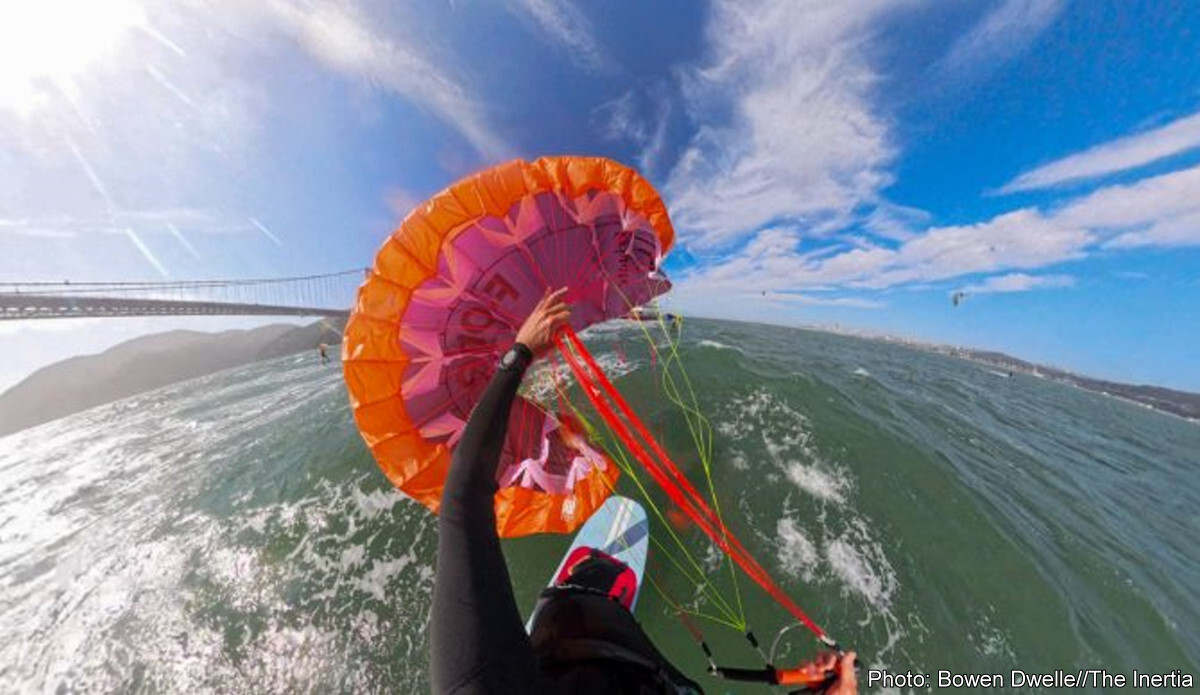
Tucker: I don't think I've ever done thumb-out. To me it always kind of funneled naturally into thumbs-up.
Bowen: Yeah, exactly. Try switching it around. Do what works for you, but after I looked into it, the advice was clear: thumbs down is bad, thumbs up is good.
Tucker: I like this PSA. Everybody-thumbs up, kids.
Bowen: Thumbs up. And one more thing: it makes a big difference whether you grab all the A's or just the center four. Most wings collapse better just pulling the four middle A's instead of all six.
Tucker: Yeah, depends on the bridle layout. If you don't point it just right and flick, you can miss lines. Some wings-like the Frigate-collapse beautifully off the A's because of that cascading bridle design. It all folds in perfectly. The Pocket Rocket, especially the big ones, work better with the four middle A's. You can still grab them all, but four feels smoother.
Bowen: Exactly my point-the fewer lines you're pulling to collapse the wing, the less effort on your muscles.
Tucker: For sure. Especially if you're not heading downwind with speed. That can yank hard. I usually cut downwind first to bleed the power.
Bowen: Of course. But yeah, four A's versus all the A's-less effort. And then you've got that nice feature on the Frigate, and the Ranger has it too: the stash handle. You just grab it, bam, wing's collapsed, no stroking lines. It's a slightly different technique, but super easy to learn.
Tucker: I don't use it much myself-I can usually nail the collapse in one pull-but I did use it on the beach with my kids the other day. They were getting dragged down the beach and I just yoinked the stash handle. Saved the session.
Bowen: Exactly. I'm trying to spread the word about stuff like that, just so people don't end up with the kind of nerve tweak I've got now.
Tucker: Honestly, the more common thing is wrist arthritis from bar pressure, especially if you're not using a harness line. Brutal. I remember learning-I'd come home and couldn't even hold a pencil.
Bowen: Yeah, that too. More bar pressure, more strain. That's why it helps to do some off-water exercise. A lot of us just ride and don't cross-train, but it makes a difference.
Tucker: Get out your squishy ball.
Bowen: Yep. Squishy ball, triceps, wrist strengthening-all highly recommended for parawing.
Tucker: I kind of just learned the hard way, building strength by riding more. But if you don't get tons of water time, cross-training is key.
What Are Some Final Thoghts?
Bowen: Well, those are definitely some of the points. What else would I say? I mean, we can start to wrap it up here, but I will say F-One has done a great job with the material they just put out for the official launch of the Frigate. Really clear writing and a solid video that explains the features of the product-what it's designed for, what it does well. And because they also have the K-wing, they actually laid out a comparison between the Frigate and the K-wing. Greg does the same thing with his BRM products-giving you that designer's perspective on the "why."
Tucker: And not every designer can do that, right? They can design, but they can't always break it down to the everyday rider level. They know why they made certain decisions in that high-level design-speak, but translating it into "here's why this matters for your session" doesn't always land.
Bowen: Exactly. The brands that do that well-it pays off. It builds trust and loyalty, and it helps people make their own informed decisions. That's a lot more valuable than just a hype video of a pro rider. I mean, you can make any gear look good in the hands of an expert.
Tucker: Totally. Just because an expert can rip on it doesn't mean you can. Race gear is the perfect example. It's the opposite of the right choice for most people. Most riders want usability, range, and fun-something that lets them ride without overthinking the gear. And it also keeps the brands honest. Our sports don't lend themselves to gimmicks. It's not like getting a new iPhone with twenty new features. We want one thing: simple, effective, durable, and easy to service. Let's not overcomplicate it, like windsurfing maybe did at one point.
What I'd love to see is foiling sports become more like skiing or sailing-a true family sport. Take anyone out, have a blast, nobody has to be racing, but everyone can enjoy a powder day on the water. That's kind of the heart of it.
Bowen: For sure. There's something for everybody. I'm stoked to be riding all these different things and exploring this whole new world.
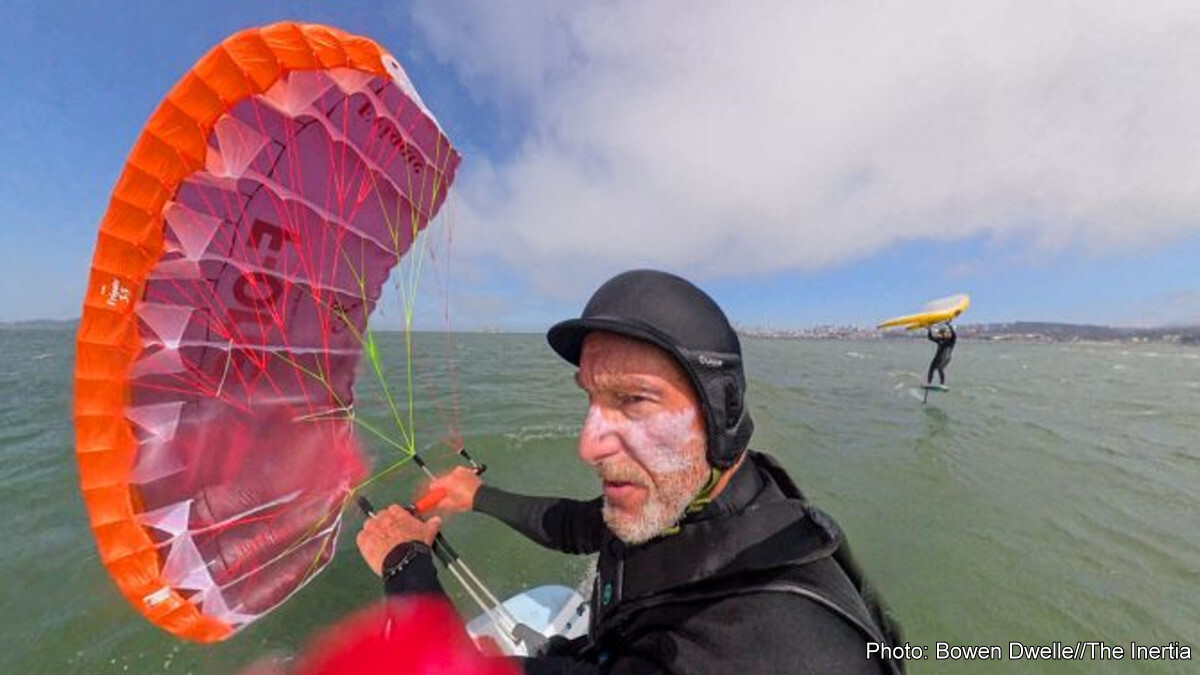
Tucker: Keep it up, man. You're doing a great job. It's awesome to chat with someone else who's put in the time testing and thinking about this stuff, beyond just "what do I like best?" That's something you guys do really well, and we've tried to do too-step outside our own preferences and ask, "Who is this for? What situation does this make more fun?" Because if you ask ten different people what the best wing and size are, you'll get ten different answers. So thanks for taking the time to dig into it with me.
Bowen: My pleasure. It's been super rad. And honestly, every day I get more questions from people wanting to shift over to winging. It's an exciting time. If anyone out there has questions, feel free to reach out. You can find me on Instagram-Bowen Dwelle, just my name. Also check out the big piece we just put up on The Inertia under the gear section.
Tucker: Yeah, it's a super concise look and dead-on. If you want a quick read on the major parawings on the market, unbiased takes on what they can do, and some feature breakdowns, that's the place. Then you can dive deeper into some of our YouTube videos, where I ramble a bit longer, do some comparisons, and play some "what if" scenarios. And hey, our crew's always here-jump on live chat, call us, email us. We're all heavy into testing this stuff, myself included. So instead of flooding Bowen's inbox with every little thing, hit us up-that's what we're here for. Let Bowen focus on testing and writing.
Bowen: Hey, all good- I love chatting with people. You can also find me on Substack. That's where I put the rest of my writing.
Tucker: Yeah, and you're writing beyond just wind and watersports. What other projects can people check out?
Bowen: Substack's the place. You'll find a lot of my personal writing there-my history, my experience with intuition, depression, and addiction growing up in San Francisco. It all ties into adventure sports and learning to navigate life in a more positive way.
Tucker: That's solid. Honestly, that's good reading for anybody. And you've got a way with words, man. Keep it up.
Bowen: Right on, Tucker. Thanks for the conversation. It's been a pleasure.
Tucker: Same here, man. Thanks for taking the time. And anything we can ever do for you, just say the word.
Bowen: Cheers-I appreciate it.
Thanks for reading, and for geeking out with us on the details. Parawinging is still wide open territory, and conversations like this help push the sport forward. Stay tuned, keep trying new gear, and most of all- have fun out there.
MACkite Subscription Links:
YouTube | Instagram | Spotify Oddcasts
Contact MACkite Below:
800.622.4655 | Kiteboarder@MACkite.com | LIVE Chat Messenger
Recent Posts
-
One Board, Every Session | Why We're Stoked on the Omen Emissary
If you've been searching for a single board that can handle light-wind winging, parawinging, prone …25th Mar 2026 -

Reedin HyperModel Kite Review: Fast Loops and Big Air Performance
The HyperModel was developed in collaboration between Reedin and Brainchild. Ralf Groesel, Damien …25th Mar 2026 -

Prepping Your Waydoo eFoil After Winter Storage
After a long winter, your eFoil might have sat untouched for a few months. Before you rush to the …25th Mar 2026