

Unlocking "Second Gear" on the Aeryn P1 Parawing
If you haven't heard of Aeryn before, you may have heard of the Peter Lynn Group. Both divisions use the same designers, and they have an impressive ram air and wind sport pedigree. Peter Lynn has been designing power kites for buggying since before kiteboarding came on the scene, and even... giant octopus kites? Yep, if you look closely, it's a parafoil design. So these guys have decades of experience going into their new P1 parawing.

Tucker was able to get his hands on a 4m to put through its paces, and it impressed from the moment he saw the sturdy drawstring sling bag. It's got enough room to pack away the parawing without having to compress it too tightly, but is still compact and simple so you can stuff it in your luggage without extra bulk. He was also impressed by the price but wondered what was being sacrificed and whether the P1 was worth the savings over other parawings.
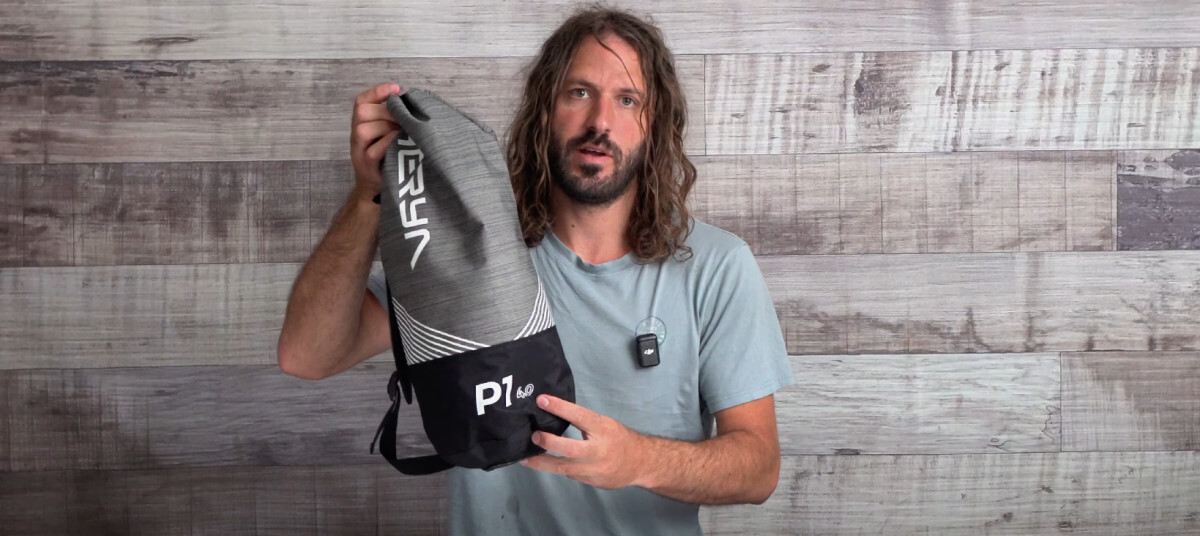
What Is the Aeryn P1 Parawing?
The bar is very simple and light, which isn't a bad thing. The length is about average, so it stows nicely, and the diameter is a bit large but comfortable, with a very nice grip. However, it could use some color coding on the grip, which is all black. That said, the three pigtails connecting the bridle lines to the bar are color coded, with the top one being a nice, bright red, so it's not a big deal.
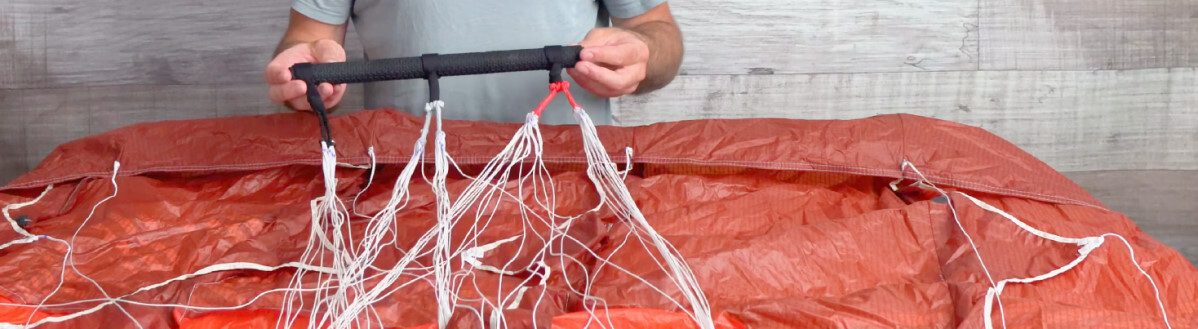
The pigtails have soft neoprene covers to protect your fingers from the knots, but you can remove them if you prefer. The top pigtail is set about two inches from the end of the bar, which give you the option to position your index finger and thumb past the A lines and get more leverage in overpowered conditions. It's comfortable and Tucker thinks we may start to see this from other brands in the future.
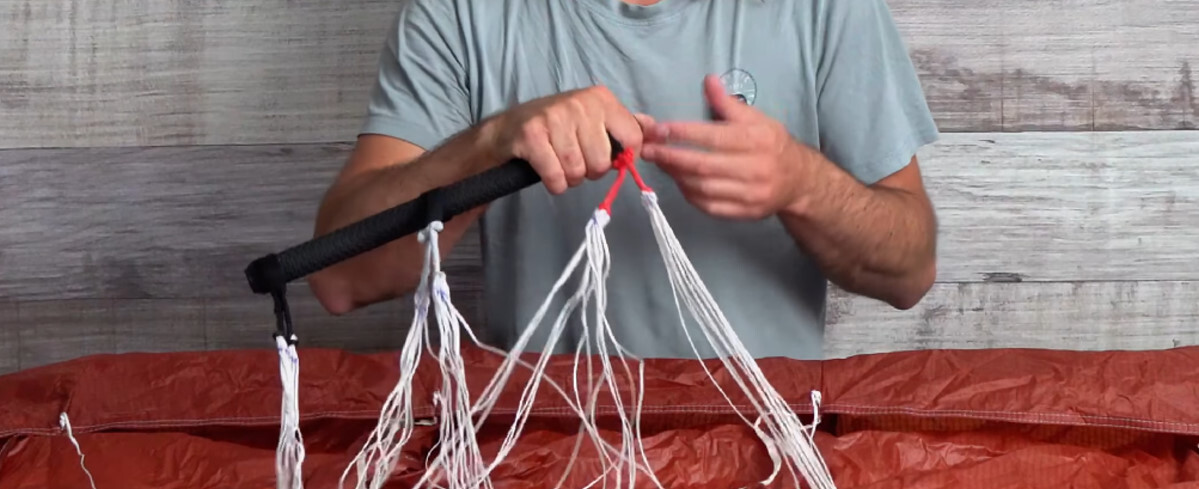
Pro Tip: That extra bit of bar also allows you do a neat trick to reduce bar pressure and angle the front of your sail more into the wind. You can wrap the A bridle lines around the bar to shorten them just a bit. It's almost like unlocking second gear in your wing. Some people even like to ride like that most of the time.
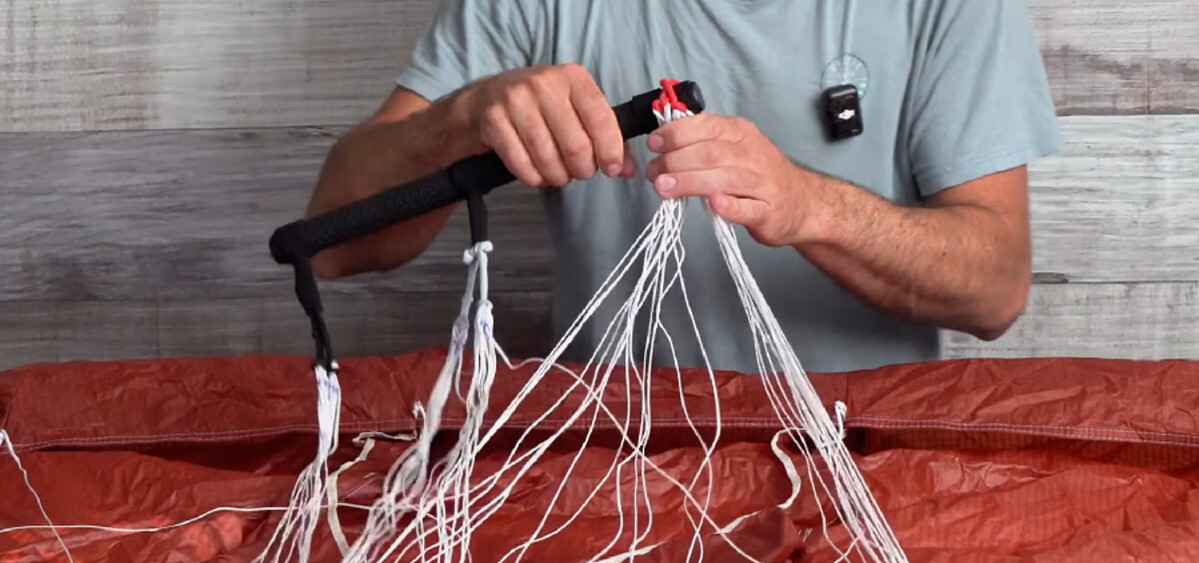
The bridles are cleanly spliced and go directly from the pigtail to the canopy with no splits, which is great for stowing the wing, though that does mean there is more line at the bottom. The lines are also very smooth. Not only is this easy on the hands, but when you throw the wing back out, they just sort themselves out since there isn't that friction wanting to cause tangles. They are all white, but the pigtails are each different, at least. And there is always the Sharpie solution, which can keep you busy on a no-wind day. We know you always wanted to color your lines purple, and now you can!
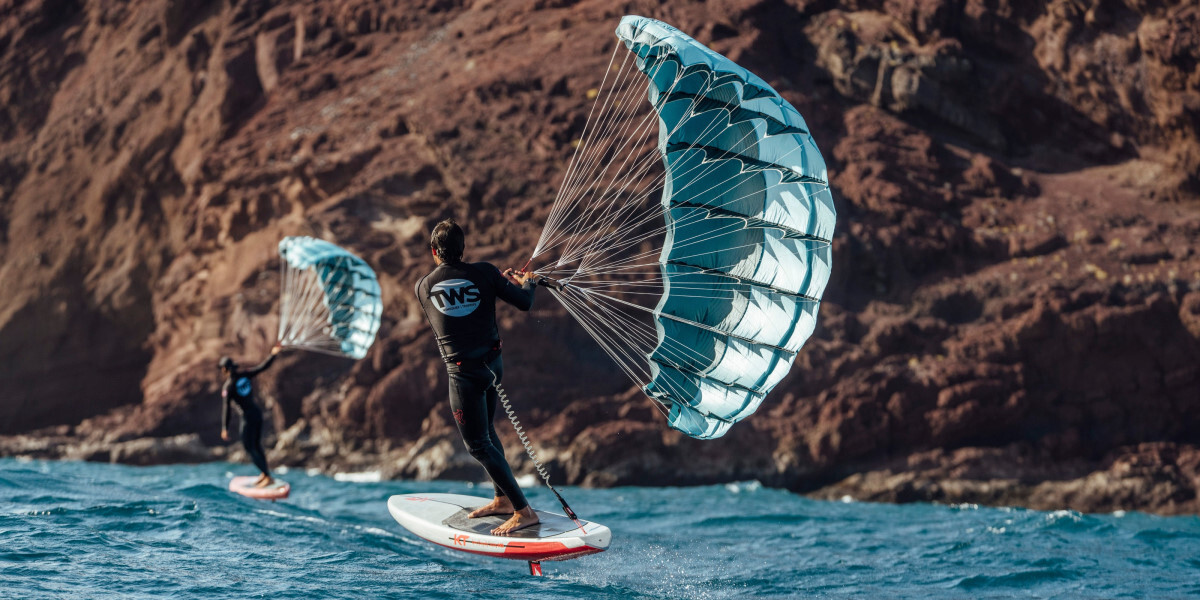
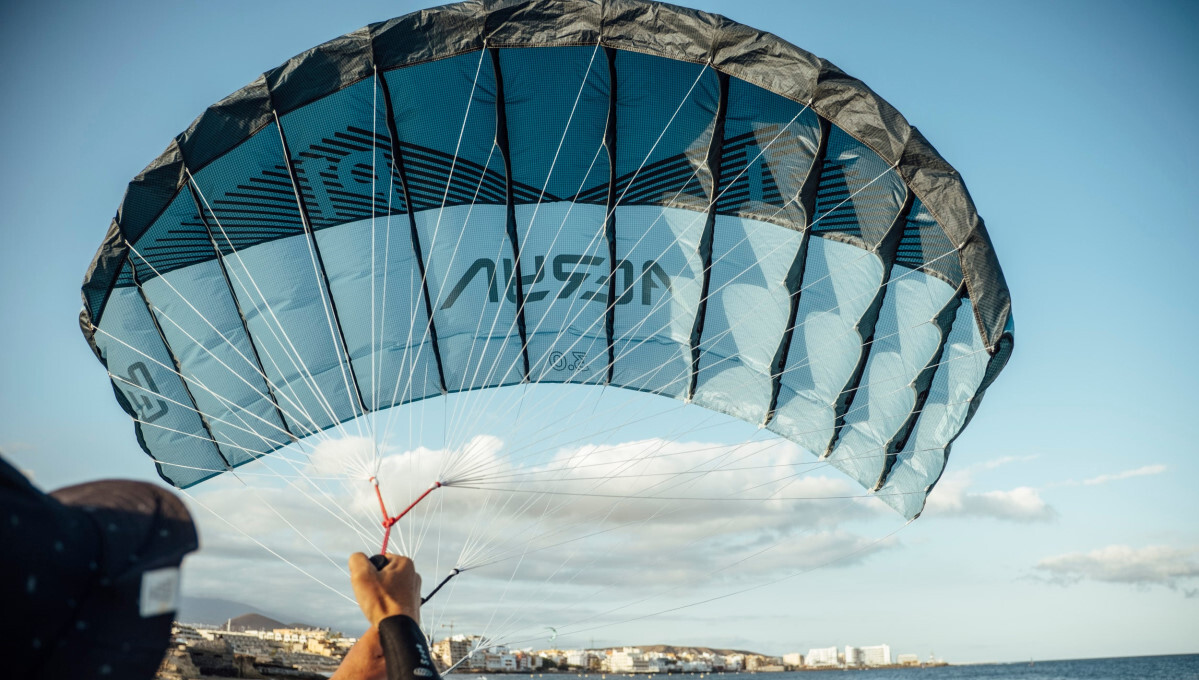
The bridle connections into the canopy are high quality, just like you'd expect from any Peter Lynn kite, and there aren't so many that it gets overly complex. The canopy material is a bit heavier and more robust than most other wings. It has sewn in stiffening battens not only in the leading edge, but in the trailing edge as well, which is a surprising feature to have in a wing at this low price point. There aren't as many, but they're not needed and that helps offset the weight of the more heavy duty sail.
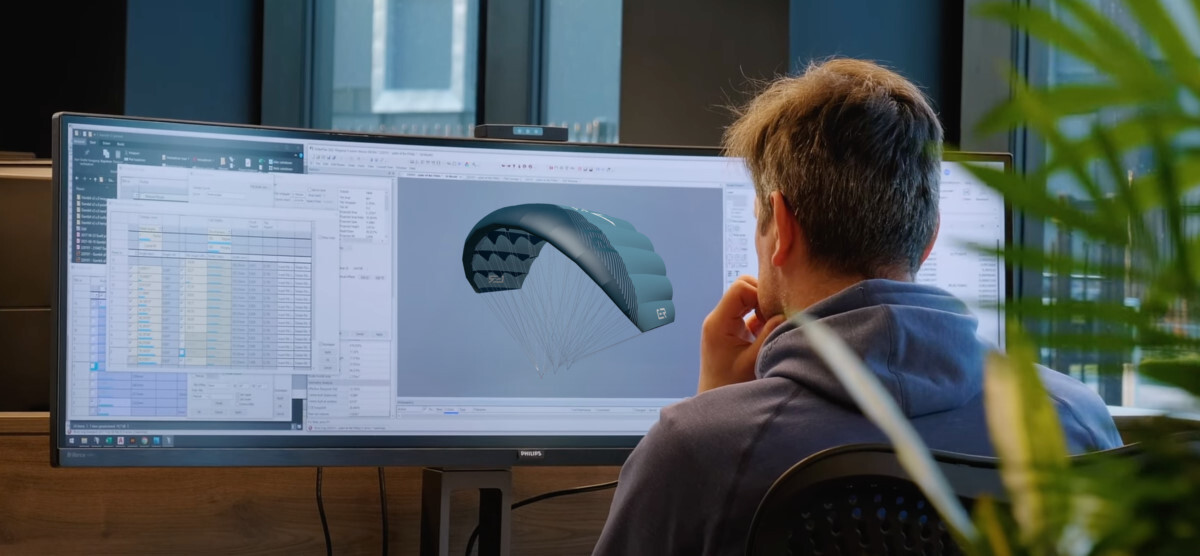
The design team in The Netherlands has done a great job incorporating high-end design features into a wing that's priced for the average rider. Performance wings with ultralight materials are great, but many riders might prefer something more durable and priced where they can afford to get more than one size.
Tucker's Review
On the beach, Tucker's first impression was that the P1 felt pretty good, but was a bit finicky and easy to backstall or front stall if you didn't have quite the right angle. Other wings around this price let you just grab it and fly, and it pulls hard.
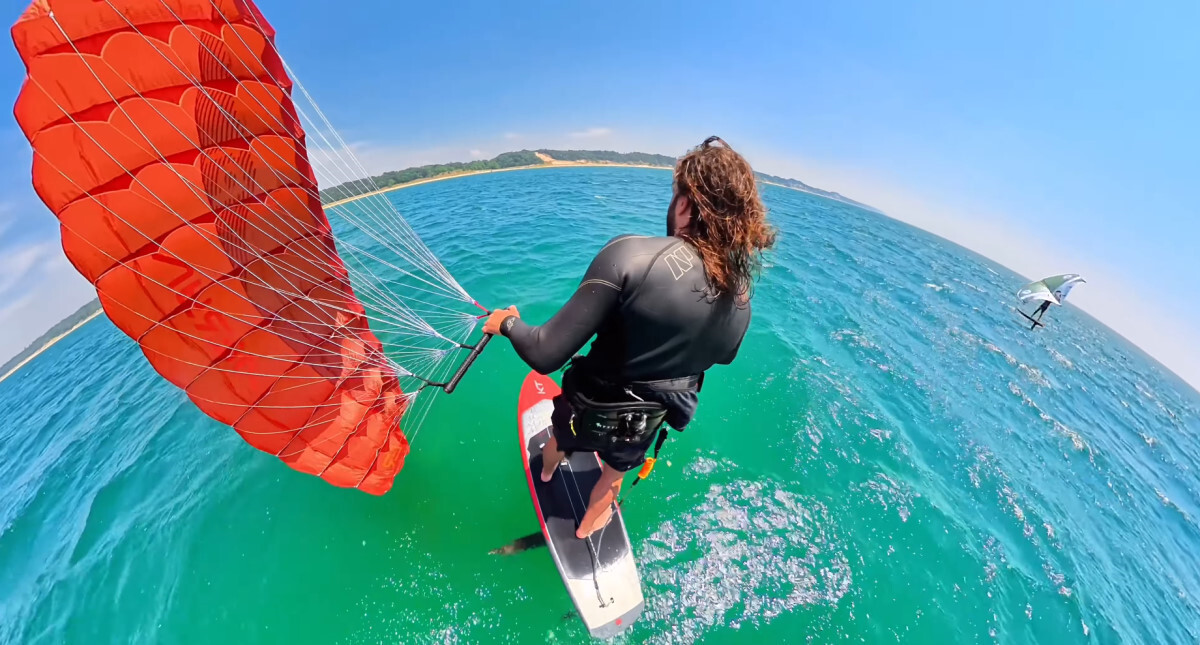
But that's a bit deceptive, because most of those wings end up being terrible for upwind and are pretty much just for riding downwind with limited range. You can't edge into the wind, and they collapse on themselves and sit too deep in the window to let you drag them upwind. Take a few minutes to fly the P1 on the beach and find where it likes to be, and that'll help you unlock its amazing upwind and range when you get on the water. Thanks to the stiffening battens, the wing is surprisingly smooth and efficient, even when you're driving upwind or riding powered up.
After he rode the P1 for a bit, he went ahead and wrapped the front bridles around the bar, and all of a sudden it locked in. There was less bar pressure and it felt so much more intuitive to find that flying position. The bar angle was more neutral and comfortable.
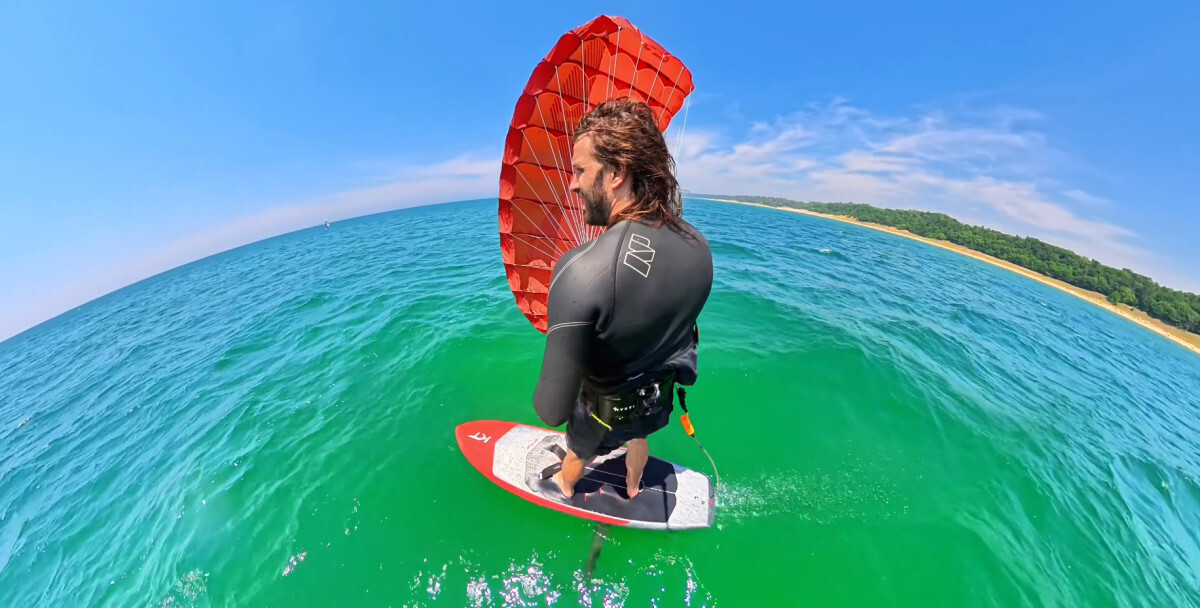
After switching back and forth a few times, Tucker decided he preferred to ride with a wrap all the time. It tips the front of the canopy in a little more and help you drive upwind more efficiently. The wing feels more high-performance, yet easier all around.
Because the P1 doesn't have as much downwind pull and grunt, you will need a bit more wind to get on foil than with wings that are all pull and no upwind. If you're struggling to get up, leave the bridle unwrapped, and then you can wrap it once you get up. However, Tucker was able to get up with the bridle wrapped in just 16-18 knots on a 4m P1. For reference, this wing is happiest in 18-25 knots.

Anytime you need a little extra downwind pull, you can fly with the bridle unwrapped, as long as you're able to find the perfect canopy angle. If you're trying to lock into a wave for takeoff straight downwind rather than cutting across the wind, being unwrapped makes more sense.
Tucker debated whether to just remove the pigtail and fly with shorter front bridles all the time, but he decided he liked having both modes available and left it as is for now. He might change his mind later on, but it really is neat being able to have two "gears" in one wing, and it makes a bigger difference on the P1 than any other wing he's tried this trick on.
Most parawings have one pigtail coming off the bar for each bridle line set, while the P1 has two on each connection point. This helps define the stability characteristic of the wing. If you're a kiteboarder, you might be familiar with high V and low V center line splits. The high V kites tend to roll faster from edge to edge, while the low V ones are more stable.
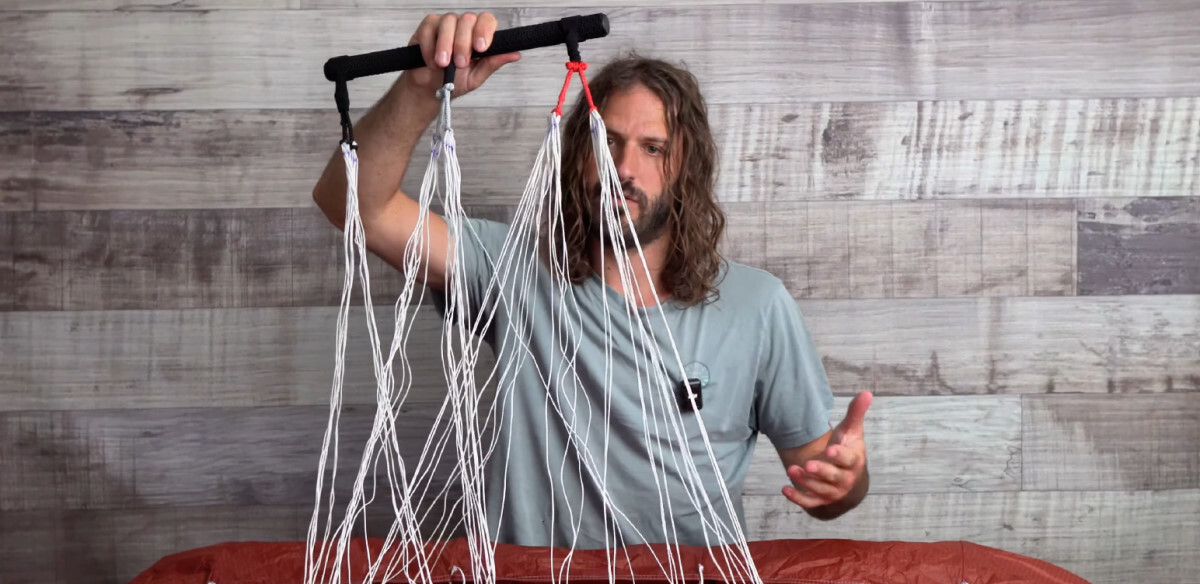
Similarly, parawings that split their bridles further up are more balanced off a single point and like to roll faster, where this low split at the bar has the balance at multiple points and results in a smoother, more stable flying experience. This means that the P1 isn't as agile when you point it, and that makes it an awesome choice for new parawingers who want to progress. If you want to back loop and do roll tricks, you'll want a different wing, but the riders this wing is geared toward aren't usually looking to do that yet. They're looking for a wing that doesn't need constant attention so they can focus on progressing their board and foil skills.
The P1 was still well-behaved in the upper end of its wind range, a quality that's hard to find in an affordable wing. Perhaps that's thanks to Aeryn's experience in sailmaking. Not only do they understand what it takes to make a wing do what they want, but it takes them less time to get it dialed in since they've been down this road with similar products already.
Tucker's Nitpicks
The wingtips terminate in a flat edge but don't have any stiffening, so they can flap and chatter, especially if you're pointing too hard into the wind and don't have the right sail angle. It's not a big issue, and once you find the sweet spot it mostly disappears, but some people do find that noise unnerving.
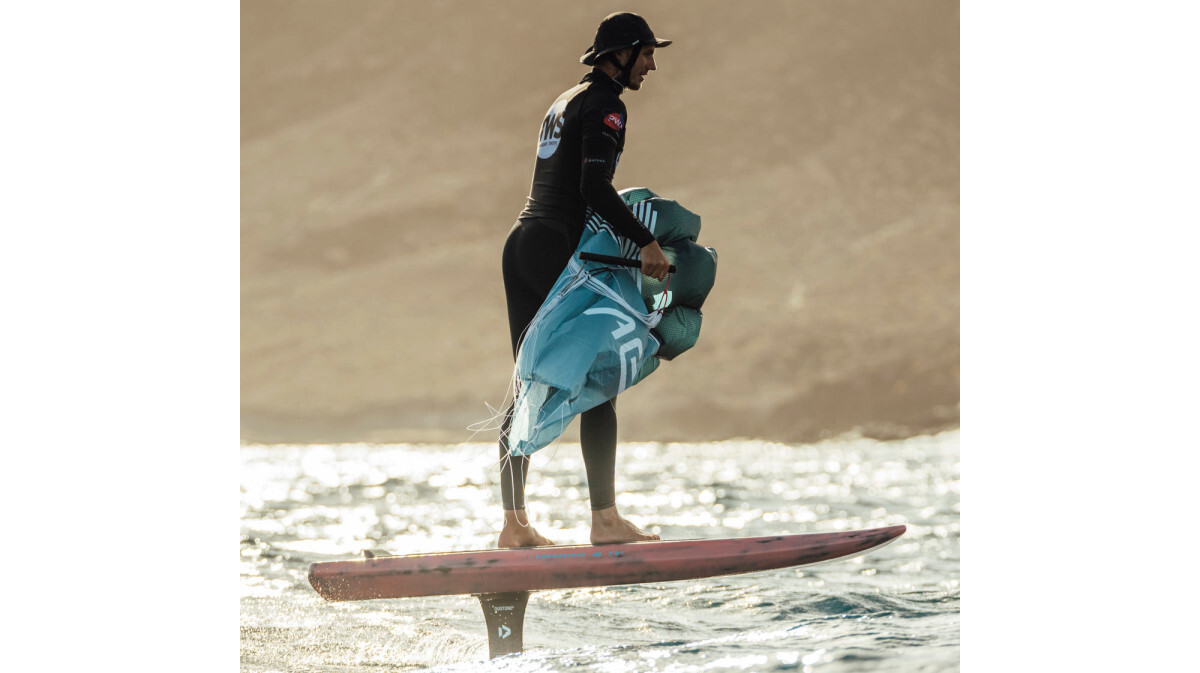
The canopy, as we mentioned, is a heavier 3x3 ripstop polyester. It does resist absorbing moisture, so it's not going to turn into a soggy mess when you dunk it, and it's also less likely to stretch out over time. But it isn't as lightweight as some higher-end sails. That's not an issue in winds strong enough for foiling, but the issue comes in for those who want to pack it in a stash belt while riding. It wads up fine for catch-and-release riding, and it's easy to pull in from either the A or the A and B lines, but that stiffer material just doesn't pack down as small for stuffing it into your pouch.
Is the Aeryn P1 Parawing Worth It?
The Aeryn P1 has some features that are normally reserved for more high-end parawings, and those definitely show in its performance. While it's not a high-performance wing, it does have an excellent wind range and upwind ability, and the price makes this accessible to most riders. If you're not sure if parawinging is for you and you don't want to invest a lot of money to try it, but you don't want a cheap wing that's going to turn you off to the sport for sure, the P1 is a great option that will really let you experience what parawinging is about.
Overall, this is a great parawing whose characteristics match its target audience very well, even without considering the price. But when you do take the price into account, it's one of the best bangs for the buck out there.

MACkite Subscription Links:
YouTube | Instagram | Spotify Oddcasts
Contact MACkite Below:
800.622.4655 | Kiteboarder@MACkite.com | LIVE Chat Messenger
Recent Posts
-

Reedin SnackPack | Why Kiters Are Calling it the Funnest Board in Years!
At the 2025 King of the Great Lakes event on Lake Michigan, the MACkiteboarding crew got an early …20th Mar 2026 -

Airush Ultra Team V5 Kite Review
The Ultra Team V5 from Airush takes the concept of kite foiling efficiency further, introducing a …19th Mar 2026 -
2026 F-One UHM Mast, T2 Connection, SK8 V3, and Eagle V2
The 2026 F-One hydrofoil lineup introduces meaningful upgrades aimed at improving stiffness, effic …11th Mar 2026