
Parawing Knowledge Center
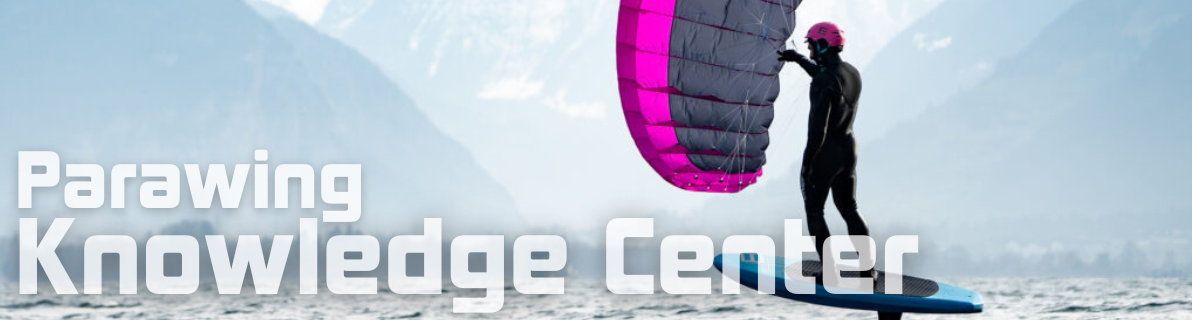
Explore the latest crave in wing foiling — parawinging. Explore techniques, reviews, safety tips, and more.
The Ultimate Guide to Parawing
Get ready to expand your quiver. Parawinging is a natural progression choice for experience wing foilers. Learn the latest tips and tricks, reviews, how-to's, and more from the MACkite Wing Foil Team.
Parawinging Explained
So, what is parawinging anyway?
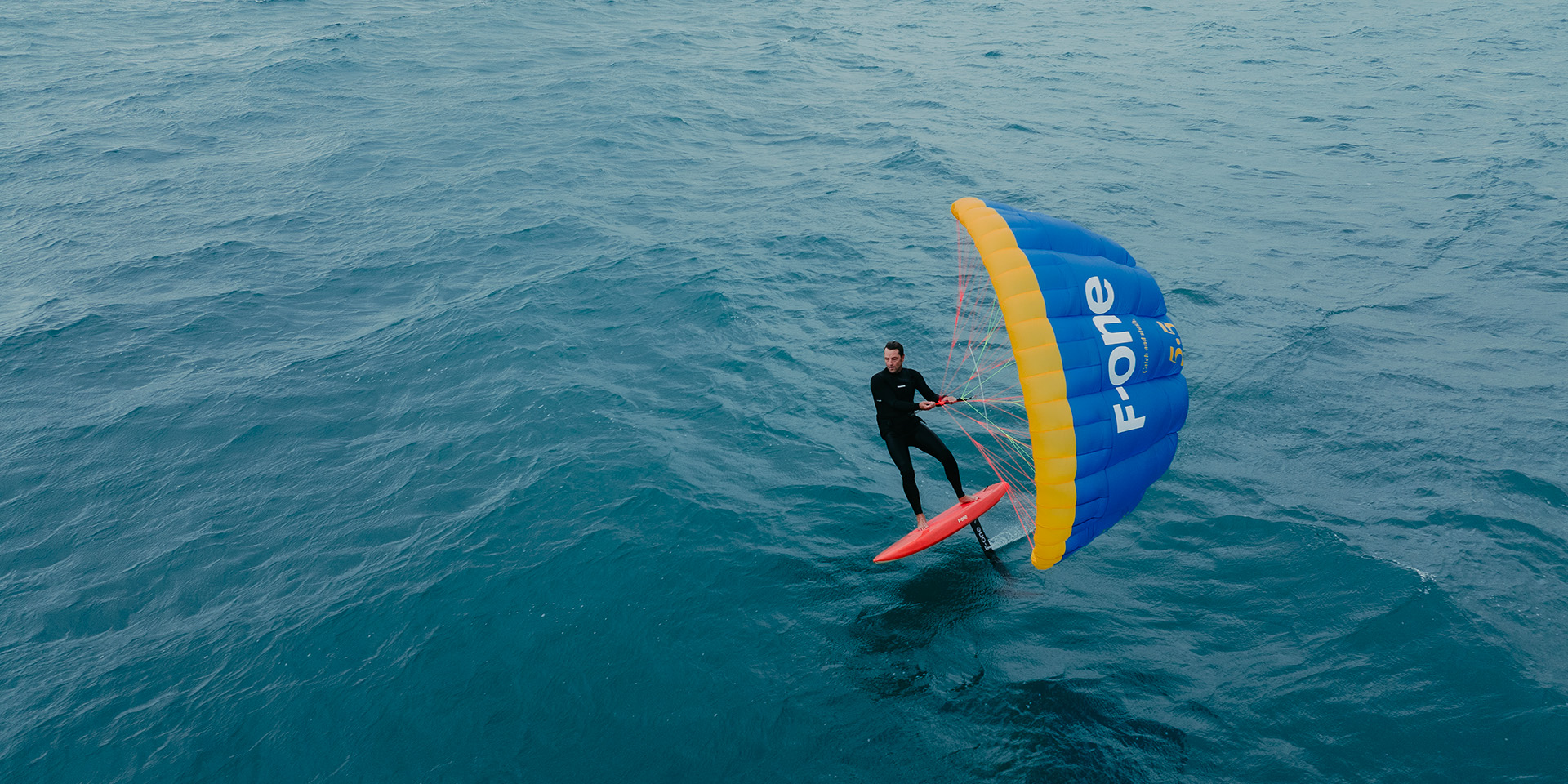
A parawing (otherwise called a "hand kite") are soft, small foil kites on short lines that can stow away easily, let you surf or foil as normal, and then deploy when you need it. The benefit? Less drag compared to riding with a regular wing. It's more technical than a regular wing, and we recommend to start parawinging only when you're able to ride in near any condition. Like all sports, there's a learning curve, and you need some specific conditions to fully progress.
Who's Parawinging For?
Like we mentioned, it's really designed for prone (surf) foilers who don't want to waste their energy on getting to their next set. But, there's a lot of crossover that works for downwind SUP and kite foilers as well. It's even becomming common practice for wingers to carry a parawing during their downwind runs.
Even our own team had struggles. As Tucker put it, "I've ridden massively overpowered, small wing boards, small foils, and that's how I kind of learned, but it was hard. It was definitely physical, grueling...it's hard to to control that power. You're on the verge of chaos the entire time.
Benefits of Having a Parawing
We've found some significant benefits in adding a parawing to our wing foiling quiver. Some of them are:
- More freedom in the waves
- Less drag from a big wing
- Good for prone, downwind, and SUP foilers
- Super compact stowing capacity
- Able to bring multiple sizes with you on the water, unlike wings or kites
In fact, more riders are mixing their riding game with Foil Drive and parawings to get the most out of their sessions. (If you want to learn more about Foil Drive, check out our Foil Drive Buyer's Guide!)
Next: Gear Basics | Back to top
Related Resources
Check out these helpful guides:
Parawinging in Small Waves | The Future of Foil Sports | Read all parawinging articles
Parawinging Gear Basics
Parawing Sizing
Parawings come in many sizes, from 1.5m to 7m. Chances are, you're looking for your first parawing. What size should you go with?
Just like choosing a wing or kite, your first parawing size is likely dependent on many factors, including:
- Level of foiling experience
- Rider weight
- Local conditions
- Existing gear
We find that most riders start in the 3-5m range. Generally-speaking, if your conditions are 15-25 knots and you're an average-sized rider, you'll likely reach for a 4 or 5m. If winds are higher, go a size smaller. If you're a newbie, go for a slightly larer size to avoid being overpowered.
Since parawings often have more power and require amped conditions, we recommend you talk to an expert before purchasing! Not to toot our own horns, but we happen to know a thing or two about having the wrong size on the water. Learn from our mistakes!
Do you need more than one?
If you're looking for the most versatility in your session, having an extra wing is not a bad idea. For example, say you need to ride upwind after a long downwinder, you might want to pack a smaller wing in addition to your normal size.
Beginner Buying Tips
There's more to parawinging than just the wing. What about the board? The foil? Below are some general rules to get started:
- Size up your board's volume and width for extra flotaation and stability
- Opt for a mid-length board, unless you're in light conditions
- Size up your foil for easier liftoff; if you have a mid-aspect foil, try 1200-1300cm2
Next: Safety Tips | Back to top
Related Resources
Check out these helpful guides:
How to Build a Parawing Quiver | Parawing Board & Foil Sizing | Read all parawinging articles
Parawinging Safety
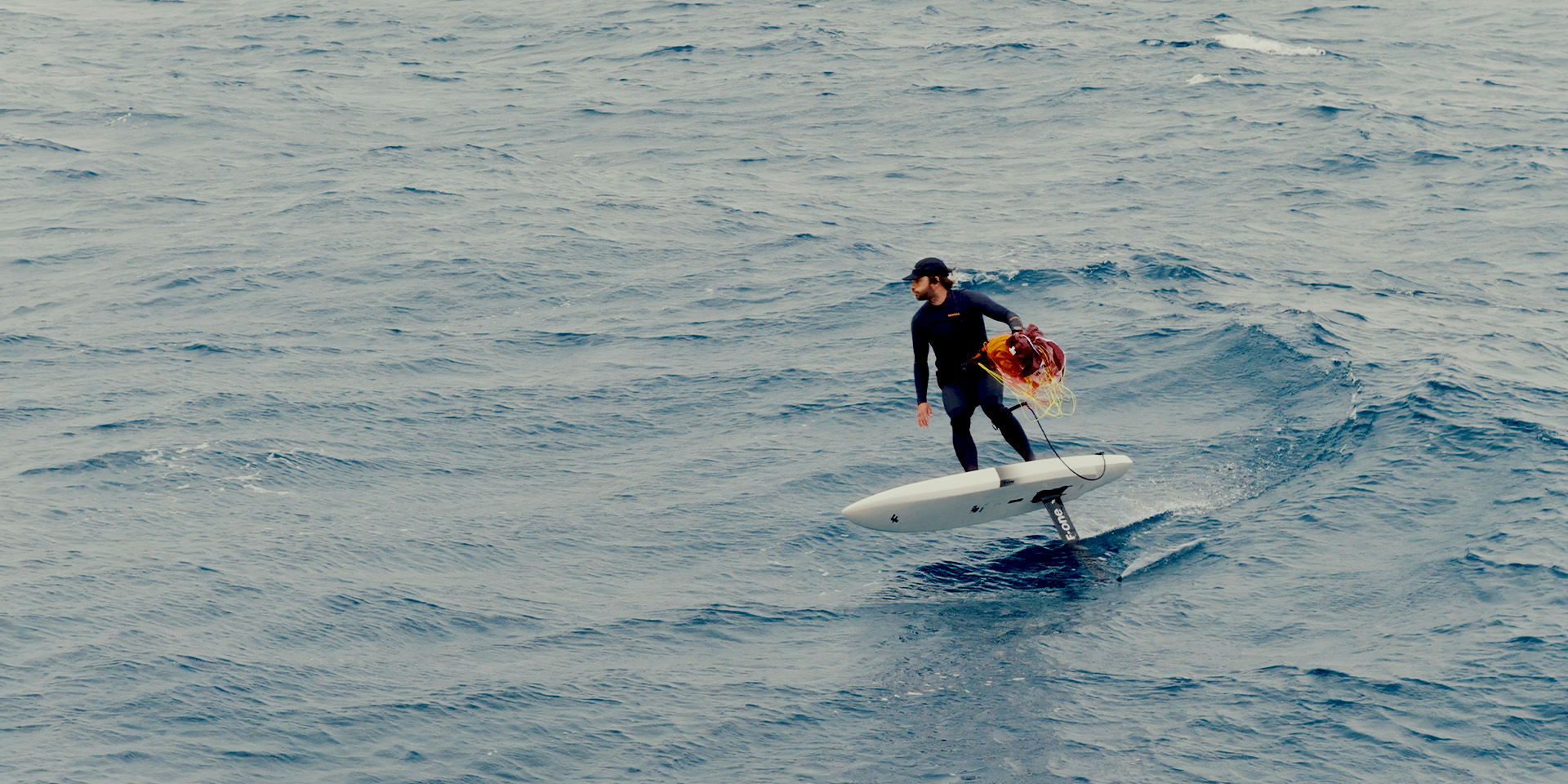
We've had our own unfortunate parawinging incidents, even as experienced wingers. They're not fun, but we've learned a few things along the way. As a reminder, parawinging is for advanced riders.
Here's what we've learned along the way:
- Wear a floatation vest. Parawings don't float like wings do, and if you lose your board, you're out of luck.
- Focus on shorter tacks. You'll stay closer to shore if you need to bail.
- Don't ride alone! As we mentioned, windsports don't need lone wolves.
You'll also want to make sure to wear a helmet, your board is floaty, have a board leash, and wear the proper gear for your conditions. That means you could wear a wetsuit, mittens, a harness...you name it.
Next: Progression Tips | Back to top
Related Resources
Check out these helpful guides:
How to Improve Light Wind Foiling | Using a Harness & Line for Easier Parawinging | Read all parawinging articles

MACkite's Tips for Progression
If you're still in the thick of learning how to utilize parawinging in your setup, let these helpful tips be your guide:
- Riding overpowered mostly leads to downwinders and makes it more difficult to tack back upwind. If you're just starting out, try a larger, mid-length board and a larger foil for easier lift-off.
- Before you go on the water, open the parawing on the beach. You'll be able to tell conditions easier and find the proper size.
- Keep your parawing at around 30-degrees downwind for building speed.*
- Try to start your first sessions on flat water with a moderate amount of wind. Avoid waves and swell where possible.
- Don't get frustrated! You're on a new learning path, and you'll get better each time. We still find ourselves making rookie mistakes from time to time!
*This is recommendation is subject to your parawing and the style of board you're on. You might need to adjust your angle and direction slightly.
Related Resources
Check out these helpful guides:
F-One Frigate Wing Review | Omen SuperMarine 120L Board Review | Read all parawinging articles

Parawing FAQs
How do I throw a parawing?
When you're first practicing how to launch, we recommend you start on the beach. While seated, place the bar under your leg, grab the leading edge with your dominant hand, and throw out the power. Once you feel comfortable and are out on the water, try this method again while seated on your board. Then, you can transition to standing up and pumping. Ensis has a Learn to parawing video that is a good starting point.
What makes a parawing different from a trainer kite?
A parawing's lines are very short. This allows for easier launch and more control. Since a trainer kite's lines are longer, you're at greater risk for tangling. We recommend you keep the trainer kite on land.
How do I care for my parawing?
Like any piece of equipment, proper care is essential to keep your gear lasting. We suggest the following:
- Dry your wing after foiling
- Make sure you pack properly to avoid line tangles. Ensis has a great guide to folding your parawing
- Always check for wear or rips after your session and make repairs as necessary
Stay Connected