
Who Should Use Kite Boots and Why
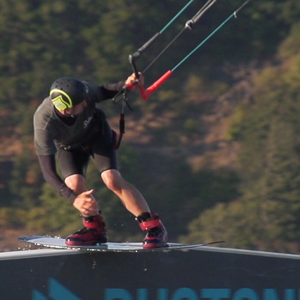
Should I use kiteboarding boots? This is a common question among new kitesurfers. After all, most of the pro riders use boots. Funny thing is, it's not that common on the beach. This is because shops are hesitant to recommend boots to a new rider. This is for good reason; it is best to learn in straps. That said, for some making the switch boots might actually be a fun idea. For example, Tye is a semi-pro street snowboarder and a decent wakeboarder making the crossover. I was surprised to hear that he was discouraged from using boots!
Once he had the kite basics dialed like riding upwind and relaunching his kite, we got him in boots right away. For Tye, this really helped him bridge the gap between his other sports and excel quickly at kiteboarding. I also made the switch early on. For me, I spent two months learning in straps before I switched over to boots. I recognized the benefits for freestyle immediately. Also having a background in snowboarding, the transition just made more sense to me and helped me progress.
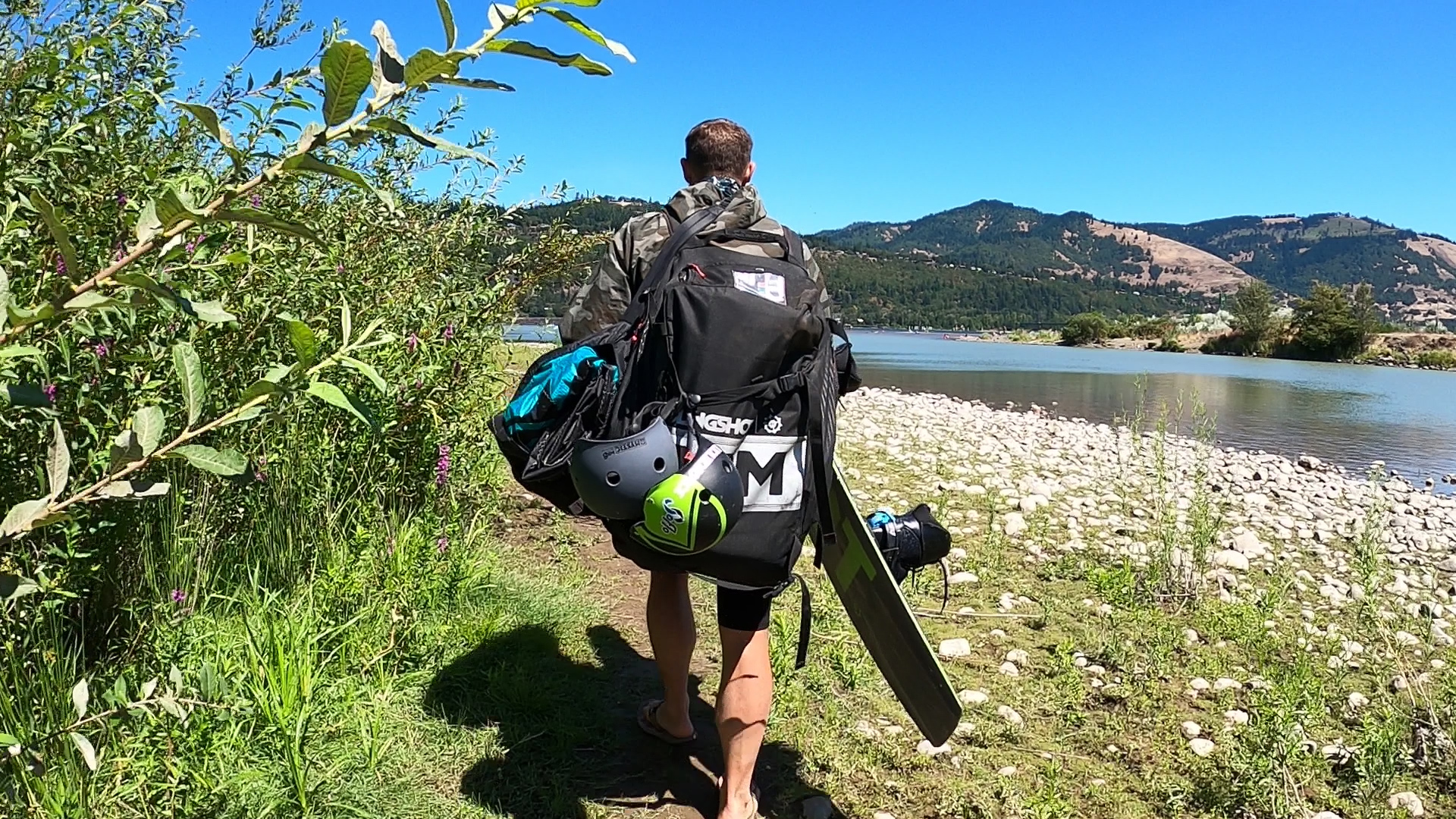
The reason boots made sense to Tye and myself is one part our background and one part our goals in kiteboarding. We are both aspiring to excel in park and freestyle riding where boots make the most sense. If someone simply wants to boost and do kiteloops or dark slides there is no need. That said, if you want to ride boots there is no reason you shouldn't!
Who Should Use Boots
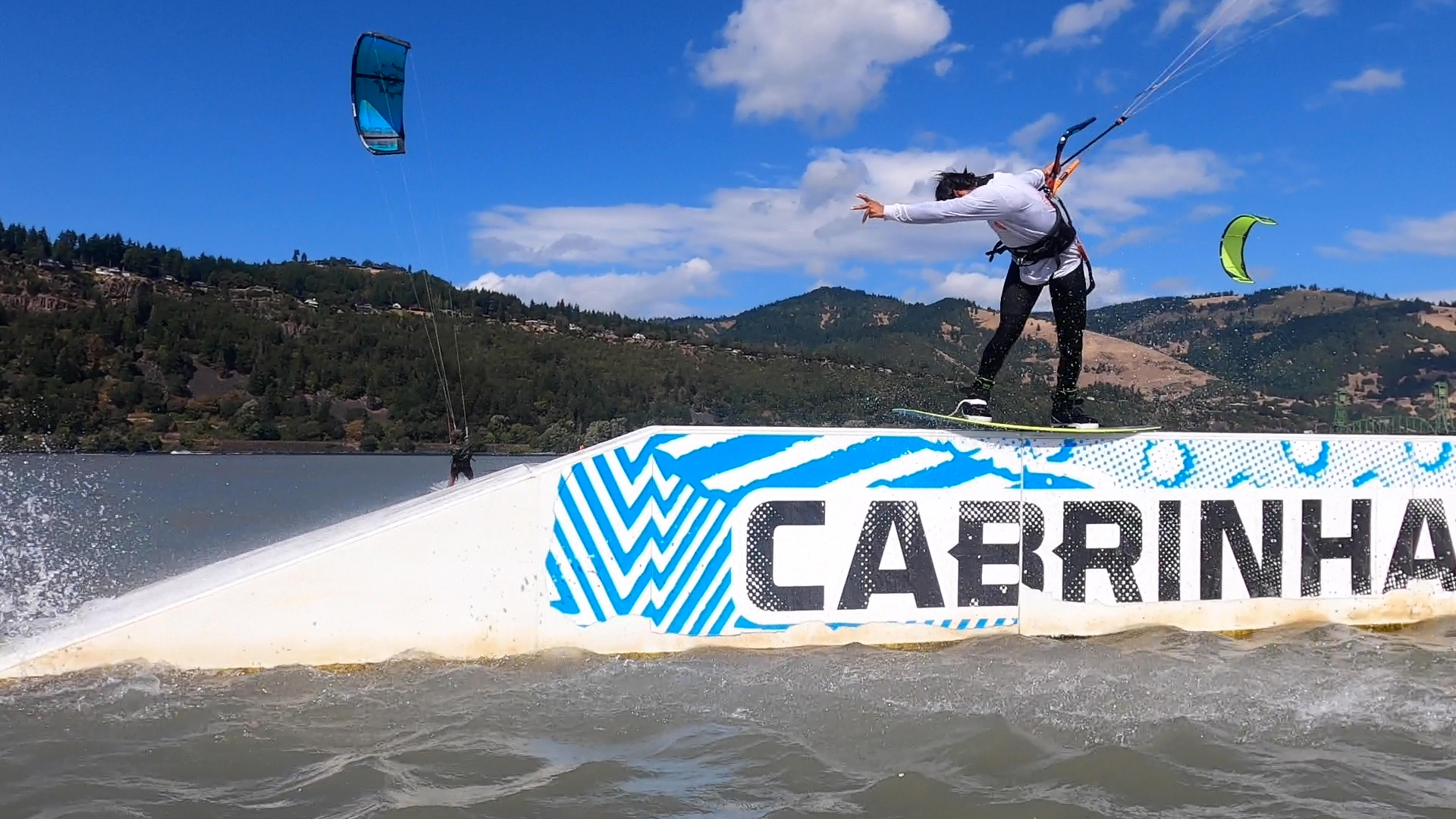
My take is anyone who wants to should. Bear in mind, unless you are using Vadatec step-in boots that have a release, the edge catch can be rough. With that out of the way, anyone with a wake or snowboarding background should give boots a try. It will feel a lot more like your sport and help with some of that muscle memory. Anyone who is interested in unhooked riding especially should consider boots. They lend themselves to powered riding and more control on landings. If you want to jibe things like kite features or other more naturally-occurring obstacles in the water, they are ideal as well, whether grinding a pier, a dock, or a fallen tree. Anyone interested in powered riding would enjoy boots.
When to Make the Crossover
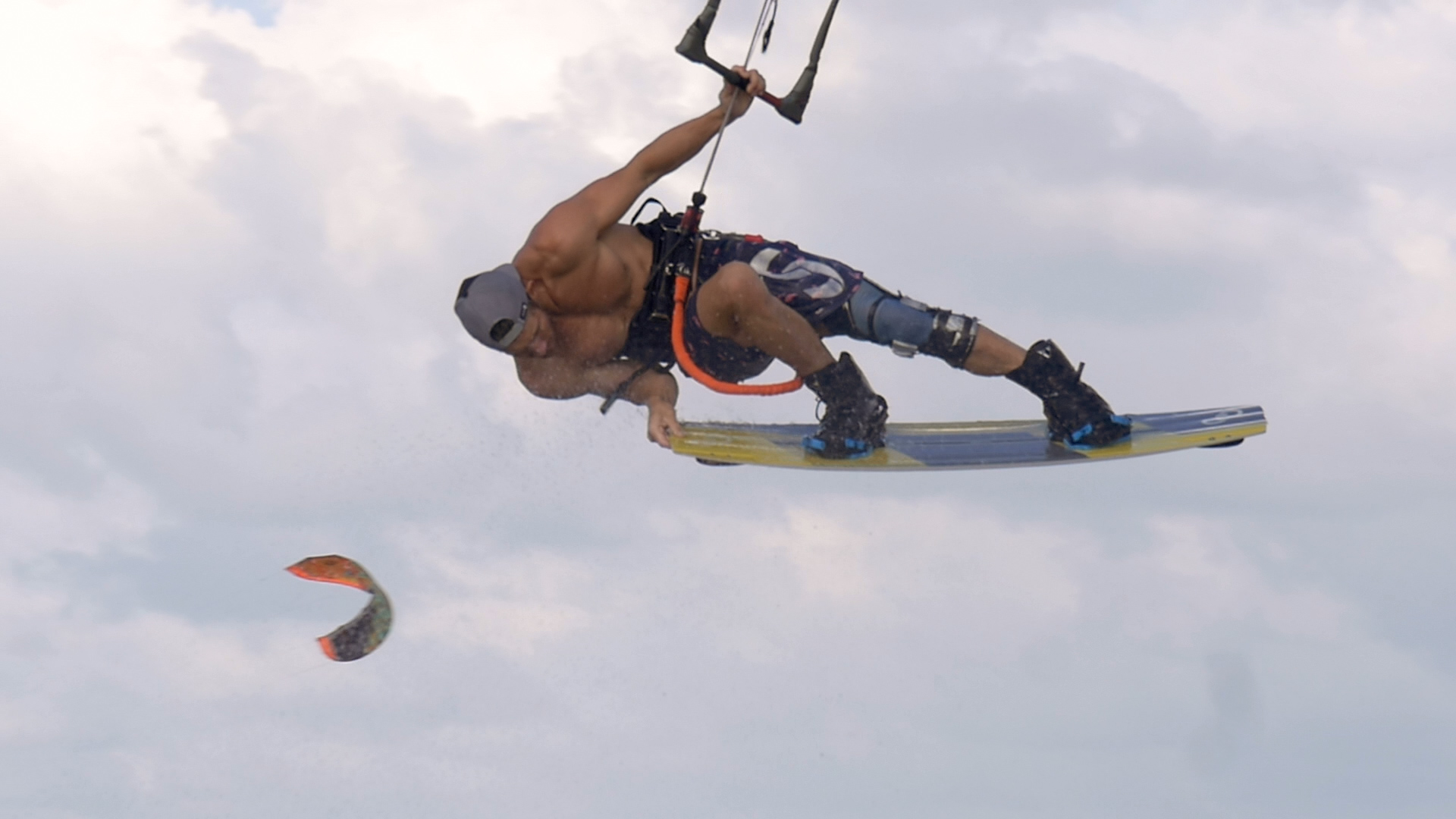
This is going to be different for every individual. It might be a month, it could be a year. Once you can ride upwind in a variety of wind conditions from light to strong and re-launch your kite easily in deep water, you should be ready to make the switch. Kite control for some basic tricks like backrolls and frontrolls are also ideal. One point of consideration is that you need to have core strength. In a crash it's easy to get stuck on your stomach while the kite is pulling you forward. You'll need to have a little strength to rotate back around.
 Ryan (Rygo) Goloversic
Many people dream of quitting their job, traveling the world and pursuing their passions. Rygo is one of those people who pulled the trigger. A few years into his career, he decided to change everything and travel as a kiteboarder, freelance videographer & writer. His mission is to share the stoke & help people put the boarding into their kiteboarding. Get outside and kite!
Producer of: Ride with Blake I Sessions I Versus I Destinations I Foil Fridays
Recent Posts
-

Aaron Hadlow Interview: Big Air, Harlem Kites & Kiteboarding Evolution
From 10-Year-Old Beginner to World Champion Rubens: What's up, guys! It's the Brazilian Brothers w …27th Mar 2026 -

Interview with Stig: Big Air, Naish Loyalty & Life Beyond Kiting
Rubens: What's up, guys? It's the Brazilian Bros from MACkiteboarding, and today we've got a very …26th Mar 2026 -
One Board, Every Session | Why We're Stoked on the Omen Emissary
If you've been searching for a single board that can handle light-wind winging, parawinging, prone …25th Mar 2026