
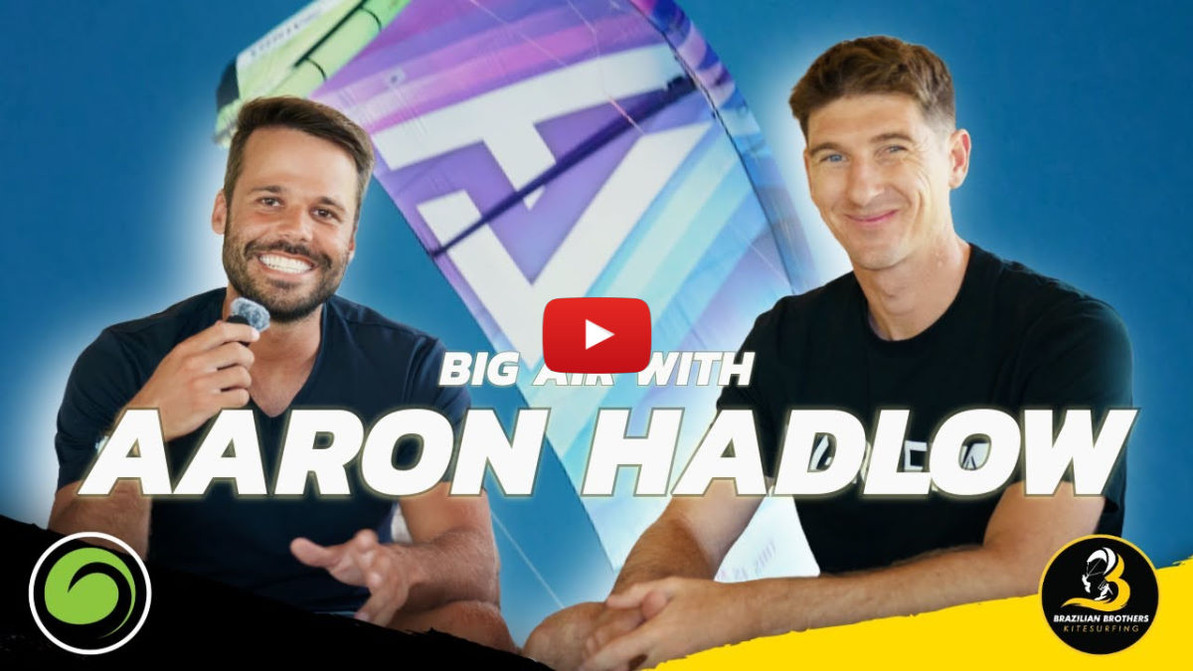
Aaron Hadlow Interview: Big Air, Harlem Kites & Kiteboarding Evolution
From 10-Year-Old Beginner to World Champion
Rubens: What's up, guys! It's the Brazilian Brothers with MACkiteboarding, and today we've got a very special guest... none other than Aaron Hadlow. We're here in Tatajuba, Brazil, and we're going to pick his brain about Harlem gear and his journey through the sport.
Aaron, let's start from the beginning: how did you get into kiteboarding, and how did that turn into world titles and King of the Air wins?
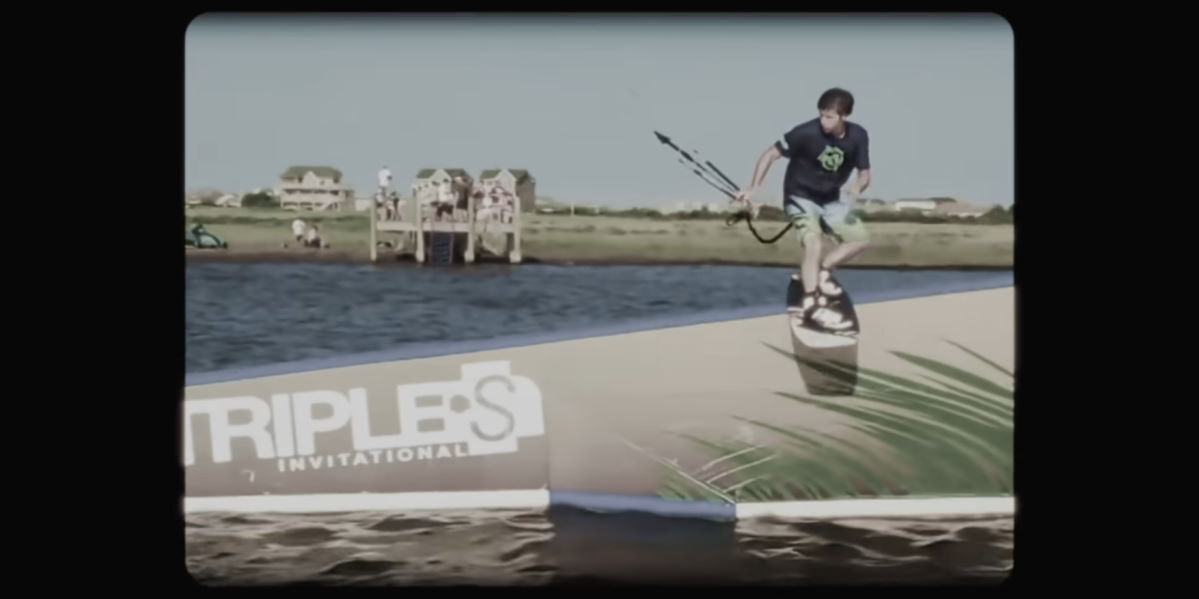
Aaron: It's a long story, but I'll keep it short. I started when I was 10 with my dad. He was a windsurfer and got into kiting in the late '90s, back when it was pretty wild. The first inflatable kites were two-line and honestly pretty dangerous.
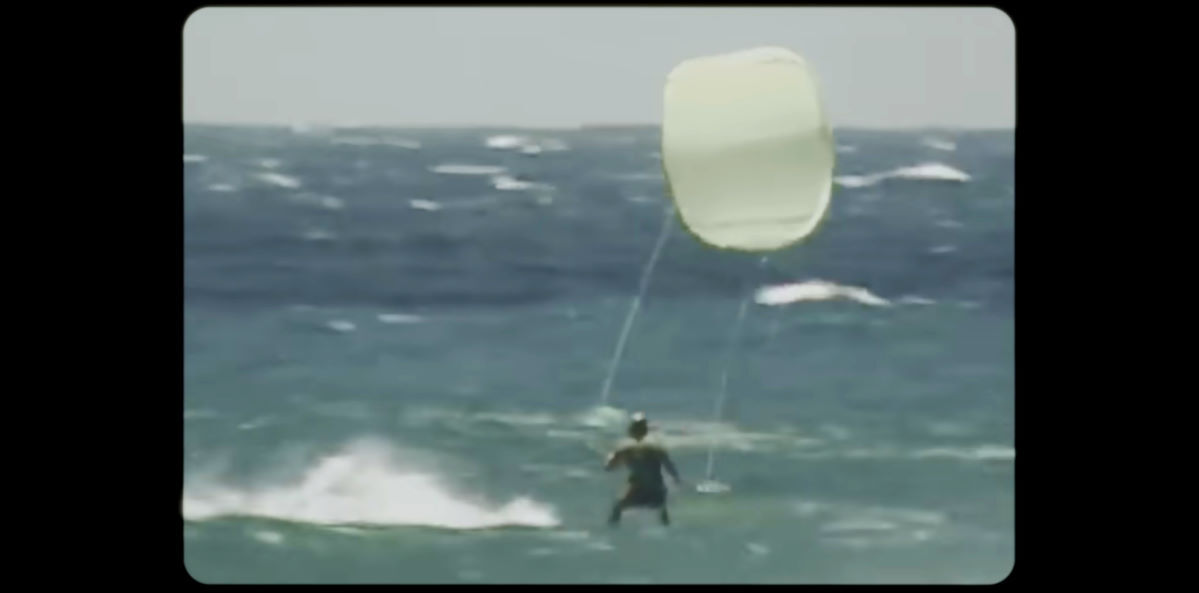
I picked it up quickly. Within three years, I'd gone through the UK competition scene and made it onto the world tour. I won my first world title in 2004 and then five in a row.
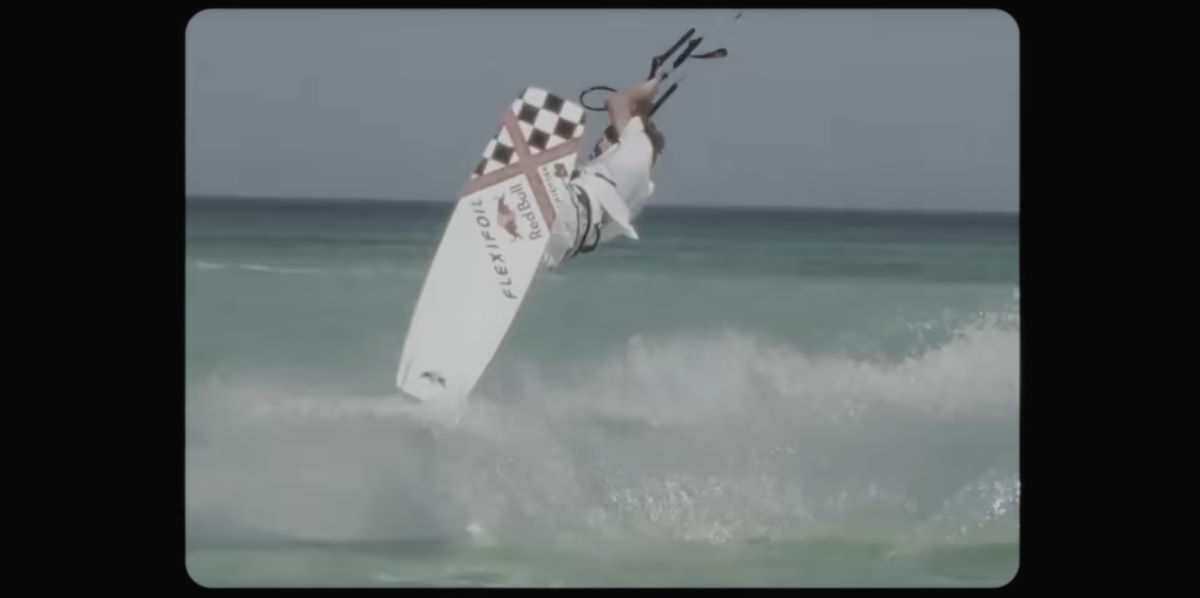
After that, I shifted into freeriding and video projects because I needed a change. Later, big air came along, which extended my career. I've always loved it, even as a kid riding with Ruben Lenten. These days, I'm also focused on developing the best gear possible.
Freestyle to Big Air: A Natural Transition
Rubens: You dominated freestyle and then transitioned into big air. How did that shift feel? Did freestyle help?
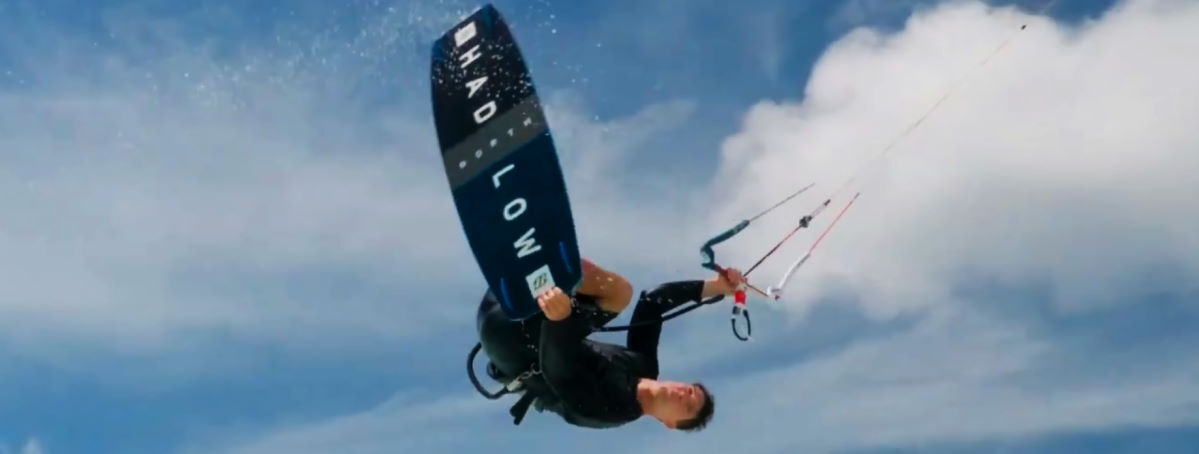
Aaron: Definitely. Freestyle gives you insane kite control and board skills, especially from the early days when gear wasn't as forgiving.
The transition was natural. I was getting older, new riders were coming up, and freestyle was hard on the body. I had knee injuries, so big air made sense. It has fewer crashes overall, even if the risks are high when you do crash.
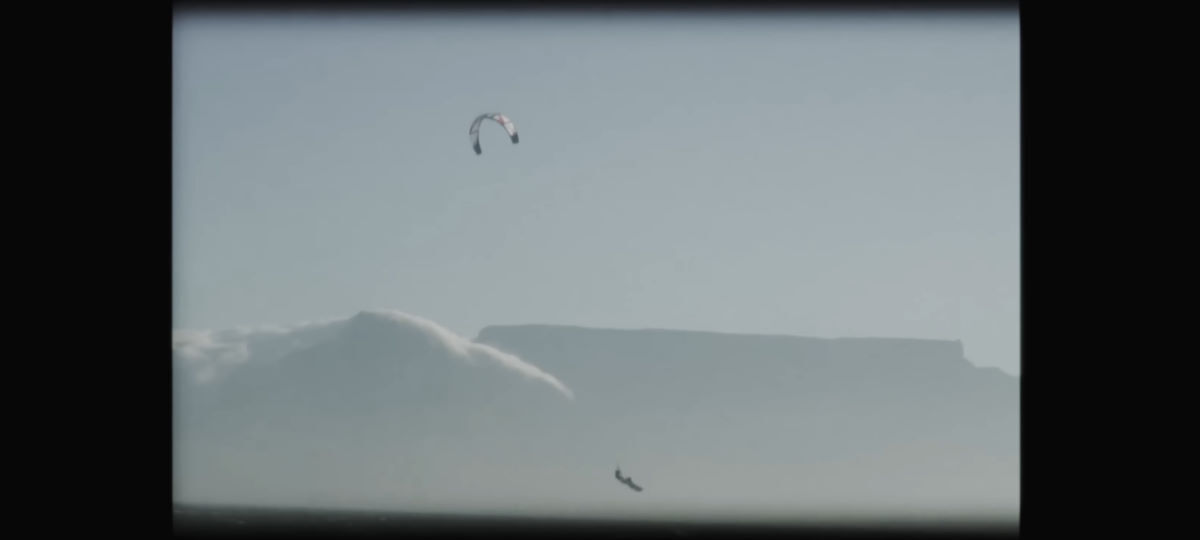
I've always tried to follow where the sport is going. Being part of the early big air scene again was exciting. And it's cool that I can still ride with the younger guys and hold my own.
How Kite Gear Has Evolved
Rubens: You've seen the evolution from C-kites to modern designs. What stands out most?
Aaron: The biggest shift was when kites became flatter, what we called "bow kites". That introduced massive depower and made the sport way more accessible.
Back in the day, learning something like a kiteloop on a C-kite took full commitment. Now, with smaller, faster kites, you can build up to it progressively.
The improvements have been huge. You might not notice it year to year, but over 3–5 years, it's massive. Recently, innovations from Brainchild Production, especially in weight and construction, have been a big leap forward, and that's a big reason I moved to Harlem Kitesurfing.
Joining Harlem & Working with Ralf Groesel
Rubens: You worked with Ralf Groesel for years. What led to the move to Harlem?
Aaron: It wasn't an easy decision. I had an amazing 10-year run working with Ralf, starting with the Vegas and then expanding into other models.
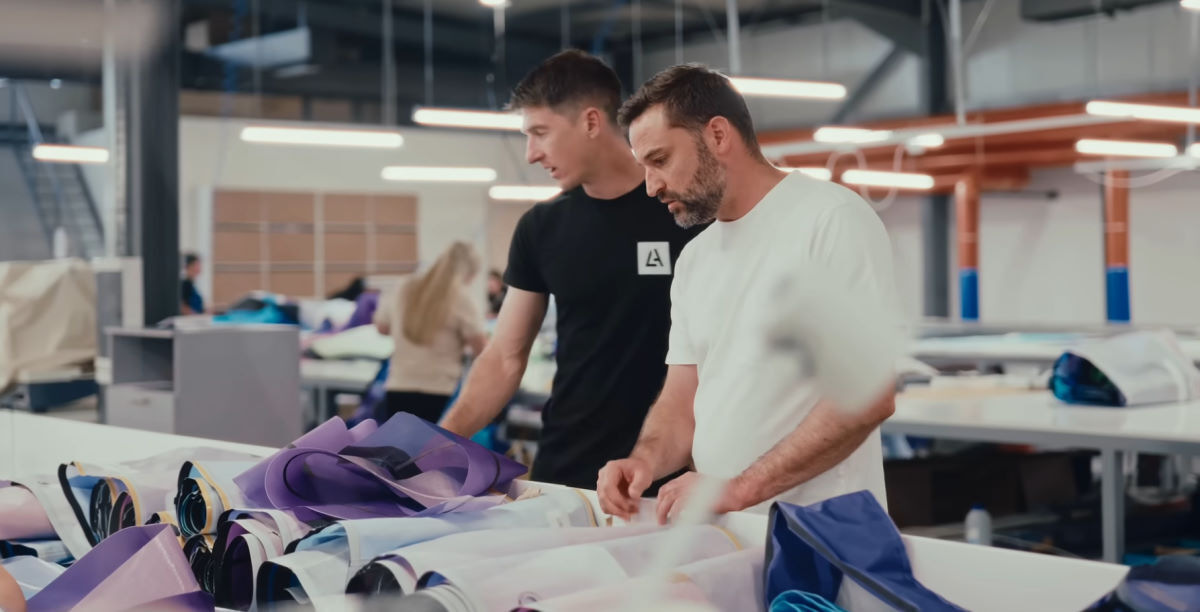
When he moved on, I had to decide whether to build that same connection with someone new. But I believed in his vision, especially with the factory and what he was building.
At Harlem, I can have more influence, be hands-on with product development, and really shape things. A year in, it's been a great move.
Harlem Thrive: The Do-It-All Kite
Rubens: Let's talk about the lineup. Starting with the Thrive, who is it for?
Aaron: The Thrive is our go-to, all-around kite. It's super easy to use, forgiving, and works in all conditions.
We designed it to be consistent across all sizes from 6m to 17m, with light bar pressure, good depower, and accessible performance. Beginners can learn on it, intermediates can progress, and even pros can compete on it.
It's all about progression.
Harlem Peak: Built for Big Air Performance
Rubens: And the Peak? There's a lot of buzz around it in competitions.
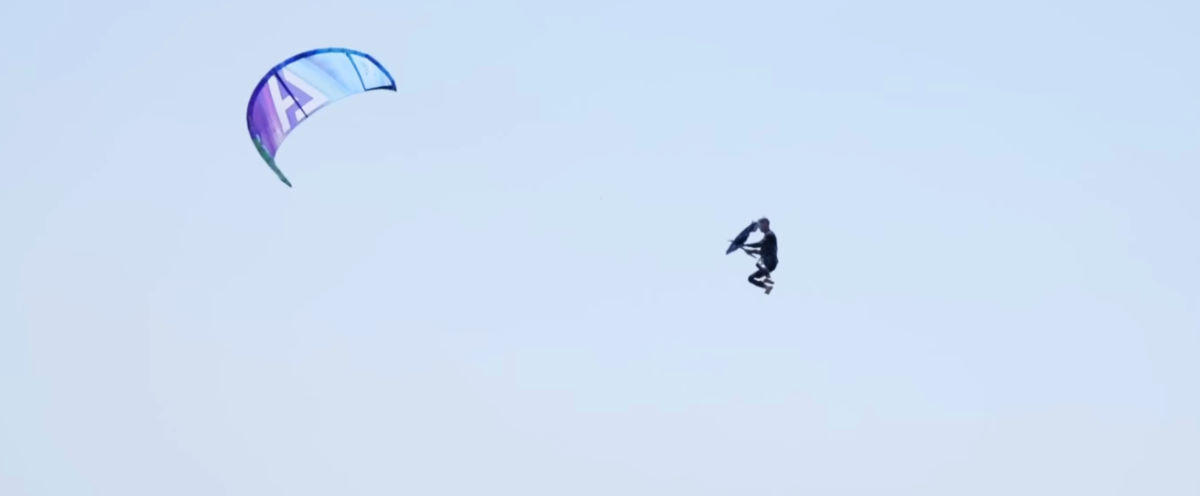
Aaron: The Peak is more focused on pure big air. It's a five-strut design with a more progressive turning arc, which gives you smoother, more controlled loops.
It has more bar pressure and a pulley bridle system, which gives you better connection, especially when overpowered. That means more speed, more control, and better timing for takeoff.
It really bites into the wind, giving you a super vertical lift. That's key for control in the air, whether you're doing board-offs or committing to loops.
You also get a strong second lift and quick catch. But like all our kites, it still has to be usable for everyday riders, not just pros.
Looking Ahead: What's Next for Aaron Hadlow?
Rubens: You've won everything, so what's next?
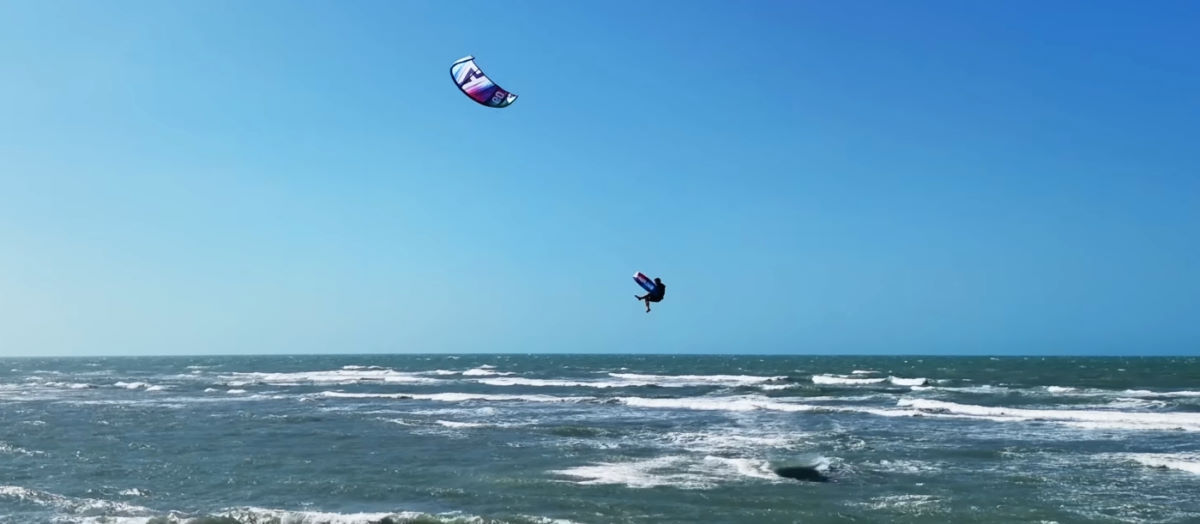
Aaron: I'm still super competitive, both on the water and with product development. My main focus now is helping build the best gear possible with Harlem.
I'm doing fewer competitions, but I enjoy mentoring younger riders, coaching, and working on video projects. I've also got a new freestyle project coming soon to help push that side of the sport again.
There's a lot in the works... I'm excited to see where it goes!
Final Thoughts
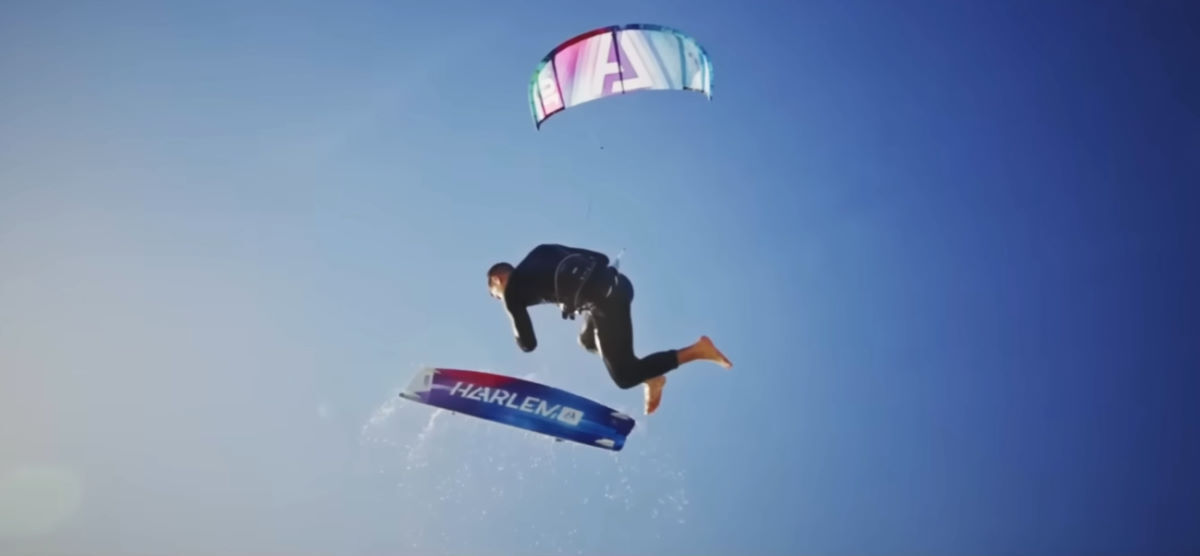
Rubens: Aaron's a legend. Super accomplished and incredibly down-to-earth. It's been awesome chatting with him. And you heard it here first: a freestyle project is on the way, so stay tuned!
Thanks for watching- ciao!
MACkite Subscription Links:
YouTube | Instagram | Spotify Oddcasts
Contact MACkite Below:
800.622.4655 | Kiteboarder@MACkite.com | LIVE Chat Messenger
Recent Posts
-

Aaron Hadlow Interview: Big Air, Harlem Kites & Kiteboarding Evolution
From 10-Year-Old Beginner to World Champion Rubens: What's up, guys! It's the Brazilian Brothers w …27th Mar 2026 -
Interview with Stig: Big Air, Naish Loyalty & Life Beyond Kiting
Rubens: What's up, guys? It's the Brazilian Bros from MACkiteboarding, and today we've got a very …26th Mar 2026 -
One Board, Every Session | Why We're Stoked on the Omen Emissary
If you've been searching for a single board that can handle light-wind winging, parawinging, prone …25th Mar 2026