
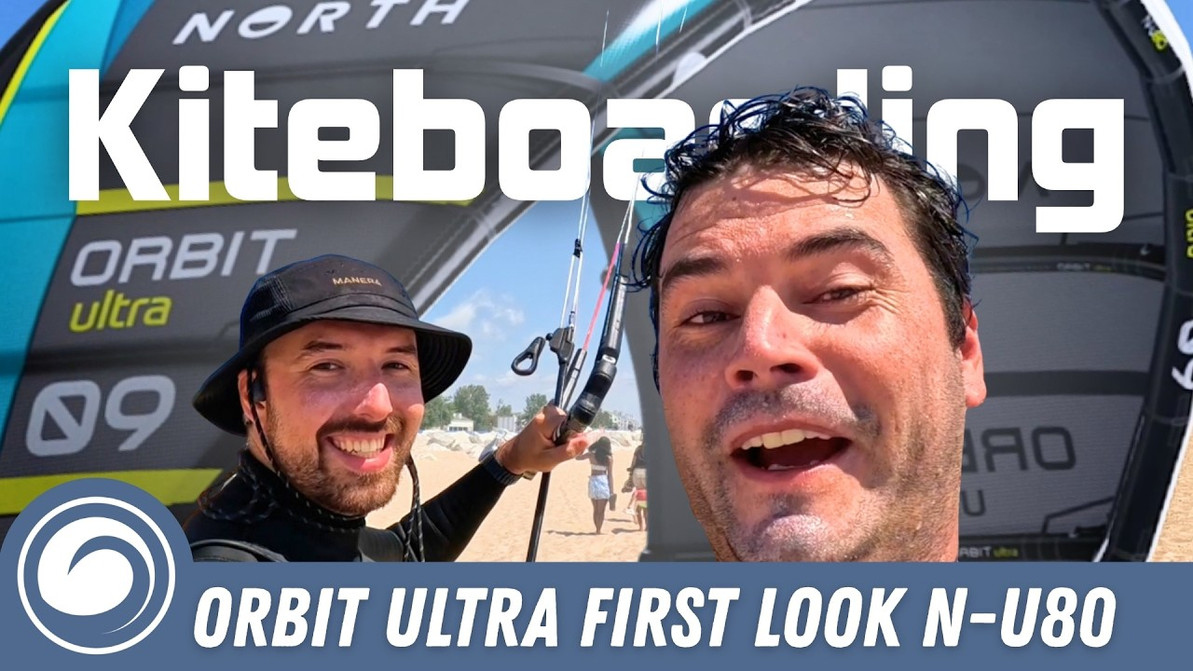
2027 North Orbit Ultra First Look: Testing the N-u80 Material
Pat from North Kiteboarding and Dustin are out testing the all-new 2027 North Orbit Ultra. After getting some time on the water, they break down the technology and performance of this new addition to the North lineup.
First Thoughts on the Orbit Ultra
Dustin's initial impressions of the Orbit Ultra were very positive. He noted that the kite is stable and offers a lot of low end for a 9-meter, which he found impressive. He also mentioned that the kite has quick loops and provided a high level of confidence while riding.
N-u80 Proprietary Material
The standout feature of the Orbit Ultra is the new proprietary material called N-u80. This is an Ultra PE fabric that North developed by going back to the drawing board with their kite designs and material basis. They wanted to formulate a material specifically made for kites and designed around how their designers want a kite to fly.
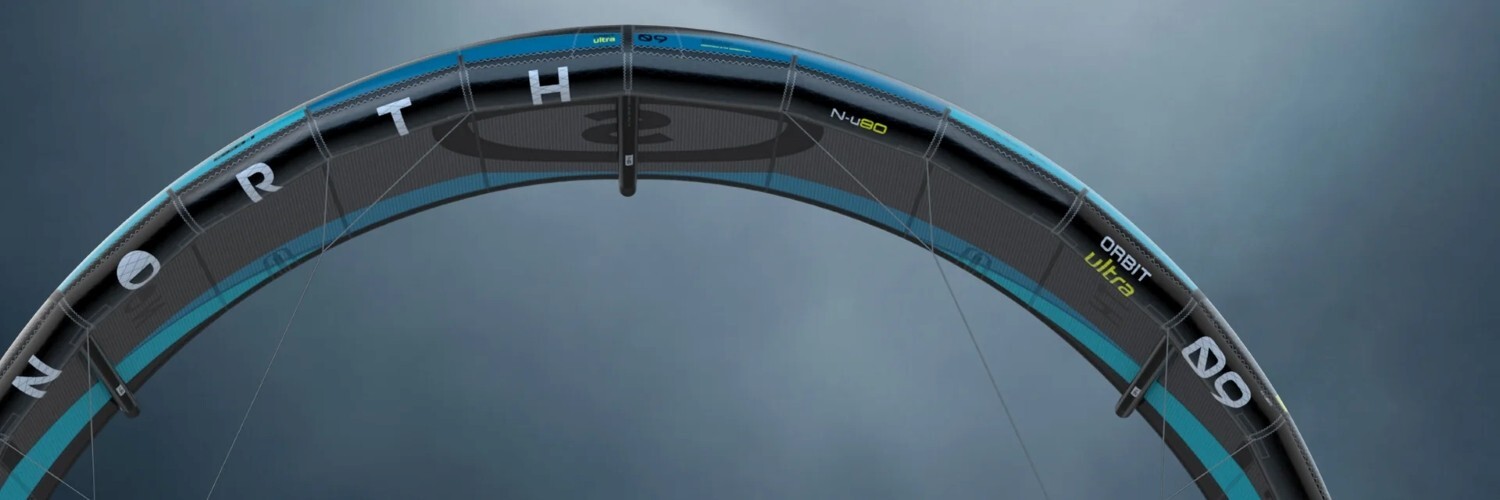
The "80" in N-u80 stands for 80 grams per square meter, which is the weight of the material itself. That makes it very comparable to Aluula in terms of weight. There are some key differences in the construction, though:
- It's a full woven material rather than a laminate.
- The full woven construction allows for a little more flex than Aluula, though it isn't as flexy as standard Dacron.
- It offers a big improvement in durability and longevity. Because it's a woven exterior, the weave takes the full load rather than relying on an external laminate for structural rigidity.
Who Is the Orbit Ultra For?
The Orbit Ultra is designed for the rider looking for a step up in performance. It takes all the DNA developed over the years for the Orbit and takes it to the next level. Because the material allows for a smaller leading edge, you get:
- Faster recovery.
- Faster flying.
- A more reactive feel.
Wind Range and Boosting
When comparing the Ultra to the standard Orbit, you can expect a bit more on the low-end side due to the weight reduction of the material. It isn't an earth-shattering gain in low end, but it's a noticeable advantage in light wind. You also get higher boosting because the kite is flying and climbing to noon faster.

Firsthand Experience on the Water
Dustin, who weighs between 180 and 190 pounds, tested the 9-meter in Michigan during a session with winds blowing 20 to 23 knots in the gusts. Even at the lower end of the wind range for a 9-meter, he felt more confident on the Ultra than the standard Dacron Orbit. He described the kite as reactive and quick with light bar pressure. It checked all the boxes for a high-end kite, performing well for darkslides and kite loops even in sub-optimal wind conditions.
The team is excited to get the Orbit Ultra out in even bigger winds — specifically in the 25 to 30-knot range— to see what the kite is truly capable of. After many iterations of development, North is ready to get this kite out to the public.
The MACkite Take
The Orbit Ultra is North's high-performance answer to the Aluula-materials arms race, but they went a different direction with a proprietary woven Ultra PE material called N-u80. The material choice changes both the ride feel and the long-term durability story compared to a laminate-based Ultra kite.
- N-u80 is a proprietary woven Ultra PE at 80 g/m². Aluula weight, but different construction. Because it's woven rather than laminated, the weave itself takes the structural load — which North says translates to meaningfully better durability and longevity than laminate-based Ultra materials.
- Flex profile lands between Aluula and Dacron. A little more flex than Aluula (which some riders find too rigid), but nowhere near standard Dacron's give. That middle ground could hit a sweet spot for riders who wanted Ultra weight without losing all the softness.
- The material enables a smaller leading edge, which is where the ride benefits come from: faster recovery, faster flying, and a more reactive feel. That's the same design payoff pattern we've seen on other Ultra-material kites.
- Low-end gains are modest but real. Not a dramatic jump, but a noticeable advantage from the weight reduction. Higher boosting comes from the same source — the kite climbs to noon faster, which sends you higher.
- Test data point: Dustin (180–190 lbs) rode the 9m in 20–23 knot gusts in Michigan and reported more confidence than the standard Dacron Orbit in the same conditions, plus successful darkslides and kite loops. The team is planning heavier-wind testing in the 25–30 knot range for the full performance picture.
MACkite Subscription Links:
YouTube | Instagram | Spotify Oddcasts
Contact MACkite Below:
800.622.4655 | Kiteboarder@MACkite.com | LIVE Chat Messenger
Recent Posts
-

2026 Cabrinha Unify Control Bar Review
The Brazilian Brothers are in windy Brazil to provide a thorough review of the brand-new 2026 Cabr …23rd Oct 2026 -

Naish Hatch V2 Parawing Overview
Jeff takes a few minutes out from the KoGL event to chat with Adam Carr from Naish about the Hatch …22nd Oct 2026 -

Flysurfer Soul 4 vs Sonic 5: Which Kite is for You?
Jeff is on the beach at KoGL with Marie-Eve from Flysurfer to discuss the growing excitement surro …20th Oct 2026