
Kiteboarding Lessons
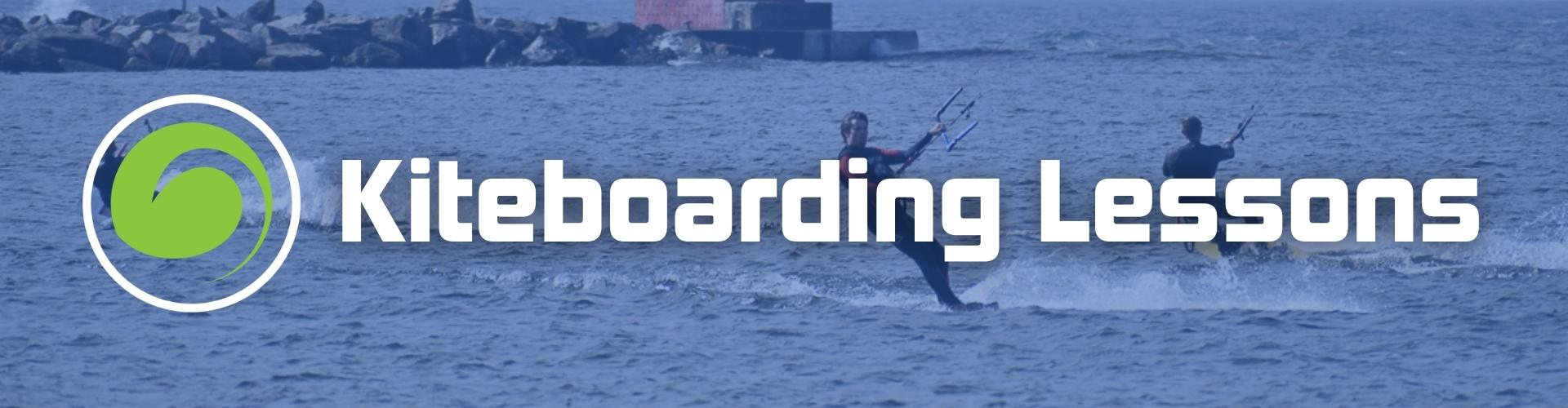
Kiteboarding Lessons in Lake Michigan
We’ve been teaching kiteboarding on Lake Michigan for over 16 seasons, helping riders learn safely, efficiently, and with confidence. Many of our students show up with zero experience. Some are in town for a week. Others drive over from Chicago, Indiana, or Ohio because they want proper instruction. Our goal is simple: teach you the right way, keep it safe, and set you up to become a confident, independent rider.
Lessons take place at the MACShack, our dedicated lesson site on the south side of Pere Marquette Park in Muskegon. It’s reserved exclusively for students, which means less distraction, more focus, and a controlled environment that’s ideal for learning.
We don’t rush lessons or skip steps. Our goal is to make you a confident, self-sufficient rider who understands the wind, the equipment, and how to make smart decisions on the water.
New to Kiteboarding? Start Here
If you're brand new to the sport, your path is pretty straightforward.
Start with a Ground School class. From there, you can move into a Group Lesson once you've built the foundation.
If you're traveling and trying to plan a short window, we're happy to help you map out the right sequence based on the forecast and your schedule.
Types of Kiteboarding Lessons We Offer
Ground School
Best for: First-time kiteboarders with no experience
Goal: Learn how the wind works, how to control a kite, and safety precautions
This is your starting point. You'll learn how to read wind direction, understand weather patterns on Lake Michigan, and build proper kite control with a trainer kite. If there's wind, you'll fly a trainer kite. If there's no wind, you'll still complete the session and take the trainer kite home to practice.
Ground School happens with or without wind and is required before moving into on-water instruction.
Cost: $199 for 1.5 hours
Group Lesson
Best for: Students who've completed Ground School
Goal: Get riding, learn water starts, and begin progressing toward staying upwind
This is where things start to click. We'll cover full-size equipment, body dragging, board starts, and riding fundamentals. You'll work through real-world scenarios and spend time in the water building skills step by step.
The first half of your lesson focuses on:
- Self rescue
- Kite control
- Body dragging
- Board starts
The second half builds toward:
- Water starts
- Improved board control
- Board positioning
We use helmets with waterproof microphones so instructors can coach you in real time, even while you're riding.
Group Lessons are wind-dependent. Please check your phone for notifications about rescheduling due to no wind.
Cost: $299 for 3 hours
Private Lesson
Best for: Riders who already water start or are short on time
Goal: Progress faster with personalized coaching
Private lessons are designed for riders who already know how to ride but need help with more advanced techniques like going upwind or tacks. If you’re looking to progress quickly, this is the ticket. Private lessons give you more personalized instruction and practice time.
Cost: $399 for 3 hours
Additional riders: $150 per person
How Long Does It Take to Learn Kiteboarding?
This is one of the most common questions we get, especially from travelers trying to plan a trip.
Most riders need 20 to 30 hours of combined instruction and practice to ride independently. We usually break it down like this:
- First 10 hours: Trainer kite practice, wind awareness, and kite control
- Second 10 hours: Board skills and water work, including wakeboarding if needed
- Third 10 hours: Putting everything together and learning to stay upwind
If you already snowboard, wakeboard, skateboard, or surf, the learning curve is often quicker.
Ideal Kiteboarding Conditions on Lake Michigan
Lake Michigan offers excellent learning conditions, especially in the spring and fall.
- Water temperature: 50°F and up (wetsuits provided)
- Wind speed: 15 to 20 mph
- Wind direction: Side-onshore, typically NW or SW
Summer tends to have lighter wind, but it’s still a great time to build fundamentals, learn kite control, and progress with the right expectations.
Traveling to Learn Kiteboarding?
We regularly work with students visiting from Chicago and across the Midwest. If you’re in town for a week, we recommend scheduling Ground School early in your trip and leaving flexibility for wind-dependent sessions.
Booking early gives you the best chance to stack lessons around favorable conditions.
Our “Not So” Fine Print for Kiteboarding Lessons
Scheduling, Weather, and Cancellations
- Lessons are scheduled online through our website
- Ground School runs with or without wind
- Group and Private Lessons require wind
- You’ll receive confirmation or a weather-related update the night before your lesson
- If a lesson is canceled due to conditions, you can reschedule or request a refund
Cancellations up to 10 days before your lesson qualify for a full refund. Cancellations within 24–48 hours are non-refundable due to limited availability and instructor scheduling.
Location and What to Bring
Lessons take place at our lesson center on the south side of Pere Marquette Park in Muskegon at 1801 Beach St, Muskegon, MI 49441.
We suggest bringing:
- Swimsuit and towel
- Sun protection, hat, and sunglasses
- Water and snacks or lunch
Contact Information
- Lessons Phone Line: 616-215-1686
- Lessons Text Line: 616-834-0609
- Lessons E-mail: Lessons@mackite.com
FAQs
Do you offer kiteboard rentals?
Unfortunately, we cannot offer rentals due to our insurance policy and safety concerns. However, we are able to allow use of our gear under instructor supervision. Please contact us for more information.
What safety precautions do you use?
Safety is our top priority. We check wind conditions before every session and make sure you’re using the right gear for the day. You’ll learn critical self rescue skills, and we provide all required safety equipment.
Our recommendation? Follow what your instructor tells you, respect the wind, and never hesitate to ask questions if something doesn’t feel right!
What should I work on before and after my lessons?
If you’re still in the beginner stages, we recommend heading to the beach or an open spot of land and use your trainer kite! Generally, we recommend 6-10 hours of trainer kite practice. You’ll progress more quickly and get the most out of your class.
If you need more board skills, consider taking a wakeboarding lesson. It makes a huge difference when improving board starts!
Can I learn kiteboarding on my own?
While you can, we certainly don’t recommend it. Kiteboarding can be dangerous for you and those around you if not learned under professional guidance. In a controlled environment, you reduce the risk of accidents. Learning kiteboarding from a qualified instructor increases overall safety and proper technique!
How much will I spend to learn how to kiteboard?
No doubt — a new hobby can be a significant investment. To understand how much you’ll likely spend, we recommend first assessing your skill level. Will you need additional training? Some riders only need a few while others may need extra lessons. Our advice is to anticipate spending around $500-$800 for instruction.
Should I buy kiteboarding gear before my lesson?
We recommend waiting until after lessons. It's common for beginners to crash the kite while learning, so we recommend using the school gear before purchasing personal kite equipment.
Once you feel confident in your skills, we recommend looking at buying a kiteboarding package. They’re around $2,000 or so, and we tailor them to be a good fit for beginners. You could also look at second-hand gear, which can be a cost-effective option.
What is body dragging?
Body dragging is a key skill where the kite pulls you through the water without the board. It’s essential for water starts and board recovery.
What should I look for in a kiteboarding school?
While we believe we have the best kiteboarding schools in Michigan, you might be looking around (and that's okay!) We find that the most effective schools maintain a small instructor-to-student ratio, offering more personalized attention and better regard to safety. A strong commitment to safety is also vital!