
Kiteboards
Did you know we have more than 150 years of experience with kiteboards? Okay, that's not exactly true. (It's probably close to 60ish.) Either way, our crew has logged plenty of hours on these shapes and styles, so we can tell you exactly how they behave when the wind turns on. If you want help choosing the right size or style, just give us a shout.
-
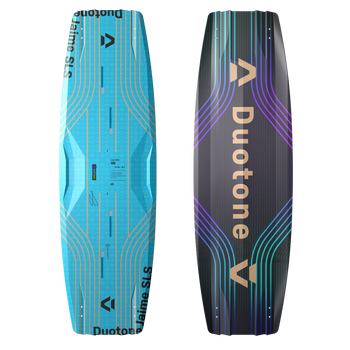

2026 Duotone Jaime SLS Twintip
Duotone
$1,259.002026 Jaime SLS Freestyle Sizes: 133x40cm / 136x41cm / 139x42cm / 142x43cm Jaime (pronounced, "hai-me") is one of Duotone's most iconic boards. The 2026 SLS keeps the legacy alive with some modern upgrades. If you're after a board that bridges freestyle...$1,259.00 -


2026 Duotone Jaime Concept Blue Twintip
Duotone
$819.002026 Jaime Concept Blue Freestyle Sizes: 133x40cm / 136x41cm / 139x42cm / 142x43cm The Jaime has always been a go-to for riders chasing freestyle, and now it comes in a more sustainable package. The 2026 Jaime Concept Blue brings all the same...$819.00 -
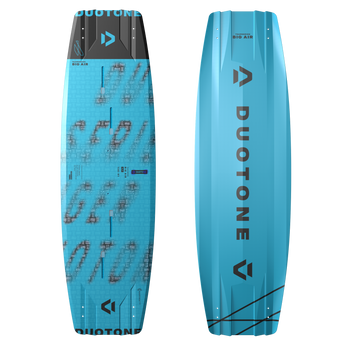
2026 Duotone TS Big Air SLS Twintip
Duotone
$1,259.002026 TS Big Air SLS Competition Big Air Sizes: 136x40cm / 139x41cm The TS Big Air is really built for one thing: going huge. After all, it's the board Andrea Principi rode to King of the Air victory. The Double Rockerline Concept is the heart of the...$1,259.00
How to Better Your Board Offs
Learn how to tic-tac your kiteboard.
Kiteboard FAQs
Not quite. Kiteboarding usually means riding a twin-tip board. It's great for freeride, freestyle, and learning. Kitesurfing refers to riding waves on a surf-style board. The kites are similar, but the boards (and riding styles) are different.
Go big and simple. A larger, more forgiving twin-tip makes it easier to waterstart, ride upwind, and stick landings. Once you progress, you can upgrade to something lighter, stiffer, or more specialized.
You can, but it depends on your goals. Oversized beginner boards are easiest for learning, while a more advanced board can last longer in your quiver. If you’re unsure, start basic and resell later, or grab a used board to minimize cost.
Large boards have more surface area, making it easier to plane in light winds and stick landings. Small boards are lighter and better for strong winds or aggressive riding. Most new riders benefit from starting with a bigger board.
Board size depends on rider weight, wind conditions, and riding style. As a general rule, heavier riders and light-wind locations need bigger boards, while lighter riders or loop-hungry freestylers can size down.
Not necessarily! Women’s boards are often the same designs as men’s, just with different graphics. What matters most is the right size and flex for your weight and riding style. Many female riders prefer slightly bigger boards for smoother sessions and softer landings.