
Used Hydrofoil Gear
Foil components hold up well with normal use, and buying used means access to quality gear at a price point that leaves room to grow into the sport before committing to a full retail investment. Everything here has been evaluated and priced to reflect actual condition. Reach out if you want a straight answer on whether a specific piece fits your setup and where you are in your riding.
-
On Sale

S-Series Stabilizer / 180 - 2026 Demo
Naish
Now: $175.20Was: $219.00S-Series Stabilizer / 180 - 2026 Demo FOST-SSE26-BK00180-DEMO Year: 2026 Includes: Stabilizer and Wing Cover Color: Carbon Fiber/Grey Size: 180 Condition: Great ConditionNow: $175.20Was: $219.00 -
On Sale


UltraFly V1 / 140L - Demo
Slingshot Sports
Now: $839.30Was: $1,199.00UltraFly V1 / 140L - Demo 128179-Demo Year: 2025 Includes: Board, Board Bag, Pump, Fins, Slingshot Patch Kit Color: Black/Carbon Fiber/Orange/White Size: 5'10" x 28" x 6" 140L Condition: BSC Demo...Now: $839.30Was: $1,199.00 -
On Sale

Monobloc Tail XXS Pumping / 200 - Demo
F-One
MSRP: $370.00Now: $222.00Was: $370.00The Monobloc Tail PUMPING XXS 200 offers exceptional pumping abilities and a fantastic glide.Aspect ratio: 7.6Made for dockstarts and endless pumping sessionsMonobloc construction for better...MSRP: $370.00Now: $222.00Was: $370.00 -
On Sale
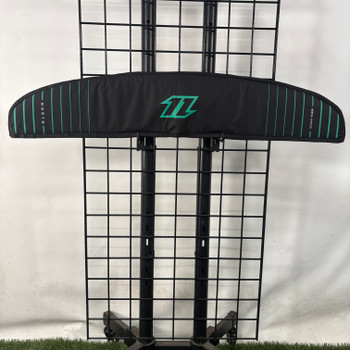
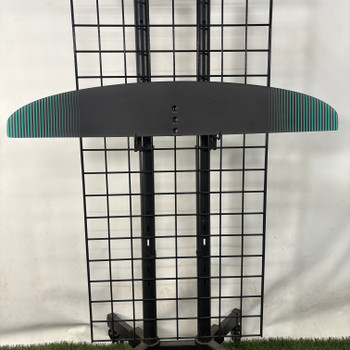
Sonar HA1450 Front Wing / 1450 - Black - 2023 - Demo
North
Now: $404.50Was: $809.00Sonar HA1450 Front Wing / 1450 - Black - 2023 120757-demo2 Year: 2023 Includes: Front Wing, Wing Cover, and Hardware Color: Carbon Fiber/Green Size: 1450 Condition: Great ConditionNow: $404.50Was: $809.00 -
On Sale
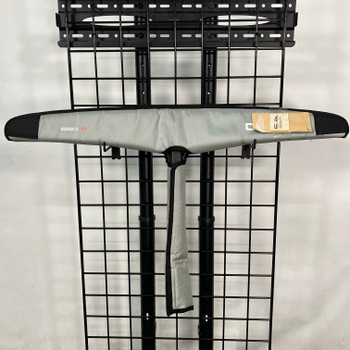
Code Foils R-Series Front Wing 680 R - Demo
Code Foils
Now: $580.80Was: $968.00Code Foils R-Series Front Wing 680 R / 680 R - Kogl25 Includes: Front wing and cover Condition: MACkite Demo Guarantee: Gear is ready to ride and works as intendedNow: $580.80Was: $968.00 -
On Sale
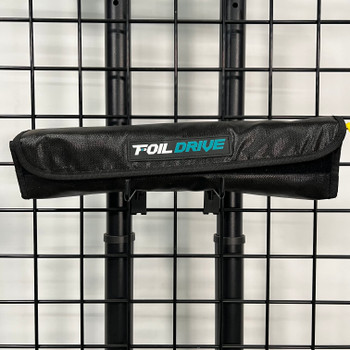
FoilDrive MAX Power Battery Demo
Foil Drive
Now: $584.43Was: $834.90FoilDrive MAX Power Battery Demo 125472-DEMO Year: 2025 Includes: Battery and Cover Size: Max Power Condition: Great Condition MACkite Demo Guarantee: Gear is reNow: $584.43Was: $834.90 -
On Sale
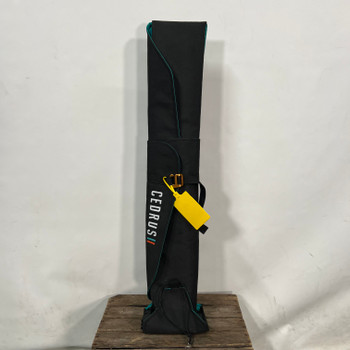
Evolution Wind Mast - Carbon / 85cm Demo
Project Cedrus
Now: $1,330.00Was: $1,700.00Evolution Wind Mast - Carbon / 85cm Demo Evo-Wind-Mast-85-DEMO Year: 2024 Includes: Mast and Base Plate Color: Carbon Fiber/Black/White/Orange Size: 85cm Condition: Good ConditionNow: $1,330.00Was: $1,700.00 -
On Sale


2025 Sea Devil Front Wing 840 Demo
SabFoil
Now: $619.70Was: $885.292025 Sea Devil Front Wing 840 Demo SD840-DEMO Year: 2025 Includes: Front Wing Only Color: Black/Red/White Size: 840 Condition: Good Condition Slight CNow: $619.70Was: $885.29 -
On Sale
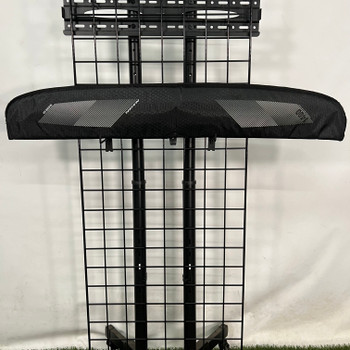
Glider HA Front Wing 1400Demo
Naish
Now: $461.30Was: $659.00Glider HA Front Wing Demo 126584-DEMO Year: 2025 Includes: Front Wing and Cover Color: Carbon Fiber/Silver Size: 1400 Condition: Good ConditionNow: $461.30Was: $659.00 -
On Sale

X-Series MKII Front Wing / X2100 Demo
Code Foils
Now: $549.50Was: $1,099.00X-Series MKII Front Wing / X2100 Demo 119416-DEMO Year: 2022 Includes: Front Wing and Cover Color: Carbon Fiber/White Size: 2100 Condition: Good ConditionNow: $549.50Was: $1,099.00 -
On Sale

One-Lock Kite Front Wing / 1255 Demo
Slingshot Sports
Now: $580.30Was: $829.00One-Lock Kite Front Wing / 1255 Demo 130562-DEMO Year: 2025 Includes: Front Wing and Cover Color: Black/Grey/Orange Size: 1255 Condition: Great ConditionNow: $580.30Was: $829.00 -


Sonar Aluminum Mast / 72cm - Black - 2023 - Demo #2
North
$539.50Sonar Aluminum Mast / 72cm, Black, 2023 Includes: Mast Condition: MACkite Demo Guarantee: Gear is ready to ride and works as intended Se$539.50 -
On Sale


One-Lock Kite Front Wing / 755 Demo
Slingshot Sports
Now: $675.00Was: $889.00Slingshot One-Lock Kite Front Wing/755 Demo 130560 Year: 2025 Includes: Front wing, Front wing cover, Installation hardware Color: Carbon Fiber Size: 755 Condition: Great conditionNow: $675.00Was: $889.00 -
On Sale

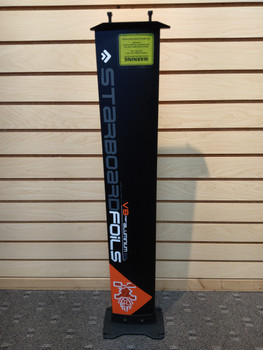
Mast UCS V8 Aluminium Top Plate / 82cm - 2025 Demo
Starboard
Now: $299.00Was: $459.00Mast UCS V8 Aluminium Top Plate / 82cm - 2025 Demo Includes: Mast Cover Condition: Lightly Used No Returns: Contact MACkite if Demo does not work as IntendedNow: $299.00Was: $459.00 -
On Sale
 Now: $1,400.00Was: $2,710.00
 -
On Sale


MIDFISH Foilboard / 5'5 - Grey - 2026 - Demo
Duotone
Now: $1,255.20Was: $1,569.00Midfish Foilboard / 5'5 Grey 2025 KOGL25 Demo Includes: Board Only Condition: MACkite Demo Guarantee: Gear is ready to ride and works as intendedNow: $1,255.20Was: $1,569.00 -
On SaleKoGL Demo 20% Off


Slingshot Hope Craft V2 - 110cm - 24KoGL Demo
Slingshot Sports
Now: $569.40Was: $949.00AWSI & KoGL Demo. Nearly New MACkite Demo Gear Guarantee: We sell only gear that is ready to ride and works as intended. Be sure to view photos for details of gear condition.Now: $569.40Was: $949.00 -
On Sale


Unifoil Vyper 170 Front Wing
North
Now: $195.10Was: $549.00Condition/Description: Grade: A- Minor cosmetic damage Scratches on bottom of front wing <Now: $195.10Was: $549.00 -
On Sale

 Now: $50.00Was: $208.00
Used hydrofoil gear is how a lot of serious riders built their first real setup — and for good reason. Foiling gear represents a meaningful financial commitment at full price, and the secondhand market offers a legitimate path into the sport without the full upfront investment. Buying used hydrofoil gear isn't a compromise if you know what you're looking for. In our opinion, it's a smart way to get on quality equipment sooner, learn what you actually want from a setup, and leave room in your budget to upgrade specific components as your riding develops. The key is knowing what to evaluate before you commit.
What Wears First
A complete hydrofoil setup has several distinct components — board, mast, fuselage, front wing, and rear stabilizer — and each one wears differently with use. Understanding which parts are most susceptible to wear helps you evaluate a used setup with confidence rather than guesswork.
The mast takes the most structural stress of any foil component. It flexes under load every session and is the component most likely to develop fatigue cracks over time, particularly around the base plate connection and the mid-section.
Carbon masts are lighter and stiffer than aluminum but show damage differently — aluminum bends visibly under stress while carbon can develop internal delamination that isn't always obvious from the outside.
When evaluating a used mast, look for any cracks, delamination, or unusual flex. Run your hands along the full length and pay attention to the base plate area where stress concentrates. A mast that looks fine visually but feels inconsistent under pressure deserves a closer look before you buy.
Wings and stabilizers wear more slowly than masts but are worth inspecting carefully around the leading edge and fuselage connection points. Edge chips and dings are common and largely cosmetic — they affect aesthetics more than performance in most cases and can be repaired with standard epoxy. Check for UV damage on wings, which can make the material brittle and prone to tearing.
Damage around the fuselage bolt holes is more significant. Elongated holes, cracked material around connection points, or stripped threads compromise the structural integrity of the assembly and are worth factoring into your evaluation and your offer. Fuselages are generally durable but check the connection points at both ends where the front wing and stabilizer mount — these areas see consistent load and show wear over time.
What to Consider Before You Buy
How many sessions has the gear seen, and what discipline was it used for? A foil used primarily for light wind cruising has lived a different life than one used for aggressive wave riding or high-speed racing.
Ask about any crashes or impacts — foil collisions with the water surface, reef, or other objects can cause damage that isn't visible without careful inspection.
Ask whether any components have been replaced and why. Replacement parts aren't a red flag on their own — seals, hardware, and even wings get upgraded as riding develops — but understanding the history gives you a clearer picture of what you're actually getting.
Compatibility is worth confirming explicitly, especially when buying components rather than a complete setup. Foil standards aren't universal, and mast tracks, base plate dimensions, and fuselage connection systems vary between brands and sometimes between generations of the same brand. Confirming that a used mast fits your board, or that a used wing fits your fuselage, before completing the purchase avoids a frustrating and expensive incompatibility discovery after the fact.
Benefits of Buying Through a Shop
Buying used foiling gear through a shop rather than a private seller carries real advantages that are worth understanding. A reputable shop evaluates gear before putting it on the floor — which means the inspection work has been done and the pricing reflects actual condition rather than optimistic seller assessment. You're also buying with some level of accountability behind the transaction, which private sales don't offer. If something isn't right about a piece of gear, a shop has a reputation to protect and an incentive to make it right.
At MACkite, the used gear we carry has been looked at by people who ride and know what wear actually looks like on foil components. We price honestly based on condition and we'll tell you straight if something has a limitation worth knowing about before you buy. We've also matched enough riders to their first foil setup to know that a conversation about where you are in your riding and what you're looking for makes the used gear selection process significantly more useful than browsing alone.
How to Use Used Gear as a Learning Tool
There's a specific strategy that experienced foilers often recommend to newer riders: buy used to learn, then upgrade with intention once you know what you actually want. Your first foil setup teaches you things about your preferences — mast length, wing size, discipline focus — that you can't fully anticipate before you've spent real time on the water. Buying used for that learning phase means the financial stakes of that education are lower, and the knowledge you gain makes your next purchase significantly more informed.
Foil components are also modular in a way that makes the used market particularly useful. You might buy a complete used setup to get started and then upgrade the front wing once you understand what lift and speed range you're actually looking for. Or you might find a used mast and fuselage that fits your existing board and add wings from there. Understanding the component structure of foiling gear turns the used market from a budget option into a genuine quiver-building strategy.
Ready to Find Your Gear?
Browse our current used hydrofoil gear and reach out if you want help evaluating whether a specific piece fits your riding and your existing setup. We're happy to walk through what we have in stock, answer questions about condition, and help you figure out whether a used setup makes sense for where you are in your foiling right now.