
Prone Surf Foil Sets
Foil Wing Size Guide by Riding Style/Weight
| Riding Style | <140 lbs. | 140 - 170 lbs. | 170 - 200 lbs. | 200+ lbs. |
|---|---|---|---|---|
| Kite Racing | <600 | <600 | <600 | <600 |
| Kite Powered Freeride | 400 - 650 | 500 - 700 | 550 - 800 | 550 - 800 |
| Kite Freeride | 500 - 1100 | 600 - 1400 | 700 - 1600 | 900 - 1900 |
| Surfing Powerful Waves | 700 - 1110 | 775 - 1200 | 800 - 1250 | 850 - 1300 |
| Surfing Weak Waves | 800 - 1300 | 850 - 1550 | 900 - 1600 | 1400 - 2000 |
| Downwind SUP | 1500 - 2000 | 1525 - 2400 | 1550 - 2800 | 2000+ |
Choosing a surfboard foil can be a difficult decision. Luckily, we have the gear and knowledge to help anyone choose gear that will expedite their progression. Some of the variables that may influence your choice of foils are weight, wave height, board choice, ability, and riding style. This can be a complicated choice, and as a result we encourage new foilers to reach out to us for a personal recommendation. As always, feel free to give us a shout!
-
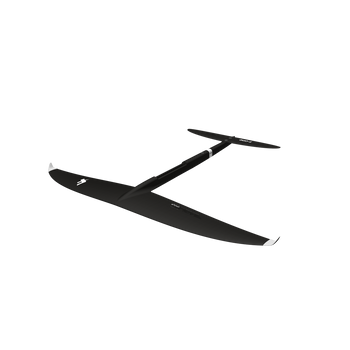
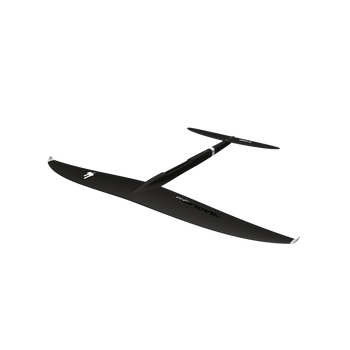
F-One Plane EAGLE HM Carbon
F-One
$1,369.00 - $1,539.00EAGLE HM CARBON Sizes: 690, 790, 890, 990, 1090, 1290 The foils of the EAGLE HM CARBON line are designed to bring you thrilling speed potential, incomparable downwind sensations, and everlasting cruising time above the water. Aspect Ratio: 9...$1,369.00 - $1,539.00
Prone Surf Foil FAQs
Learning How to Foil Surf
So, you want to learn how to foil surf? Here's how to get started in four steps:
- Learn to Surf
- This may seem like common sense, but you'd be surprised to learn how many non-surfers we get asking if they can just jump in right away. In fact, learning how to surf is a pretty intense at times. Add a hydrofoil in there, and you've got a pretty steep learning curve. Now's the time to get out and practice, improve your process, and be more confident when surfing.
- Practice Behind a Boat
- Once you know how to surf on a smaller board, it's time to learn behind a boat. This lets you focus on training your reactivity and understand how the hydrofoil works. It doesn't matter if it's on boat, jet ski, or sailboat. Just something to give you proper speed to learn. From there, you can transition to the water. Keep in mind this will require a quite a bit of front foot pressure to keep the board from popping up on foil.
- Work on Controlled Take-Offs
- Controlled take-offs are necessary for most foil disciplines. If you can keep your body quiety and shift slowly from one foot onto the other, you'll avoid unwanted twitchiness and stay in control more. Start by going a few inches off the water and try shifting your weight forward. If you can hold that position for some longer riders, you're ready to practice pumps and turns.
- Your First Session
- Now's your moment! Once you're ready to head out, attach a surf leash to your board and adjust your foil closer to your board's tail. Paddle out, find a spot without obstacles like swimmers and surfers, and catch your first wave! It'll feel familiar to your first surf sessions: find a wave, paddle with it, and get to your feet. Once you're there, shift to your boat training and slowly shift your weight backward to get on foil.
Want to learn more? Check out our guide on How to Foil Surf