
Three Things Holding Back Intermediate Foilers
Jeff and Tucker are jumping into the intermediate zone of a foiler. When you hit that intermediate stage, you might think you're a pro now, able to handle any conditions. You've made it past the beginner stage and feel really good about your riding. It's a big zone where you get a lot of confidence — which is a good thing — but you can also get yourself hurt or become a bit overzealous about your skill set.
As an intermediate, you can go out, not be overly stressed, ride on the foil, and have a good time without taking crazy falls. It becomes something you can just plug in and do, like riding a bike or going for a jog. You aren't as stressed about the learning process anymore, and now it's all about progression.
Time on the Water
Before diving into the specific things holding you back, the number one most important thing in foil sports is time on the water. Gear, ability, and conditions are all important, but just getting on the water and spending time riding — whether it's good conditions, bad conditions, cold, warm, wrong gear, or right gear — is crucial. The more you foil, the better you get, the more fun you have, and the more broadly you can apply your skills to the conditions for the day.
The Reality of Conditions
Intermediates need to be aware of conditions. You might think you're an intermediate, but that could be based on the specific conditions you're used to riding in. If you travel to a new location on vacation or encounter pro-style conditions, you're suddenly a beginner again. Do some fact-finding, talk to locals who know the spot, and get tips on water safety and where to ride.
A Note on Foil Drive Safety
You can get really good at foiling very fast with a Foil Drive. That doesn't mean you should be going into a surf zone, ripping around, and putting other people in danger. You have to distance yourself, ride in deep water, and find spots where there aren't people in the water who could be hurt by your equipment. The industry needs to be better at self-policing so beaches and Foil Drives don't get shut down entirely.
Thing 1: Your Equipment (The Foil)
The first piece of equipment to look at is your foil, specifically your lower plane. Often, riders get pretty good on what they're used to, but then wonder why they aren't getting any better. For example, in winging, you might be able to ride back and forth for hours, get up in multiple conditions, and ride goofy or regular, but you have a hard time nailing all your jibes or tacks.
This is usually a result of your approach to beginner gear choices. A lot of times, people go too big because they just want it to be easy to get on foil. A 150-pound rider might choose a massive 2400cm2 size foil just to get up. But you hit the limit of that gear much quicker. Even on a 2400cm2 foil, you'll have a hard time jibing or tacking because it's so slow and stalls so fast—it decelerates incredibly quickly. You want something that will continue your energy and carry its momentum through a turn, and those big, fat foils just don't do it.
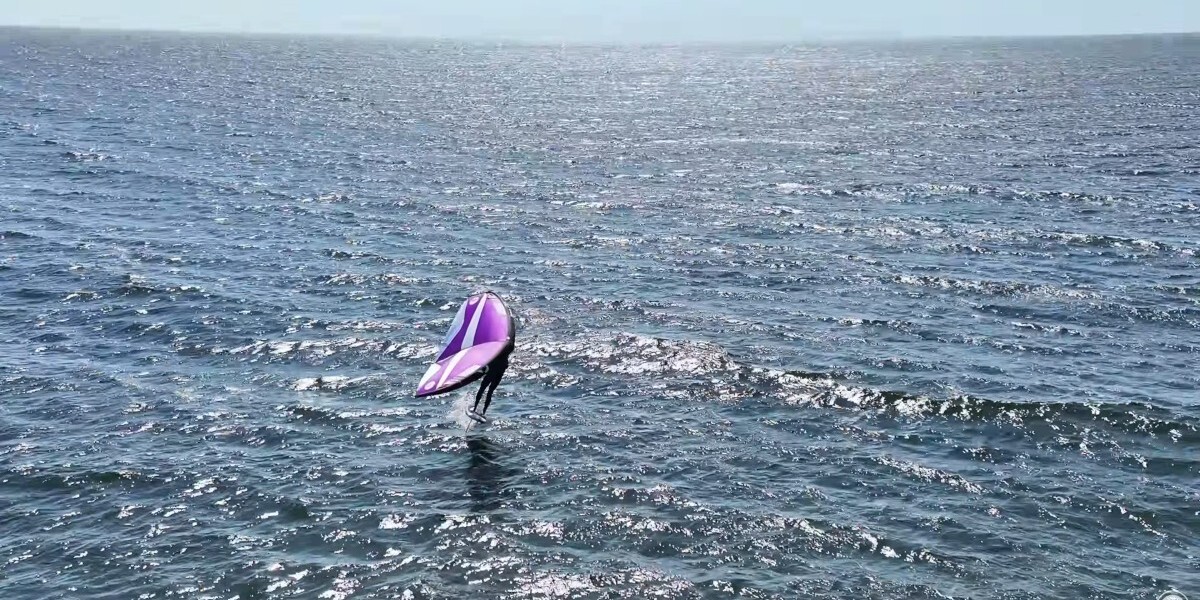
Don't play it too safe with sizing. With modern foil technology, you can jump down further than you think. Just make sure you're properly powered when testing a smaller foil — don't choose a light wind day to test it out, because you're going to hate it. Get to know the foil, learn how to pump it up first, and then you can grow the low end of it.
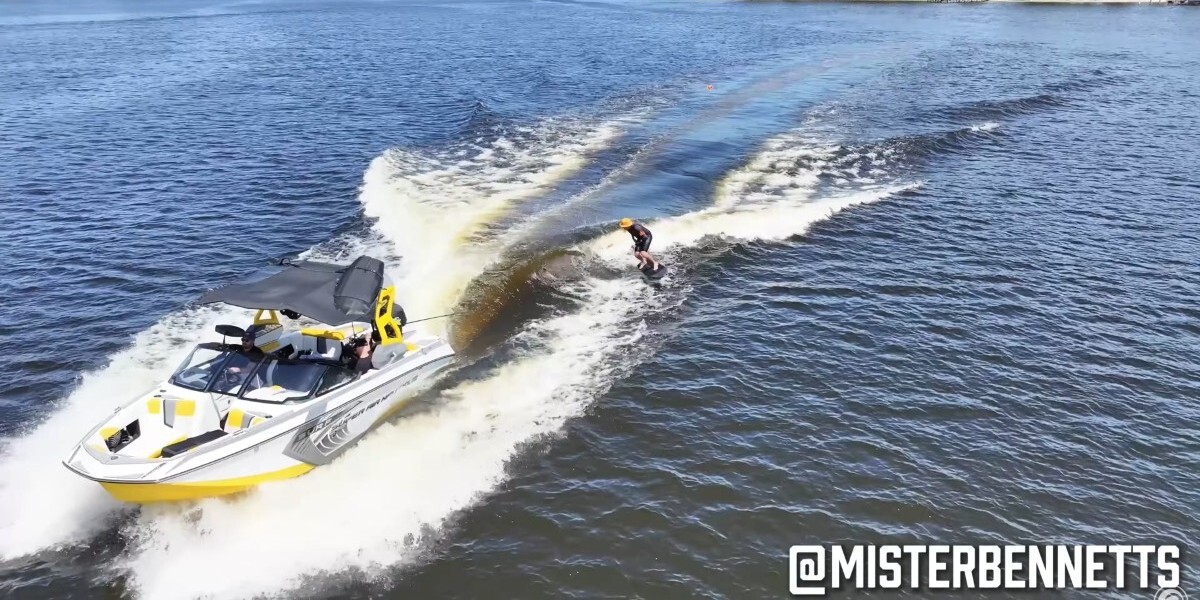
This applies to wake foiling behind a boat, too. You might learn behind the boat on a big foil, but when you want to pump around, ride the wave, or drop the rope, you'll find you just can't stay in the wave. In other words, your foil is holding you back.
Thing 2: Being Intentional About Progression
If you aren't putting your mind toward learning something new and fresh, you're probably just going through the motions. It's really easy to get stuck in this, especially as an intermediate gliding on swell and doing little turns on the open ocean. It's so much fun, like skiing powder, that you never get tired of it. But if you aren't careful, you'll spend your whole life skiing the same run in the same powder, doing the same thing, and never learning anything new.
Try to learn one new thing every session. Whether it's a new kind of jibe, a new wing handle pass, a tack, or just trying to get a little bit of the foil out of the water during a turn. If you aren't intentional and thinking ahead about what you want to learn next, you'll just cruise around and never progress.
Thing 3: You (Getting Too Comfortable)
The third thing holding you back is you. You need to push yourself. The problem is that as an intermediate, you finally got to the point where you can put miles on a foil without falling in the water. You can show off around your bros, get some speed, and ride the swell. But getting comfortable means you aren't getting any better.
When you try to go to that next level, it's exactly like going back to being a beginner again. You're going to be in the water more, taking harder falls, and making mistakes. As Chris Bobryk (Ricky Bobby) says, "If you're not wet, that means you're not progressing." You have to fall to learn.
You also need to get creative to get more time on the foil. If you only get on the water two or three times a month, it's hard to progress. Try an eFoil, a Foil Drive, get behind a friend's boat, or learn kite foiling for lighter winds. Exploring a new facet of foiling, like wingers trying parawinging, transfers skill sets across the sports. Pro surf foiler Adam Bennetts recently went out behind a boat when there were no waves and did things people had never seen behind a boat, simply because those skills transfer so well.
Push yourself, get the right gear, and enjoy the stoke!
The MACkite Take
The intermediate zone is where most foilers get stuck — you're comfortable, you're having fun, and you're not actually getting any better. Jeff and Tucker's three big things to address all come down to one mindset shift: comfort is the enemy of progression. Here's how to break out of it.
- Downsize your foil before you think you're ready. The oversized beginner foil that got you up is now stalling on every jibe and tack. Modern foil tech lets you jump down further than you think — just pick a properly powered day to test it, not a light-wind day where you'll hate the change.
- Be intentional about progression at every session. Cruising swell is the foil equivalent of skiing the same powder run forever. It's fun, but you'll never learn anything new. Pick one new thing per session: a different jibe, a handle pass, a tack, or getting some foil out of the water in a turn.
- Get wet on purpose. Ricky Bobby's line says it all: "If you're not wet, that means you're not progressing." Pushing past intermediate feels like being a beginner again. Yes, that means more falls, harder falls, more mistakes, but that's the only true path to move forward.
- Stack water time with cross-discipline practice. Two or three sessions a month isn't enough to progress. eFoils, Foil Drives, kite foiling, parawinging, behind-the-boat sessions — skills transfer between disciplines faster than most people realize. Adam Bennetts went behind a boat in flat conditions and pulled off things no one had seen, purely from skill transfer.
- Stay humble about conditions and considerate of others. "Intermediate" is location-specific—travel somewhere new and you're a beginner again until you talk to locals and learn the spot. And if you're on a Foil Drive, ride deep water away from surf zones. Self-policing now is how we keep beaches and Foil Drives open later.
MACkite Subscription Links:
YouTube | Instagram | Spotify Oddcasts
Contact MACkite Below:
800.622.4655 | Kiteboarder@MACkite.com | LIVE Chat Messenger
Recent Posts
-

2026 Duotone Rebel D/LAB Review: 30-Knot Test
The Brazilian Brothers are ready to provide honest feedback on the 2026 Rebel D/LAB by Duotone. Th …13th Oct 2026 -

2026 Duotone Jaime SLS Kiteboard Review
The Brazilian Brothers are back to bring you another product review. Today, their focus is on the …13th Oct 2026 -
Manera Pocket Wing Belt Overview
Jeff met up with Billy Ackerman from F-One on the beach at the KoGL Test Fest to take a look at th …9th Oct 2026