
Parawinging: It's Not Just for Waves and Downwinders Anymore
The Evolution of Parawinging
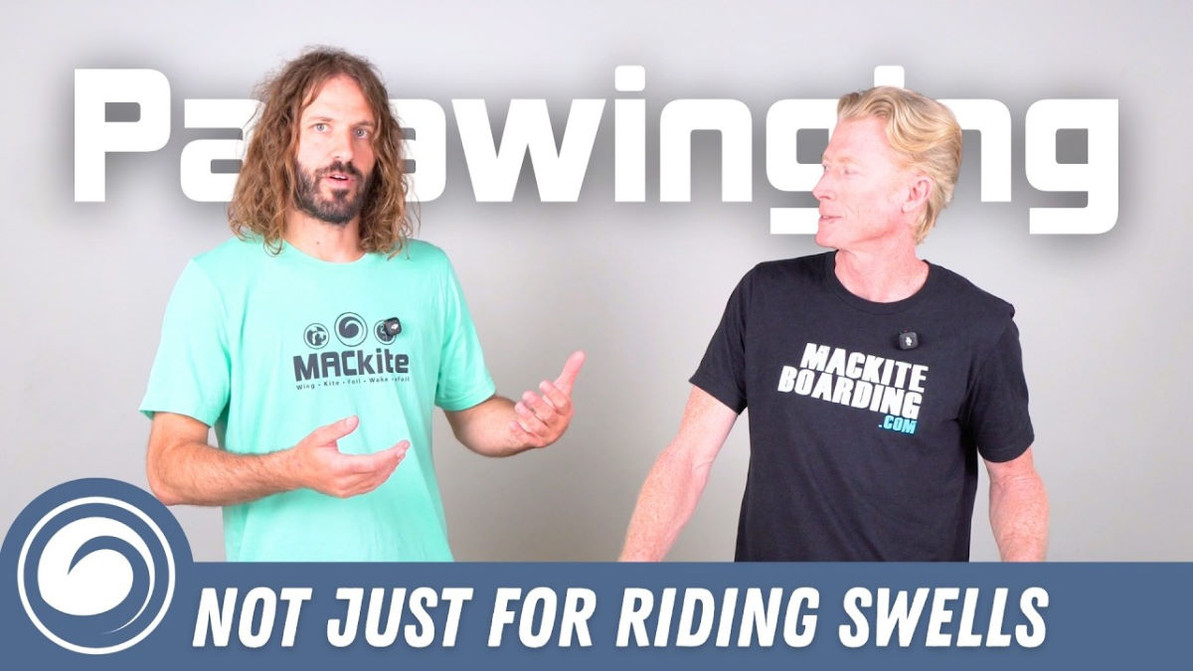
Jeff and Tucker from MACkite dive into a discussion about parawinging, a sport that has taken the wind industry by storm over the last year and a half. Parawinging is following a very similar path to winging. Early on, winging was viewed purely as a wave-focused sport. People just wanted to hold the leading edge and cruise on waves without line tension, and many even doubted if you could effectively ride upwind. Today, winging has evolved into freestyle, freeride, light wind, and jumping.
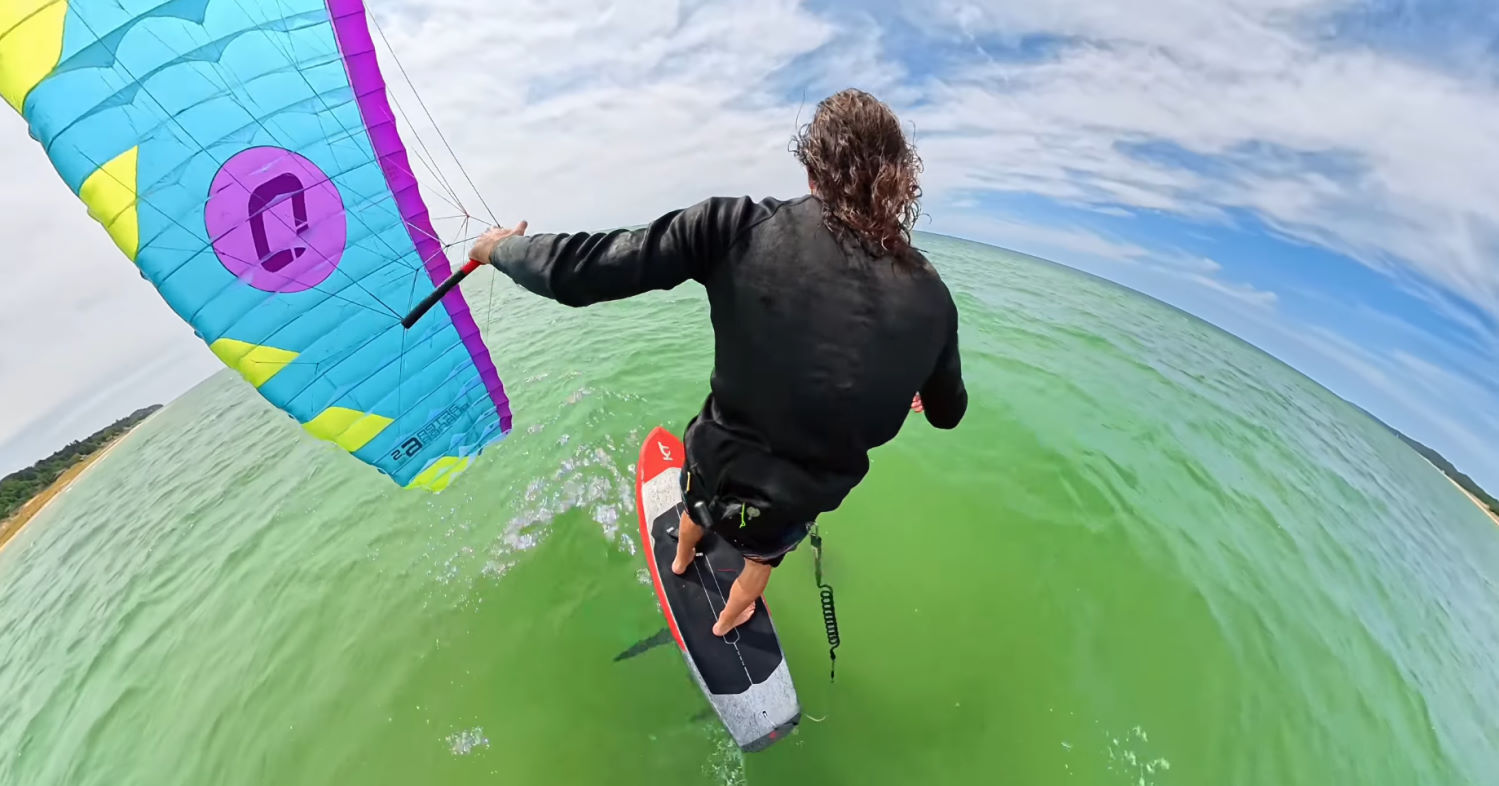
Parawinging started with that same initial focus: wave riding and downwinding. The appeal was all about pulling yourself into a swell, stashing the wing in one hand or a pouch, and experiencing ultimate freedom on the wave.
The "Aha" Moment: Freeriding and Flat Water
Jeff admits he was getting a little bored with winging after pushing it as far as he could. He jumped on board with parawinging specifically for wave riding. For a while, he had his blinders on, thinking flat water was just for practicing so he could eventually get on a swell. While wave riding with a parawing is an incredible, hands-free experience that tow foilers will immediately recognize, Jeff realized there is much more to the sport.
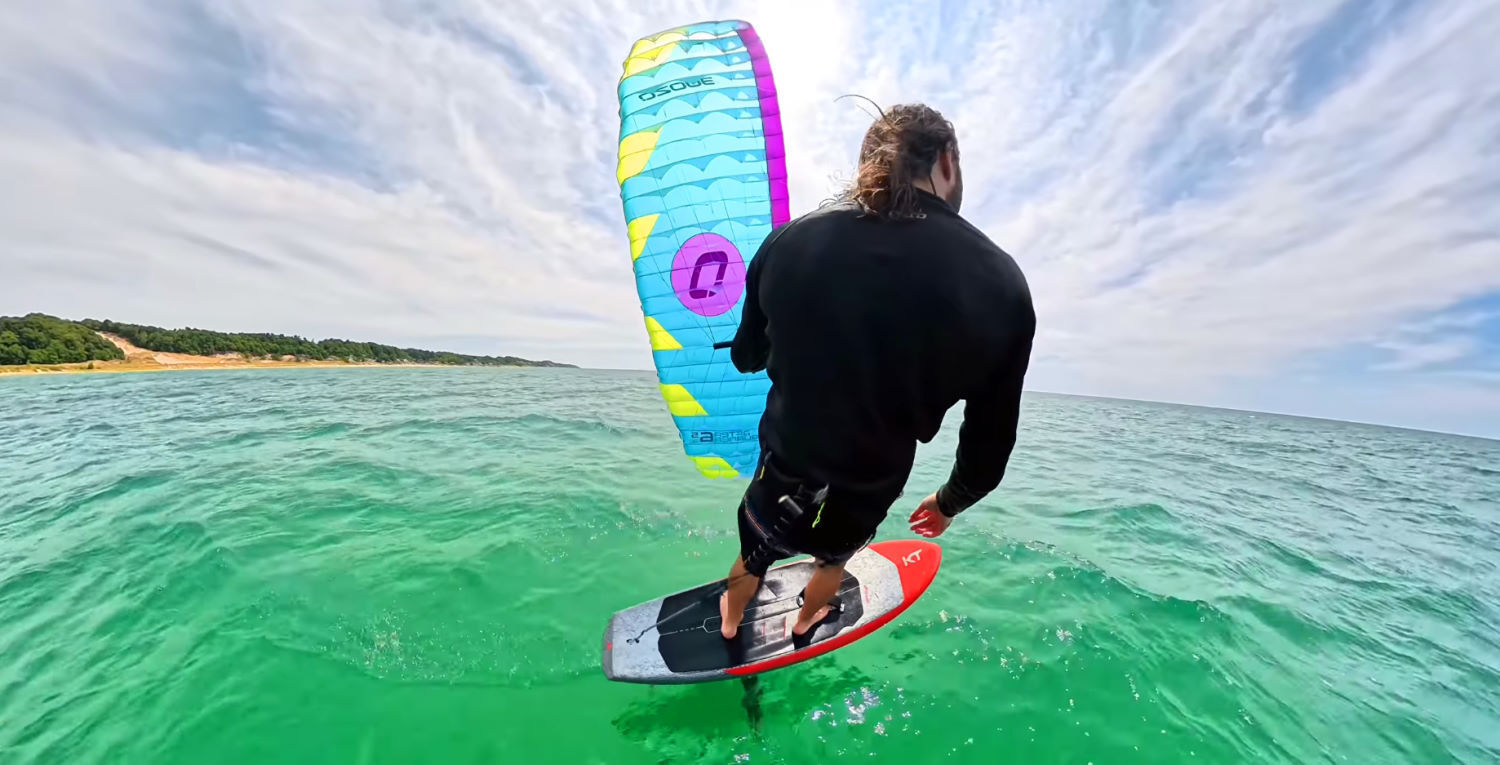
After showing up at the beach for regular sessions, Jeff found himself actually enjoying just riding around and freeriding. It felt similar to kite foiling with short lines. It was light and playful, with more lift and pull than expected. You can easily jet upwind, come around the other side, and just cruise.
Key Benefits of Parawinging Over Winging
Stepping outside of just wave riding, there are some massive everyday benefits to parawinging:
- Zero Pumping: There is nothing to blow up. You just throw your foil on your shoulder, grab the wing in one hand, walk to the water, and go. The setup is incredibly quick.
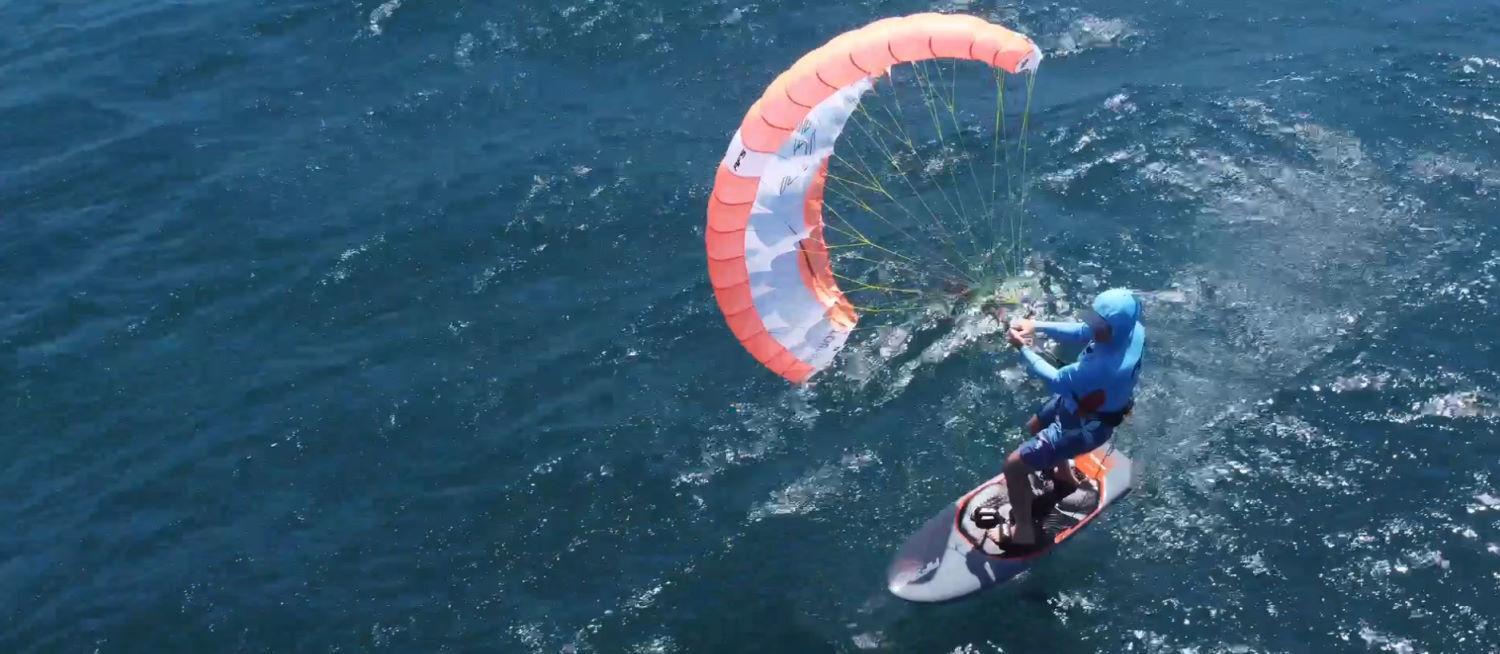
- Unobstructed Visibility: A parawing doesn't block your view like a standard wing does. It sits a little higher and further out, so you don't have a massive canopy right in your face.
- Low Maintenance and Durability: There are no bladders to worry about and no Dacron frame to puncture or tear. In a year and a half of heavy sessions, Tucker hasn't had any broken bridles, torn canopies, or lost gear. This is in stark contrast to tearing four or five wings during his first year of winging.
- Travel-Friendly: They pack down tiny. You can fit three or four parawings into a small backpack.
- On-Water Adaptability: Because they pack down so small, you can easily carry an extra size in your bag or pouch while on the water. This allows you to switch sizes and adapt to changing conditions during a downwinder or tour.
Emerging Parawing Disciplines
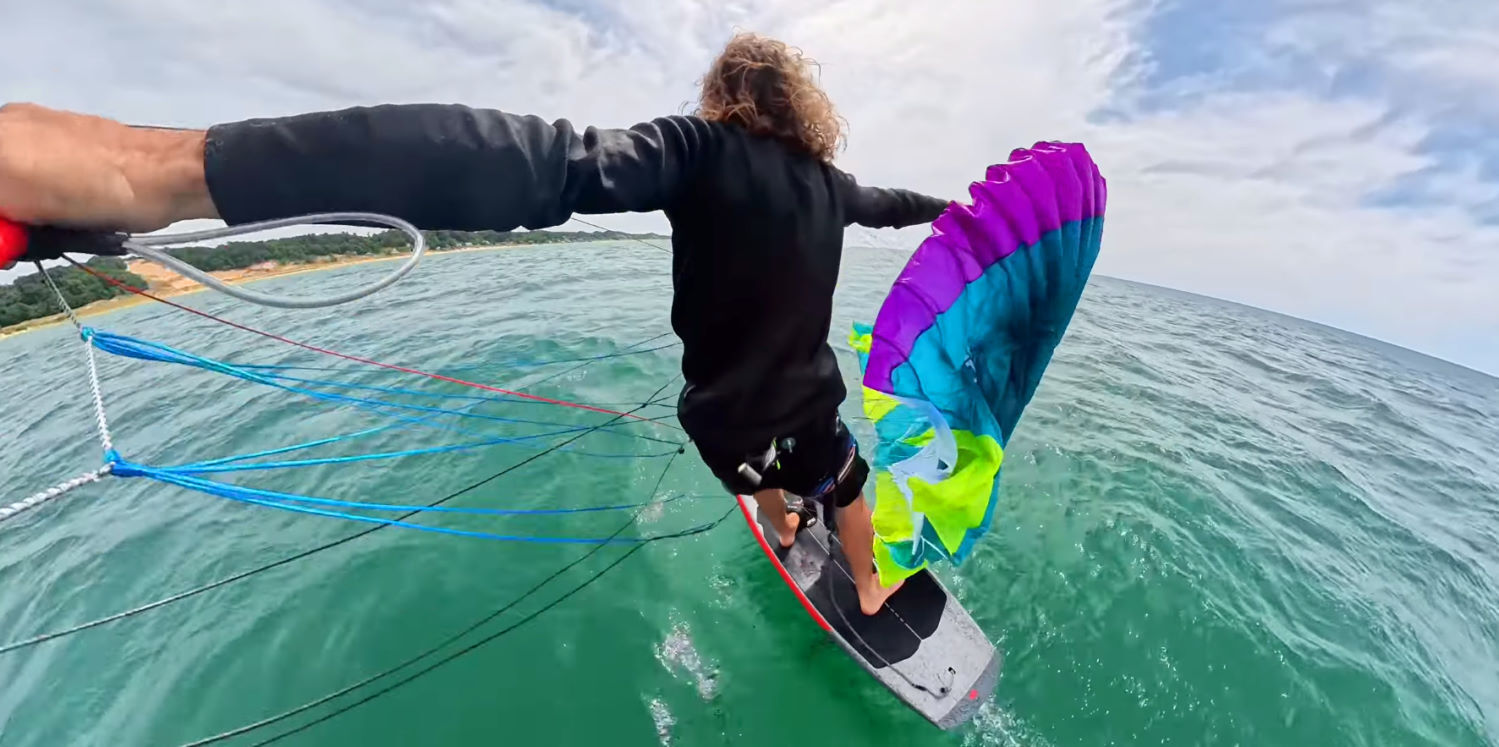
As the gear progresses, the sport is segmenting into different disciplines beyond just chasing swells.
Kite Foilers and Cruisers
Kite foilers will love the effortless lift, pull, and the ability to just zoom around. It's perfect for light wind cruising, practicing tacks and jibes, and doing fun little loops.
Shore Break and Small Waves
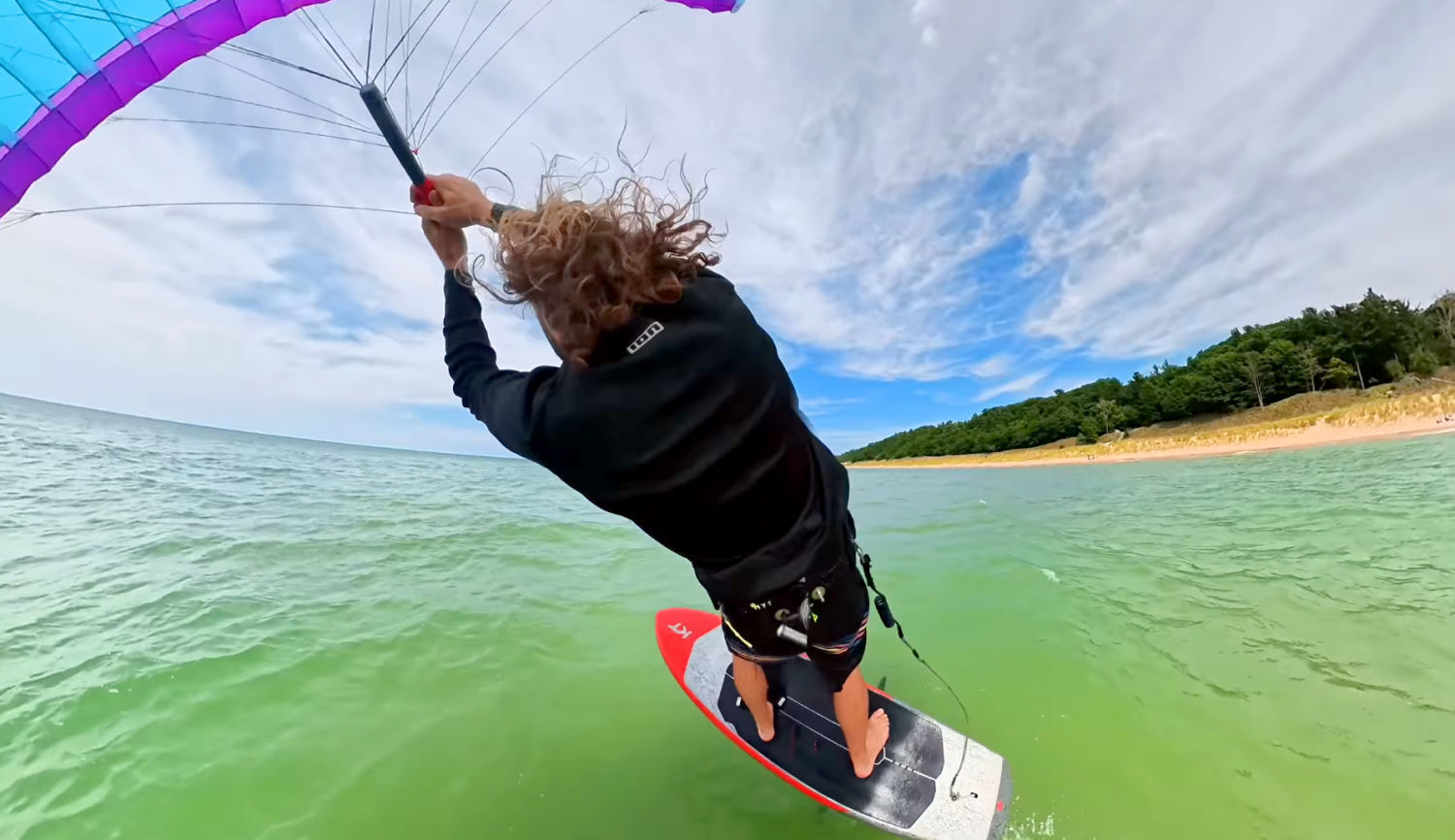
You don't need massive swells to have fun. Jeff has been having a blast playing in small shore break. You can stash the wing, ride a little wave, redeploy, and speed right back out.
Racing and Speed
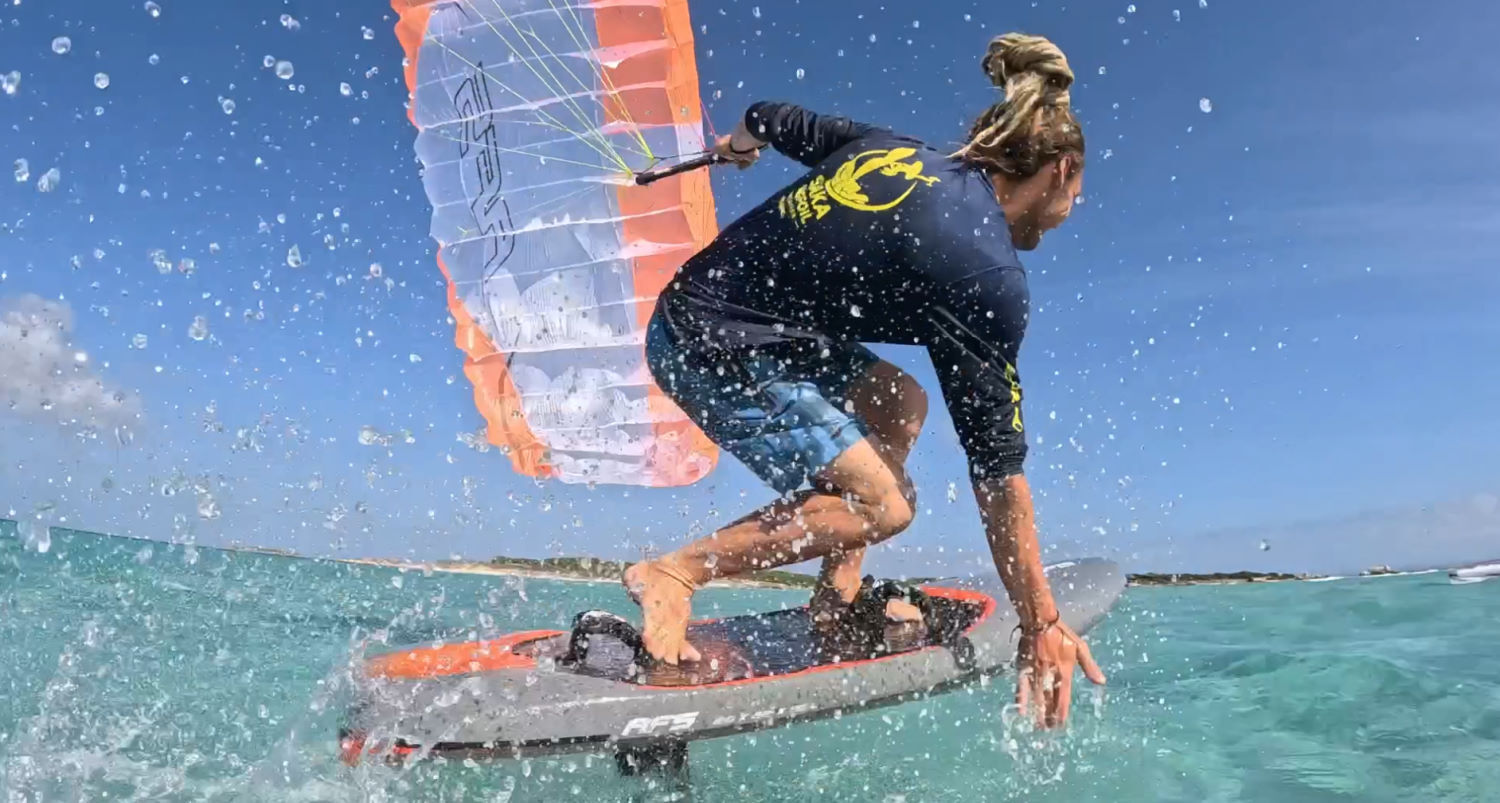
Parawings are fast. Tucker sees a future in the race side of things, using kite technology to create high-aspect parawings. A 9m or 10m parawing on a double pull could easily turn this into a legitimate sailing and racing sport.
What About Jumping?
Tucker isn't seeing jumping with parawings becoming a thing just yet because kites and wings are still so much better suited for it. Jeff agrees, though he admits he's definitely thought about it since he loves boosting on kites.
Power, Sizing, and Pumping
When it comes to light wind and larger sizes, there are some trade-offs. Jeff was on a 6m wing in light wind, but it felt big, bulky, and heavy. While he'd almost rather be on a big parawing than a big standard wing, you can't manipulate and pump a parawing for power the same way you can a wing. If you pump it too hard, it collapses and stalls on itself. You have to let the parawing fly until you generate enough lift to pop up. Because of this, you can't get as much raw power out of a large parawing as you can a large wing.
Who Is Parawinging For?
If you come from a winging background, parawinging is a natural progression that you can learn fairly quickly. If you are a kite foiler, you will also pick it up easily. You already have the muscle memory of flying a kite, switching feet, and riding with both feet forward. A parawing is essentially a kite on short lines.
However, if you are not an experienced winger or kite foiler, be prepared for a steep learning curve. It is not like learning to kiteboard where the kite can help lift you and support your weight. When learning to parawing, you need a board that can actually hold your weight, and you cannot cheat the wind. If you can learn to wing first, you're going to gain a huge head start on parawinging.
To learn successfully, you need the ideal setup: 15 to 22 knots of wind, the flattest water you can find, and the right board and foil to support your progression. Don't force it in the wrong conditions, or it will just set you back with frustration. Take it slow, take a breath, and enjoy the process.
MACkite Subscription Links:
YouTube | Instagram | Spotify Oddcasts
Contact MACkite Below:
800.622.4655 | Kiteboarder@MACkite.com | LIVE Chat Messenger
Recent Posts
-

Ride Engine Empax V3 Impact Vest Review
The Brazilian Brothers are back to bring you a product review of the brand-new Ride Engine Empax V …7th Oct 2026 -

Inside Brainchild Production: ProWeld Kite Technology
The Brazilian Brothers previously went through the digital printing process with Ralf Groesel, and …5th Oct 2026 -

Ride Engine Air Box Mini Review
The Brazilian Brothers are back to bring you a review of the brand new Ride Engine Air Box Mini. T …30th Sep 2026