
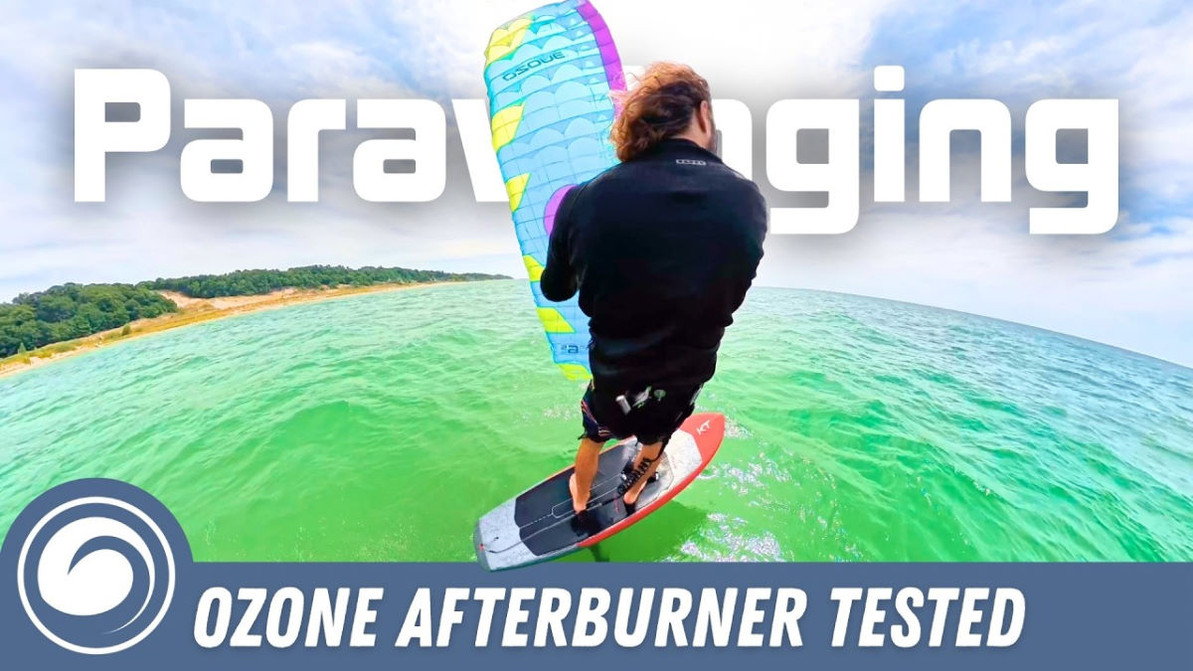
Ozone Afterburner V1 6.5m Parawing | Tucker's First Impressions
First Impressions of the Ozone Afterburner V1
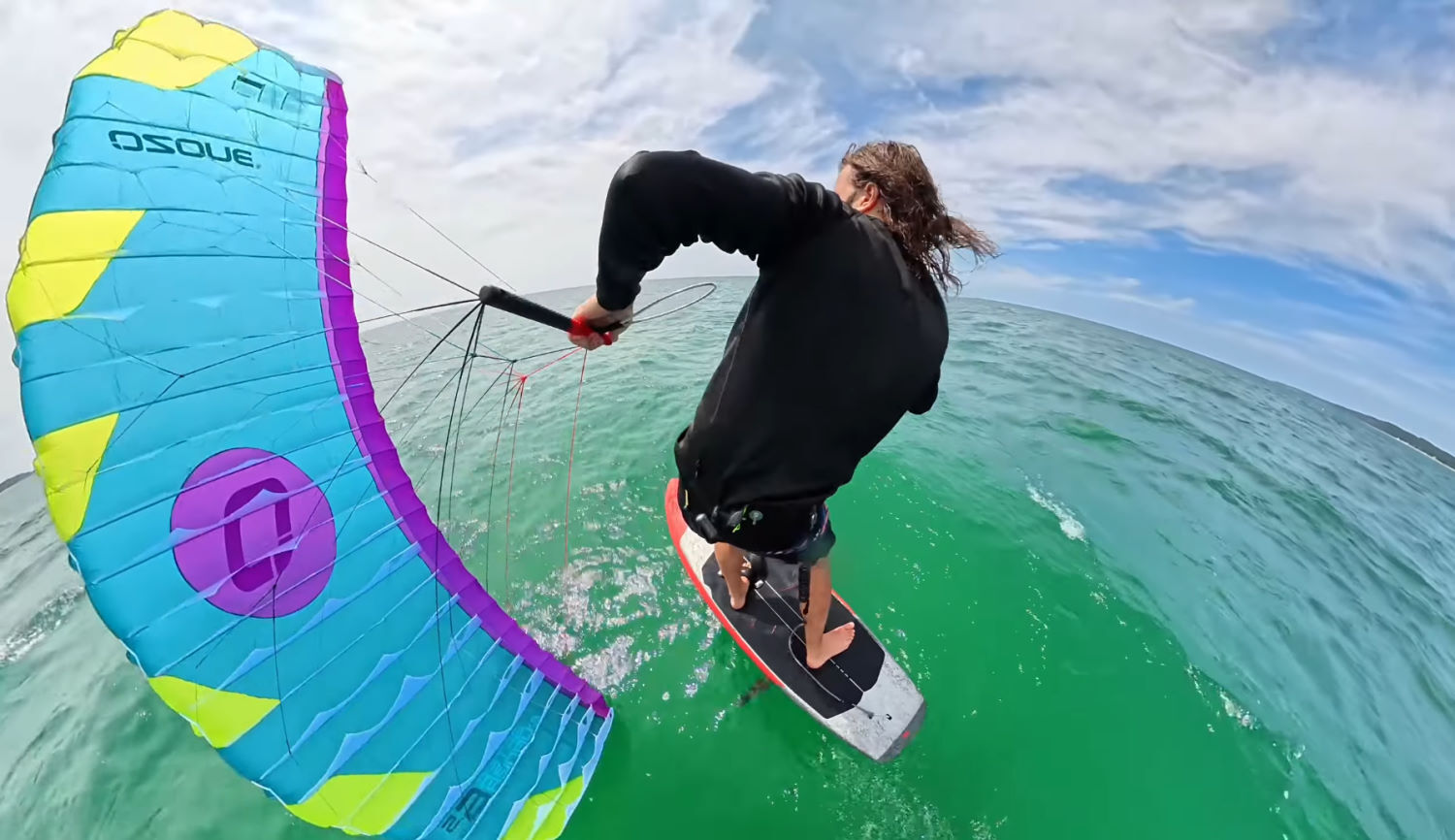
Tucker from MACkiteboarding brings a first look at the hot new Ozone Afterburner V1 6.5m parawing. After just one mind-blowing session, he breaks down the highlights of this highly anticipated release. This wing is a completely new model designed from the ground up to be the fastest parawing with the best upwind, best VMG, and best total range possible with a single skin.
Note: If you're not familiar with VMG, it's a sailing term (Velocity Made Good) that refers to the best combination of speed and angle relative to your desired direction of travel. For example, if you're trying to go upwind, the more into the wind you travel, the slower you'll go. You can go faster the more you angle to one side, but you won't make as much upwind progress and will have to make more zig-zags. VMG is that sweet spot where your speed and angle let you make the fastest overall progress, and the right gear can help you keep your speed up at a more direct angle.
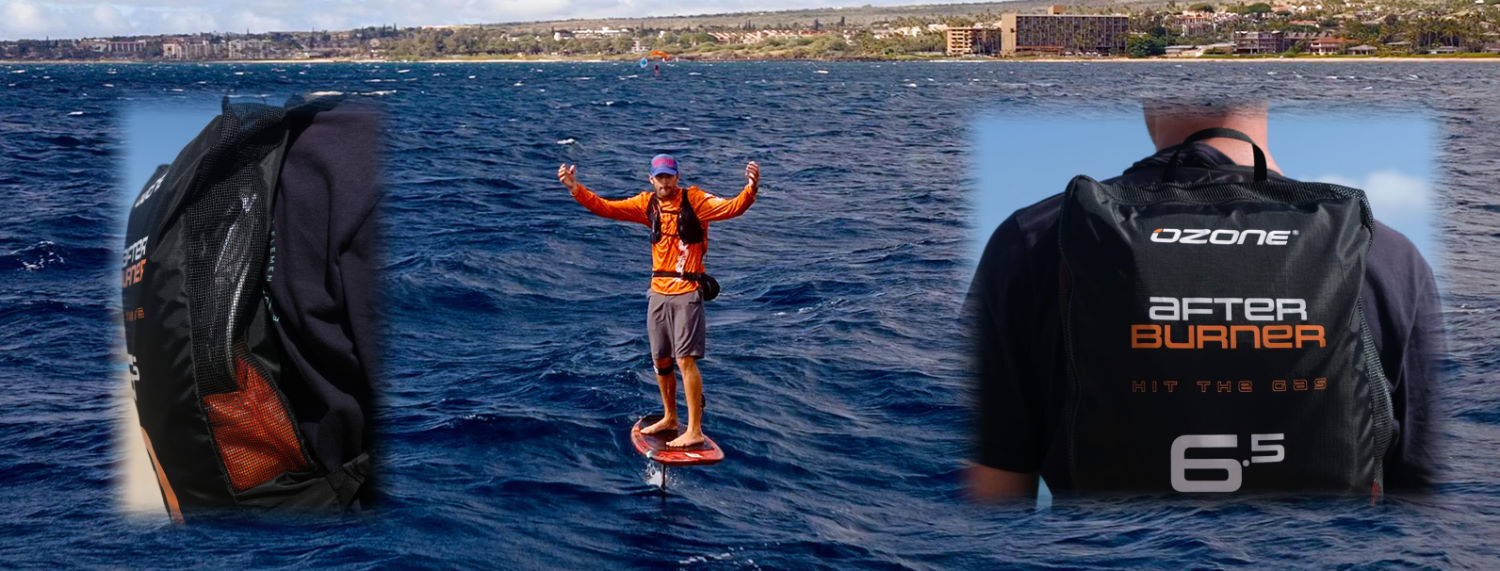
The Downwind Bag
The Afterburner comes with a new bag that borrows the outline and chest and shoulder straps from the Mission pack, just without the pockets. It is a super lightweight, basic, but highly functional downwind pack. It features dual chest straps for comfort and adjustability. It is vented, so if you are in the water a lot or using it as a spare pack, your wing will remain wet, but it gets the job done perfectly for downwind runs.
Redesigned Carbon Bar and Harness Loop
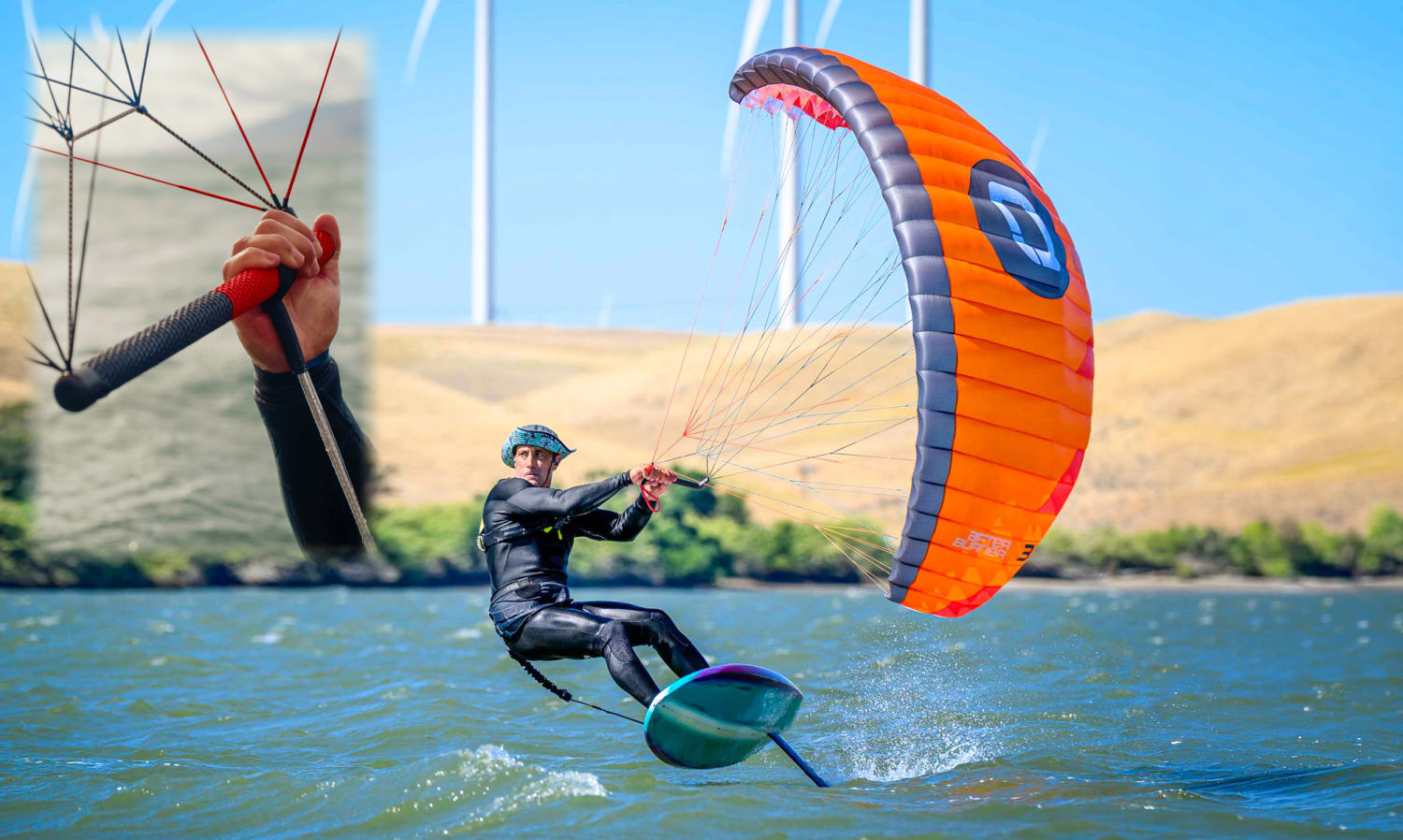
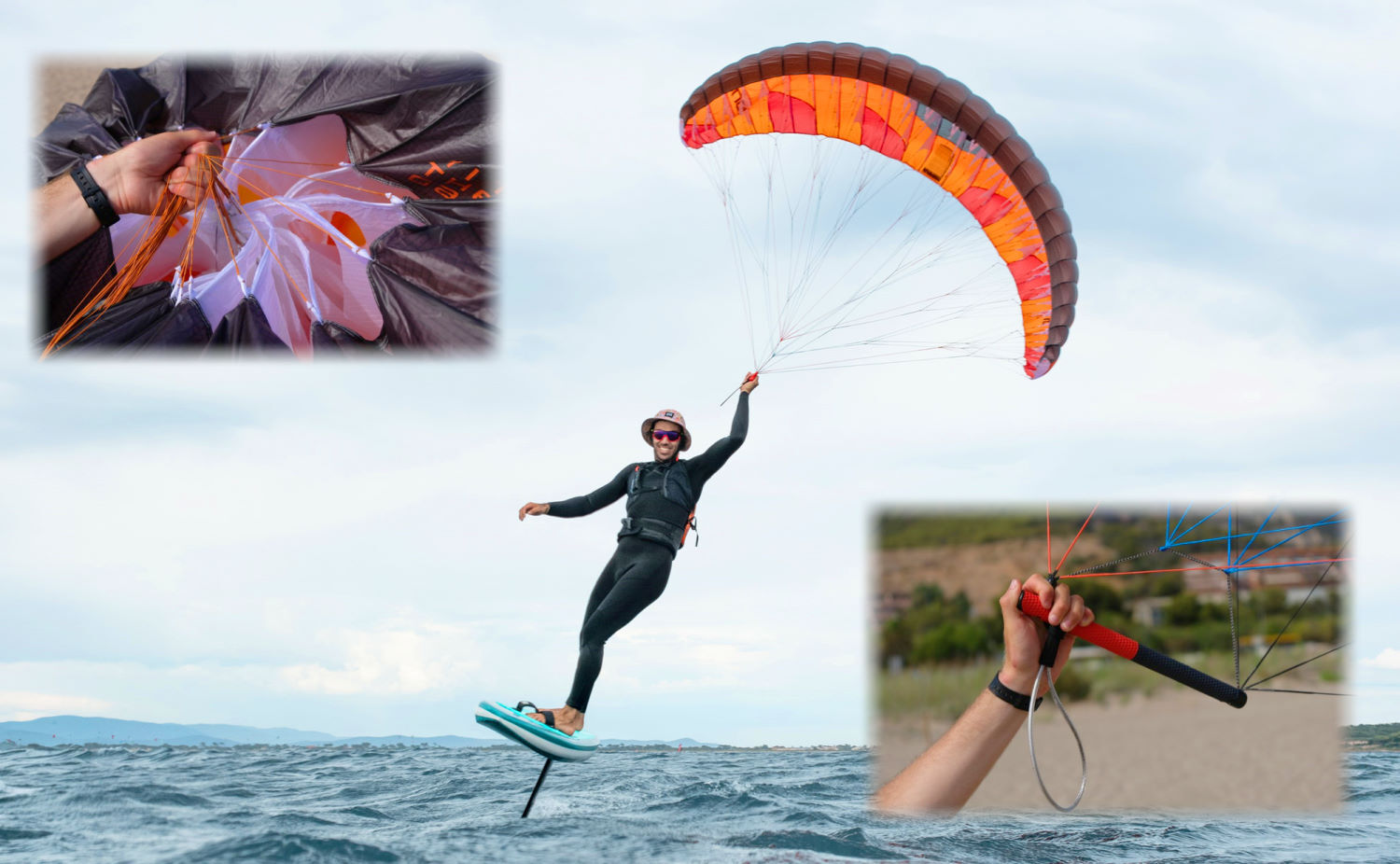
The bar is completely redesigned and features a crazy light carbon construction. Tucker notes it is probably one of the lightest parawing bars he has ever seen. It includes a 25-centimeter harness loop, which is on the shorter side but works great. There is a front nub for your fingers, giving you excellent pitch control when flying one-handed or off-center.
The lines thread through the ends, so if you prefer a two-point harness line attachment for a locked-in feel on long reaches and upwind riding, you can unthread it and connect it for a seamless two-point setup. The grip is soft and grippy, but not too squishy, offering a really direct feel so you know exactly what the wing is doing. It also features color-coding and carbon-molded end caps. Using a grippy material instead of a molded shape is a nice touch because the bridles fall off easily if they get wrapped around the bar.
Bridle Layout and Aerodynamics
The bridle system uses a yoke with four stages of lines, utilizing high-performance flying lines to maximize efficiency.
- A-Lines: Off the red A-lines, there is a center line split for stowing, which is the easiest way to stow right up those lines. They are spliced, woven in, and super smooth with a thicker diameter.
- Upper Lines: Once you get to the last little bit near the canopy, the lines transition to a finer, more aerodynamic line. They are still smooth and spliced but can be a bit more aggressive on the hands because they are so thin. However, by that point in the stow, there isn't much power left in the wing.
This transition from thicker to thinner lines is part of the magic that makes the wing so fast and efficient, boosting VMG, speed, and top-end range while reducing drag. The bridle layout isn't overly complicated, and the lines manage themselves nicely without complicated tangles.
Line Length and Stowing
The lines are a bit longer than what you will find on the Pocket Rocket or PowerPack. This is necessitated by the higher aspect canopy, which needs more line length to properly splay out. Because this is a massive 6.5m wing, a full stow is going to be a little beyond reach for most riders. At 6'3", Tucker can get a full stow in one stroke with an extra poke of the bar end to extend his reach, but riders with shorter arms will likely need to double-tug it. Fortunately, the wing is very stable and well-behaved, so it doesn't spiral out of control or get chaotic during the stow.
Wing Design and Canopy Construction
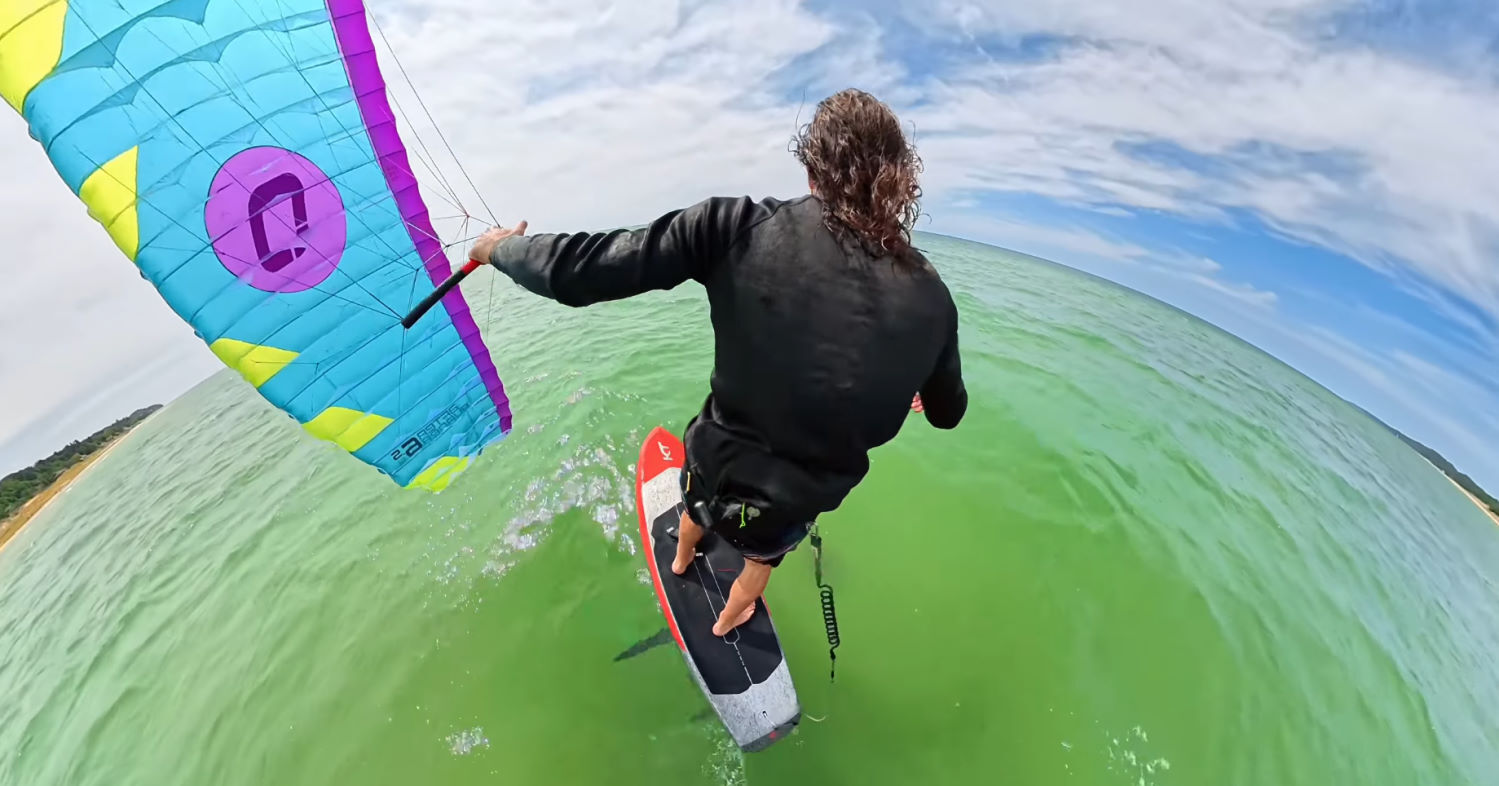
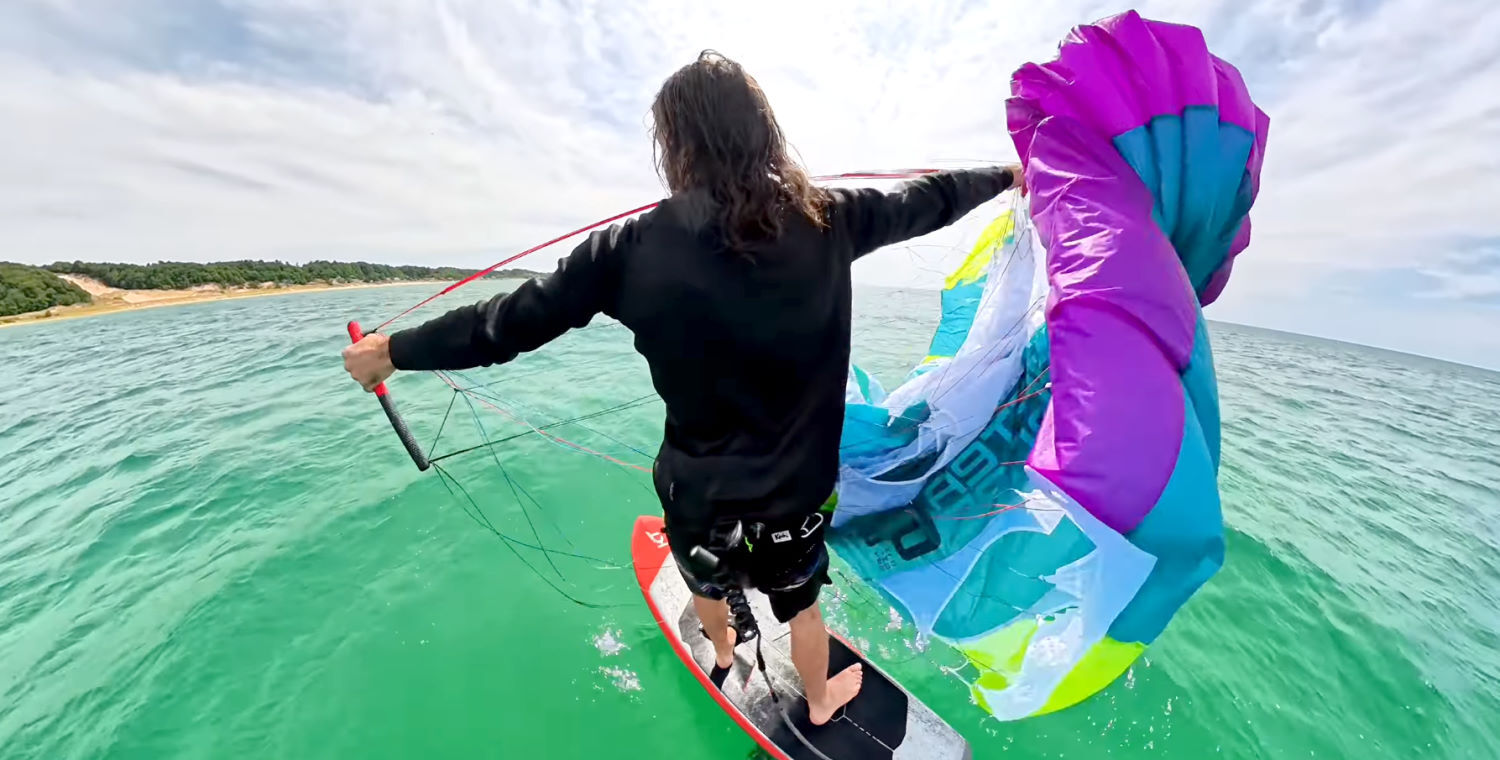
Ozone tested double skins but found this single skin achieves top-tier performance without the downsides of extra material, trapped water, or slower pack-down and inflation. It is designed to compete directly with the double-skin and hybrid skins on the market.
The canopy material is an extremely lightweight but tough and stiff 2x2 ripstop that remains very packable. You will notice more ribs on this canopy than most single skins. These ribs help shape the canopy, distribute the load, and provide stability and directional drive by channeling the wind. It locks in and rips, but remains very responsive. Where you point it, it wants to fly forward and react, rather than just sitting back in the window and pivoting on itself.
The leading edge profile is shaped by the stiffening battens. They're fairly long and deep, and they do a nice job of not only supporting the wing, but also help it to unfurl quickly and smoothly when you throw the wing out. When packing it up, be sure to pull them together, like closing an accordion. It packs down small enough to fit nicely in most stow pouches, including the Mission pack, Ozone stow pouches, or custom Lera B pouches. If you have a really small tube-style slide-in pouch, you might need a slightly bigger one for the 6.5m due to the extra cells and battens.
Flight Performance and Handling
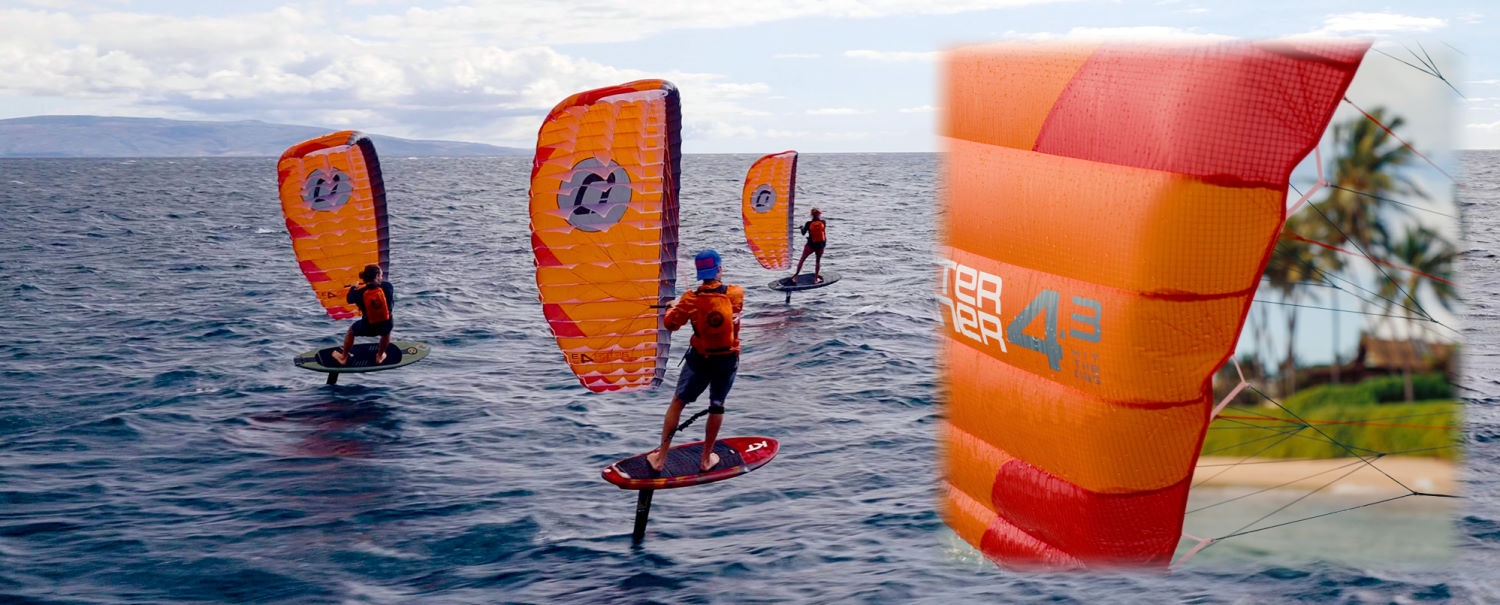
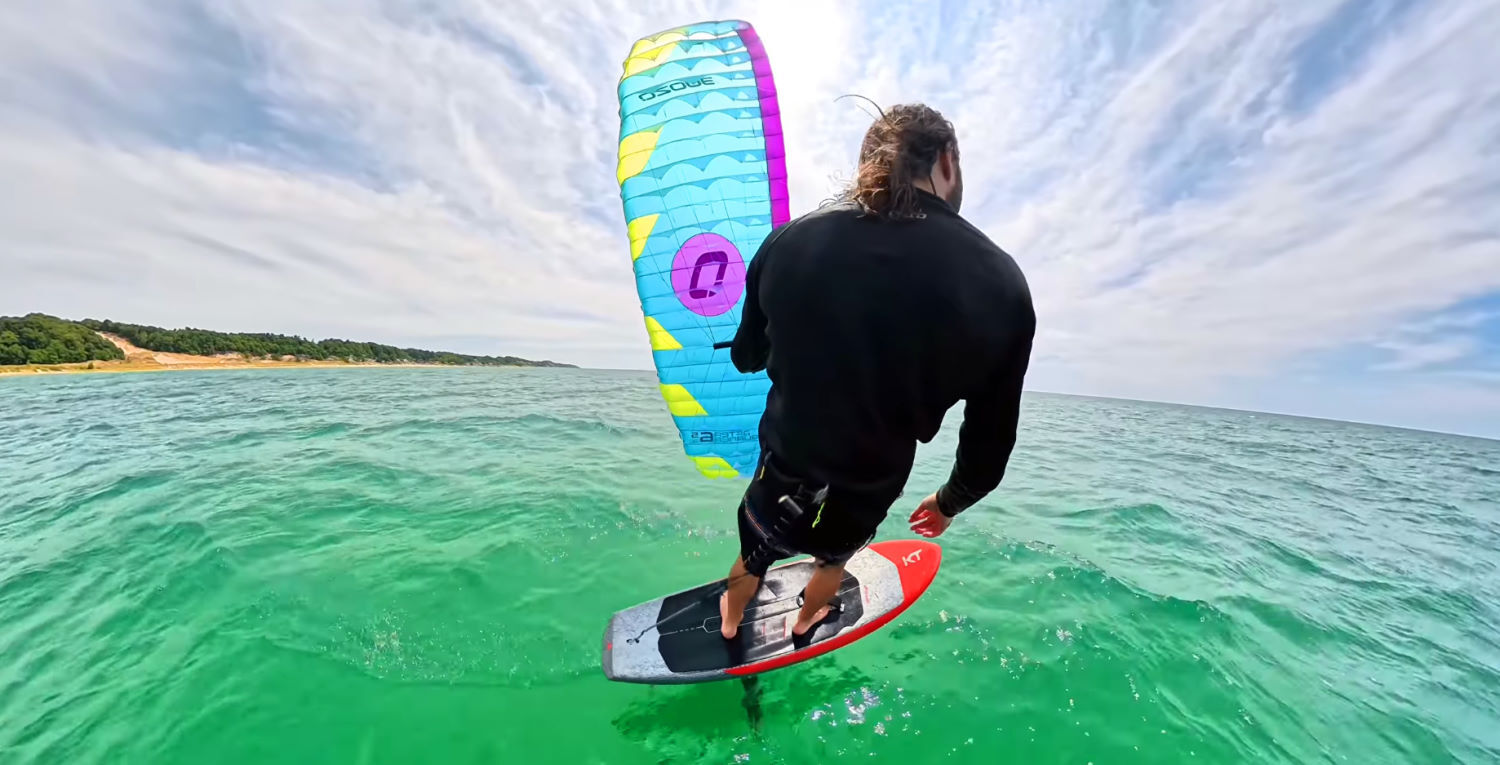
Tucker pushed the 6.5m on the top end higher than he ever has on a 6m parawing, and it handled it in stride. Within seconds of getting it in the air, you realize there is something really special going on. It is the first wing to take a massive leap forward into high-performance race gear while remaining incredibly user-friendly. Almost anybody can fly this wing.
When you push it hard into the wind at high speeds, it doesn't flap, collapse, or accordion like some first-generation wings do in chaotic conditions. It goes insane upwind. It feels like a dual-skin kiteboarding kite driving upwind, and it actually lifts you through the tack.
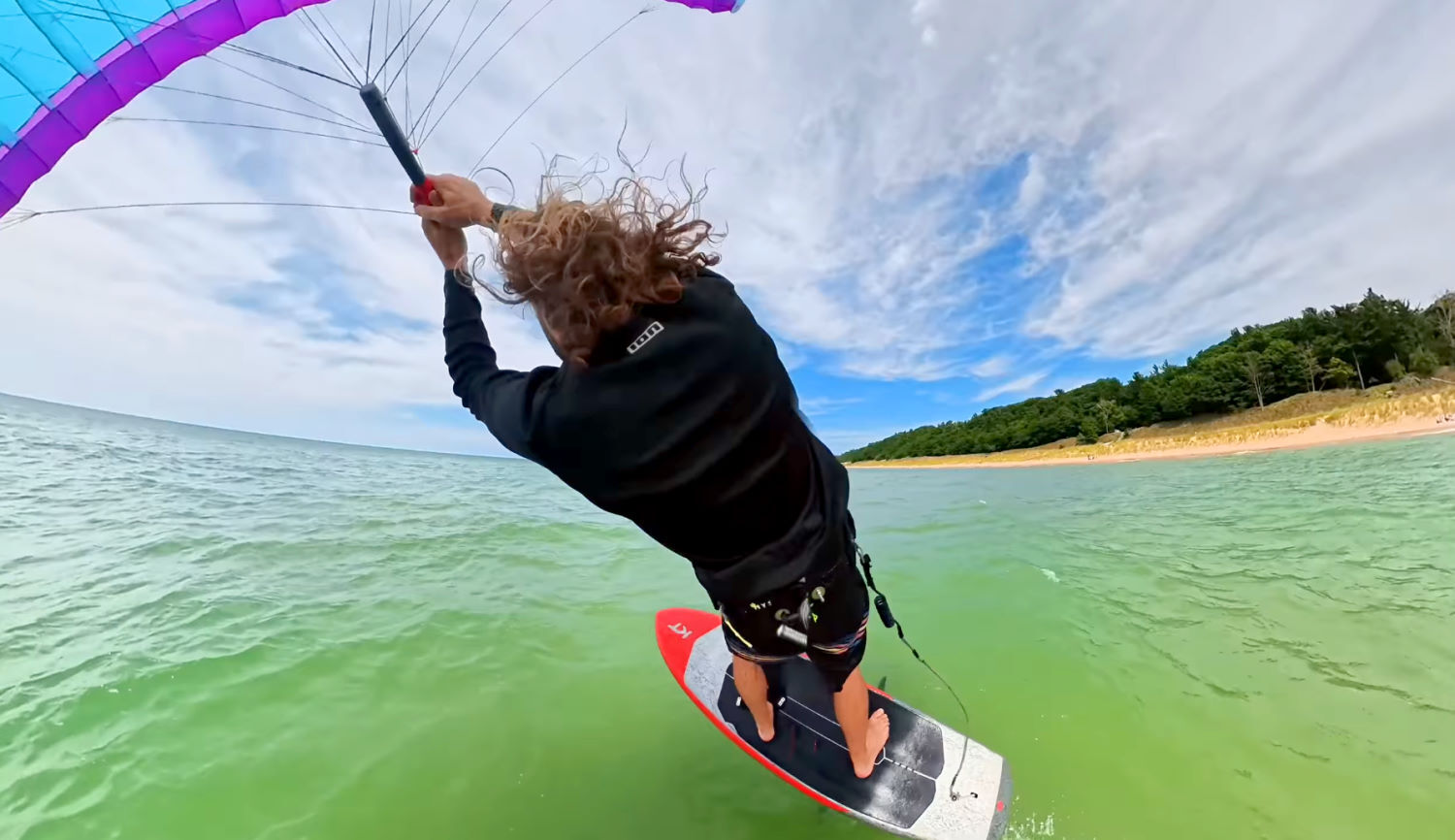
The behind-the-back jibe is a bit harder. The wing wants to stick to the water a little more and drive forward, so you have to get through the jibe faster and give it a hard punch to get it flying again, otherwise it wants to drive into the water.
Price and Overall Value
This is not a cheap wing. Ozone always builds to the top standard for quality materials, design, and R&D, and you have to pay for that level of high-performance gear. However, it covers so much wind range that you can arguably cover twice the range of a normal single skin. If you can handle riding powered, you can ride this in 8 to 10 knots higher wind than you would expect. When you divide the price by the miles per hour of range it offers, it is actually a better value than most wings currently on the market.
Conclusion
Tucker would definitely pick this wing for his personal quiver. We can only guess at whether the exclusive MACkite colorway of purple, emerald, and lime influenced his enthusiasm at all, but there is no doubt that the Afterburner is a big step forward in parawing design. Tucker's excited to get some more sessions on it with Jeff so that they can do a more in-depth review together.
MACkite Subscription Links:
YouTube | Instagram | Spotify Oddcasts
Contact MACkite Below:
800.622.4655 | Kiteboarder@MACkite.com | LIVE Chat Messenger
Recent Posts
-

2026 Duotone Rebel D/LAB Review: 30-Knot Test
The Brazilian Brothers are ready to provide honest feedback on the 2026 Rebel D/LAB by Duotone. Th …13th Oct 2026 -

2026 Duotone Jaime SLS Kiteboard Review
The Brazilian Brothers are back to bring you another product review. Today, their focus is on the …13th Oct 2026 -
Manera Pocket Wing Belt Overview
Jeff met up with Billy Ackerman from F-One on the beach at the KoGL Test Fest to take a look at th …9th Oct 2026