
Best Wing Foil Upgrades to Level Up Your Riding
With the massive boom in wing foiling over the last three years, a lot of riders now have a couple of years under their belts riding the exact same gear they learned on. If you've been putting in the time on the water, you might be reaching a point where your progression is actually being limited by the equipment you're riding. Tucker and Jeff from MACkite recently sat down to discuss the top three upgrades you can make to your quiver to help you become a better wing foiler.
While you can certainly have fun on any gear you buy, dialing in your setup based on your experience level and local conditions will make a world of difference. Here are the three main upgrades to consider when you're ready to take your riding to the next level.
1. The Foil Upgrade
When riders call the shop looking to make an upgrade, the conversation generally starts with the foil. The foil is the one piece of equipment that truly dictates your experience and feel on the water. Most riders start out on a huge, easy-to-ride foil to build technique and confidence. However, this is also the piece of gear you will progress out of the quickest.
Signs It's Time to Upgrade Your Foil
As you get comfortable on your beginner gear, you'll naturally want to push yourself into bigger conditions, ride waves longer, or start pumping. You might want to match the speed and efficiency you see other people riding at. If you're riding waves and constantly falling off the back because your foil simply isn't fast enough to keep up, that's a glaring sign you need an upgrade.
Another major indicator is the feedback the foil is giving you. If you're riding in bigger conditions and feel like you can't control the foil, it has too much lift, or you can't tame the speed and feel like you're about to blow up, it's time to size down to a smaller, more dedicated foil.
Moving to Mid-to-High Aspect Foils
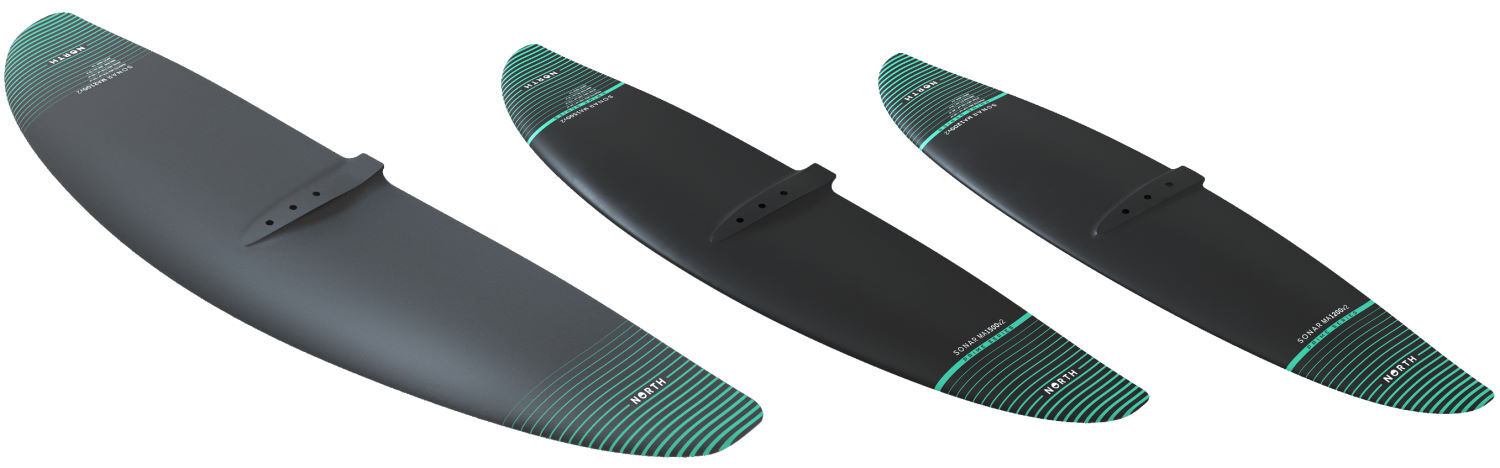
You don't need to jump straight to a crazy, high-performance race glider, but moving to a mid-to-high aspect foil that is a bit sleeker and more efficient will drastically broaden your speed range. Improved efficiency means you'll get more glide, which instantly makes your jibes and transitions easier.
Jeff noted that as he progressed, he kept sizing down to more efficient foils, eventually finding his sweet spot in the 800 range with an 8 to 10 aspect ratio. A foil in this range offers a broad application and won't hold you back in most conditions.
The Light Wind Foil Misconception
There is a common misconception that for light wind, you absolutely need a massive 1100 or 1200+ foil. In reality, with a little technique, you can get up on more efficient 800, 900, or 1000 size higher-aspect foils. Once you are up on foil, these smaller sizes are far more efficient.
Pro Tip: Anytime you buy a new, smaller foil, make sure to take it out for the first time in decent, semi-powered wind. Don't try to figure out a brand-new, smaller foil in super light, marginal conditions.
2. The Board Upgrade
If you're trying to ride in light winds but your board is too fat, short, and chunky, the drag of the board will limit you—even if your foil is capable of flying. This is where the board discussion becomes critical.
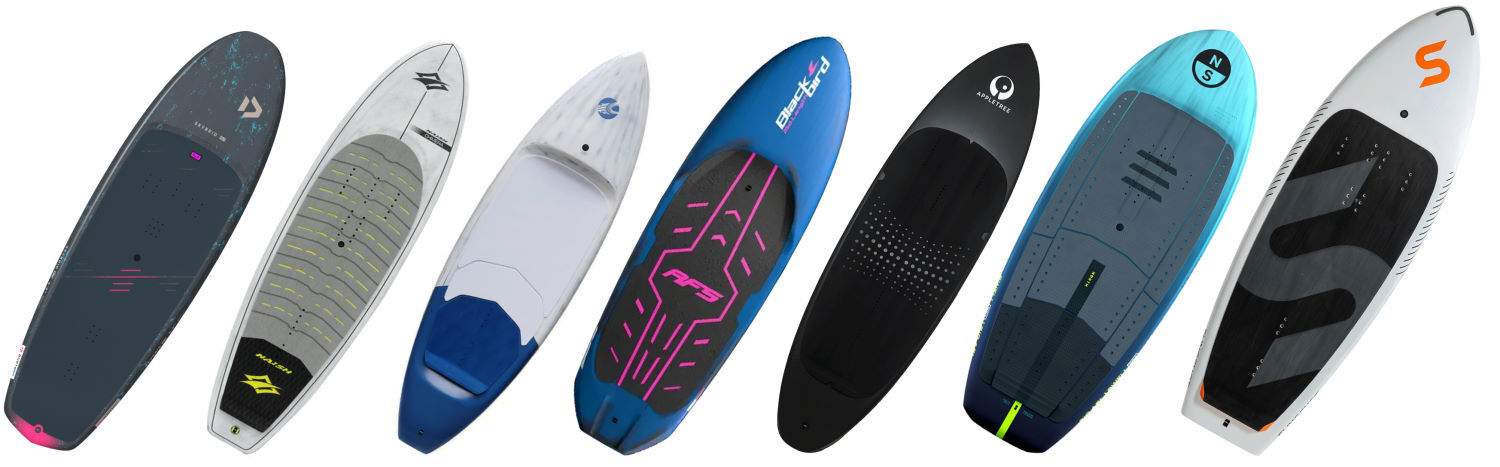
You don't need to jump to a super tiny sinker board. Instead, the industry has seen a massive improvement with the introduction of mid-length boards. These boards are sleeker, a little longer, and narrower, built specifically for speed and release from the water.
Why Choose a Mid-Length Board?
Mid-length boards open up the doors entirely to the performance of your foil. They allow you to get faster, smaller foils up much more easily and with less effort. Once you're flying, you have less bulky board to swing around, which means less drag and fewer touchdown issues.
It's no longer a race to the smallest board possible. Mid-lengths provide the stability and volume you need without the clunky feel. They offer great balance and weight distribution. If you look at the spectrum of boards—from standard, stubby learning boards, to mid-lengths, all the way to extremely long and narrow downwind boards—the mid-length is the logical next step for about 80% of riders.
Pairing a highly efficient foil with a stubby beginner board is like putting the wrong wheels on a race car; they need to complement each other. Moving from a wider board (22 to 25+ inches) down to a mid-length (21 to 22 inches and under) will drastically improve your overall performance on the water.
3. The Wing Upgrade
Time on the water is the ultimate key to progression. The more you ride, the better you get. So, how do you get more ride time? You gear up to ride in lighter winds.
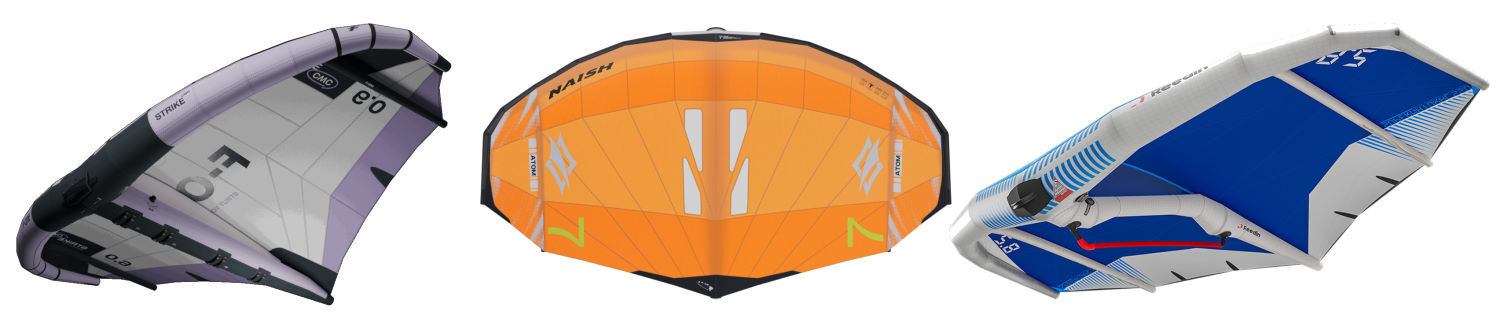
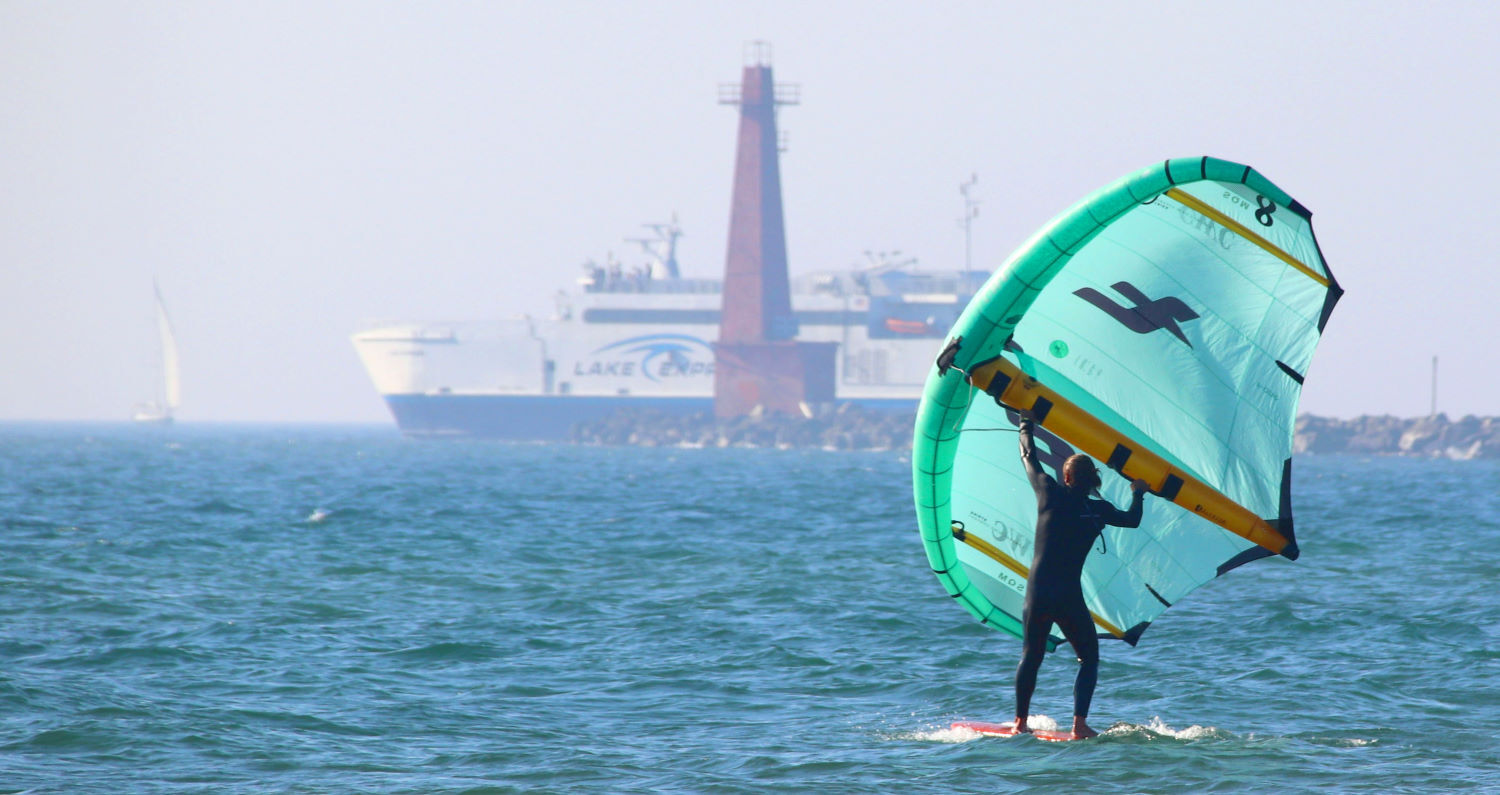
Most local spots have a ton of light wind days that go completely unused because riders simply don't have the right gear. Getting a bigger wing, whether that's a 6m, 7m, or even an 8m depending on your weight and local conditions, will get you out on the water when everyone else is sitting on the beach.
Building Core Skills in Light Wind
Light wind riding is one of the best ways to hone your core skills. When you're riding in marginal conditions, you are forced to focus heavily on your technique. You have to pay close attention to your foot placement, board speed, wing positioning, and weight distribution during your tacks and jibes.
All of that body awareness and wing control transfers directly over when you finally get out in higher winds and bigger waves. While a massive 8m wing can feel a bit unwieldy and might limit your apparent wind generation once you're flying, finding a sweet spot with a 6m or 7m wing is a fantastic way to maximize your sessions without overcomplicating your setup.
If you feel like your progression has stalled, take a hard look at your current quiver. Upgrading your foil, transitioning to a mid-length board, or adding a light-wind wing to your arsenal might be exactly what you need to break through to the next level.
MACkite Subscription Links:
YouTube | Instagram | Spotify Oddcasts
Contact MACkite Below:
800.622.4655 | Kiteboarder@MACkite.com | LIVE Chat Messenger

Recent Posts
-

2026 Duotone Rebel D/LAB Review: 30-Knot Test
The Brazilian Brothers are ready to provide honest feedback on the 2026 Rebel D/LAB by Duotone. Th …13th Oct 2026 -

2026 Duotone Jaime SLS Kiteboard Review
The Brazilian Brothers are back to bring you another product review. Today, their focus is on the …13th Oct 2026 -
Manera Pocket Wing Belt Overview
Jeff met up with Billy Ackerman from F-One on the beach at the KoGL Test Fest to take a look at th …9th Oct 2026