
Kiteboards
Kiteboards aren't one-size-fits-all — shape, flex, rocker, and size all play a role in how a board behaves when the wind turns on. Our crew has logged serious hours across twintips, directionals, and everything in between, in conditions from flat Great Lakes water to open ocean chop. We know how these shapes ride, not just how they're marketed. Whether you're dialing in your first board or looking to add a dedicated shape for a specific discipline, browse below or reach out and we'll point you in the right direction.
-
On Sale
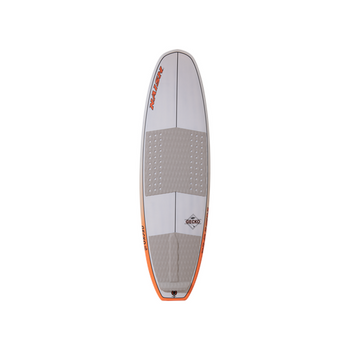
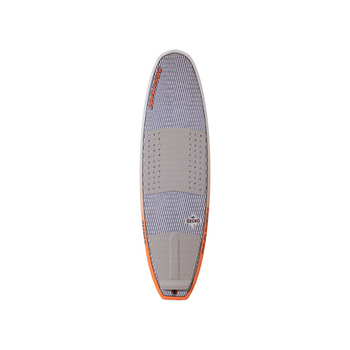
S26 Naish Gecko Surfboard
Naish
$399.00 - $634.00S26 Gecko Surfboard Versatile Wave Sizes: 5'1 / 5'4 What Naish has to say: “The Gecko’s ability to load energy into the intelligently designed rail and fin combination and release in flatwater is remarkable and the inherently forgiving shape...$399.00 - $634.00
How to Better Your Board Offs
Learn how to tic-tac your kiteboard.
Kiteboard FAQs
Not quite. Kiteboarding usually means riding a twin-tip board. It's great for freeride, freestyle, and learning. Kitesurfing refers to riding waves on a surf-style board. The kites are similar, but the boards (and riding styles) are different.
Go big and simple. A larger, more forgiving twin-tip makes it easier to waterstart, ride upwind, and stick landings. Once you progress, you can upgrade to something lighter, stiffer, or more specialized.
You can, but it depends on your goals. Oversized beginner boards are easiest for learning, while a more advanced board can last longer in your quiver. If you’re unsure, start basic and resell later, or grab a used board to minimize cost.
Large boards have more surface area, making it easier to plane in light winds and stick landings. Small boards are lighter and better for strong winds or aggressive riding. Most new riders benefit from starting with a bigger board.
Board size depends on rider weight, wind conditions, and riding style. As a general rule, heavier riders and light-wind locations need bigger boards, while lighter riders or loop-hungry freestylers can size down.
Not necessarily! Women’s boards are often the same designs as men’s, just with different graphics. What matters most is the right size and flex for your weight and riding style. Many female riders prefer slightly bigger boards for smoother sessions and softer landings.