
Complete Foil Sets
A complete foil set takes the compatibility question off the table — mast, fuselage, and wings that are designed to work together, right out of the box. For riders building a first setup, that matters more than it might seem. For experienced riders adding a dedicated setup for a new discipline, a complete set is often the fastest way to get dialed in without the back-and-forth of piecing things together. Browse what's here and reach out if you want help matching a set to your board, your conditions, and how you want to ride.
-

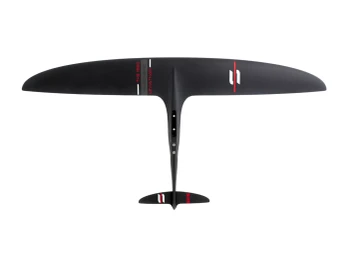
SabFoil Blackbird Leviathan 1350-325-75 Foil Set
SabFoil
$2,399.00SabFoil Blackbird Leviathan 1350-325-75 Foil Set Size: 1350 What SabFoil has to say: Wing Foil / Surf Foil / Pump Foil / SUP Foil / Downwind Beyond the Margin of Error High-aspect efficiency usually...$2,399.00
Building a foil setup from scratch sounds straightforward until you're three browser tabs deep comparing mast tracks, fuselage lengths, and wing aspect ratios across four different brands. A complete hydrofoil set cuts through all of that — mast, fuselage, front wing, and rear stabilizer, engineered to work together right out of the box. No compatibility headaches, no second-guessing whether that wing fits that fuselage. Just a setup that's ready to fly from your first session. Whether you're getting into foiling for the first time or adding a dedicated setup for a new discipline, a complete set is almost always the smartest place to start.
What Every Part of Your Foil Actually Does
A hydrofoil set is a system, and every component in it has a job. Understanding those jobs makes the selection process a lot less intimidating — and helps you cut through the marketing fluff that doesn't always tell you what you actually need to know.
The front wing is where the flying happens. It's the primary lift-generating surface and the component that shapes your speed range, lift threshold, and overall ride character more than anything else in the setup. Bigger wings get you up earlier and cruise efficiently in lighter conditions — forgiving, accessible, and exactly what most riders need when they're first finding their foil legs. Smaller wings need more speed to generate lift but reward that speed with efficiency and maneuverability that experienced riders chase. Wing aspect ratio refines those characteristics further: high aspect wings are long and narrow, built for glide and speed; low aspect wings are shorter and wider, prioritizing early lift and surf-style maneuverability.
The rear stabilizer manages pitch — how the foil behaves nose-up and nose-down through your riding. More stabilizer means more forgiveness. Less means more responsiveness. Most complete sets pair front and rear wings with complementary characteristics, which is a big part of why buying complete beats piecing things together yourself when you're starting out.
The fuselage connects everything and determines how the front and rear wings interact. Longer fuselages slow pitch response and increase stability. Shorter ones speed things up for riders who want a more active, aggressive feel.
Mast length is the other variable that shapes your experience significantly — shorter masts in the 60-75cm range are more forgiving in chop and suit riders who are still getting comfortable with the foil beneath them, while longer masts in the 85-95cm range give you the clearance that wave riding and higher performance disciplines reward.
Picking the Right Setup for How You Actually Ride
Foiling disciplines have diverged enough that a setup built for one doesn't automatically translate to another. Knowing where your riding fits helps you evaluate complete sets against criteria that actually matter for your sessions rather than general claims that sound good on paper.
Wing foiling and kite foiling favor complete sets with medium to high aspect front wings that balance early lift with upwind efficiency, masts that handle chop without being excessive, and fuselage configurations tuned for the directional changes involved in tacking and jibing. If you're used to powered foiling and transitioning between disciplines, don't assume your existing setup translates — a foil that felt effortless behind a kite can demand a lot more work in a wing foiling context, and getting the setup right for the discipline makes a real difference.
Wake foiling works with consistent generated pull rather than wind or wave energy, which shifts the priorities toward stability and forgiveness. Complete sets built for wake foiling tend to favor medium aspect wings, moderate mast lengths, and fuselage configurations that handle tow rope pull without requiring constant active input. The learning curve behind the boat is real enough without fighting gear that wasn't designed for it.
Prone surf foiling and SUP foiling demand efficient lift at low speeds — you're generating momentum manually rather than relying on an external power source, which means glide efficiency and low-speed lift become the priorities that matter most. High aspect wings earn their keep here more than almost anywhere else because every bit of glide efficiency translates directly into more time connected to a wave or more distance between pump strokes.
What the Specs Actually Tell You
Front wing area — measured in square centimeters — is the starting point for most comparisons and gives you a useful rough guide to where a setup sits in the speed and lift spectrum. Bigger numbers lift earlier and cruise efficiently at lower speeds. Smaller numbers favor speed and reward riders who've developed the feel for managing lift actively. Your weight matters here more than most specs suggest — foil brands publish recommended rider weight ranges for their wing configurations for good reason, and those ranges are worth taking seriously.
Material construction is the other variable worth understanding. Full carbon setups are lighter, stiffer, and deliver the most direct feel between your input and the foil's response — but they're less forgiving of impacts and carry a premium price tag. Aluminum components are heavier but significantly more durable, which matters a lot more when you're still spending more time in the water than on top of it. Many complete sets split the difference with carbon wings and aluminum masts, which is a combination that works well across a wide range of riders and conditions.
Why MACkite for Your Foil Setup
We've been setting riders up on foils long enough to have strong opinions about what works and what doesn't — and we're not shy about sharing them. The complete sets we carry are ones our team has ridden, tested, and recommended to friends, not just stocked because they look good in a catalog. We ride on the Great Lakes, we know what Michigan conditions actually demand from a foil setup, and we stay current on what's hitting the market because we're genuinely into this stuff.
The compatibility question — does this wing fit that fuselage, does this mast work with my board — is one of the most common ways riders end up frustrated with a foil purchase. A complete set takes that off the table, and a conversation with our team before you buy takes it even further. We'll tell you straight what fits your discipline, your conditions, and where you are in your riding right now.
Ready to Stop Researching?
Browse our complete hydrofoil sets and find your starting point. If you want a recommendation that actually fits how you ride, reach out — give us a call, hit the live chat, or send us an email.